


Visible surface
Describe matte or glossy appearance, color boundaries, edge shape and the way raised zones should read at normal viewing distance. Treat the photograph as a visual reference only.
Search language such as rubber heat transfer logo can describe a desired feel without identifying the actual construction. Build a reliable enquiry by separating surface appearance, recorded material, dimensional profile, receiving garment and attachment requirement. Teebling can then confirm what applies to the quoted item rather than letting a visual nickname become an unsupported specification.
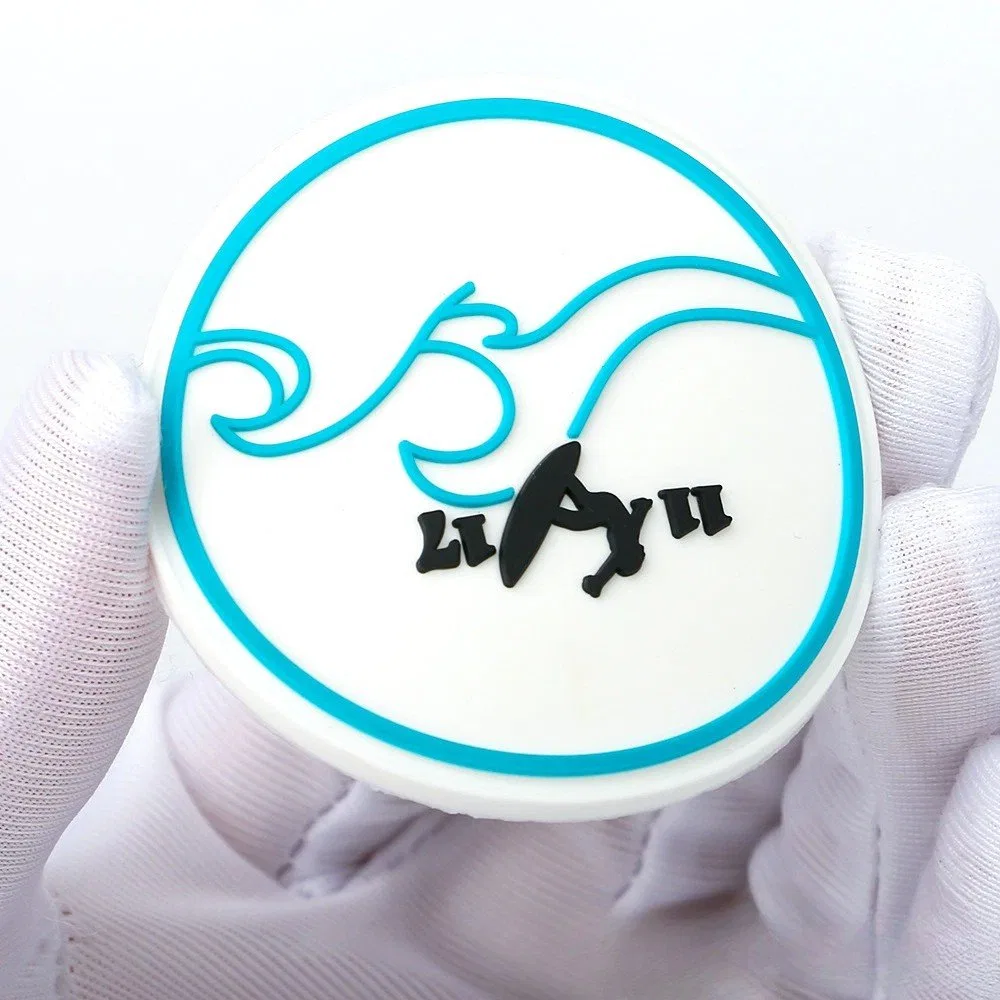
A buyer may use rubber, TPU and silicone interchangeably when describing a dimensional logo. Production records cannot. Begin with the result that matters, then ask Teebling to identify the quoted construction. This protects purchasing from approving a photograph while assuming an unlisted material or backing.
Describe matte or glossy appearance, color boundaries, edge shape and the way raised zones should read at normal viewing distance. Treat the photograph as a visual reference only.
State whether flexibility, softness or a firm badge-like presence is important on the finished product. Ask how the proposed sample should be evaluated instead of inventing a numeric claim.
Name the receiving surface and whether the workflow expects heat application, sewing or another reviewed method. The quotation must say what is actually available.
List dimensions, versions, quantity per version, packaging and destination. The verified references on this page each record a 100-piece minimum, but current terms belong in the quote.
Flat artwork shows outline and color but does not explain height. A numbered profile prevents vague requests for a 3D effect. Mark the base plane, primary raised element, recessed color wells and outside edge. Keep the number of levels purposeful so the brand remains recognizable at the finished size.

Define the visible base and the perimeter that supports handling or attachment.
Identify the lettering or symbol that should lead and preserve its negative spaces.
Use secondary relief only where it improves hierarchy at physical scale.
Review small counters, sharp corners and narrow color separations at one-to-one size. If the supplier proposes simplification, record the exact revision and compare it with the authorized logo before approving the sample.
Three verified products help frame the conversation. Their recorded materials differ, which is precisely why photographs should not be used as material certificates. Cite the item and the feature being referenced, then require the selected product's written specification.

Use Product 50 when a silicone heat-transfer reference is relevant, Product 35 when a TPU relief direction is relevant, and Product 76 when the recorded rubber-and-silicone description is central. Do not merge their specifications into a fictional hybrid product.
A heat-applied logo is a component-and-surface pairing. Supply the actual fabric description, garment construction, finish, stretch direction, placement and access behind the decoration zone. A generic statement such as suitable for clothing leaves the most important application variables undefined.
Record the fiber content and construction supplied by the garment source. Include coatings, water-resistant finishes, nap or texture when present, because a smooth swatch cannot represent every production item.
Map seams, pockets, zippers, lining, padding and curved areas. The application equipment must reach and support the proposed position without distorting the product.
State whether the zone folds, stretches or rubs during normal use. This observation guides sample evaluation without promising a universal performance result.
Ask Teebling to name the proposed material and attachment for this exact receiving product. Approve only the tested combination, and keep a representative sample with the order record.
Do not copy settings from an unrelated label. Begin with the instructions for the quoted construction and conduct a trial on a representative garment with the equipment intended for production. A useful record lets another operator identify what was tested and what the buyer actually accepted.
Record sample code, artwork revision, label dimensions, garment style, material, color and placement. Photograph the component before application and the supported garment zone.
Write down equipment, platen or support, quoted settings, pressure method, dwell, cooling state and peel direction. If a change is made, create a new trial line instead of overwriting the first.
Inspect alignment, edge contact, surface change, color shift, distortion and relief appearance. Add the buyer-defined movement or care observation that is relevant to the intended use.
Mark approve, revise or hold with the date and responsible reviewer. Retain the physical sample and corresponding images so a reorder is not judged from memory.
The final specification should be complete enough to distinguish this label from every similar-looking item. Keep visual requirements, material confirmation, application evidence and commercial details in one controlled record.
Related planning lives in the custom rubber logo patch guide, the silicone heat-transfer logo patch guide and the custom TPU heat transfer label guide. Use those pages to deepen a material-specific decision without copying one product's facts into another.
These answers keep search terminology separate from confirmed product data and give a buyer practical checkpoints for a quote, sample and repeat order.
No. A soft rubber appearance does not identify the attachment. The catalog reference must be paired with a written quotation that names the selected material, reverse construction and approved assembly method for the receiving product.
Send authorized artwork, finished width and height, requested relief, color zones, garment material, placement, quantity by version, destination and the attachment result you need Teebling to review.
It can communicate visual direction, but it cannot prove material equivalence. Cite the reference item, identify the feature you like, and ask for the actual composition and available attachment in the current quote.
Test the quoted component on a representative production garment using the intended equipment. Record the sample identity, settings, cooling and peel state, edge appearance, fabric response and approval decision.
Retain the product or sample code, approved artwork revision, dimensions, relief map, color record, receiving material, attachment specification, application record, quantity split and packaging instructions.
Send the authorized vector file, measured logo size, requested relief, named color zones, target garment, placement, attachment outcome, quantity by version, packaging requirement and destination. Cite Product 35, 50 or 76 only when a particular visible feature supports the discussion. Teebling can then respond with the applicable construction and current commercial terms in writing.
Keep the approved sample and application record beside the purchase specification. That evidence is more useful than a broad label name when the program returns for replenishment or moves to another garment surface.