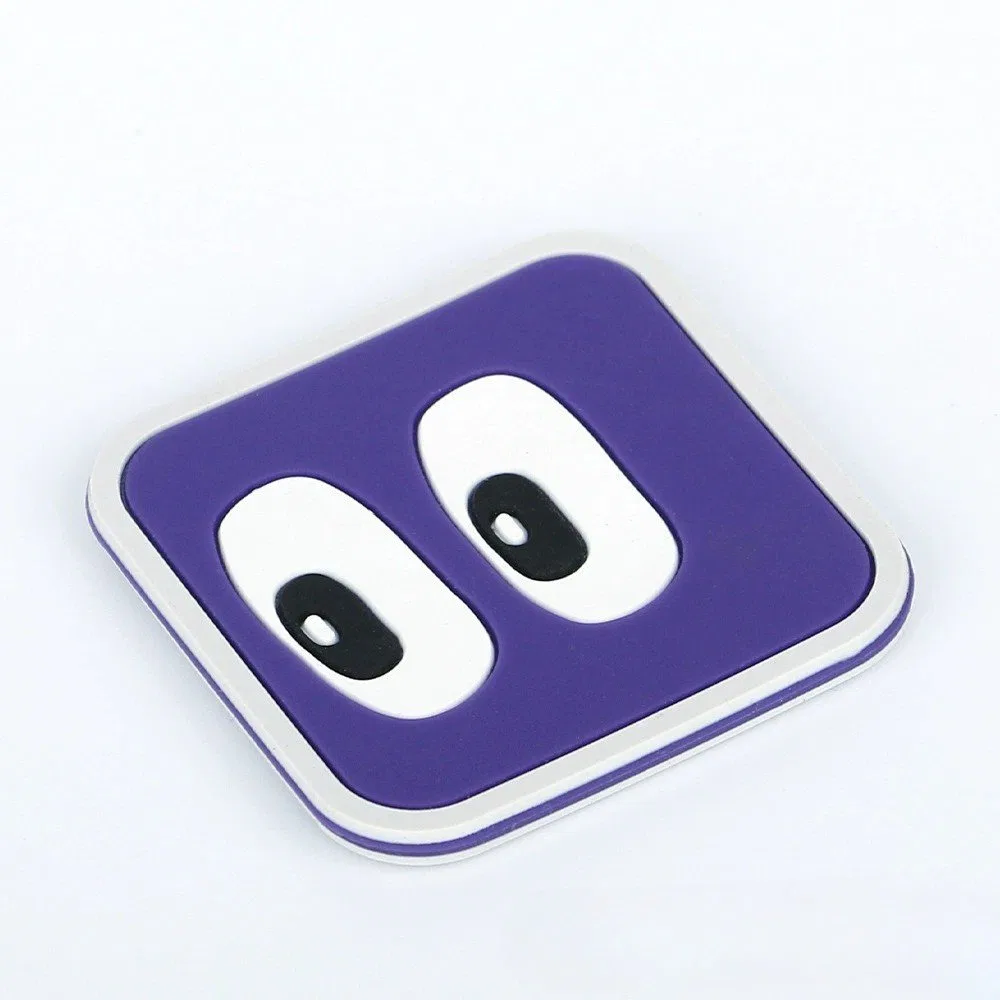
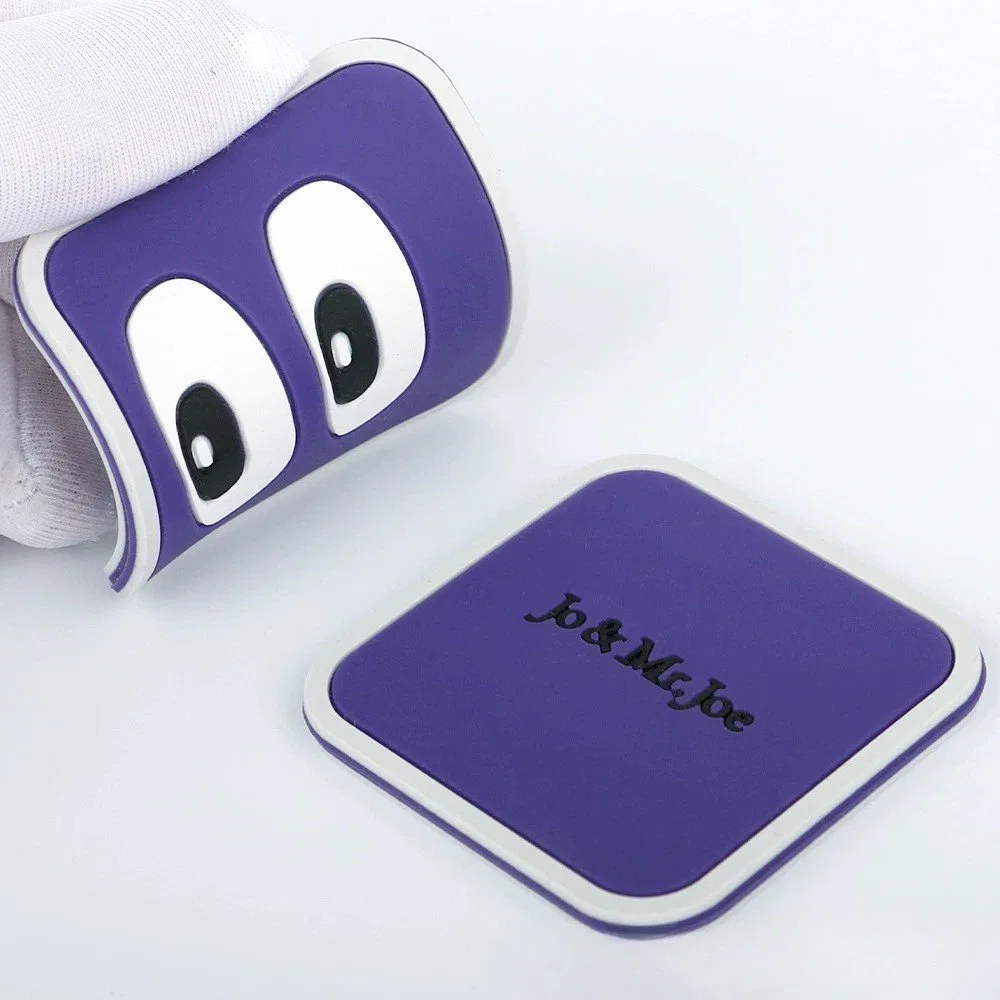
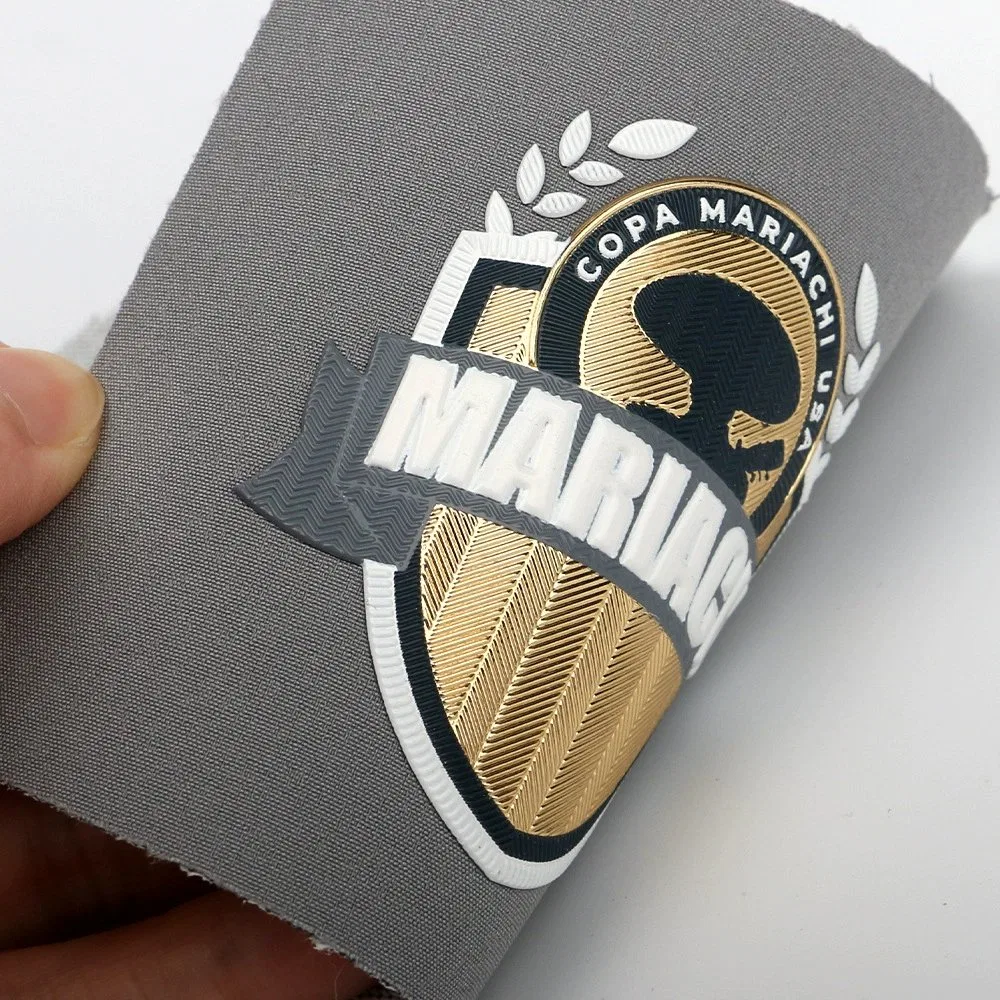
Face plane
The visible field carries colour zones, lettering and texture. A 2D PVC patch uses flat levels; a 3D PVC patch can use rounded or stepped surfaces.
Build a soft PVC patch as a three-dimensional component: face geometry, compound and attachment must work together. We manufacture custom PVC patches and moulded PVC logo patches for apparel, bags, uniforms and equipment, with 2D or 3D relief and project-specific backing.
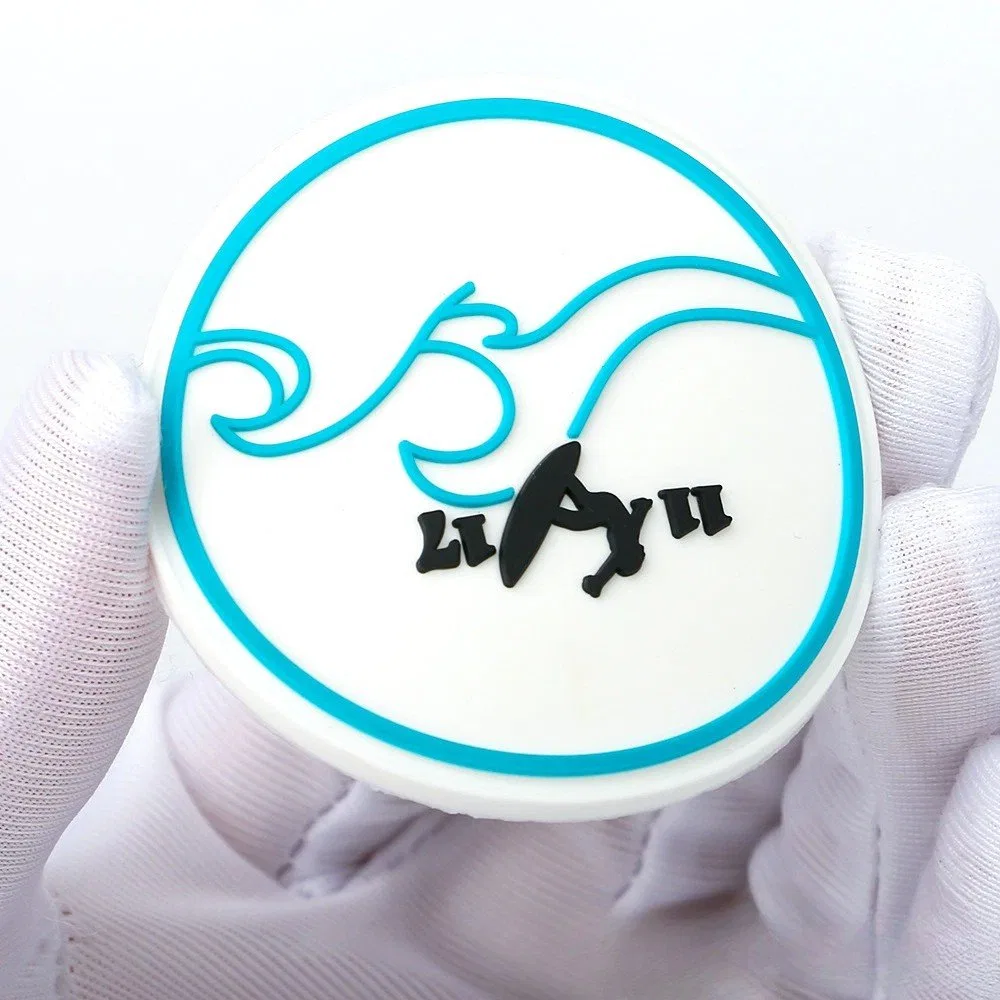
A PVC rubber patch is a freestanding moulded part. These three construction zones control whether small type stays readable and the edge survives handling.
The visible field carries colour zones, lettering and texture. A 2D PVC patch uses flat levels; a 3D PVC patch can use rounded or stepped surfaces.
Every raised, recessed and shared boundary receives a dimension. Narrow counters and sharp corners are reviewed at actual finished size.
The outer wall sets the silhouette, handling feel and available stitch channel. Unnecessary points can weaken a small moulded edge.
A low MOQ request is reviewed against the exact construction. The written quote should show which variables apply to the proposed quantity tiers.
Finished footprint and material volume.
Relief levels and mould precision.
Separate pours and matching work.
Added interface and assembly.
Sizes, colourways and pack groups.
Carton plan and destination.
Supply editable vector art plus a separate relief drawing. A visual mockup helps communicate intent, but the production proof needs dimensions and codes.
FRONT_VIEW.aiExact wording, outline, positive and negative space, colour zones and true-size view.
RELIEF_MAP.pdfNumber each level and mark raised, recessed, rounded and textured areas.
BACK_VIEW.pdfShow stitch route, hook-and-loop coverage or heat-seal footprint and clear margins.
REVISION_LOG.txtIdentify artwork version, date, sample code and the person authorizing the next stage.
Lead time depends on proof revisions, mould preparation, sample evaluation, quantity and packing. Ask for dates against each gate in the quotation.
Dimensions, levels and colours are signed off for mould preparation.
Check legibility, surface, flex, perimeter and colour separation.
The selected reverse construction is added to an identified sample.
Apply to the intended garment or accessory and inspect the interface.
Record sample code, approved tolerances, quantity split and packing.
Inspect tears, lift and stitch-channel damage.
Compare relief, abrasion and colour migration.
Check bond coverage, distortion and residue.
Look for press marks, puckering and care changes.
For permanent attachment where the product allows clean needle access. Specify the stitch channel and thread path.
For replaceable identification on uniforms, tactical bags and organized kits. State which mating side is supplied and its coverage.
Use after a press trial establishes time, temperature, pressure, peel method and cooling for the exact product.
These cards load from active Teebling product records, keeping product codes, materials, dimensions, MOQ and prices linked to the catalog.

A standalone moulded badge gives depth and an independent backing. For a thinner garment-integrated construction, compare TPU embossed logo patches and 3D silicone heat transfer patches.
| Need | Review first |
|---|---|
| Removable identity | Soft PVC with hook-and-loop |
| Stitched permanent badge | Soft PVC with sew channel |
| Very low-profile mark | TPU or film transfer construction |
| Soft raised transfer | Silicone heat transfer construction |
A 2D mould uses one raised face level with recessed dividing lines. A 3D mould uses graduated heights or rounded relief. The approved relief drawing should name every height, not rely on a rendered preview alone.
Yes. A sew channel or stitchable perimeter can be built into the construction. Confirm needle access, border width and stitch position on the intended garment before bulk production.
Both can be evaluated. Hook-and-loop suits removable identification, while heat seal needs a garment-specific press trial. Backing availability and compatibility are confirmed in the written quote.
Assign a stable colour reference to every moulded zone and show the receiving product colour. Approve the physical sample under consistent light because compound, surface and depth can change perceived colour.
Finished area, relief complexity, colour count, mould setup, backing, variant split, packing and destination all affect the quotation. The applicable MOQ is confirmed per artwork and construction.
Use the Free Samples button with your target size, application and delivery country. The team will confirm available reference pieces and the separate route for a logo-specific mould sample.
We will review the construction, sample route and current commercial terms for your custom PVC patch program.
These catalog photographs help frame the construction discussion; the coded project sample remains the approval standard.