



Reference 43
Recorded as TPU silicone, 5 cm. Clarify shape, relief, backing and application direction in the order.
A reliable application record does not begin with settings copied from a different label. Identify the quoted TPU construction, the real garment, the placement, the equipment and the supplier's direction, then make one controlled decision from observable evidence.
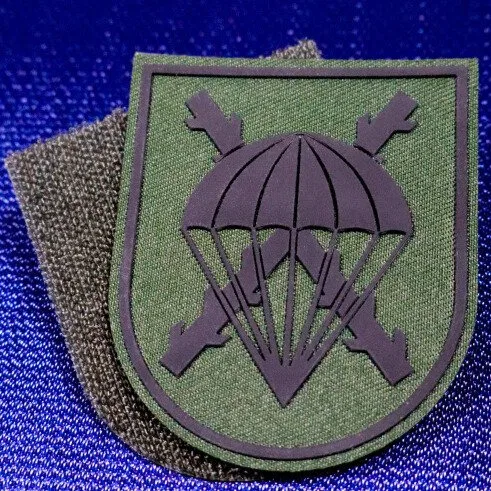
“HF TPU heat transfer label” is valuable buyer language, but it is not a complete bill of materials. Begin with a product identity, approved image, actual material description, dimensions, face and reverse, relief direction and application layer. Product 43 is recorded as TPU silicone at 5 cm; product 44 is TPU and silicone at 5 x 3 cm; product 46 is TPU and fabric at 5 x 8 cm. Each currently has a 100-piece minimum order. Their different database descriptions demonstrate why TPU label, TPU badge and TPU sticker cannot be treated as interchangeable constructions.
Attach the selected reference to the quote and ask Teebling to describe what will be supplied. Preserve that wording on the sample record so application observations remain linked to one physical item.
The application method must match the quoted build. Use catalog images to compare visual direction, then rely on the supplier's written construction and physical sample for the actual process.
Recorded as TPU silicone, 5 cm. Clarify shape, relief, backing and application direction in the order.
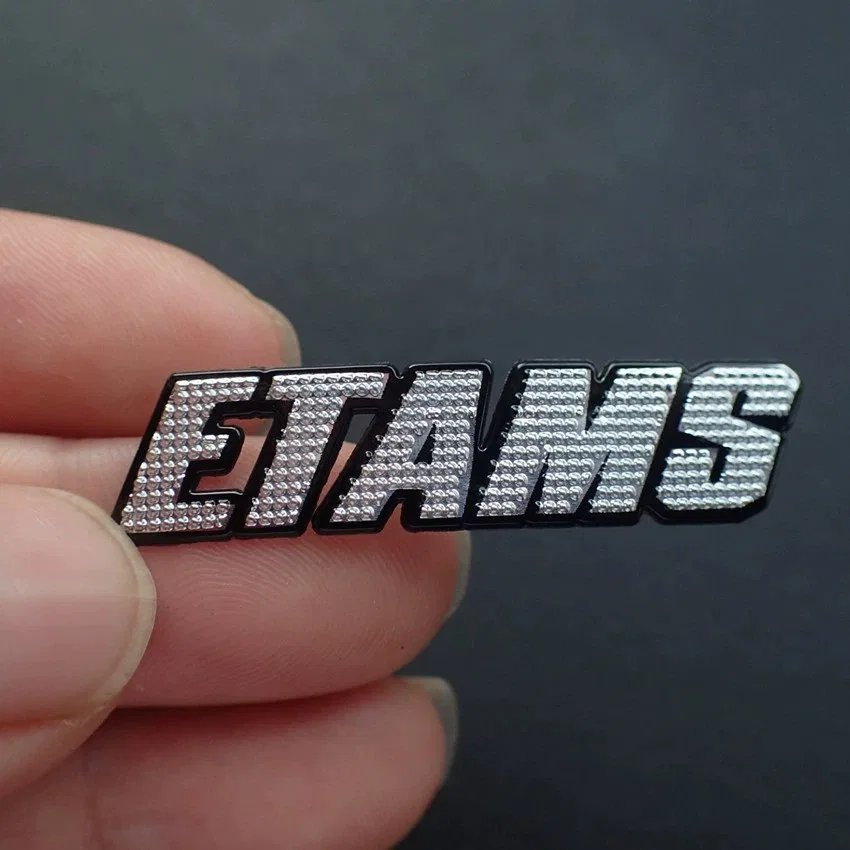
Recorded as TPU and silicone, 5 x 3 cm. Confirm the construction represented by the product name and reverse.
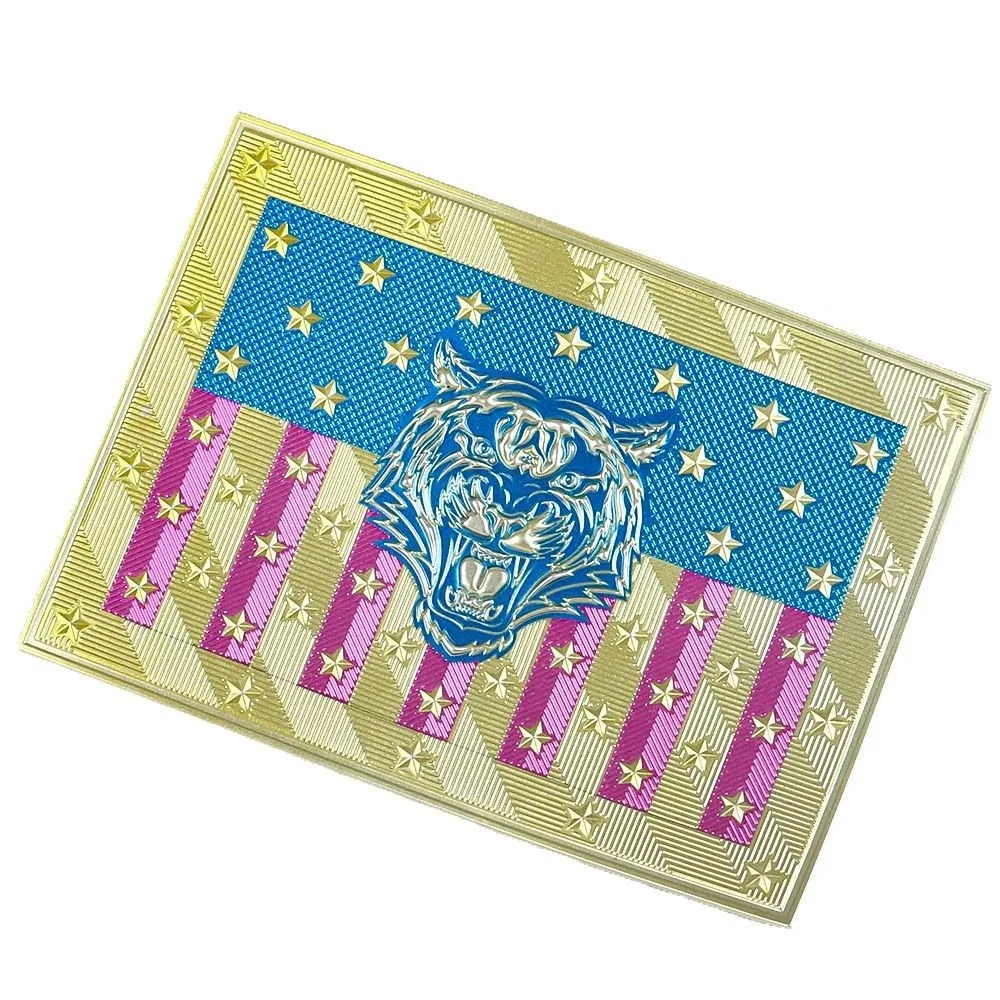
Recorded as TPU and fabric, 5 x 8 cm. Treat the textile element as part of the sample identity.
Record the garment code, fiber composition, knit or weave, finish, color, stretch direction, lining and construction around the placement. Identify whether the label sits on a flat chest panel, narrow hem, pocket, sleeve or another zone with restricted access. A test panel can be useful only when its relationship to the production garment is documented. Dark dyes, coatings, texture and multilayer construction may introduce questions that the word clothing does not answer.
Use the supplier or garment record, not a visual guess.
Note coatings, brushed faces or treatments known to the buyer.
Measure from stable garment anchors and map obstructions.
Show the primary stretch or fold direction near the label.
The approval covers the named label, garment, position and method. A changed input triggers review rather than silent reuse.
Name the press, platen or fixture, support arrangement, protective layers and operator. Check whether seams, fasteners or layered construction prevent even contact. Follow the project direction provided for the exact label; this guide deliberately supplies no universal temperature, pressure or dwell values. When a range or staged test is authorized, change one planned variable at a time and keep every specimen identifiable. Record cooling and release handling as carefully as the press step because the observation is incomplete if the carrier or protective layer is removed without a traceable sequence.
A trial ladder prevents several unrecorded adjustments from being confused with one successful setting. Establish the supplier-approved starting direction and the buyer's acceptance criteria before application.
Apply one labeled specimen exactly as directed and capture the full setup and immediate result.
If review calls for a change, adjust only the documented variable and issue a new specimen code.
Repeat the selected method on a representative garment to test repeatability before releasing production.
Judge the result against criteria written for the design and intended garment. Photograph the whole placement in consistent light, then make close views of the perimeter, relief and surrounding surface. A label can remain attached while alignment, distortion, gloss, marking or fine-detail appearance is unacceptable.
Check position, orientation, shape, relief, edge contact, color zones and carrier-release artifacts. Compare the result with the approved unattached sample.
Inspect surface change, impression, shine, puckering, dye behavior and movement around the label. Record only what the test actually shows.
Edge lift or an altered garment surface can come from several interacting inputs. Preserve the failed specimen and its complete record. Share evidence with the supplier instead of increasing heat or pressure by guesswork.
Was the correct label revision, construction and protective layer used?
Did garment material, finish, moisture, texture or contamination differ?
Did seams, platen size or support prevent uniform contact?
Were supplier direction, cooling and release handling followed and recorded?
The final record should remain understandable to a new operator or a future buyer. Include label code and revision, written material description, dimensions, garment code and placement, equipment, protective arrangement, supplier direction, trial date, photographs, observation criteria, accepted result and approval owner. State the exact scope released for production and what changes require retesting. Add quantities by label version, packing and destination to the quote request so the evidence and commercial order describe the same configuration. Use the custom TPU label guide to define the requested label, the clothing heat-transfer label guide to place it in a broader label program, and the silicone heat-transfer logo guide when comparing an explicitly quoted silicone direction. Do not transfer a test result between those constructions without new evidence.
These answers keep high-impression search language connected to verified labels and reproducible evidence. The current quotation and accepted test sample control the production application.
Treat HF TPU heat transfer label as a search phrase that must be translated into a written product specification. Confirm the actual material description, visible construction, backing, target garment and supplier-directed application for the selected reference.
This guide does not publish one temperature, pressure or dwell value because labels, garments, equipment and protective arrangements differ. Follow the direction supplied for the exact quoted label and validate it with a controlled sample.
Products 43, 44 and 46 have current MOQ 100. Their recorded materials and sizes are TPU silicone at 5 cm, TPU and silicone at 5 x 3 cm, and TPU and fabric at 5 x 8 cm, respectively.
Confirm specimen identity, garment surface, placement, equipment, support, protective layers, application direction, cooling and release handling before changing a variable. Photograph the complete edge and ask the supplier to review the traceable record.
Only the scope named in the approval should be released. If fabric composition, finish, color treatment, placement or garment construction changes, decide whether a new representative test is required.