


Design master
Authorized editable art and revision owner.
Translate garment demand into transfer demand without losing artwork version, size group, test allocation or destination. The final purchase quantity should be explainable line by line, not reverse-engineered from a rounded total after production starts.
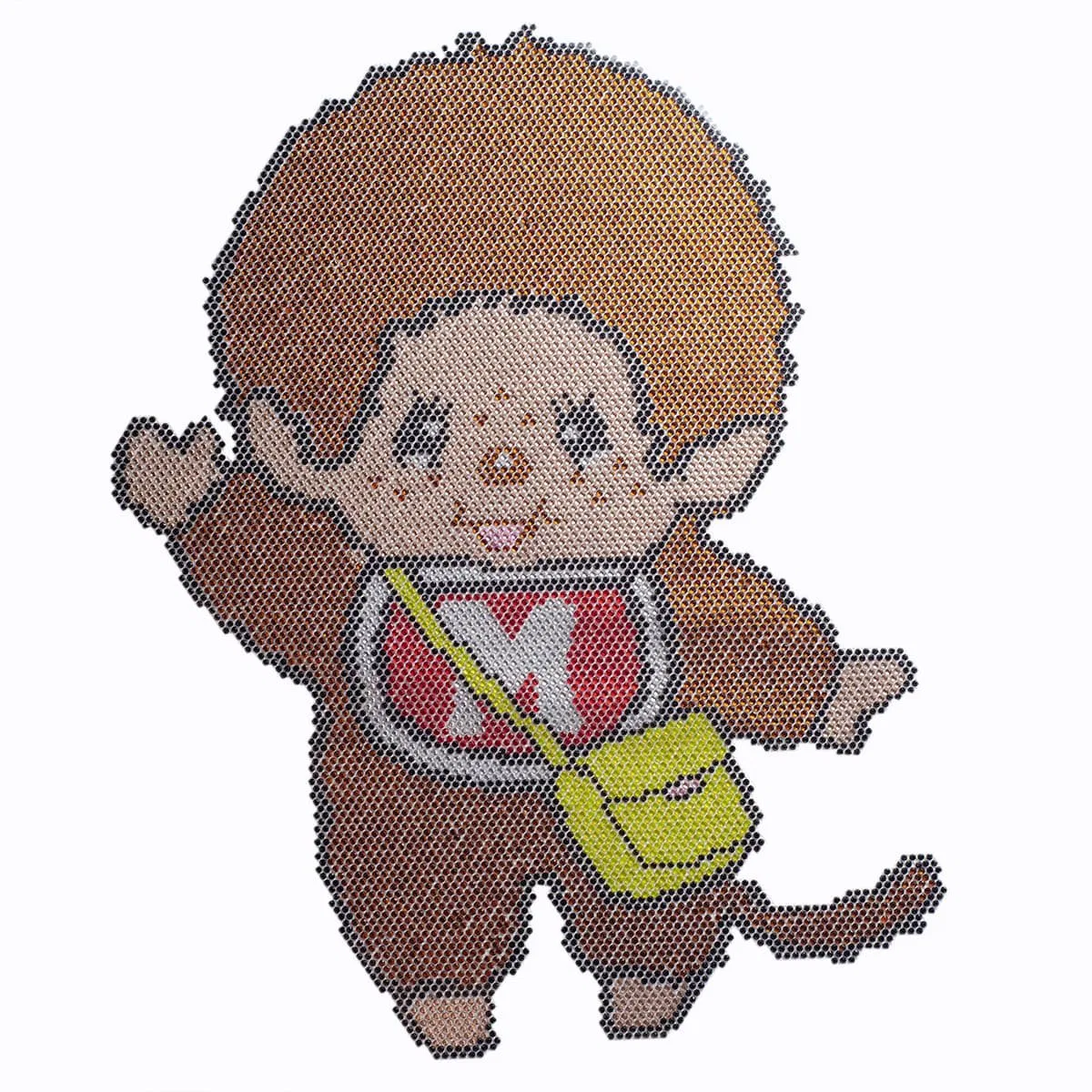
Use one controlled row for each garment style, color, size group, artwork version and destination. If two shirts look similar but use different placement or dimensions, they require separate transfer lines. Freeze the garment source quantity and mark the date of the snapshot used for purchasing.
A buyer preparing a wholesale order custom iron ons should not merge demand across designs until every row points to the same physical transfer specification.
Product 28 is Adhesive Rhinestone Transfers for T-Shirts and Hats, recorded at 20 × 18 cm with DMC rhinestones, MOQ 50 and code TB-B6638275B13E. Product 31 is Men's Hotfix Rhinestone T-Shirt Transfer, recorded at 30.2 × 30.2 cm with DMC rhinestones, MOQ 50 and code TB-64B86AE2A1E1. Their dimensions and identities must remain separate from Product 26.
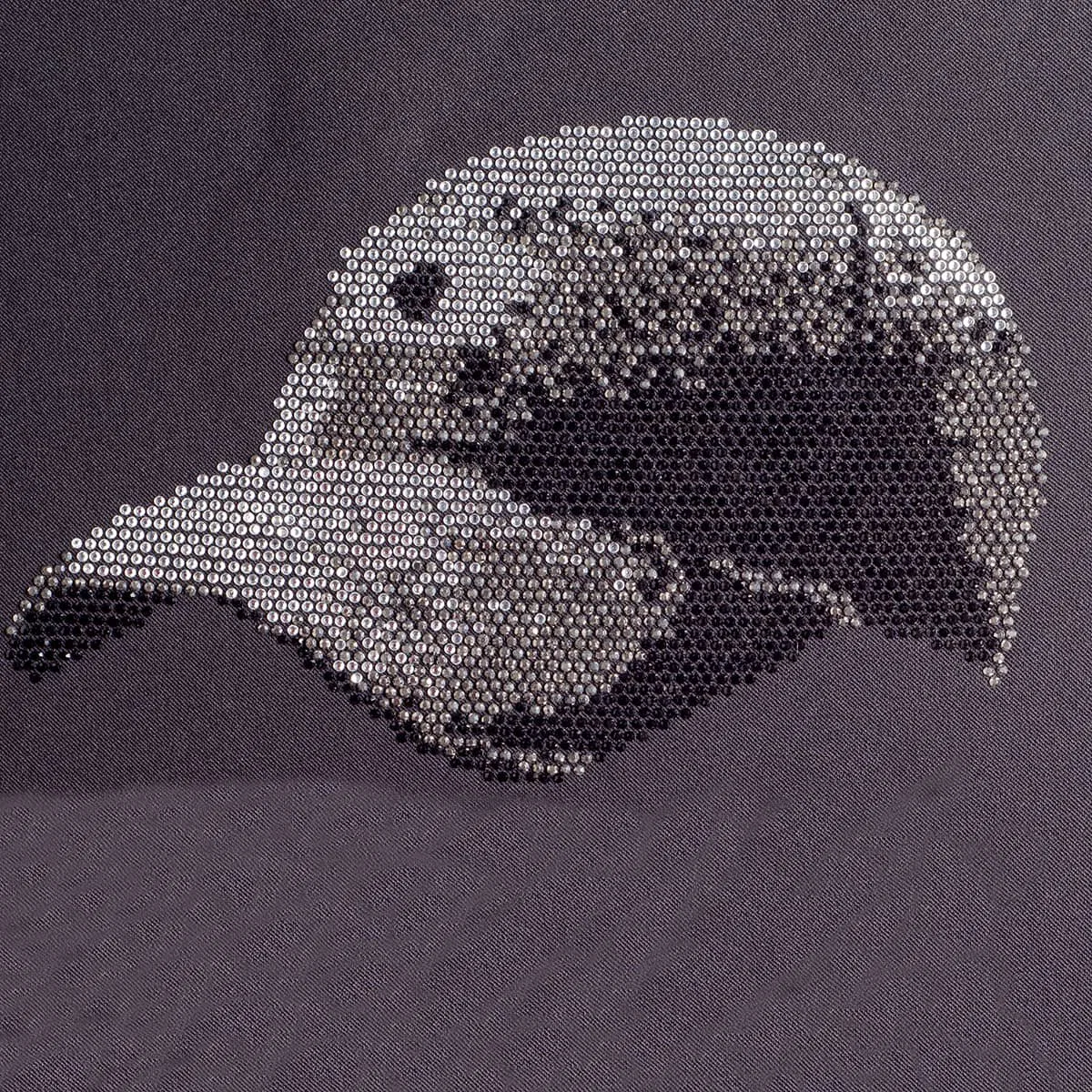

Open Product 26, Product 28 and Product 31 before citing any of them in the order.
Build a one-to-many map from approved artwork to production variants. A shared design may branch for garment color, finished size, placement or personalization. Each branch needs its own proof code and transfer quantity, even when the visible difference seems small.
Authorized editable art and revision owner.
Stone or print changes tied to exact blank colors.
Measured artwork groups assigned to garment ranges.
Production site, event, store or fulfillment split carried into packing labels.
Wholesale transfers for T-shirts should be counted by these branches. A bulk hotfix shirt design becomes auditable only when its visible proof code also appears in the quantity ledger.
The transfer MOQ planning guide addresses current minimums and allocation questions after variant demand is known.
Test units serve a different purpose from sellable or issue-ready garments. List them outside the production quantity so everyone can see whether they are applied before the run, retained as references or consumed at a decoration site.
Create named lines for substrate trials, buyer approval samples, operator setup and retained control pieces. Decide the project-specific quantity with the supplier and decorator; this page does not impose a universal allowance.
Record which artwork and garment version each test unit represents, then update its disposition after review.
Use the sample approval checklist to keep evaluated units from disappearing into ordinary production stock.
“Add extras” is not an adequate purchasing rule. Distinguish documented setup use, buyer service stock, decorator replacement stock and destination-specific contingency. Give each category an owner and state whether unused units remain with the buyer, factory or fulfillment site.
If the current quotation requires carton multiples or another rounding rule, show the calculation and resulting balance. Wholesale T-shirt transfers should never be padded by an unexplained percentage that changes from one worksheet to another.
A correct grand total can still reach the wrong place. Convert the transfer ledger into destination bundles before the packing instruction is released.
Production quantities grouped by artwork version and garment run.
Retained samples or comparison units labeled by revision.
Replacement allocation with separate count and custody.
Pack list, carton identity and receiving contact for reconciliation.
Use the transfer export packing guide for sheet protection and shipping records. Quantity planning owns the split; packaging owns how each approved split is protected.
These answers keep shirt demand, test use, additional stock and destination quantities visible as separate purchasing decisions.
Begin with approved garment demand by design, color, size group and destination. Transfer quantity should be derived from those controlled lines rather than from one undifferentiated shirt total.
List trial, approval or operator-setup units in separate rows with an identified purpose. Their quantity should be decided for the project and not hidden inside an unexplained overage percentage.
Products 26, 28 and 31 each record MOQ 50. Their database sizes are 30 by 21 cm, 20 by 18 cm and 30.2 by 30.2 cm respectively, and each has a distinct item code.
Give replacement or service stock a separate label and destination when applicable. The pack map should prevent it from being consumed as ordinary production quantity without a recorded decision.
Freeze garment demand, artwork revisions, size groups, color versions, test allocation, replacement allowance, pack destinations and any rounding rule required by the current quotation.