


Artwork identity
Confirm logo or motif lockup, orientation and revision. Keep the buyer-approved source beside the stone map so any interpretation remains visible.
A sample approval should remain understandable after the meeting ends. Teebling helps buyers identify artwork, transfer and garment inputs; this passport-style checklist connects those inputs to photographs, application evidence, revision status and a named decision before a wholesale configuration is released.
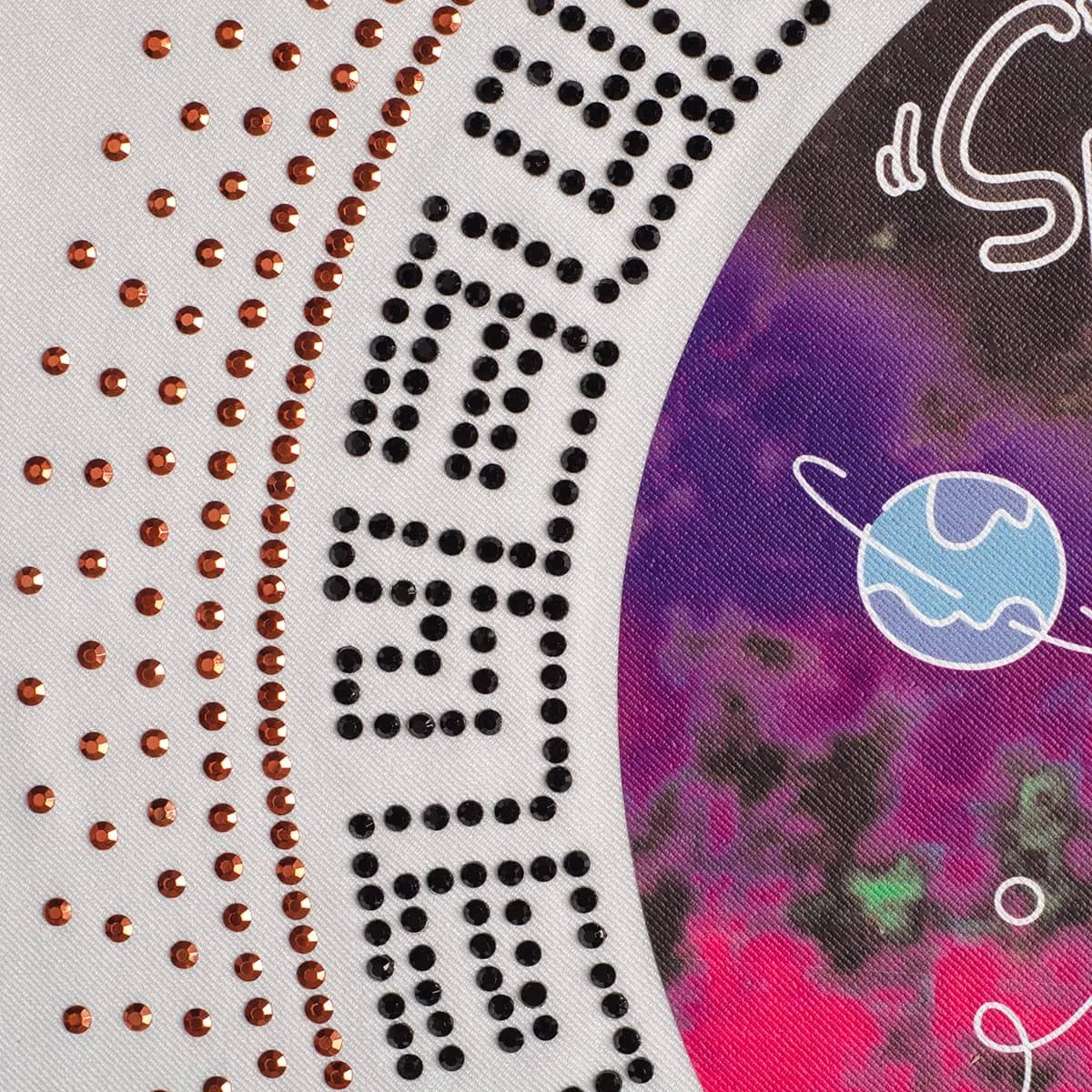
Begin the approval package with an identity that appears on the physical sample, photographs and decision record. A buyer should not have to infer which transfer “the approved one” means.
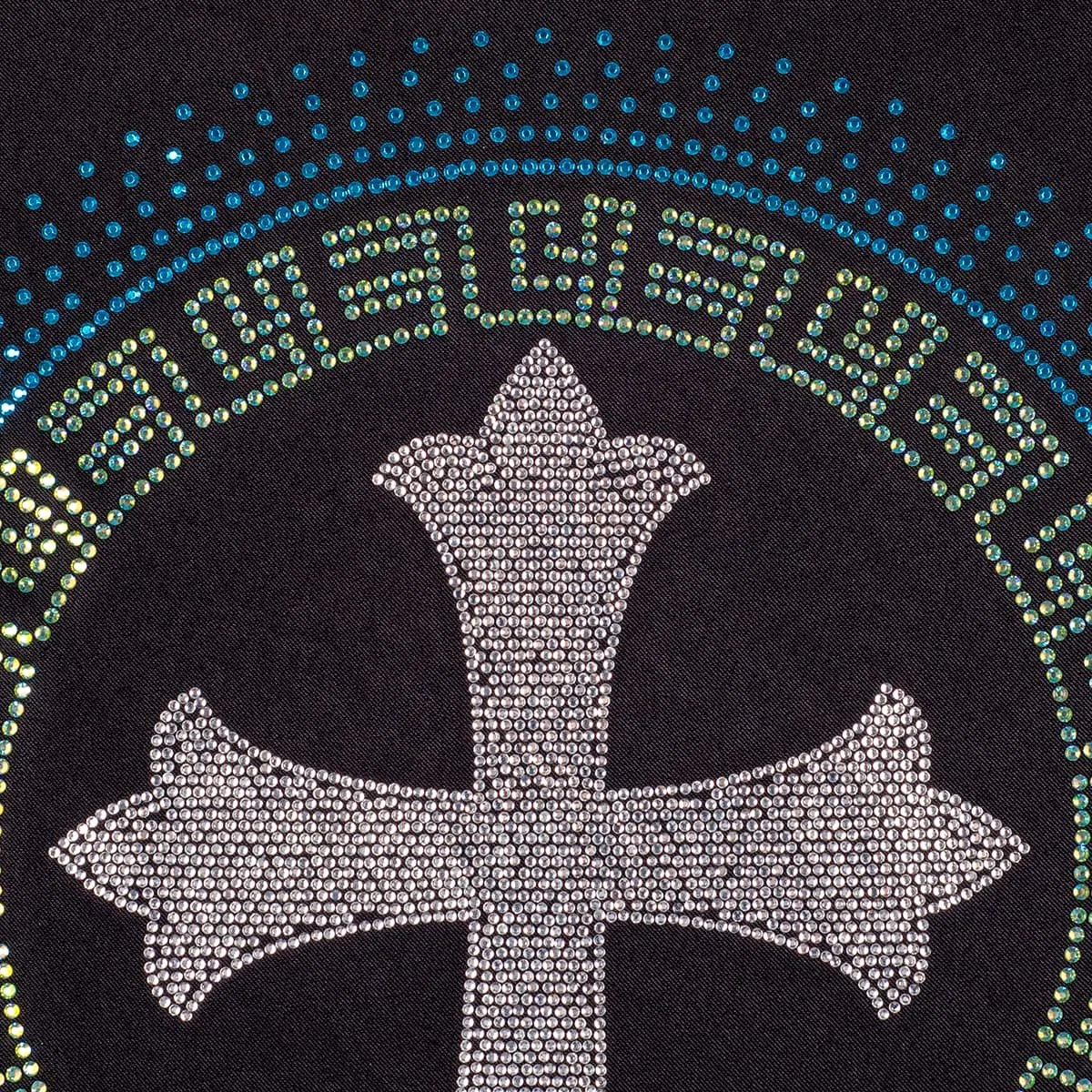
A stable buyer or project code unique to the physical evidence under review.
Product or configuration identity, artwork or map revision, finished dimensions and colorway.
Stone-layout direction, carrier or backing identity and any printed or other combined element represented.
Garment or fabric reference, color, placement and size shown in the applied sample.
Exploratory, proof review, application test, revised sample or final approval candidate.
Photograph the transfer before and after application where relevant. Include a label or slate in at least one image so downloaded files remain associated with the correct sample. Do not reuse an identity after construction changes.
The physical sample should be compared with the exact mapped proof, not with the earliest source artwork or a generic catalog image.
Confirm logo or motif lockup, orientation and revision. Keep the buyer-approved source beside the stone map so any interpretation remains visible.
Measure width and height using the buyer’s stated method. Identify whether the dimension refers to the stone map, carrier or overall patch construction.
Compare the physical transfer with the marked garment field. A correct dimension can still feel wrong when it is positioned against the product.
For a size family, state which garments the sample represents. If another transfer size is required, open a separate configuration and approve its map rather than scaling the reference informally.
Use the order’s own named references. This checklist does not invent stone specifications or claim performance beyond what the buyer can verify from the sample.
CP-01Visual referenceConfirm the stone or decorative component direction represented by the sample and link it to the active configuration.
CP-02Color zonesCompare named zones under the buyer’s relevant lighting and against the intended garment color. Record physical references, not only screen values.
CP-03Map rhythmReview rows, curves, spacing, density transitions and alignment at normal viewing distance as well as close range.
CP-04Negative spaceCheck counters, gaps and open garment areas that preserve lettering and motif recognition.
CP-05Outer silhouetteInspect boundary stones, isolated details and any narrow feature where one moved element can change the visual form.
The sample package should show how the mapped arrangement is supported before application and how the operator identifies orientation.
Record flatness, folds, curls, marks or visible changes with oriented full-sheet evidence.
Observe whether mapped elements remain in their intended positions through approved handling.
Identify center, top or segment marks and explain which guides are removed during application.
Show how the transfer or segmented set remains protected and tied to its configuration identity.
Carrier approval belongs to the exact construction shown. If the carrier, backing or segmentation changes, document a new sample rather than assuming the face approval covers the reverse and handling system.
A physical transfer is not fully approved for use until the buyer evaluates the actual or representative receiving product through a documented process.
Record transfer revision, garment or fabric, composition and finish information, placement, press and platen.
Capture the construction-specific temperature, pressure, dwell and peel or handling fields actually used without publishing them as universal settings.
Photograph placement before application, the full finished garment, close map areas and surrounding fabric.
Use the buyer’s relevant wear or care protocol and state which garment configurations the result represents.
Step back from the close inspection and review the decorated product as a customer or team member will see it. Approval should cover visual placement as well as the technical map.
Compare the artwork with garment landmarks, the intended viewing distance and the size represented.
Confirm that lettering, symbols, color zones and outer points read as the approved design.
Record shine, flattening, marks, distortion or another observable change without assigning an unsupported cause.
Inspect after the agreed cooling, peel and buyer-relevant evaluation stage, not only immediately when the press opens.
A sample may move through several proofs and application trials. Preserve what changed and why so final approval cannot be confused with an earlier candidate.
Name the exact feature and requested outcome; attach a marked image where location matters.
Connect revised proof and physical evidence without overwriting the prior decision record.
List artwork, size, colorway, garment, placement and construction represented, plus any condition that remains open.
These answers help a decision travel with its evidence. Sample approval still needs a separate commercial release covering the actual order.
Approve a uniquely identified sample tied to one artwork or stone-map revision, finished dimensions, color configuration, carrier or backing direction, receiving garment, placement and application trial. Avoid approvals that refer only to a photograph or an informal product name.
A proof is useful for artwork and mapping review, but it cannot fully show physical stone appearance, carrier handling, garment placement or application behavior. Use both digital proof and representative physical evidence for the questions each can answer.
Include an oriented transfer or carrier view, close map details, a full garment placement view, relevant reverse or surrounding-fabric views and any marked observation. Images should remain connected to the sample and test identities they represent.
Use numbered comments that name the exact feature, location and requested outcome. Issue a new revision or sample identity, preserve the earlier evidence and state whether the change requires a new map proof, application trial or both.
Record approve, revise or resample; the exact sample and proof identities; approval scope; any condition; the named reviewer and date. Production release should also confirm order configuration, quantities and packing rather than treating sample approval as a complete purchase specification.
Bring Teebling the source and mapped proof, sample identity, dimensions, color-zone references, transfer and carrier construction, garment application record, photographs, revision history and named approval. Add configuration quantities and packing needs when requesting the wholesale quote.