
Read Our Refund & Return Information
Process laboratory / application evidence

A Fabric-Specific Rhinestone Heat-Press Test

A credible application record begins with an exact transfer, garment and press—not a universal setting copied from another project. Teebling encourages B2B buyers to document the full test pair, conditions, observations and approval scope before a garment run is released.

Open the sample checklist
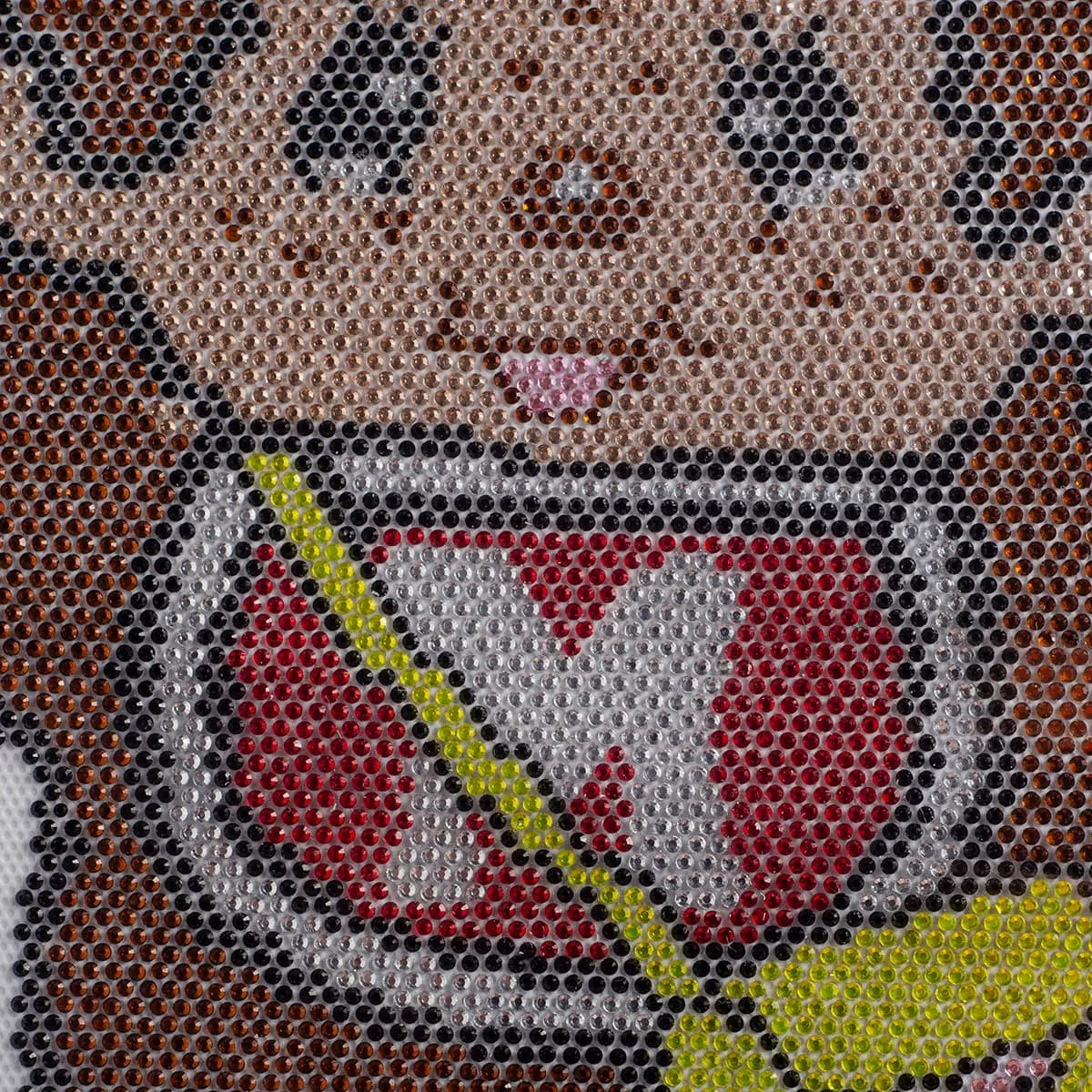
Rhinestone transfer garment sample used for a heat-press test record
TRANSFER + FABRIC + PRESS + PLATEN + OPERATOR + RECORDED CONDITIONS
Test-pair identity

Define the Exact Test Pair

A result is meaningful only when the team can identify the components it represents. Separate exploratory trials from the one submitted for approval.

INPUT / TRANSFER

Lock the transfer identity

Record item code, artwork revision, finished dimensions, stone-map and carrier identity. Photograph the transfer before application and note any handling condition that could influence the trial.

If the design, backing or carrier changes, issue a new test identity. A visually similar transfer should not inherit an earlier application decision without review.
INPUT / GARMENT

Lock the receiving surface

Name the garment or fabric reference, color, stated composition, construction, finish, intended placement and size represented. Include a physical swatch or product when possible.

Record coatings, stretch, texture, seams or layered areas that may affect equipment contact. The garment is part of the application specification.

Instrument cards

Record Press and Platen Setup

Two machines with similar displays may not create identical conditions. Preserve the equipment identity and how the garment was presented to the platen.

PRESS

Machine identity

Record the press reference, control mode and any relevant maintenance or calibration information available to the buyer.

BED

Platen geometry

Name the platen size and shape, and explain whether seams, collars or product layers enter the application field.

LOAD

Garment presentation

Document how the receiving area is supported and aligned without stretching or trapping unrelated construction.

OP

Operator record

Name who ran the test and note the sequence used to position, apply, cool, peel and inspect the sample.

Three-variable controls

Temperature Pressure and Dwell Fields

Record actual test fields without presenting them as universal public instructions. The accepted combination belongs to the exact transfer, fabric and equipment pairing.

T

Temperature field

Capture the set value, the buyer’s method for checking equipment condition and any observed instability relevant to the test.

Set value recordedEquipment identity linkedChange between trials noted
P

Pressure field

Describe how pressure is established on the identified press, including platen and product thickness context. Avoid reducing it to an unexplained label.

Adjustment method recordedGarment layers identifiedContact field observed
D

Dwell field

Record the applied duration and whether the sequence contains more than one stage. Link every variation to a new trial line.

Duration recordedSequence identifiedOperator action noted

When a result needs adjustment, change one field at a time where practical. This allows the reviewer to understand what changed instead of comparing two entirely different processes.

Handling sequence

Peel Method and Cooling State

Carrier removal is part of the tested workflow. Record the state at removal, direction and operator observations instead of assuming every transfer uses the same peel.

End of press

Identify when the equipment opens and how the garment is supported before movement.

Cooling state

Describe the agreed waiting or handling stage in observable terms tied to the construction guidance.

Removal direction

Record where the carrier is lifted, the direction of removal and whether the garment remains flat and supported.

Immediate response

Note any stone movement, carrier resistance, edge issue or visible fabric response before making a second intervention.

Heat-transfer backing and applied label reference used for application inspection
Backing behavior is construction specific; use the actual rhinestone transfer and garment for approval.
Evidence rail

Initial Adhesion Inspection

Inspect the sample after the prescribed cooling and handling stage. Record observations before deciding whether a corrective action or retest is needed.

Full map

Review whether the entire design remains in the intended position and whether any area shows a different result.

Edges and isolated stones

Check outer rows, narrow points and detached details that can reveal inconsistent contact or handling.

Carrier evidence

Photograph the removed carrier where it helps explain movement or a missing element.

Decision status

Mark the trial as exploratory, revise, retest or ready for the next buyer-relevant evaluation.

Compare the applied area with an untreated part of the same garment under consistent lighting. Use observable language and photographs rather than broad quality labels.

Placement

Confirm center, orientation, distances from garment landmarks and the full design silhouette.

Stone appearance

Review map rhythm, color zones, alignment and any element that moved from the approved arrangement.

Fabric surface

Note shine, flattening, marking, distortion or other visible change without turning one sample into a universal performance claim.

Reverse view

Inspect the corresponding garment area where relevant to the buyer’s construction and acceptance process.

Buyer observation plan

Wear and Care Observation

The buyer should define evaluation that reflects the garment’s intended use and published care context. Do not invent a universal cycle count or guaranteed result.

01

Movement review

Observe the decorated area through the buyer’s relevant flex, stretch or handling condition and record how the transfer and fabric respond together.

02

Care review

Use the buyer-approved garment care protocol, identify the sample and preserve before-and-after photographs under comparable conditions.

03

Post-review decision

Describe observed stone, edge, placement and fabric condition, then state whether approval applies to this exact pairing or requires another trial.

Revision loop

Retest and Revision Log

A failed or uncertain result is useful when the team can see what changed next. Preserve the original trial and issue a new line for every controlled revision.

LOOP / 01

State the observation

Name the affected location and visible result. Avoid vague comments such as “needs more heat.”

LOOP / 02

Choose one change

Identify the condition, handling step, transfer revision or garment input being tested next.

LOOP / 03

Run a new identity

Record the complete pair and conditions again, even when most fields remain unchanged.

LOOP / 04

Compare evidence

Use matched photographs and an explicit decision to explain whether the revision addressed the observation.

Laboratory questions

Buyer Questions About Rhinestone Heat-Press Tests

These answers reinforce a fabric-specific method. Final conditions and acceptance belong to the documented transfer, garment and equipment pairing.

Does Teebling recommend one heat-press setting for every rhinestone transfer?

No universal setting should be published for every transfer, fabric and press. Application conditions depend on the actual construction, receiving material, equipment and workflow. Establish the accepted fields through a controlled, documented test for the specific pairing.

What identifies a complete heat-press test pair?

Record the transfer item and revision, carrier identity, garment or fabric reference, composition and finish information supplied by the buyer, placement, press and platen, operator, date and the conditions actually used. Photographs should remain linked to that same record.

Why should pressure be documented as well as temperature and time?

Application is affected by the complete equipment setup, not one displayed number. Record how pressure was established on the identified press, along with platen and garment presentation, so the accepted trial is not reduced to an incomplete setting.

When should a test be repeated?

Retest when the transfer construction, garment material or finish, press, platen, placement method or other approved condition changes. Retest is also appropriate when observations are inconclusive or a revision attempts to correct a documented issue.

What evidence should travel from testing into approval?

Retain the exact test-pair identity, recorded fields, full-placement and close photographs, initial observations, buyer-relevant wear or care review, decision, revision history and approval scope. Separate exploratory trials from the accepted application record.

Approval record

Bring the Test Record to Approval

Share Teebling the transfer and garment identities, press and platen, recorded fields, placement, photographs, observations, retest history and approval scope. That evidence supports a clear wholesale conversation without substituting generic settings for a real trial.

Open the QC checklist

Connected approval guides

Welcome Guest!