


Artwork revision
A new word, icon, date, place name or logo arrangement is a distinct design. Even a small text change should carry a new revision so the approved file remains traceable.
Plan a rhinestone transfer order by the specifications Teebling must actually review, not by one attractive grand total. Artwork, finished size, color direction and construction can turn a campaign into several unique commercial lines. This guide helps wholesale buyers organize garment demand, samples, launch quantities and reorder thinking before asking for current item-level minimums. It does not publish or imply one universal MOQ; it creates a transparent worksheet for a project-specific quote.
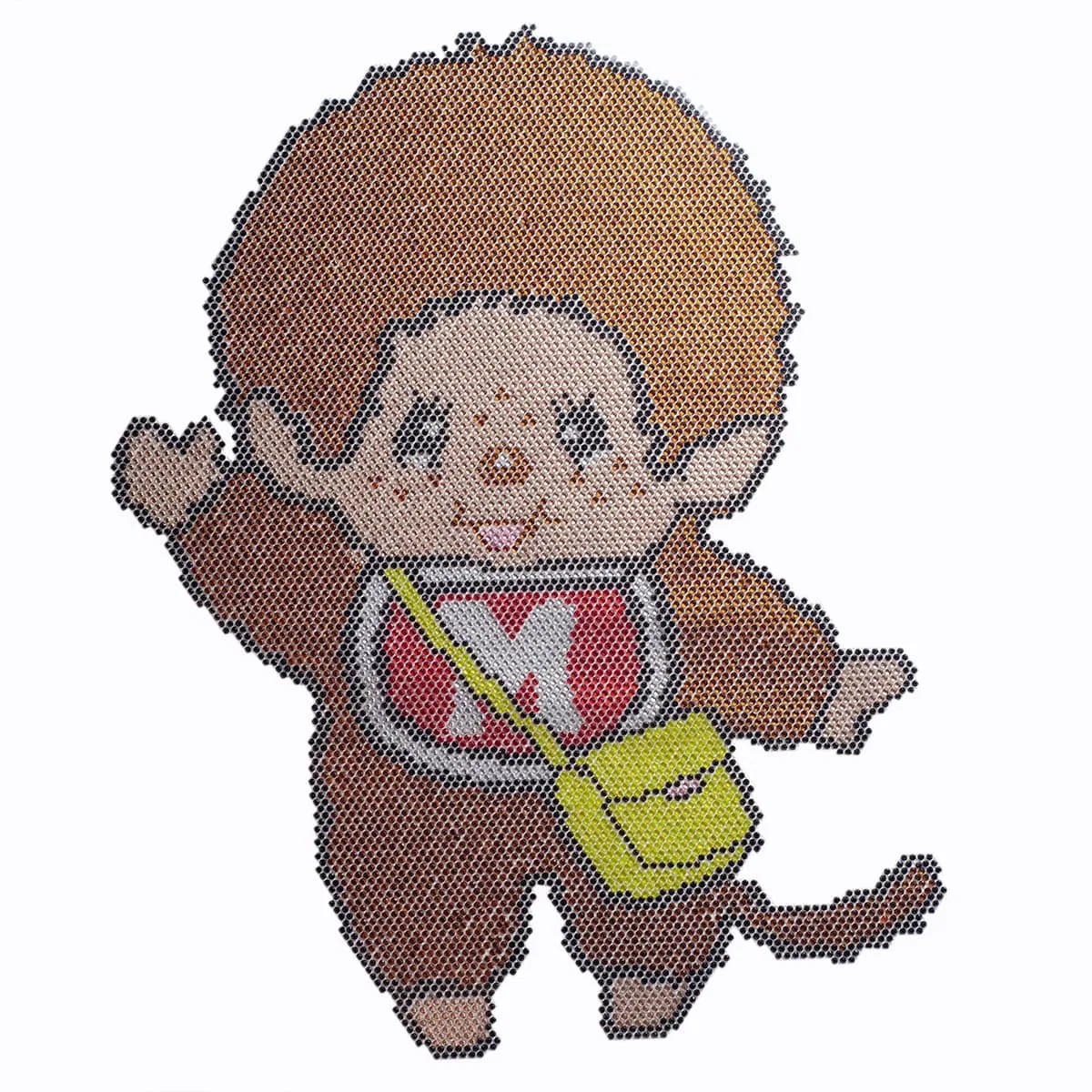
A quantity has meaning only when it belongs to a defined item. If a transfer changes in a way that affects artwork or physical production, keep it separate until Teebling confirms how the quote can be grouped.
Use a project code, artwork name, revision, finished width and height. The same label belongs on the mockup, sample notes, quantity worksheet and eventual packing request.
Record the crystal color direction, carrier or construction request, target application and any packaging difference. A buyer should be able to explain exactly what remains the same when two quantities are combined—and exactly what changes when they are not.
Do not hide complexity inside “assorted.” Split the order into rows that can be quoted, approved, counted and packed without guesswork.
A new word, icon, date, place name or logo arrangement is a distinct design. Even a small text change should carry a new revision so the approved file remains traceable.
The same motif in chest, sleeve and youth scales should be listed separately. Physical resizing can change detail and may require its own sample review.
If colors move to different artwork areas or a garment color receives a new transfer palette, create a separate row and quantity.
Different material, carrier, printed component or other specification direction should not be merged merely because the visible logo resembles another line.
Transfers bound for separate decorators, locations or launches may need different bundle labels and carton groups. Include that split before the quote, not after the order is packed.
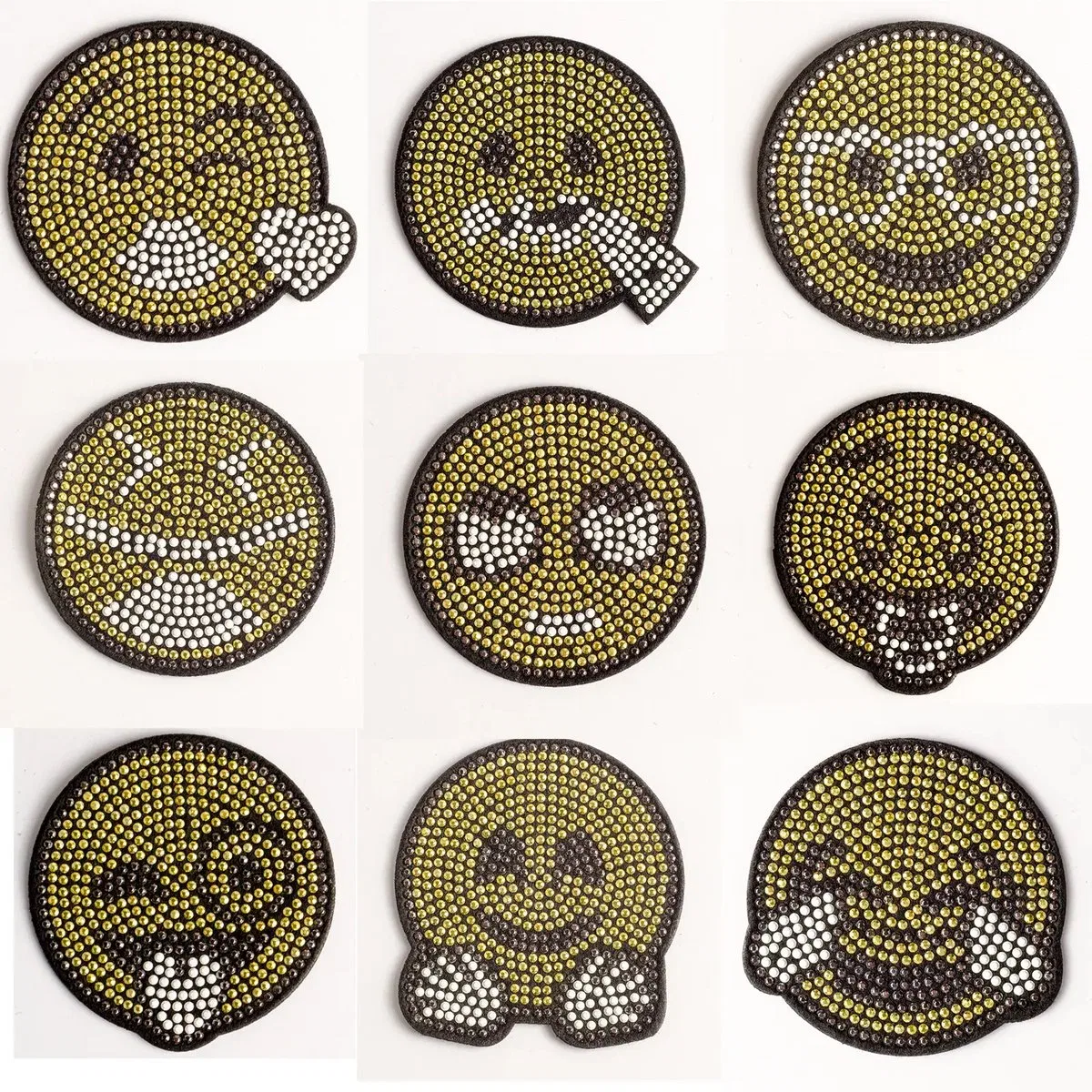
A product page or prior order can help identify a transfer family, but it does not establish current MOQ, price, material availability or production timing for a new specification. Quote the product URL or item code as a reference, then state every requested change. Ask Teebling to return item-level terms in writing so buyers can compare the real line list.
Development pieces and commercial units solve different problems. Keep their purpose, count and commercial treatment visible in the request.
Confirm the named design, finished dimensions and crystal map before a physical sample is treated as the target.
Ask what sample is proposed for the unique line and how its cost, shipping and later order relationship will be handled.
Reserve representative transfers and fabric or garments for application review. Record the tested combination separately from saleable inventory.
Identify who receives, photographs and signs off the sample. Retain the approved record for comparison during production and reorders.
Build the transfer quantity from products that will actually be decorated. A buyer-controlled allowance can be added, but its purpose should be stated rather than buried inside a rounded number.
List every T-shirt, hoodie, hat, bag or accessory receiving the transfer.
Map each garment color to the correct transfer palette and artwork revision.
Use garment size totals when the transfer scale stays constant; split rows when artwork size changes.
Count front, back, sleeve or other decoration positions as separate transfer needs.
Identify units reserved for setup, representative testing or buyer approval rather than retail sale.
Add only an intentional allowance and label whether it supports handling, replacements or a planned reorder bridge.
Create one row for every unique transfer line and make the demand calculation auditable. The worksheet should connect commercial quantity to garments, placements and controlled allowances.
Keep the working formula in the sheet. If the requested total changes during negotiation, revise the source rows as well as the final number so the launch and reorder record remain aligned.
Send the complete worksheet even when asking whether lines can share commercial treatment. Teebling needs to see the true variations before confirming what can or cannot be grouped.
Attach the named artwork and measured placement mockup for every design.
List finished dimensions instead of labels such as small, regular or large.
Show quantity by line and also provide the project total for commercial context.
State the target garment or product and whether an application trial is needed.
Identify bundle labels, destination splits and any launch-specific packing.
Ask for current item-level quantity requirements, inclusions and written alternatives.
Use the Teebling quote request to send a project summary, artwork files and the line-by-line quantity worksheet. Explain which launch assumptions are fixed and which commercial alternatives you are willing to review. The response can then address the current specification rather than an undefined idea of “bulk transfers.”
These answers support worksheet preparation. Teebling confirms current commercial terms only after reviewing the individual transfer lines and requested order.
Do not assume one universal minimum. Commercial terms can depend on the individual design, finished size, materials, color direction, packing and current production review. Submit each unique transfer line and ask Teebling to confirm the current item-level requirement in writing.
Treat any change that affects artwork, physical dimensions, crystal layout, color map or specification as a separate line until Teebling confirms otherwise. A clear split prevents an attractive total quantity from hiding several small, technically different requests.
List development samples, approval pieces and the intended commercial order separately. The quote should explain what is included at each stage rather than allowing sample needs to be inferred from the launch quantity.
Start from planned garments by style, color and size, assign one transfer to each decoration location, then add only a buyer-approved allowance for decoration setup, handling or replacements. State every assumption so the worksheet can be reviewed and revised.
Send named artwork files, finished transfer dimensions, color direction, target product, quantity by unique line, packing preference, destination and requested timing. Teebling can then discuss current terms against a specific order rather than a generic motif category.