


Known reference
- Thread badge face
- Recorded 5 x 6 cm
- Minimum order: 100
- Product ID 12
Heat-seal, low-melt, sticky and sew-on language describes requested directions, not guaranteed features of every badge. Separate the embroidered face from its proposed attachment, then approve the complete badge-and-garment pairing through a documented sample.
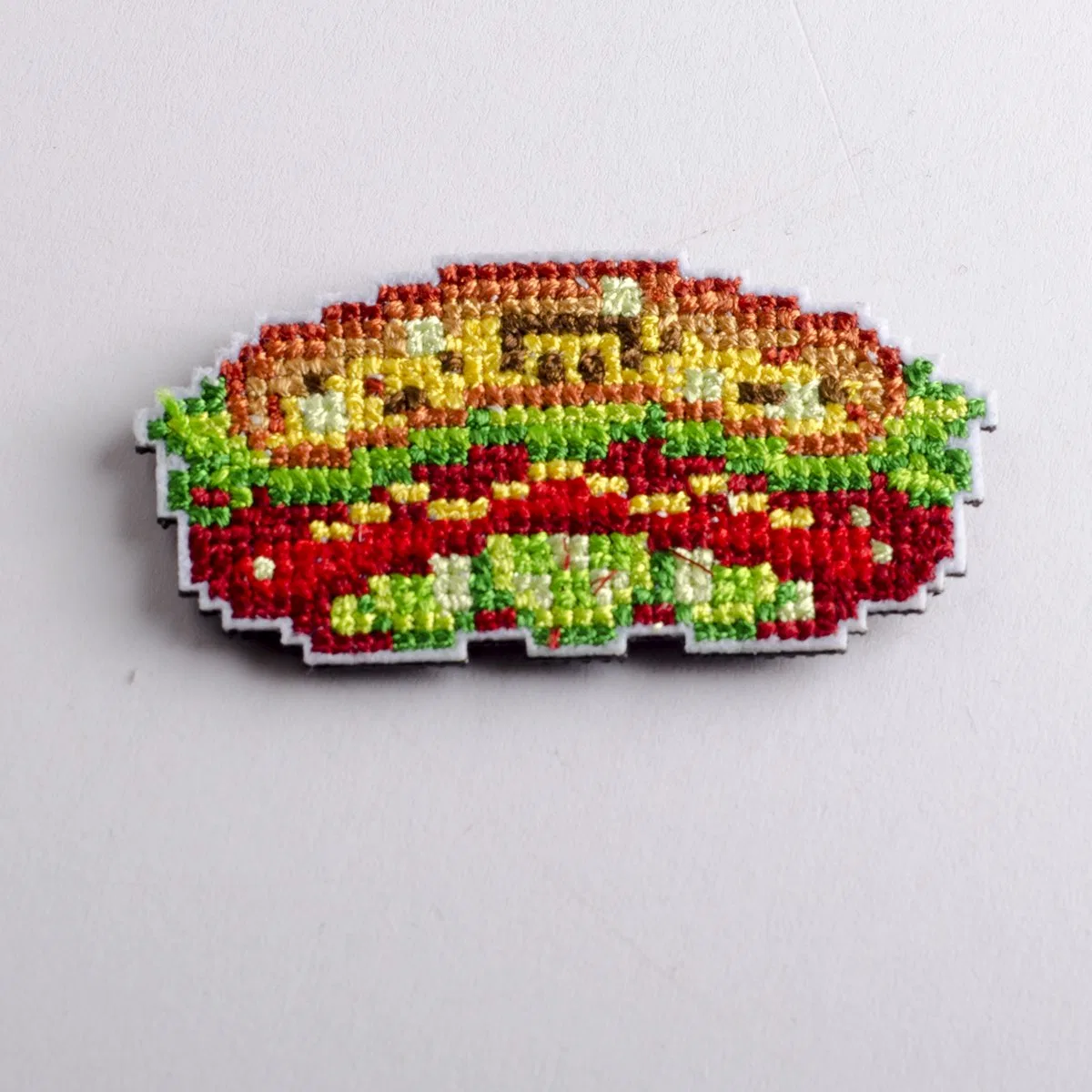
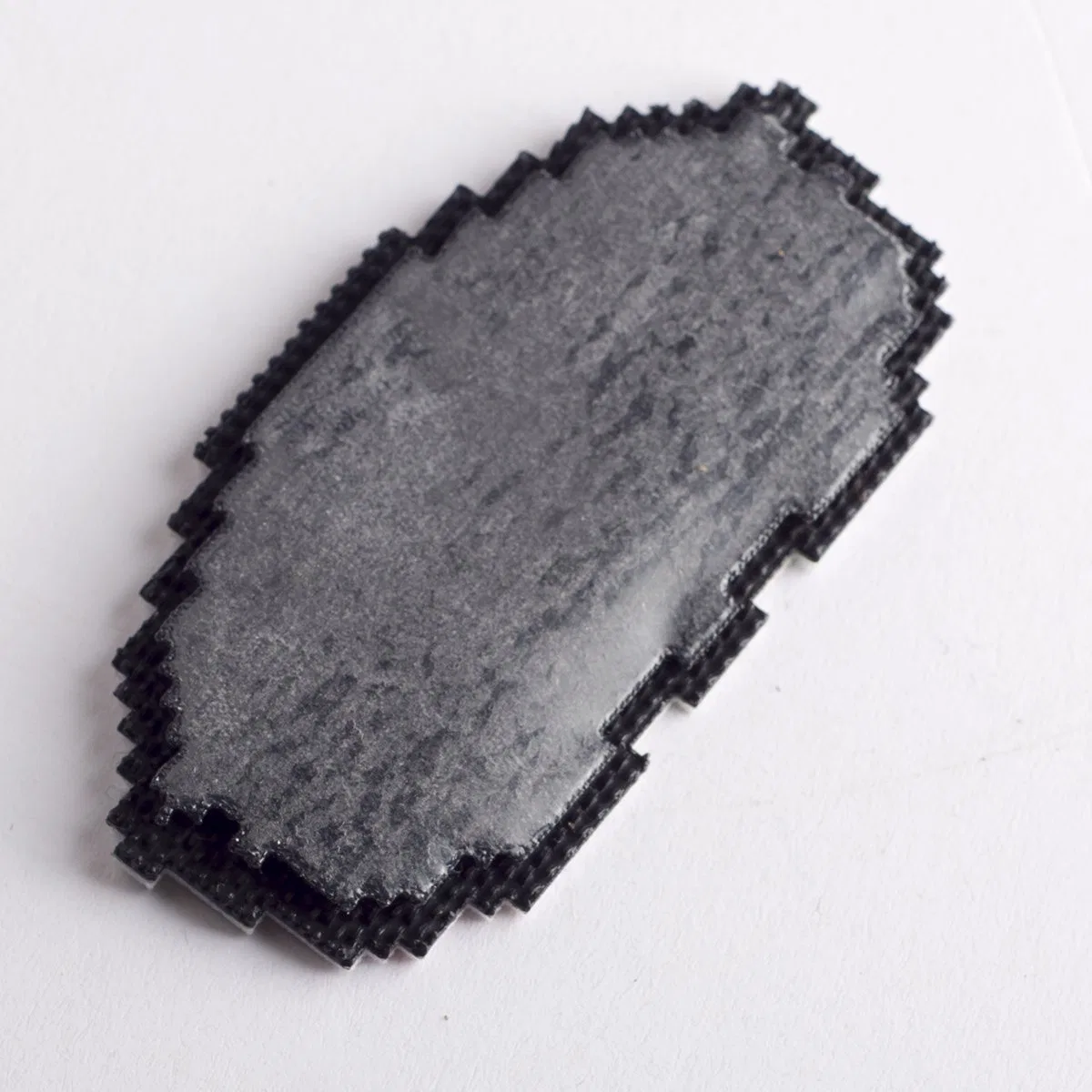
SKU TB-2FEE31D63C73 is the concrete visual reference for this comparison. The database names it Embroidery Garment Badge for T-Shirts, records thread as its material, gives a 5 x 6 cm size and sets the current minimum order at 100 pieces. The record does not identify sticky, low-melt, heat-seal or sew-on backing. That absence matters: search terms are useful questions, but they cannot be converted into product facts. A quote must name the exact requested reverse construction and a representative sample must show how the finished assembly behaves on the selected garment.
Backing material, adhesive system, application process, pressure-sensitive purpose, sewing clearance, garment compatibility and care behavior remain order-specific. Put each item into the request and wait for written confirmation.
A useful comparison starts with the buyer's assembly goal. Do not select a word because it sounds stronger, easier or more permanent. Define the receiving garment, intended production step and acceptable evidence, then ask Teebling which quoted construction can be reviewed for that purpose.
Fiber content alone does not describe texture, coating, stretch, padding, seams or access behind the placement. Submit the actual garment specification and a photo of the intended zone. If a representative panel is used, record how it matches the production item. A backing trial on one fabric should not be presented as approval for every shirt, jacket, cap or bag in a collection.
Check show-through, surface marking, hand and support under the chosen placement.
Observe how a relatively stable embroidered badge interacts with movement and recovery in the surrounding fabric.
Map seams, lining, padding and limited platen or sewing access before choosing the assembly route.
Write badge revision + backing sample + garment code + placement + method on the same record. Without those identities, a result cannot be reliably reused.
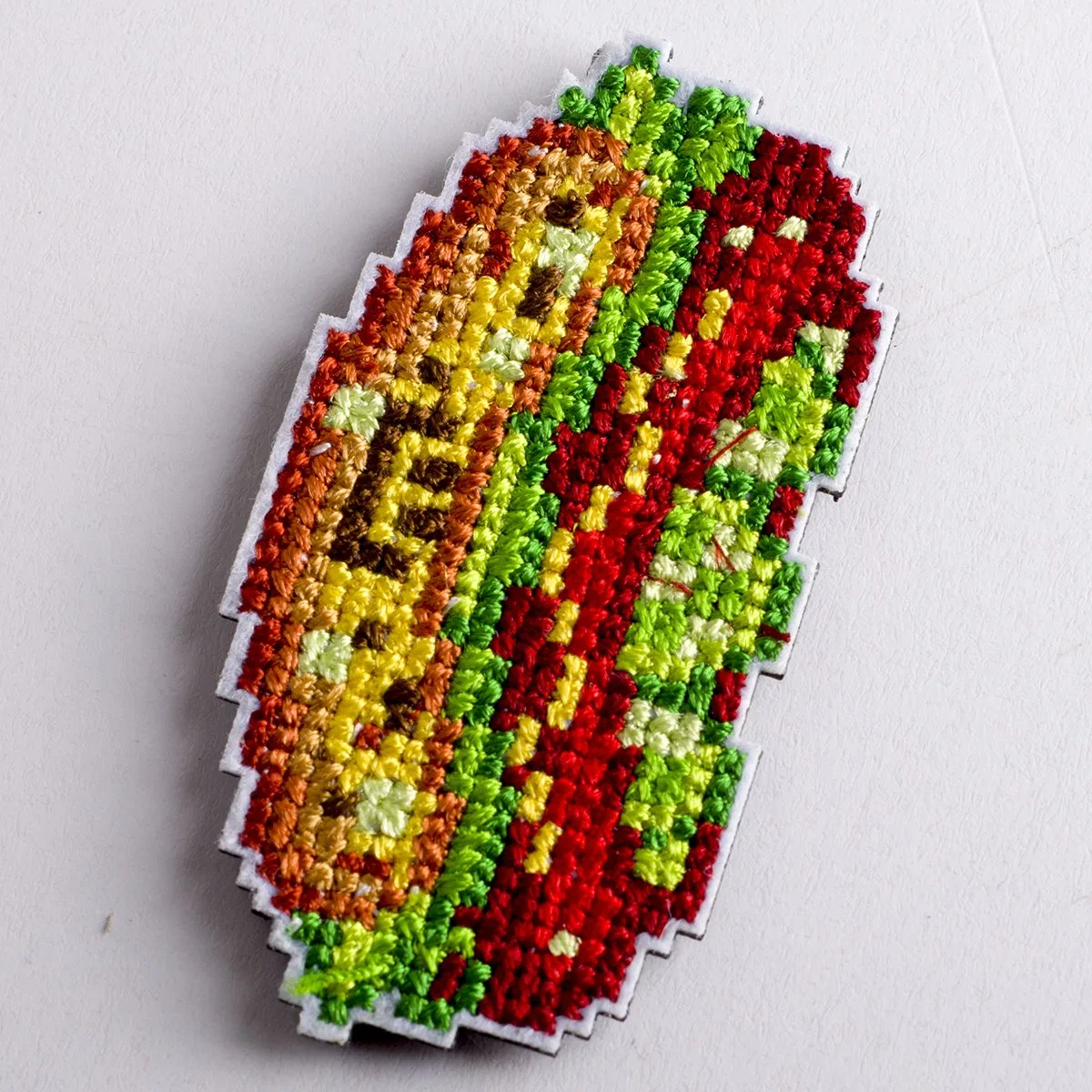
Approve artwork at the real 5 x 6 cm reference scale or the custom dimensions stated in the quote. Inspect spelling, narrow counters, small linework, stitch coverage, thread colors and the complete border. The border affects sewing clearance, visible perimeter and how the badge meets the garment. Mark any areas where a reverse layer must stop short of an edge or needle path as a request for supplier review. Preserve the authorized source file and a dated production interpretation; a large screen preview is not proof that small embroidery will remain legible.
A backing comparison is credible only when the badges and garments are traceable. Follow the supplier's project-specific direction, document the equipment or sewing arrangement and keep all observed changes. If a method fails, diagnose identity, garment, placement, support and procedure before making uncontrolled adjustments.
Assign a code to every backing candidate and keep face/reverse photographs before assembly.
Capture material information, finish, construction and exact badge coordinates.
Record approved press direction or sewing path, operator, equipment and protective layers.
Note alignment, edge contact, garment marking, face distortion and the buyer's selected care observations.
A badge can look correct from the front while its perimeter, reverse or surrounding fabric reveals an unresolved issue. Establish acceptance criteria before comparing samples. Use the same viewing distance, lighting and garment support for each candidate, and state whether a result is approved, approved with conditions or rejected.
Verify dimensions, orientation, stitch translation, border continuity, puckering, edge lift and any visible backing. Photograph the full badge and a close view with a scale reference.
Where accessible, inspect attachment coverage, stitch path or reverse condition. Look for unwanted marking, distortion or color change on the garment around the placement.
The final decision should identify badge artwork, dimensions, thread and border direction, exact backing construction, receiving garment, placement and accepted application record. If multiple garments are included, list which configuration applies to each. Variants that look similar but use different backing or border treatments need separate bundle identities and reorder references.
Evidence matches the written criteria for the exact badge-and-garment pair.
A defined artwork, construction or application change requires a new labeled sample.
Missing identity, undocumented conditions or a material mismatch prevents release.
Send authorized badge artwork, finished dimensions, thread and border references, garment specification, measured placement, requested backing directions, quantities by variant, packing and destination. Quote TB-2FEE31D63C73 when the 5 x 6 cm thread badge is the relevant visual reference, but explicitly state that the backing must be confirmed. Ask Teebling to describe available construction, representative testing, sampling and current commercial terms. For adjacent decisions, review the custom embroidered patch guide for face and border inputs, the embroidered heat-transfer badge guide for application planning, and the hook-and-loop patch guide when removability is a real buyer requirement. These are separate requested configurations, not backing claims for TB-2FEE31D63C73.
The answers below keep comparison language tied to confirmed construction and garment evidence. They are not substitutes for a project quotation or an accepted physical sample.
The product record for SKU TB-2FEE31D63C73 identifies a thread badge at 5 x 6 cm with a 100-piece minimum. It does not record a specific backing, so sticky, low-melt, heat-seal and sew-on directions must be requested and confirmed rather than attributed to that reference.
Those terms should not be treated as interchangeable without a supplier definition. Ask for the exact quoted backing construction, application direction and representative garment trial for the requested project.
Search wording such as embroidered garment badge heat seal, embroidered garment badge low melt or embroidered garment badge sticky describes a requested direction rather than a proven construction. Define the use and obtain written evidence for the quoted badge.
That depends on the finished construction, border, sewing path, garment and supplier recommendation. If stitching is part of the plan, show the intended stitch clearance and request a sample that represents the complete assembly.
Identify badge revision, garment, placement, requested backing, equipment or sewing method, trial conditions, face and reverse photographs, edge observations, care checks chosen by the buyer, decision and approval date.