


Anchor
Define emotion, proportion and edge treatment.
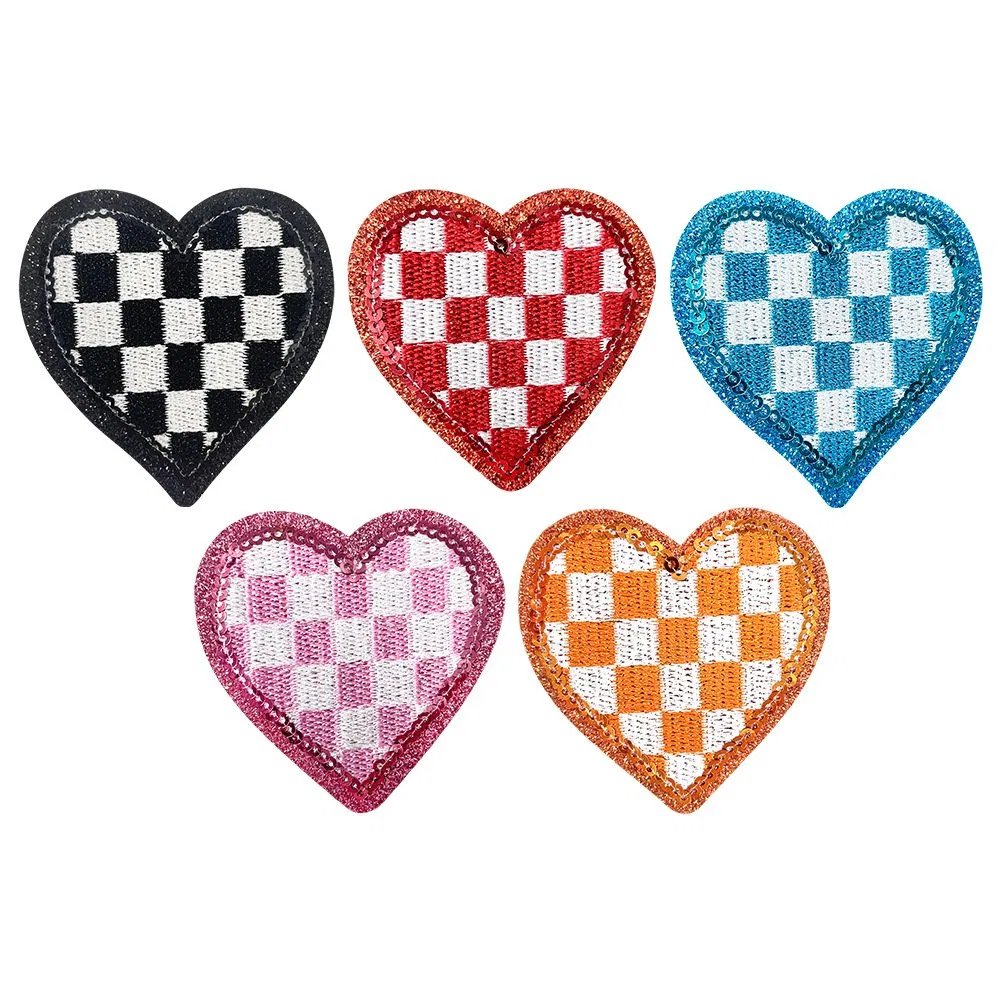
Build a coordinated trio without flattening every symbol into the same treatment. The heart carries warmth, the star signals emphasis and the lightning bolt supplies motion; each still needs its own outline, decorated face, reverse, attachment and quantity approval.
Define where the trio will appear and what the shopper should read first. A heart can anchor a romantic capsule, a star can mark achievement, and lightning can introduce energy, but those meanings change with color, outline and placement. Name the garment or accessory, intended patch location, viewing distance, background color, quantity per symbol and whether the three pieces sell individually or together. Supply artwork you own or have permission to reproduce; generic shapes must not conceal an unauthorized team mark, character or luxury pattern. Write the request as a heart star embroidered patch family with independent codes instead of one ambiguous “mixed shapes” line.
Define emotion, proportion and edge treatment.
Choose point count, balance and interior field.
Control angle, corners and direction.
Lock scale, palette, ratio and label logic.
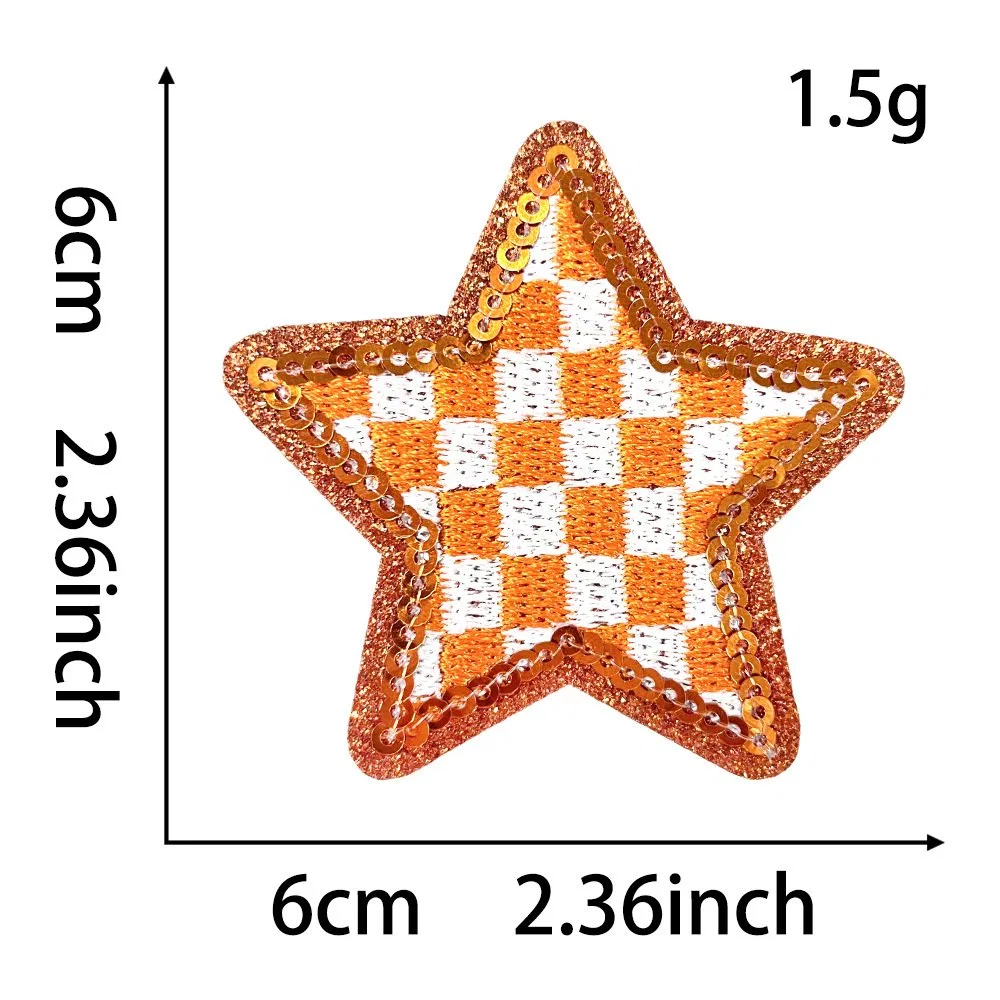
Product 25 is named Leopard Heart, Star and Lightning Sequin Patches. Its stored item code is TB-459456E49051, material is Thread embroidery, reference size is 2.4 by 2.36 inches and recorded MOQ is 100. The name supports a sequin-themed inquiry, but the structured material entry does not identify sequin type, base fabric, backing or attachment. Ask Teebling to document the complete proposed construction for the current SKU before the buyer writes a specification. The three copied views below belong to that same product source and help frame visual questions; they do not add unrecorded performance or component claims.
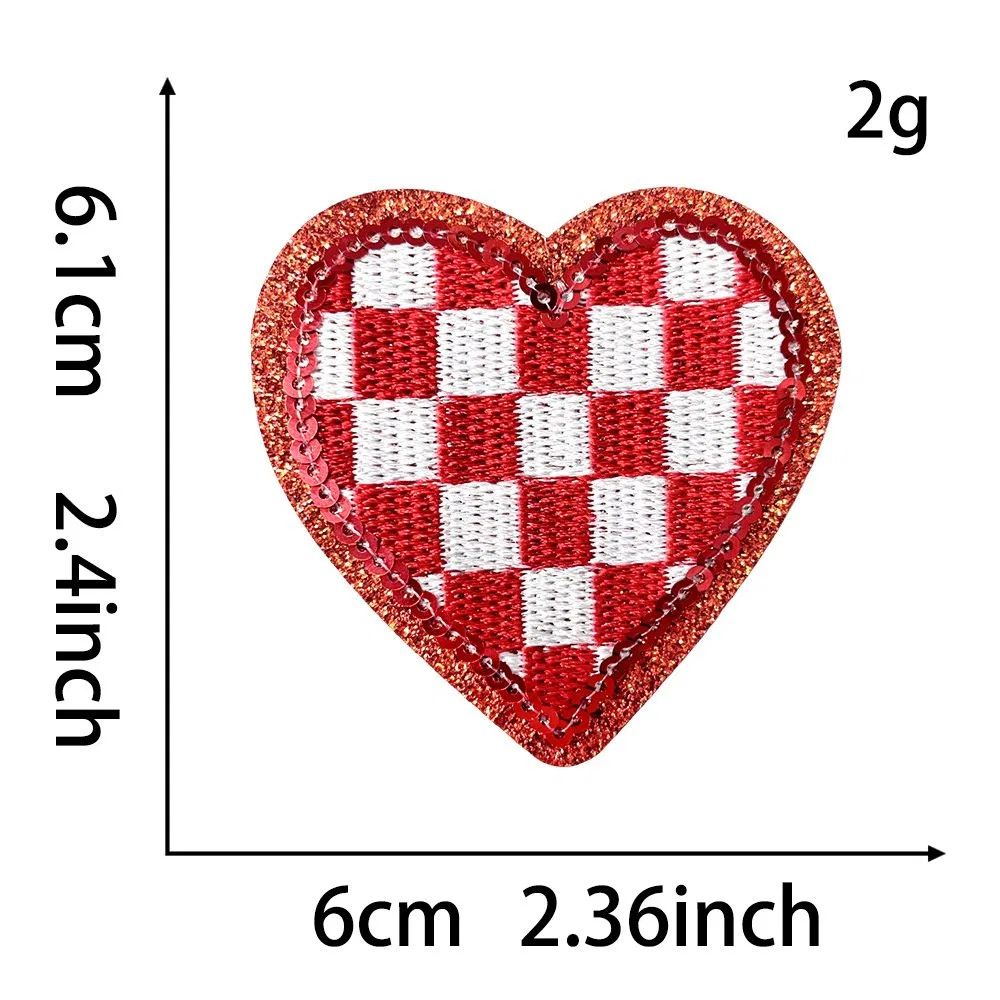
Specify whether the heart should be balanced, hand-drawn, elongated, tilted or deliberately irregular. Mark the central notch and lower point as critical silhouette zones because excessive rounding can make the motif read as a generic blob. If leopard-inspired patterning is requested, supply owned artwork and color references; the words leopard print patch do not define spot scale, spacing or palette. Review the pattern at actual patch dimensions and prevent decoration from erasing the outer heart. Compare rather than combine specifications with Product 16, which records a different thread-embroidery heart, code TB-65DA4FC5D5C9, 2.3 by 2.5 inches and MOQ 100.
Outer curve + notch depth + lower point + print ownership + interior scale + garment contrast.
State the exact number of points and whether the star is upright, rotated, compact or stretched. Supply a dimensioned outline rather than a small raster preview. At sample review, check that points remain distinguishable, inner valleys do not fill unintentionally and the decorated field stays centered. If the search brief mentions patches hot melt adhesive star, treat that wording as an attachment request, not evidence about Product 25. The product row does not specify hot-melt backing. Ask for the proposed reverse construction, application directions and a trial on the actual substrate. Star adhesive patch planning provides a separate decision path for that application question.
A lightning bolt can lean left or right, use two or several turns, and terminate in sharp or softened corners. Draw an orientation arrow and identify the top so packing and garment placement do not reverse the intended motion. Review narrow necks, inside corners and exposed tips for the proposed size, while retaining the buyer-approved character of the line. Decide whether the face uses one field, a contrast border or a patterned insert; number those zones separately. If the bolt shares colors with the heart and star, compare physical samples under the same light. Avoid unsupported durability or snag-resistance promises. Instead, define a handling observation and garment trial appropriate to the proposed construction.
Top arrow → primary bend → narrow neck → terminal point → border field → approved reverse.
Create a three-view proof for every symbol. The front should identify decorative regions, thread fields, outline and any intentional exposed base. The edge view records thickness, border behavior and corner finish. The reverse view identifies the backing proposed for the exact SKU. Because Product 25 stores Thread embroidery but does not detail every face component, request a bill-of-material description suitable for buyer approval without guessing from the title. If a tiger sequin patch is used as a construction comparator, keep its separate facts visible: Product 13 records sequin bead and thread embroidery, 9.92 by 8.82 inches, MOQ 50 and code TB-5A1B0AF85E24.
Map fields, colors, border and accepted visual variation.
Review points, corners, thickness and finish.
Identify construction and application evidence.
Connect each view to SKU and sample revision.
Code heart, star and lightning as individual line items even if they ship as one collection. Record dimension, colorway, front revision, backing confirmation and destination per code. Then create an assortment sheet with requested quantity and pack ratio. Product 25 records MOQ 100, but the database does not explain whether that minimum applies per symbol, per color or to a combined commercial line. Obtain a current quotation for the proposed split. Define a substitute rule, protective packing request and inspection sample count without claiming universal tolerances. The private label sample approval guide keeps the signed physical set distinct from purchasing allocation, and sequin patch sourcing offers additional category context.
These responses keep the product name, structured material field, motif artwork, attachment request and set quantities in separate approval lanes.
Its name says Leopard Heart, Star and Lightning Sequin Patches, while its structured material field says Thread embroidery. Confirm the complete face, base and reverse construction before ordering.
No attachment field establishes that for Product 25. Request the exact backing and supplier application guidance for the selected SKU and intended substrate.
The database does not state an assortment ratio or combined minimum. Submit the quantity per symbol and color, then obtain current feasibility and commercial confirmation.
Inspect each coded motif at actual size from the front, edge and reverse, checking outline recognition, decoration placement, thread field, attachment and the intended garment background.
Only provide artwork you own or are authorized to reproduce. A generic heart, star or lightning shape does not grant rights to a protected logo, print or character treatment.
Provide owned editable artwork, symbol orientation, target size, garment background, numbered face map, material questions, proposed backing, intended application, quantity by code, packing ratio, destination and requested sample milestone. Cite Product 25 only where its record actually applies and ask Teebling to return current construction, attachment, component availability, quotation boundaries and proof requirements. Review each physical piece and the complete family board before purchase release. A final record should connect buyer SKU, source artwork, front image, edge image, reverse image, color reference, packing identity and sign-off date. This controlled packet turns an embroidered garment emblem idea into a reviewable order without hiding unknowns behind a decorative product title.
Rights + three codes + three views + backing confirmation + set ratio + signed samples + current quotation.