


Identity
Sample code, buyer SKU, supplier and receipt date.
Release a sample only when one record connects the physical accessory to its brand treatment, represented variants, receiving use, packaging and signed decision. Photographs support the passport; they do not replace the retained object or measured review.
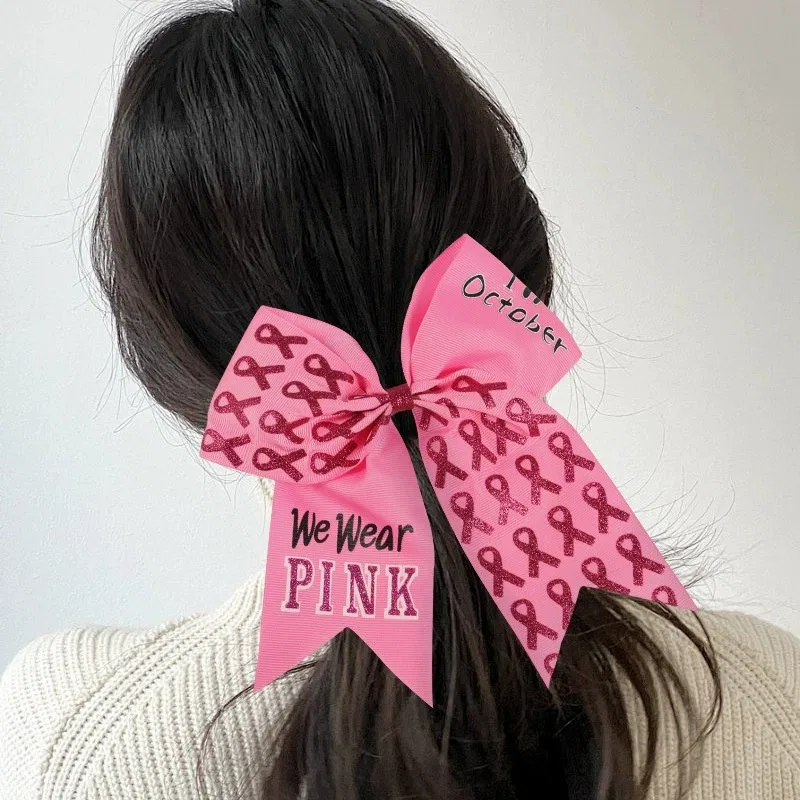
A private label accessory sample approval needs a stable identity that survives email threads and photography. Record buyer SKU, supplier sample code, catalog or development reference, artwork revision, physical variant, brand treatment, pack revision, date received and status. Mark whether the object is a concept sample, material sample, pre-production sample or another defined stage. Attach the purchase brief used to create it. If the sample contains unapproved substitutions, list them on the cover rather than allowing reviewers to discover them later. One passport should point to one physical configuration and one decision path.
Sample code, buyer SKU, supplier and receipt date.
Purpose, represented decision and known exclusions.
Product, artwork, branding and pack revisions.
Review, approved, conditional, rejected or superseded.
Product 52 records ribbon, 18 by 18 cm and MOQ 100. Product 93 records rhinestone and flat fabric, 2.5 by 1.5 inches and MOQ 100. Product 195 records canvas, 32 by 25 by 12 cm, a 5.91-inch handle drop and MOQ 50. Their different envelopes and functions show why an approval for one private label merchandise sample cannot release another product family.
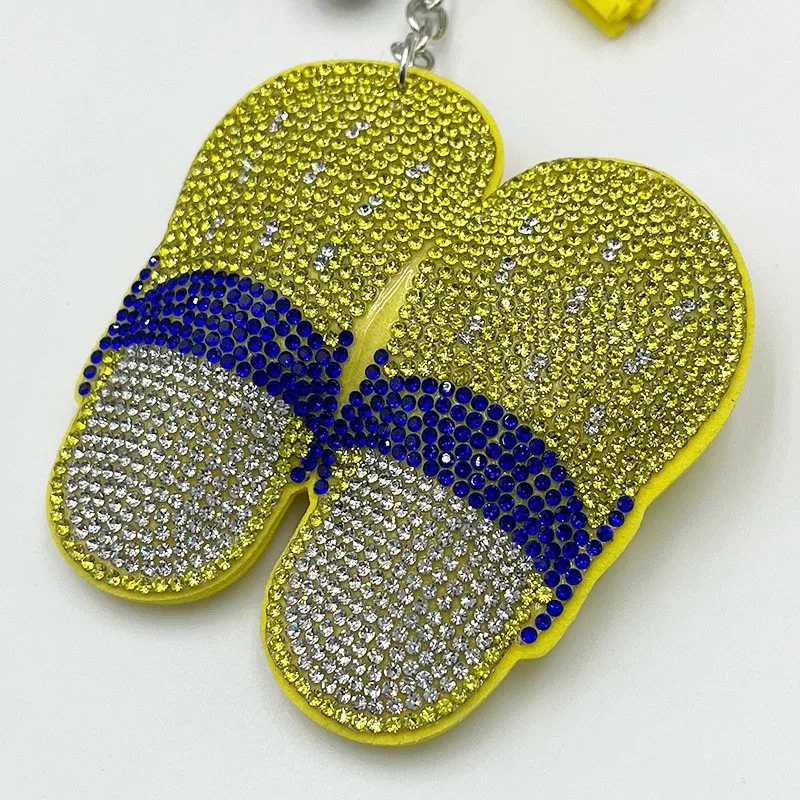
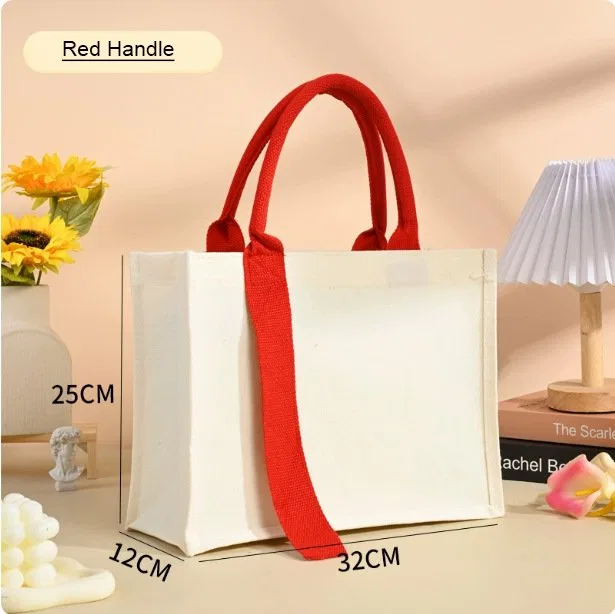
Review face material, base, edge, hardware, connection points, reverse, closure and any decoration as separate attributes appropriate to the product. Use the quote and approved specification as the source, not assumptions drawn from a category name. Measure the complete object using a declared boundary and record orientation. Photograph front, back, side and scale context. Where the build contains moving or detachable elements, demonstrate the agreed use without creating a performance guarantee beyond the test. Buyers sourcing private label fashion accessories should name every visible and functional component that must remain consistent.
Material direction, color zones, logo placement, surface condition and approved outline.
Dimensions, edge, hardware, connection, reverse and product-specific function.
Identify who supplied the logo, who is authorized to approve it and which source file created the sample. Compare content, proportions, colors, clear space and orientation with the released art. If branding appears on more than one component, assign each placement its own callout. Record approved deviations deliberately; never let a supplier correction become a silent new master. Confirm that the buyer has the right to reproduce all submitted marks and copy. A private label clothing accessories program may use the same logo across very different surfaces, but each physical translation still needs its own legibility and placement decision.
| Brand field | Approval source | Sample evidence |
|---|---|---|
| Content | Authorized artwork revision | Text and symbol comparison |
| Position | Dimensioned placement callout | Measured sample photograph |
| Color direction | Named reference and method | Physical review under recorded conditions |
Build a coverage matrix for product size, color, material, hardware, logo version and pack format. The approved sample may represent all variants for one attribute and only itself for another. Ask the supplier to confirm what remains unchanged when production moves across the matrix. Select additional review samples for high-contrast colors, extreme dimensions, different receiving products or changed components. Do not infer that a single photograph releases a whole range from a private label accessories factory. Attach the matrix to the decision so production and receiving use the same boundary.
| Variant axis | Represented | Needs separate evidence |
|---|---|---|
| Color | List approved values | Unseen contrast or material change |
| Dimension | Named size band | Different proportions or components |
| Packaging | Released pack revision | New copy, structure or destination |
Place the approved accessory into the proposed unit protection, branded card or pouch, assortment and shipping configuration. Check that surfaces, stones, ribbon, hardware and bag shape are protected according to the supplied construction. Verify product identity, buyer-approved copy, artwork revision, barcode zone, count and orientation. Simulate unpacking by the intended receiver and note whether visually similar variants can be distinguished before opening. Record packaging as its own revision because a later copy or structure change should not invalidate the physical accessory silently. The export packing guide offers traceability prompts, while pack methods must be adapted to these products.
Accessory fits without damaging pressure, uncontrolled movement or hidden variant information.
Inner quantity, assortment, lot, carton mark and receiver map reconcile to the order.
Log the requested change, reason, initiator, date, affected specifications and supplier response. State whether the change needs a digital proof, material sample, complete physical resample or documentation update. Never overwrite the image of a rejected sample with its replacement; retain both under distinct codes. Review downstream effects on quantity, packaging and schedule before approval. The sample approval checklist and factory audit guide provide complementary evidence questions without replacing this accessory passport.
| Change | Impact review | Required gate | Status |
|---|---|---|---|
| Artwork | Content, placement, colors | New proof or sample | Open until signed |
| Component | Build, function, pack fit | Physical evidence | Open until tested |
| Packaging | Protection, copy, count | Pack approval | Open until reconciled |
The final decision should name approved attributes, represented variants, approved-with-condition items, rejected points and open commercial questions. Require reviewer name, role, date and linked evidence. Give production and receiving the same passport revision. Define how the physical reference will be labeled, stored, accessed and eventually retired; avoid inventing a universal retention period. If the supplier retains a counterpart, confirm its code and relationship to the buyer's object. A release seal authorizes only the stated scope and does not excuse later inspection or supplier-confirmed application requirements.
Product + brand + variant coverage + packaging + dated authority
The answers below define what the passport releases and what still requires a separate quotation or production check.
Assign a stable sample code tied to product reference, brand-art revision, requested variant, pack revision, supplier, date and current disposition.
Only when the approval record explicitly names the represented variants and the supplier confirms that the unchanged attributes remain applicable. Unreviewed variants stay outside the release.
Products 52 and 93 each record MOQ 100 for a ribbon hair tie and slipper keychain. Product 195 records MOQ 50 for a canvas tote. Their dimensions and materials remain product-specific.
Review packaging as a connected but separately versioned component. Confirm protection, product identity, approved copy, barcode area, assortment and destination marking.
Retain the rejected or superseded evidence, issue a numbered change, identify affected passport fields and require a new decision for every attribute that changed.