


Build the image foundation
Use stitched fields for the main silhouette, durable-looking visual mass, outlines or copy that must remain readable without sparkle. Define exposed base and thread direction as part of the art.
Combine thread and crystal only when each material has a clear visual role and both methods share one coordinate system, base and approval trail. Teebling reviews the proposed hybrid decoration as a project-specific build; the quote and sample confirm what combination can be supplied for the receiving product.
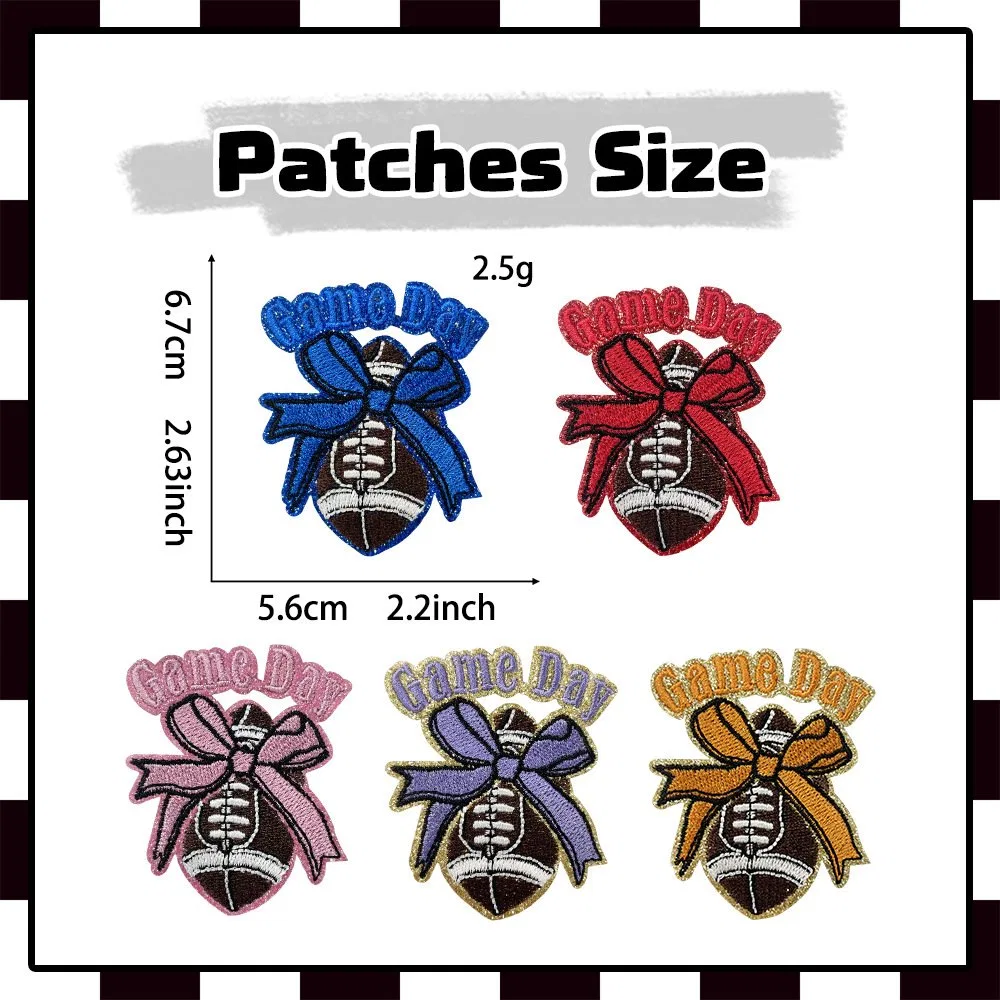
Start with the message the decoration must communicate, then assign methods. Thread can build fields, contours, type and texture. Rhinestone accents can create points of light, focused outlines or limited highlights. If both methods compete for the same feature, the design may become crowded and difficult to control.
Use stitched fields for the main silhouette, durable-looking visual mass, outlines or copy that must remain readable without sparkle. Define exposed base and thread direction as part of the art.
Use crystal zones where light and spacing strengthen the focal point. Avoid covering critical stitched details merely because open space appears available in the digital file.
The base, border and negative spaces connect both methods. Their colors and finished outline should be reviewed as deliberately as the decorative layers.
Create the embroidery artwork at finished size before adding crystal coordinates. Mark large fill zones, outlines, lettering, exposed base and the perimeter. Every stitched element should remain visually coherent if the crystal layer is temporarily hidden.
Fine strokes, narrow counters and close outlines need physical-scale review. Record any simplification in the master revision so later crystal placement is not aligned to obsolete artwork. Ask Teebling to confirm the applicable patch or decoration construction for the project.
Named base direction and the areas that intentionally remain visible.
Primary stitched shapes, thread-color schedule and directional notes.
Separating contours and copy that preserve recognition.
Finished component edge or decoration footprint tied to placement.
Design the crystal layer as coordinates with purpose, not as a general overlay. Preserve space from stitched ridges, borders and tight curves until the construction is reviewed. Each zone needs a named role, color direction and a clear relationship to the embroidery below.
Concentrates attention at a symbol, eye, center or other approved brand feature.
Traces part of an outline while leaving enough separation for both methods to read.
Adds a controlled cluster to a larger stitched shape without obscuring its structure.
Supports lettering only where the physical scale and counter spaces remain legible.
Creates intentional clearance near edges, folds and attachment zones.
Where thread, crystal, base and attachment meet, the proposed sequence needs review. The goal is not to publish a universal production order; it is to expose the interfaces early enough for Teebling and the buyer to agree on a project-specific proof.
Both artwork systems use the same origin, dimensions and named revision. Registration marks are consistent across working files.
Stone positions are reviewed around raised stitches, small copy, borders and other areas where crowding may change the appearance.
The receiving product and assembly method are identified so the decoration is not approved independently of its interface.
The selected construction is sampled and inspected in its intended order before any broader production decision.
A hybrid patch needs one frame that holds both decorative methods together. Define the visible base, finished silhouette, border and preferred backing or attachment direction. If the design is placed directly on a garment rather than supplied as a patch, state that clearly because the construction and production responsibility differ.
Choose where fabric shows through, how it contrasts with thread and crystal, and which color reference governs the physical sample.
Compare a close contour with a stable badge shape. Protect narrow projections and preserve space around crystal zones.
Describe sewing, heat application or another desired route without assuming availability. Confirm the option in the quote.
Provide surface, placement, movement, lining and access information, then approve the actual pairing through a sample.
The master package should let a reviewer isolate each material and still see how the complete decoration aligns. Supply authorized vector artwork, one-to-one dimensions, a color schedule and a composite reference. Do not flatten the only production file into a bitmap mockup.
Keep a written change log. When a letterform, stone path or border changes, update every affected layer and increment the shared revision. Name who can approve brand changes so a manufacturability comment is not silently treated as design authorization.
Composite appearance, finished outline and common origin.
Fill, outline, copy and exposed-base roles.
Coordinates, color direction and clearance notes.
Backing, placement and receiving-product reference.
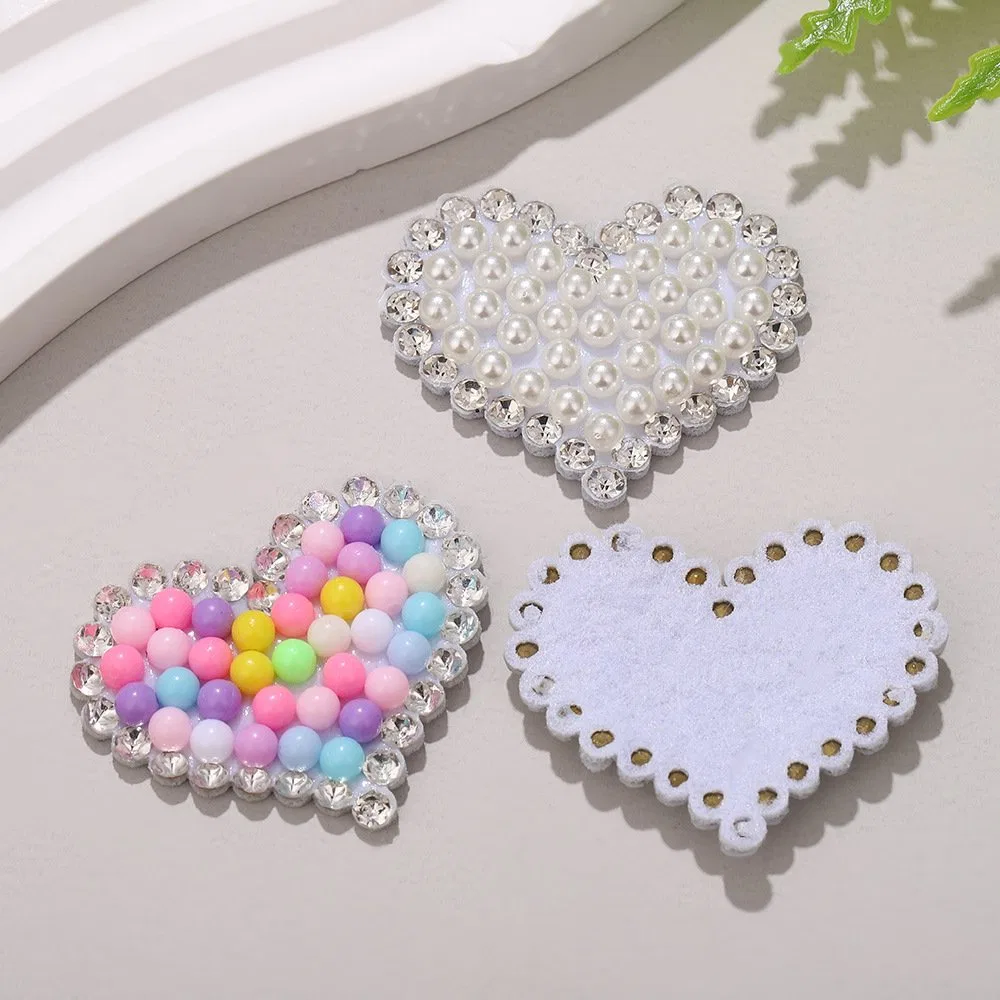
Approval should connect the physical sample to the complete file set. Record the sample code, finished dimensions, base and thread references, crystal direction, edge, backing, receiving product and artwork revision. Photograph useful details, but retain a traceable physical or documented reference according to the buyer’s quality process.
For reorders, send the original order reference and approved revision, then ask Teebling to reconfirm current availability and terms. A previous sample supports comparison; it does not remove the need to verify changes in product, material request or application.
Review each decoration family on its own before committing to a mixed-media build. The embroidery plan should solve structure and legibility; the rhinestone plan should solve light, spacing and emphasis. These Teebling guides help buyers define each side and the inspection record that connects them.
These answers frame a controlled development request without promising that every artwork or material combination is available.
It is one controlled decoration brief that assigns different visual jobs to stitched areas and crystal accents, then defines their shared base, edge, interface, attachment and approval sample. Availability and the exact combined construction still need confirmation for the quoted project.
Provide one master composition plus clearly named vector layers for stitched fields, outlines, crystal zones, base and perimeter. Both method files should share the same origin, dimensions and revision so alignment can be reviewed as one design.
Blanket approval would be unsafe here. Overlap, spacing, relief and attachment interfaces require project-specific review. Use the sequence proof and physical sample to approve where materials meet, and retain that decision with the production artwork.
Review finished dimensions, stitched legibility, crystal placement, spacing at interfaces, edge, base appearance, attachment to the receiving product and the complete visual hierarchy. Record the sample code, material references and artwork revision.
No concept should be treated as approved until Teebling reviews the artwork and confirms the quoted construction. Fine details, overlap and attachment may require revision. Material, testing, timing and commercial requirements belong in the written quote.
Send the authorized master composition, separated thread and crystal layers, finished dimensions, base and edge direction, receiving product, attachment request, quantity per version, packing and destination. Teebling will review feasibility and quote the confirmed project scope.