


Product
Name and item code.
Protect transfer identity and mapped condition between delivery and application. A useful archive follows the supplier's written requirements, isolates uncertainty and records every movement from receipt through issue or disposition.

Compare the delivery against the purchase line without opening or rearranging more than the supplier instructions allow. Preserve the outer label, count the received packages, inspect visible crushing or moisture evidence and assign a receipt reference. Unknown or damaged material moves to review instead of a normal shelf.
Name and item code.
Approved artwork or variant.
Supplier or receipt trace.
Packages and stated units.
Accepted, hold or review.
For wholesale iron on transfers, photograph identifiers and visible condition before separating destination bundles. Storage begins with traceability, not with an unlabeled stack.
Product 29 is the 1.2 mm SS1 Czech Rhinestone Heat Transfer at 30.4 × 30.4 cm, MOQ 50, code WF-019. Product 30 is Rhinestone and Printed Heat Transfer at 30.4 × 30.4 cm, MOQ 50, code TB-5DDFA302FF3C. The matching reference size does not make their materials or handling instructions interchangeable.
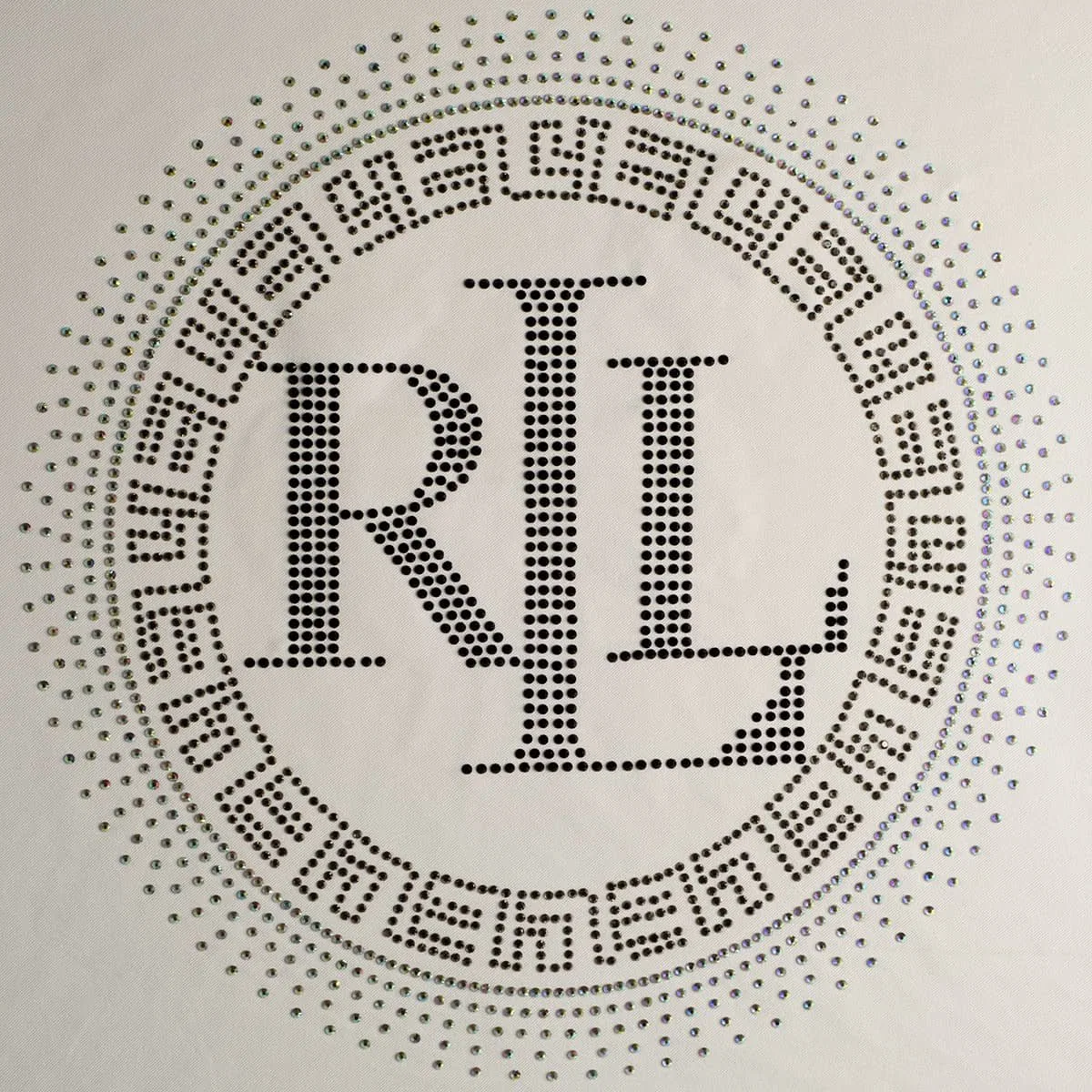
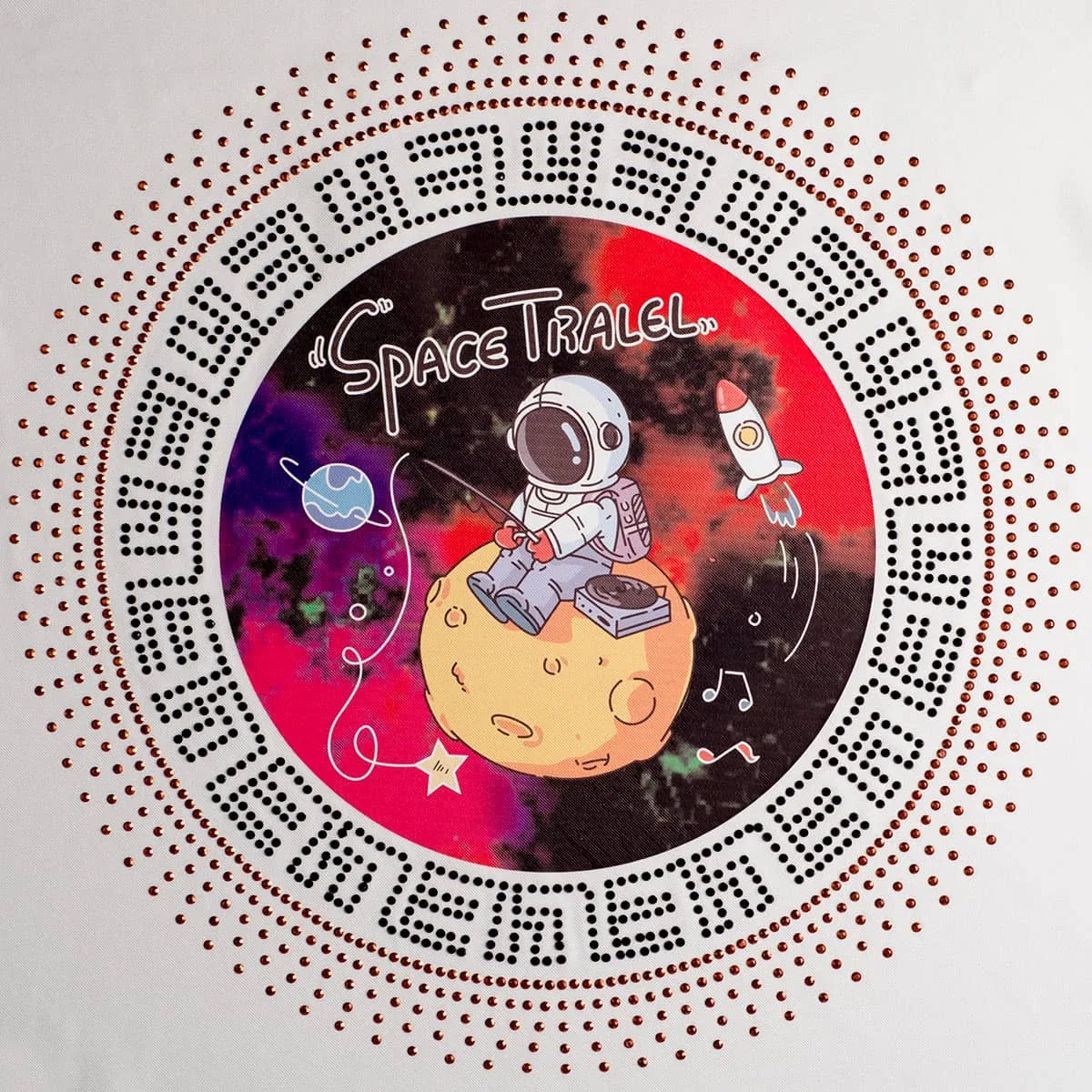
Use the Product 27 page, Product 29 page and Product 30 page to verify catalog identities.
A storage label should let an operator locate and verify the correct package before opening. Place the identifier where it remains visible in the assigned orientation and do not cover supplier warnings.
Product, item code, artwork revision, color version, lot or receipt ID and quantity.
Receipt date, condition status, supplier-instruction reference, location, destination and authorized issue state.
Do not relabel iron on sparkle transfers with a generic sparkle name that erases construction or revision. The visible archive title can be buyer-friendly, but the controlled code must remain intact.
The reorder planning guide explains why retained product and artwork identities matter when stock is replenished.
Use storage furniture and package support that match the supplier's instruction. Prevent bending, edge pressure, unsupported overhang and accidental compression. This guide does not prescribe vertical or horizontal storage for every construction; the archive record should state which orientation was confirmed for the lot.
Assign a stable cabinet, drawer or rack position and record capacity so unrelated packages are not forced together.
At defined internal intervals, inspect packaging integrity and visible flatness without exposing the transfer unnecessarily.
Limit handling to trained issue staff and preserve the package sequence when only part of a lot is removed.
Wholesale heat transfers for T-shirts should not be stored beside unrelated sheets under a shared handwritten garment name.
Mapped stones and printed surfaces can be disturbed by uncontrolled contact. Keep the original separator arrangement when instructed, note any material added by the buyer and prohibit reused interleaves that carry debris, ink or adhesive residue.
Retain product identity and handling directions.
Maintain the supplier-approved barrier and orientation.
Avoid direct contact, sliding or unrecorded repair.
Keep the complete package from bending or sagging.
For heat press bling transfers, an operator should receive the package with its instruction reference, not a loose sheet whose prior orientation and exposure are unknown.
Issue only identified, approved stock. Capture who removed it, when, how many units, which production order and which remaining quantity. A returned partial package needs a fresh condition and count check before it is accepted back.
Match code, revision and destination.
Check visible condition and package seal.
Record quantity, operator and work order.
Reconcile balance and disposition.
Use the transfer packing guide when stored packages are being prepared for another facility.
The answers avoid universal storage claims and keep lot-specific supplier instructions in control.
This guide does not assign a universal temperature or humidity limit. Obtain current supplier instructions for the specified construction and record the conditions required for that lot.
Use product identity, artwork revision, lot or receipt reference, orientation where needed, quantity, receipt date, condition status and the location assigned inside the archive.
Use the supplier instructions and a traceable issue rule such as oldest approved receipt first when applicable. Quarantined, expired or uncertain stock should not re-enter ordinary issue without review.
Do not assume. Confirm packaging and separation instructions for the actual transfer. Retain supplied separators where directed and prevent contact that disturbs mapped stones or printed surfaces.
Isolate the affected package, preserve its identity, photograph the condition and request a disposition decision. Do not repair or release it under an undocumented local rule.
Move lifting, displaced, contaminated, unidentified or instruction-mismatched stock into a clearly marked hold location. Preserve photographs, counts and identifiers; ask Teebling or the applicable supplier for a written disposition; and record whether the package is released, reworked, returned or removed from use.
Send product identity, artwork revision, quantity, receipt evidence, observed condition and current storage context when requesting review. If stock is released, route its application evidence through the rhinestone transfer test guide. A traceable hold prevents doubtful stock from being quietly returned to a ready-to-use drawer.