


Product
Stable SKU and physical configuration.
Design packaging as its own controlled product. Each frame should explain what protects the accessory, what identifies it, which buyer-approved information appears, how assortments reconcile and how the carton reaches the intended receiver.

A private label merchandise packaging brief should identify the exact product, approved variant, selling or production channel, destination and person who opens each layer. Record whether the unit is for retail display, e-commerce shipment, event kit, decorator input, warehouse replenishment or another named use. Give the supplier product dimensions, fragile or abrasion-sensitive areas, required quantity, assortment, artwork files and delivery split. Mark what remains undecided. Packaging cannot be evaluated by appearance alone; it must support the supplied construction and the buyer's traceability plan.
Stable SKU and physical configuration.
Retail, fulfillment, event or production.
Who identifies and opens the unit.
Authorized copy and artwork revision.
Unit, inner, assortment and carton.
Destination and handoff sequence.
Product 53 is a ribbon accessory at 20 by 20 cm with MOQ 100. Product 96 records crystal rhinestones and metal hardware at 2.3 by 2 inches with MOQ 50. Product 195 is a canvas tote measuring 32 by 25 by 12 cm with a 5.91-inch handle drop and MOQ 50. These profiles create different packaging questions; their active rows do not prescribe bags, cards, inserts or carton methods.
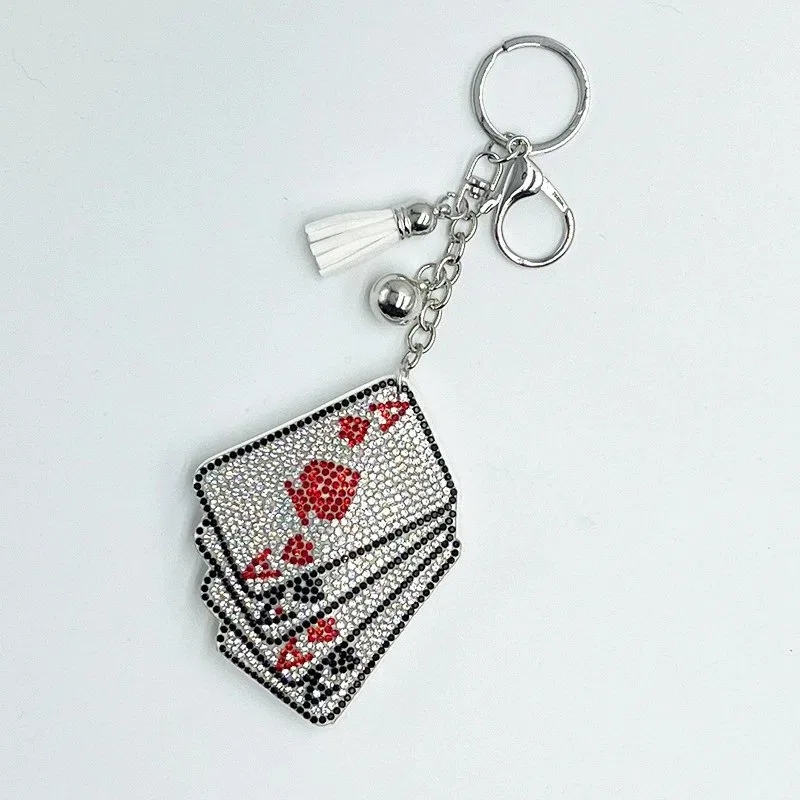
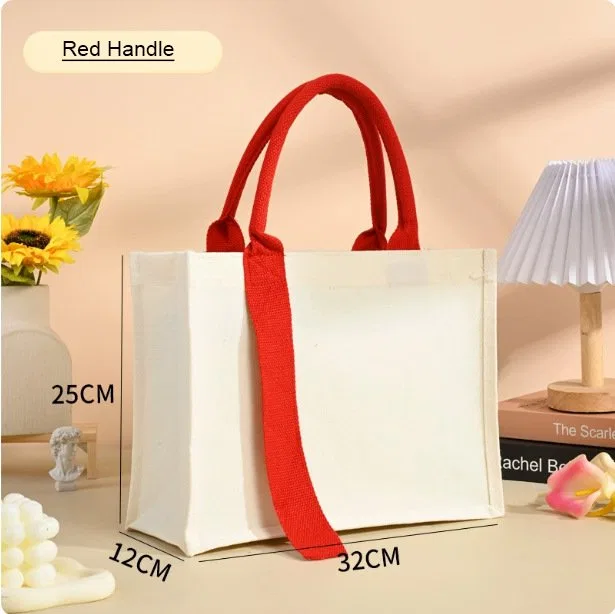
Draw the product inside its unit pack and mark where surfaces touch, hardware moves, edges carry load or decoration faces another component. Specify dividers, wraps, supports or orientation as requested features and validate them with the actual item. Avoid materials or closures that transfer color, snag ribbon, scratch stones, deform a bag or hide damage during receiving. Ask the supplier to confirm pack materials and methods for the quoted configuration. A private label accessories range may need several protection standards even when every unit uses one visual brand system.
Keep sensitive decoration away from uncontrolled rubbing and hard components.
Document the approved orientation, fold or support for the actual accessory.
Prevent loose hardware or multiple units from striking one another during the planned route.
Define the minimum identity visible at unit, inner and carton levels. Depending on the buyer's system, fields may include buyer SKU, supplier reference, product name, color, size, artwork or pack revision, quantity, lot and destination. Use stable codes rather than color descriptions alone. Place labels where they remain legible and do not damage the product. For mixed private label fashion accessories, test whether warehouse staff can distinguish similar packs under normal handling. The identity plan should link to the purchase order and approved sample, not introduce a parallel naming system.
Product and variant identity appropriate to the channel.
Count, assortment, lot and pack revision.
Purchase line, destination, carton sequence and handling information.
List all logos, product copy, material statements, origin wording, care information, warnings, instructions, barcode data and campaign text proposed for the pack. Assign a source and approver to every field. The supplier may confirm production details it controls, while the buyer remains responsible for determining applicable brand, retailer, language, legal and regulatory requirements with qualified reviewers. Do not copy claims from another product or market. A promotional product suppliers private label request often arrives with campaign copy; lock its revision and destination before plates, labels or inserts are released.
No pack artwork moves to production until content, data source, language set, placement, revision and approval authority are recorded in the packaging file.
For color mixes, gift kits or multi-product packs, create a bill listing every member, approved variant, units per set, substitution rule and spare policy. The number of complete sets must reconcile with component quantities and packaging counts. Assign an assortment code that differs from individual product codes. Specify display order and orientation only when they matter. If a member is unavailable, require written authorization before substitution. The private-label accessories guide helps define the product range, while this storyboard preserves pack-level membership.
Member code, variant, units per set and approved alternate.
Position, orientation, separator and visible identity.
Complete sets, loose spares, held units and destination quantities.
Specify inner count, master-carton count, carton sequence, gross and net information when required, dimensions supplied by the pack vendor, destination mark and document pouch. Ask the supplier to propose protection based on the agreed route and product configuration, then validate the packed sample through the buyer's chosen test or trial plan. At receipt, compare carton, inner and unit identities before distribution. Record shortage, damage or mismatch by carton and lot. The bulk packing guide and export guide provide additional controls without dictating methods for these accessories.
Approved unit orientation.
Unit, inner and carton totals.
Identity and destination.
Agreed route and handoff.
Carton and lot check.
Finding and disposition.
Assemble the product identity, pack specification, dielines, artwork files, data table, physical or photographed sample evidence, assortment bill, carton map, test results, quantity reconciliation and approvals. Identify represented product variants and destinations. Record open conditions and commercial assumptions instead of burying them in meeting notes. Confirm who controls artwork changes after approval and how obsolete pack components are segregated. Reconcile packaging quantities against merchandise, samples, spares and authorized waste treatment. The signed packet becomes the reference shared by supplier packing, freight coordination and receiving.
Eight frames, one pack revision, named approvers and a traceable route from bare product to accepted destination.
These answers separate required buyer decisions from supplier-proposed pack construction and current commercial terms.
No inclusion is assumed. List protective, branded, retail and shipping components separately and obtain current pricing, minimums, responsibilities and approvals in the quote.
A ribbon hair accessory, metal keychain and gusseted canvas tote have different surfaces, shapes and movement risks. Protection should be reviewed against the actual supplied product.
Use the identifiers needed to distinguish buyer SKU, product, approved variant, artwork or pack revision, quantity and lot or batch according to the agreed traceability plan.
The buyer should assign authorized legal, compliance, retail and brand reviewers. The supplier can provide requested production information but this guide does not determine jurisdiction-specific obligations.
Approve a versioned pack sample or complete evidence set, connect it to represented products and destinations, reconcile component quantities and distribute the signed revision to packing and receiving.