


Carrier
Holds registration and determines hot, warm or cold peel behavior.
Specify a PU film heat transfer label as a complete print-and-application system. Custom PU labels can provide a soft hand feel, fine logo detail, stretch compatibility and durable apparel branding when film, adhesive, fabric and press settings are validated together.
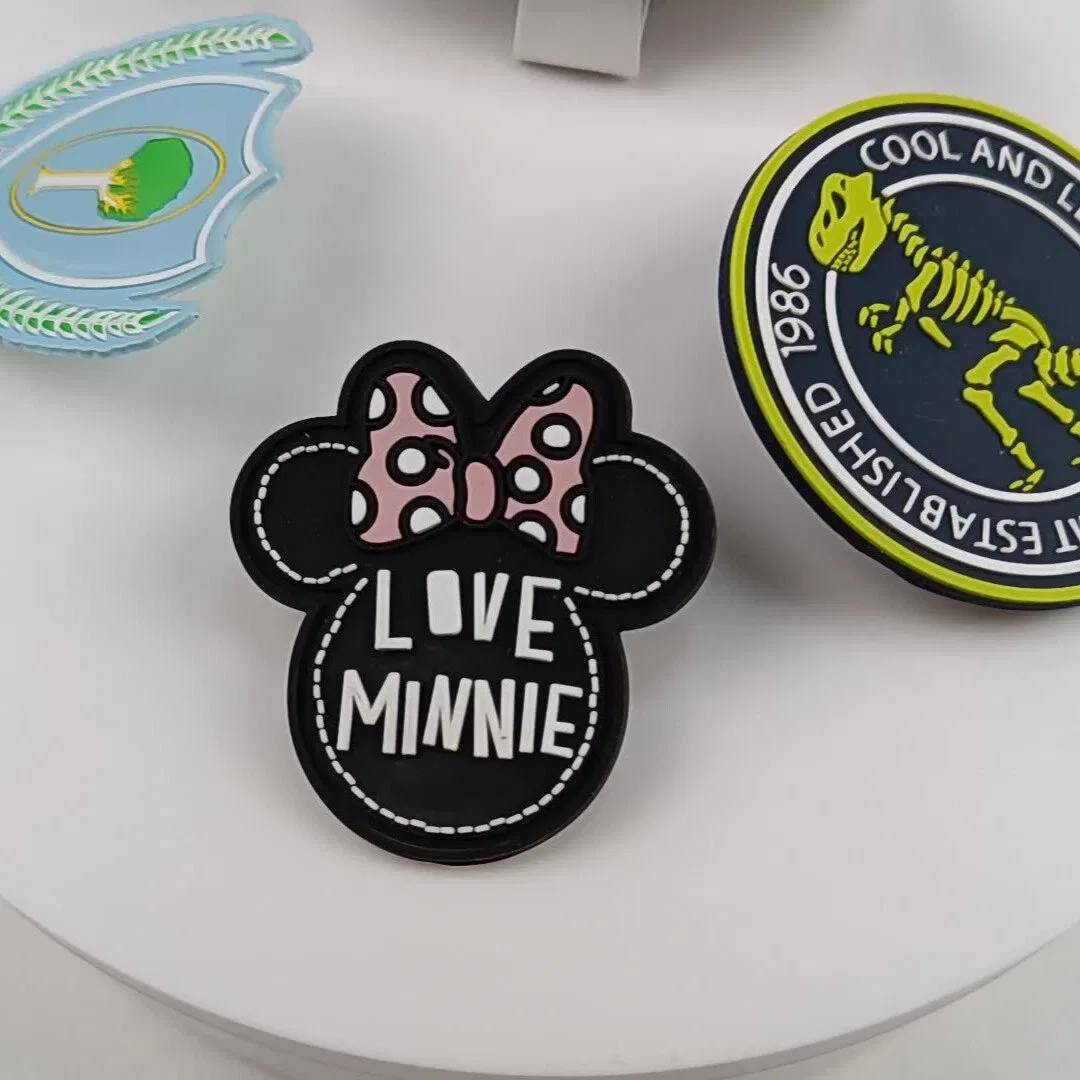
Holds registration and determines hot, warm or cold peel behavior.
Logo colour, opacity, detail and optional PU glitter or finish layer.
Provides profile, feel, elongation and recovery characteristics.
Bonds the transfer to the named fabric under a recorded press recipe.
Content, finish and construction affect adhesion and appearance.
Cotton, polyester, blends and elastane need separate trials.
Coatings, repellents and texture can reduce contact.
Knit stretch, seams and rib affect pressure distribution.
Dark or migrating fabric needs opacity and migration review.
Mark a fixed gauge length, extend the garment to the defined use condition, release it, and inspect the PU heat transfer for cracking, edge lift, distortion and incomplete recovery.
Use supplier-issued values for this label and fabric, then verify on the actual press.
Measured platen value.
Contact duration.
Consistent contact force.
Hot, warm or cold timing.
Rest before handling.
Quick sampling begins with complete files and representative garments; quoted dates follow the selected construction and revision plan.
Artwork, size, colours, fabric, quantity and delivery point.
Line weight, trapping, opacity and carrier layout.
Apply with the issued settings and inspect after cooling.
Approve code, limits, recipe and bulk schedule.
Photograph edge, colour, dimensions and garment surface after application and conditioning.
Name water temperature, detergent, machine action, drying route and inspection intervals.
Set limits for lift, cracking, colour change, distortion and fabric damage.
These product cards read current information from the Teebling database.
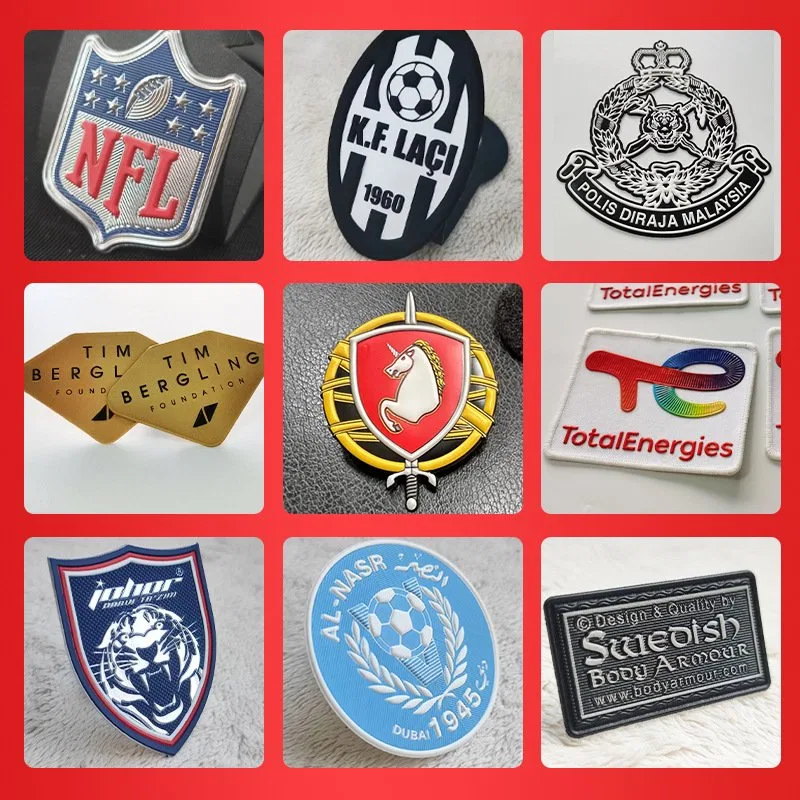
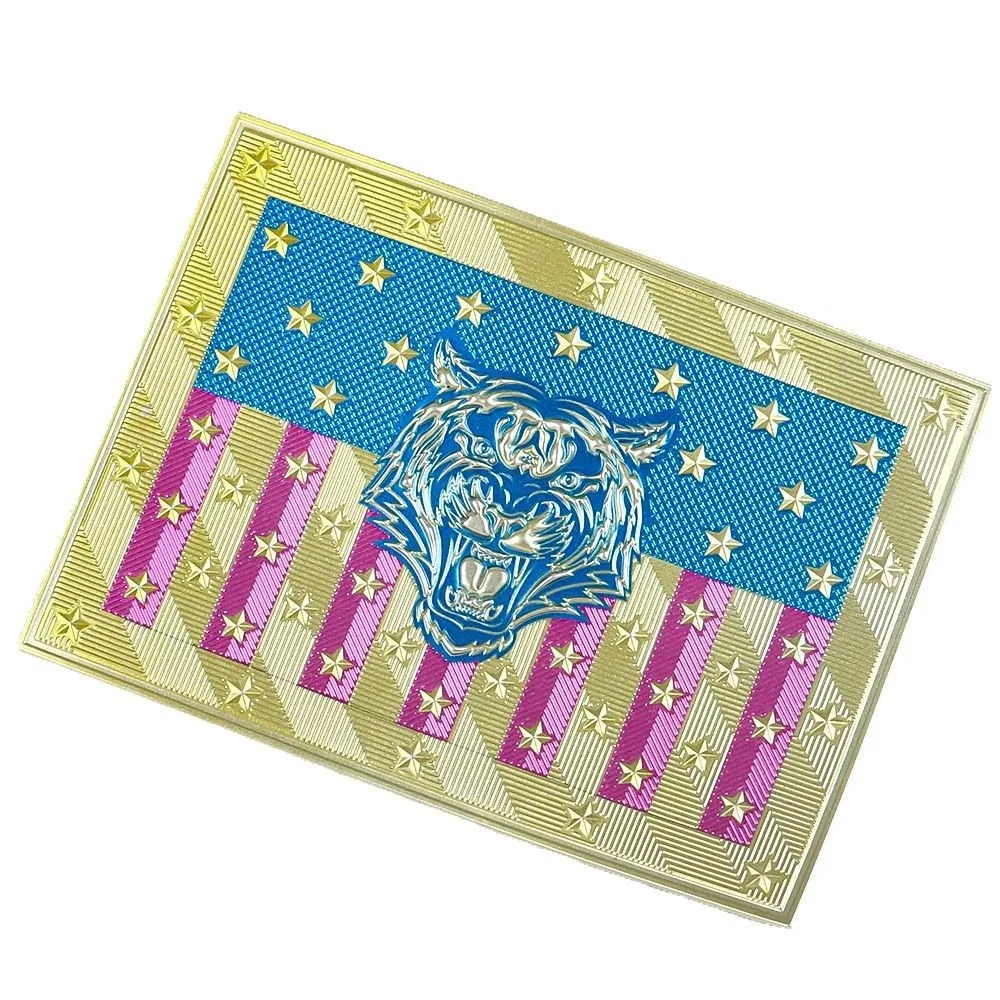
For pronounced relief, inspect 3D raised rubber logo patches. For a carrier-based full-colour print workflow, compare PET film heat transfer prints.
It is a thin polyurethane-based decoration supplied on a carrier and applied with controlled heat, time and pressure. The exact film, print, adhesive and carrier construction is confirmed for the project.
They can be specified for stretch applications, but performance depends on artwork coverage, film system, fabric, application and required extension. Approve recovery and cracking on the intended garment.
A glitter or special-effect construction may be available as its own material layer. Specify particle appearance, colour, coverage and care expectations, then approve a physical sample.
Use the supplier instructions issued for the approved label and fabric combination. Record time, temperature, pressure, peel timing and cooling; do not copy settings from another transfer.
Apply labels to representative garments, condition them, then run the agreed care cycles. Inspect edge lift, cracking, colour change, distortion and garment marking against an unwashed control.
Artwork, dimensions, colours, effect layers, quantity splits, proof revisions and production loading all matter. Current MOQ and dates are stated in the written quotation.
Share artwork, finished size, garment, stretch target, quantities and destination.