


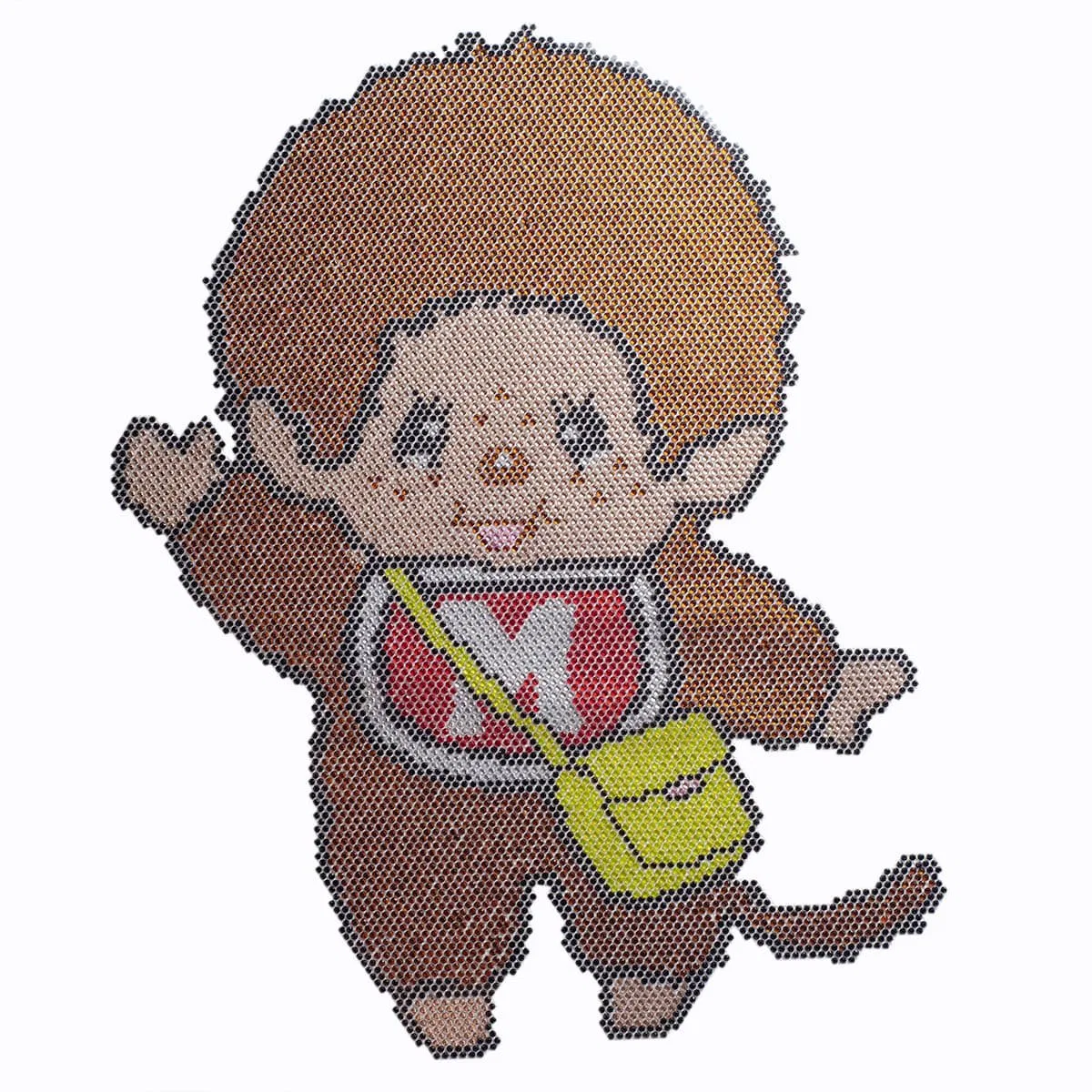
Product 26
DMC rhinestone / 30 x 21 cm / MOQ 50.
Stop finished transfer sheets at goods-in long enough to verify identity, dimensions, stone map, carrier condition, packaging, lot records and storage handoff before they reach production.
The phrase ready to press bling describes a finished-sheet purchasing intent. It does not remove the need to match the received lot to the purchase line and approved proof. Confirm product or artwork identity, revision, quantity, dimensions, orientation, stone map, carrier, pack label and visible condition before stock is released. A press trial is a separate controlled activity when the receiving plan requires one. Teebling can provide current product and application information for a quoted order; the buyer's receiving record should preserve exactly which evidence was checked and by whom.
Product 26 is recorded at 30 x 21 cm, Product 27 at 28 x 25 cm and Product 28 at 20 x 18 cm. All list Rhinestone DMC and MOQ 50. These bling transfers provide truthful inspection examples, not a single shared artwork or size. The purchase line must state the selected product, current artwork or variant, requested quantity and any dimensions the supplier confirms for that exact order.
DMC rhinestone / 30 x 21 cm / MOQ 50.
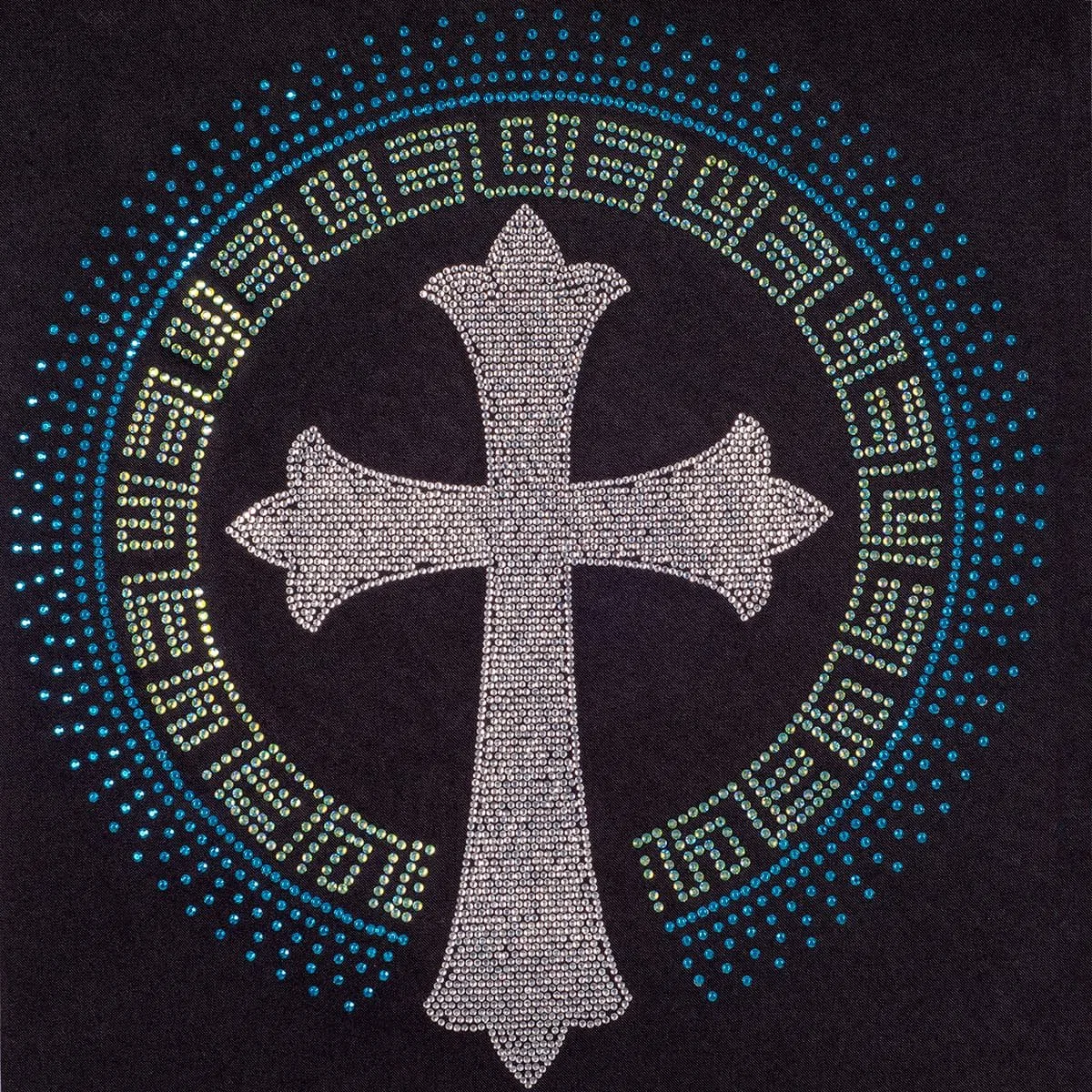
DMC rhinestone / 28 x 25 cm / MOQ 50.
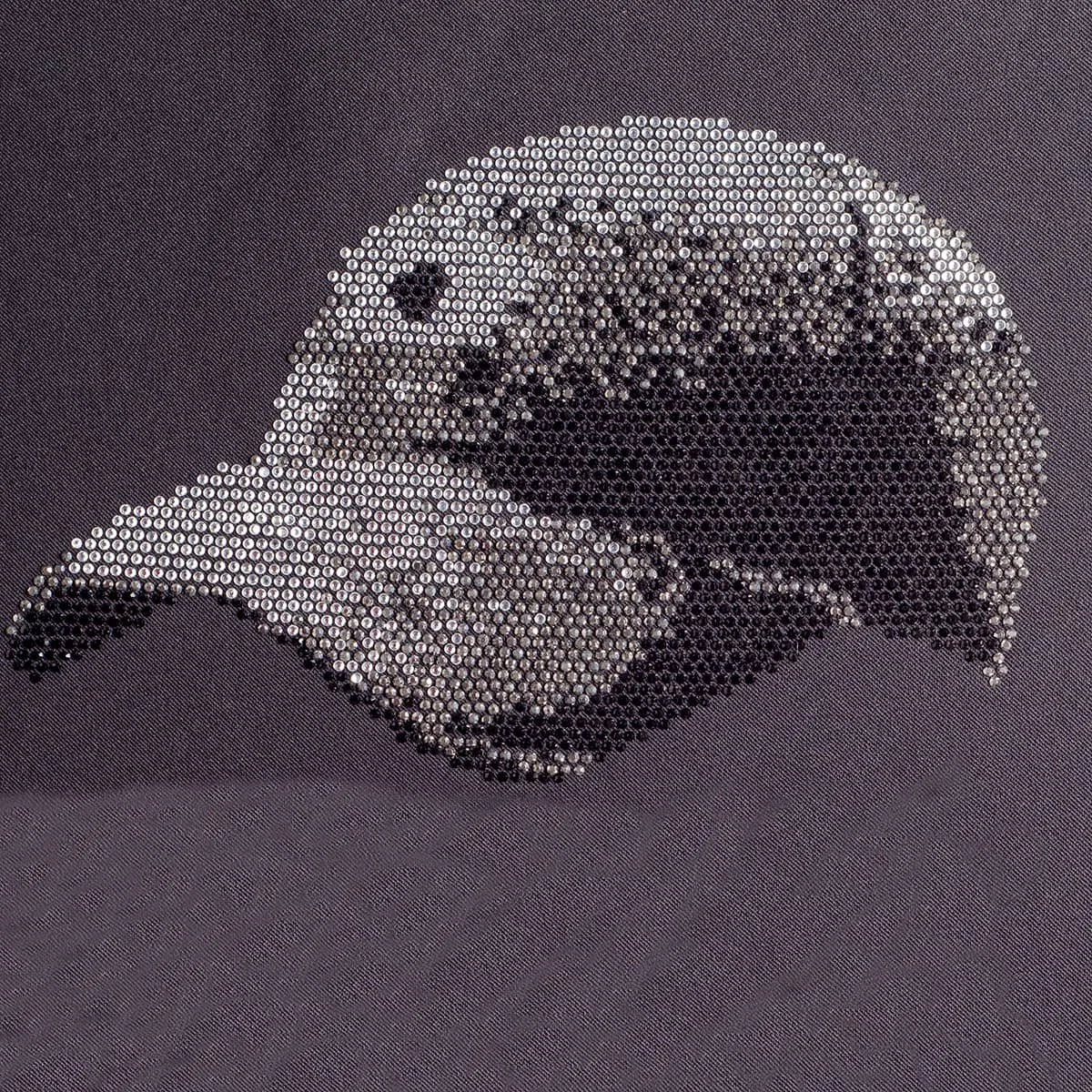
DMC rhinestone / 20 x 18 cm / MOQ 50.
Compare purchase order, packing list, carton label, inner label and product pack. Record supplier, purchase line, product or artwork code, revision, colorway, dimensions, quantity, lot and destination. If labels disagree, hold the affected material before it is distributed. Sample-opening decisions should preserve the identity of every inspected sheet and carton. Do not relabel ambiguous stock from memory. A clear manifest record is the foundation for later count, conformance and application evidence because it keeps every finding connected to the lot that produced it.
Line and requested identity.
Lot and destination label.
Product, revision and count.
Artwork orientation and carrier.
Inspector, date and disposition.
First compare the overall silhouette, orientation, row spacing and negative spaces with the approved proof. Then inspect representative detail zones for missing, displaced, doubled or visibly damaged stones according to the buyer's acceptance plan. Measure the complete transfer using the declared boundary method. Photograph the entire sheet and any close condition in the same record. Do not reposition stones on a disputed sample because that changes the evidence. A decorative image can look convincing at a distance while still carrying a map error that affects the intended artwork.
Overall artwork silhouette and orientation.
Rows, gaps and negative openings.
Presence, position and visible condition.
Width and height by the agreed method.
Review the visible carrier for folds, wrinkles, contamination, unintended lifting, trapped debris or damage that could disturb storage and handling. Check whether the artwork remains in the approved orientation and whether protective layers are present as specified. Do not peel or restick a sheet unless the approved inspection method requires it. Record the pack condition that may have caused a finding. This page does not claim one carrier type for every transfer; the receiving standard must use the construction and handling directions supplied for the exact quoted lot.
Visible fold, wrinkle or deformation.
Contamination or trapped foreign material.
Artwork remains positioned as approved.
Layers and packaging match the purchase specification.
A receiving trial should identify the sampled sheet, transfer lot, receiving material, equipment, operator and current supplier instructions. Record the actual process inputs and post-application observations. Preserve an unpressed retention sample where the quality plan calls for one. Do not borrow a setting from another artwork or product, and do not increase heat or pressure casually when a result is uncertain. The rhinestone transfer application guide covers the controlled press workflow; this page owns the prior goods-in decision for bling heat transfers.
Sheet code, lot and carton.
Exact fabric or product code.
Current supplied process reference.
Observed face, position and attachment evidence.
Ask for the current packaging and storage instructions that apply to the quoted transfer. At receipt, record date, lot, assigned location, pack condition and the rotation rule used by the buyer. Keep sheets flat or oriented only as the supplier directs, retain identity through partial packs and protect them from unauthorized handling. Do not publish an unsupported shelf-life, temperature or humidity limit. Use the transfer storage guide to organize supplier-provided conditions and aging records while keeping unconfirmed numbers out of the specification.
Date and pack condition.
Controlled area and lot identity.
Documented stock rule.
Quantity and production job.
Sample or record when required.
Accepted material should carry its lot identity into stock. Review material needs a documented condition, affected count and authorized decision. Quarantined material must remain physically and digitally separated until disposition. Do not mix visually similar transfer sheets or allow production to cherry-pick from a disputed pack. Link photographs, measurements, carrier observations and any controlled press result to the purchase line. The transfer quality-control checklist can hold the broader acceptance plan, while this receiving conveyor records the exact incoming decision for heat press bling transfers.
Identity and sampled attributes conform to the release criteria.
Documented finding awaits an authorized commercial or quality decision.
Lot and count remain separated until final disposition is recorded.
These answers distinguish a finished transfer-sheet buying intent from the evidence needed to release a received lot.
It describes a finished transfer-sheet buying intent. Receipt still requires identity, quantity, dimensions, stone-map, carrier, packaging and storage inspection before the lot reaches a press trial.
Product 26 is a DMC rhinestone transfer at 30 by 21 cm, Product 27 is a DMC cross-pattern transfer at 28 by 25 cm, and Product 28 is a DMC adhesive rhinestone transfer at 20 by 18 cm. Each records MOQ 50.
Only if the approved receiving plan requires a controlled application trial. Preserve lot identity, use the exact receiving material and current supplier instructions, and record the sampled sheet and result.
Photograph the full sheet and close condition with lot identity, count affected pieces, segregate the material and obtain an authorized disposition. Do not casually reposition or press disputed sheets.
Record the supplier-provided packaging and storage directions, receipt date, lot, pack condition, assigned location and stock rotation rule. Do not invent a shelf-life or environment limit.