


Ambient view
Record the ordinary color, contrast and finish without an intentional flash. This is the state customers may see most often.
A reflective logo is not adequately described by a bright product photograph. Teebling helps wholesale buyers define the artwork, finished scale, receiving surface and viewing conditions that belong in one controlled label brief. The goal is a physical sample decision that can be traced to the exact construction quoted.
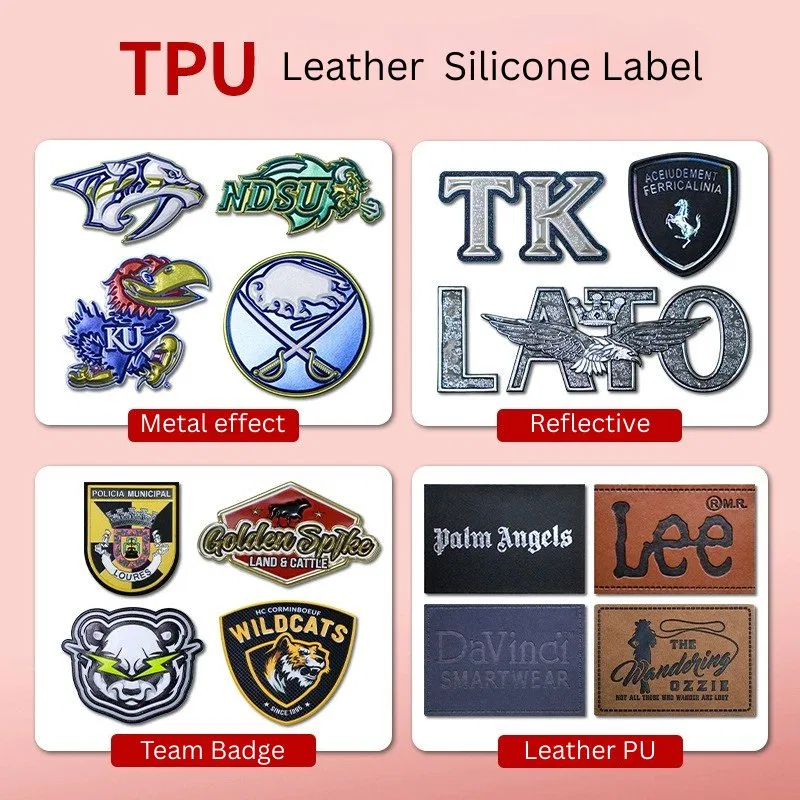
Review the label in more than one relevant light condition before approving its appearance. A surface that looks restrained in diffuse daylight may respond differently to a directed phone flash or another focused source. The review board should identify the light, camera position and distance so two images are not mistaken for two different products.
Record the ordinary color, contrast and finish without an intentional flash. This is the state customers may see most often.
Capture a second controlled view with the source and angle identified. Avoid editing that hides the surrounding garment.
Confirm that the brand mark remains recognizable in both states rather than approving brightness while losing letterforms.
Attach the accepted images to the item code, artwork revision and selected construction in the approval record.
The word “reflective” describes a visual goal, not every element of a finished label. Ask Teebling to identify the quoted construction and preserve that description with the proof. Buyers should separately control the face appearance, logo geometry, carrier or transfer presentation, and the attachment direction reviewed for the receiving surface.
Do not infer fiber content, chemical compliance, wash performance or certification from an image. If documentation matters to the product program, state the exact requirement during inquiry so its applicability can be confirmed in writing.
Define logo color, background treatment and the appearance to review under ambient and directed light.
Record the finished outline, clear areas and any border needed to keep small details separate.
Confirm orientation, carrier handling and how the supplied component will be identified for application.
Judge artwork at the finished physical size, not only while enlarged on screen. Small counters can close, narrow gaps can merge and secondary copy can become decorative noise. Print the proof at one-to-one scale, place it on the intended zone and review it at the distance relevant to the product.
For inside, pocket or compact accessory placements, check small text, clean edges and whether the user can identify the mark without magnification.
For chest, sleeve or leg positions, evaluate the full silhouette on a worn or shaped sample rather than on a flat artboard alone.
For bags or equipment surfaces, consider folds, closures and curved areas that may interrupt the intended viewing field.

A label request should name the finished product, fabric description, placement and any treatment already on the surface. A smooth garment panel, stretch zone, coated bag and structured accessory do not create the same application problem. Teebling can review the defined pairing, but the buyer should approve that pairing through a representative sample.
State fiber information available from the garment supplier, stretch direction, seam proximity and whether the area can lie flat during application.
Identify coating, padding, pockets, closures and restricted access behind the placement. Do not assume a platen can reach every visible panel.
Measure the usable field and explain how the product is supported. A flat proof cannot demonstrate conformity to a curved finished item.
Flag surfaces that may change under heat or pressure and require a cautious trial before any broader production decision.
Build one contact sheet for each candidate rather than collecting unlabeled photos in a message thread. The board should show the same label and receiving sample across controlled conditions, followed by a written decision and named revision.
Photograph the full placement and a closer crop. Keep the color environment neutral enough to compare the logo with the surrounding product.
Document the ordinary retail, studio or operational lighting relevant to your use. Note obvious glare or loss of contrast without promising a universal result.
Identify the light source and geometry. Approve the particular visual response shown by the selected sample, not a category-wide claim.
Test the chosen label on the actual receiving surface using the equipment intended for production. The record needs enough detail for a second operator or supplier reviewer to understand what was done. Record the item identity, artwork revision, placement, equipment, settings, peel or cooling sequence and observations.
Inspect alignment, carrier release, edge behavior, surface appearance and initial attachment. If the receiving material or construction changes, repeat the relevant test rather than extending one result to an untested combination.
Convert the visual approval into a line-level specification before asking for commercial terms. Every variation needs its own row with the exact artwork revision, finished dimensions, label color direction, quantity, receiving surface, application responsibility and pack identification. This prevents a favored photograph from becoming the only production instruction.
Authorized vector file, finished outline, positive and reverse color references, minimum gaps and readable copy.
Quoted construction, product or sample reference, finished size and accepted ambient and directed-light evidence.
Quantity per variation, pack count, identification wording, destination and any required documents to be confirmed.
Use these answers to prepare a more precise request while keeping product-specific facts tied to the current written quotation.
Send authorized vector artwork, the intended finished dimensions, requested quantity, receiving product and fabric information, placement, destination and any packaging needs. Identify the catalog reference if an existing Teebling product shows the appearance you want reviewed.
No. Daylight, indoor ambient light and directed flash can produce different impressions. Approve the relevant viewing states on the selected physical sample and record how each review image was captured instead of judging only one screen photograph.
It first needs a finished-size legibility review. Very fine gaps, counters and small text may need simplification or a different construction. Teebling can review the supplied artwork, but the approved proof should govern the final geometry.
Test the selected label construction on the actual receiving surface with the equipment and operating conditions intended for production. Record appearance, carrier release, alignment and visible surface change, then retain the approved result with the item specification.
No assumptions should be made from a visual reference. State every material, testing or documentation requirement in the RFQ so Teebling can confirm what applies to the quoted item in writing before an order decision.
Send the authorized logo, finished size, receiving product and placement, quantity by version, viewing-state references, test expectations, packaging details and destination. Teebling will review the actual scope and return current terms for the quoted configuration.