


Purpose
Retail sale, registration inclusion, staff identity, sponsor gift, performer wardrobe or another defined role.
Coordinate event merchandise around the audience, authorized artwork, product mix, size and quantity data, approval owners, venue packing and requested in-hand date. Teebling helps buyers turn a destination, conference, performance, tournament, celebration or retail activation into a line-by-line wholesale brief. A date-back plan makes decisions visible; it does not invent or guarantee production timing. Feasibility and current commercial terms must be confirmed for the individual collection.
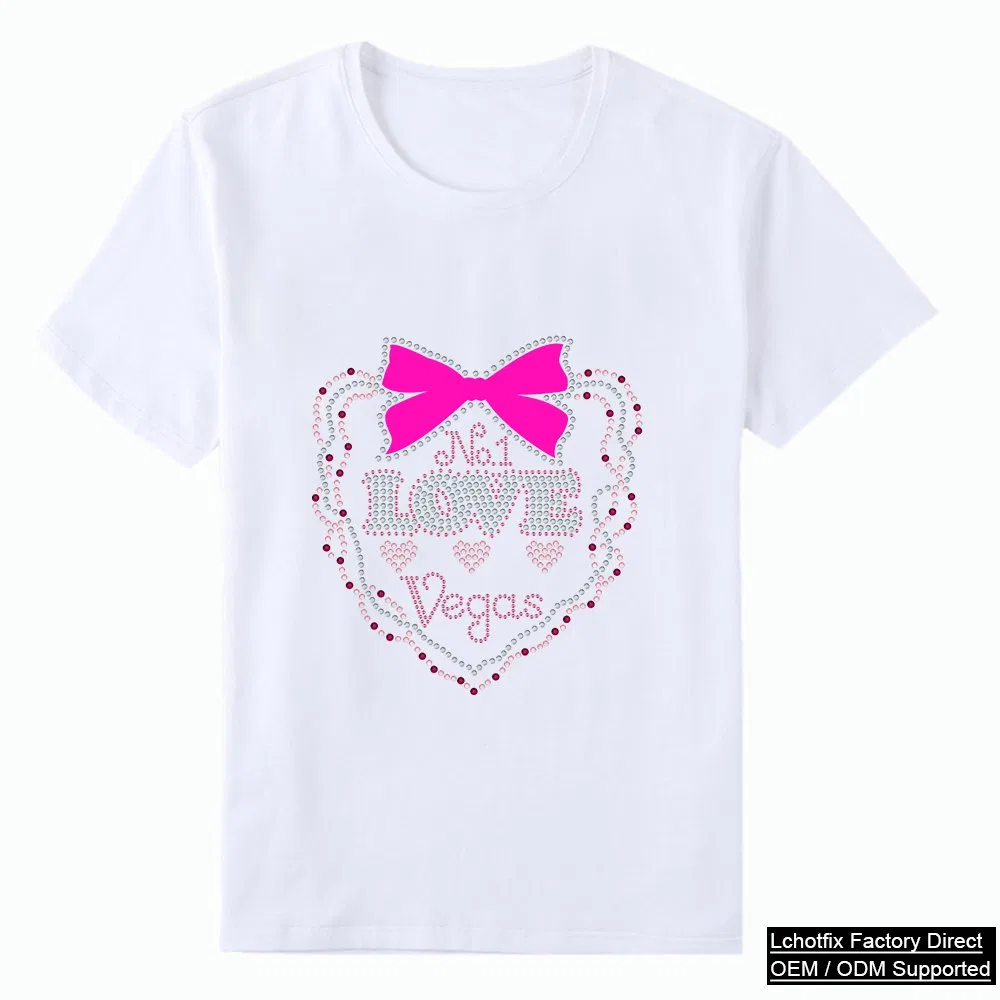
Describe the commercial purpose before selecting products. A souvenir range sold for weeks, staff apparel worn on one operating day and gifts placed in attendee bags have different users, quantities and packing needs.
Retail sale, registration inclusion, staff identity, sponsor gift, performer wardrobe or another defined role.
Attendees, fans, employees, buyers, teams, guests or a segmented combination.
Venue booth, destination shop, pre-order, e-commerce, staff room or direct distribution.
One buyer who controls artwork, product, sample and quantity approvals.
The date goods must reach the named destination, submitted for written feasibility review.
The buyer is responsible for supplying artwork, words, logos and location marks it is authorized to use. Do not ask Teebling to copy a search result, unofficial fan image or another seller’s product. Lock the exact spelling, event date, venue name, sponsor order and credit requirements under one approved revision.
Give every product a role in the event range and its own construction specification. Shared artwork does not make a T-shirt, tote, cap and keychain technically interchangeable.
Set garment style, fabric, color, fit direction, size run, transfer dimensions and placement. Separate staff, retail and performer versions when specifications differ.
Account for fleece, pockets, zippers, seams and hood placement. Name the intended garment and representative test requirement.
Define body dimensions, canvas direction, handles, artwork panel and the products the bag may carry at the venue.
Record cap silhouette, closure, panel, curved artwork dimensions and protective packing.
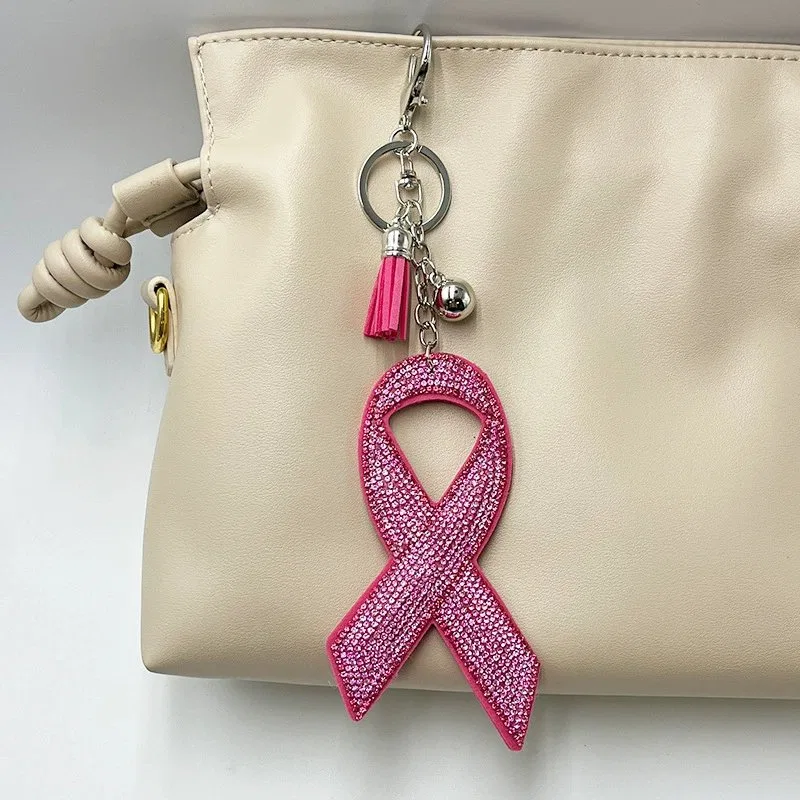
Plan motif, hardware, tassel or strap, colorways, presentation card and count by destination. Small accessories can support a lower-price souvenir tier or attendee pack.
Build quantities from event data and show assumptions. Garment orders need a count by style, color and size; accessories need a count by motif, colorway and pack destination.
Use registration, buyer history, staff roster or sales data and retain the source behind the proposed split.
Count each design and color version for retail, gifting, staff or venue allocation.
Add only an intentional extra quantity and document whether it supports replacements, late additions or channel transfer.
Make each product total equal the sum of its size, design and destination rows.
Assign decisions before samples move between agencies, sponsors, venues and internal teams. Teebling should receive one consolidated response for each checkpoint.
Confirms rights, spelling, date, location, sponsor order, color direction and the exact named file approved for sampling.
Reviews garment or accessory construction, dimensions, finish, size run, decoration placement and representative sample.
Approves quantity by line, price and inclusions, packing, shipping destination and the project-specific schedule confirmed in writing.
When several parties comment, the designated buyer should resolve conflicts and return one revision. An unstructured chain of approvals creates avoidable risk near an immovable event date.
Sort the order around the handoff. A venue booth should not need to open every carton to locate one T-shirt size or destination-specific accessory.
List each venue, warehouse, decorator or sales channel and the exact SKU quantities assigned to it.
Use product code, artwork, color, garment size or accessory version and verified count on bundle labels.
Connect carton number, destination group and content summary to the commercial packing list.
Identify stock needed first for setup, staff distribution or early selling and discuss how it should be grouped.
Start with the requested in-hand date, then expose every buyer decision that must close before production and shipping. Do not invent week counts; ask Teebling to confirm project-specific feasibility and revise the plan from that response.
Name the event opening, setup requirement, destination and the date goods need to be available to the receiving team.
Confirm route, consignee, packing list and any venue delivery constraints with the responsible logistics parties.
Close artwork, product specifications, quantities, sample decisions, packing and commercial confirmation before treating the order as released.
Assign the receiver, review checklist and response owner. Reserve decision time without promising a generic sample schedule.
Send the complete collection early enough for Teebling to assess options, current terms and timing before the buyer advertises an unsupported promise.
Send Teebling the event story and the operational detail: authorized artwork, product files, size and quantity matrices, approval owners, destination packing and requested in-hand date. Ask for written confirmation of project-specific options and feasibility before committing the range publicly.
These answers help prepare the brief. Artwork rights, samples, commercial terms and timing are confirmed for the individual Teebling project.
Provide the event, audience, sales or distribution channels, authorized artwork, product specifications, garment size totals, accessory quantities, approval owner, packing groups, destinations and requested in-hand date. Teebling can then review feasibility and current terms.
The buyer must provide artwork it is authorized to use and approve. A public image or search result is not proof of permission. Identify the rights holder, approved file and any usage or credit requirements in the project record.
Use registration, customer, staff or historic sales data appropriate to the event, then document the buyer’s assumptions. List quantities by garment style, color and size instead of submitting an unallocated total.
Create a destination matrix that assigns every SKU and quantity to a venue, booth, e-commerce group, staff distribution or other channel. Request labels and carton marks that follow that same matrix.
No planning chart is a guarantee. Submit the requested in-hand date early, identify buyer approval deadlines and ask Teebling to confirm project-specific production and shipping feasibility in writing before committing the merchandise to an event plan.