
Read Our Refund & Return Information
Retail carry collection / Wholesale field guide

Custom Rhinestone Tote Bags Wholesale

Design a custom rhinestone tote bag as a complete retail object, not a flat canvas with artwork added at the end. Teebling helps wholesale buyers connect bag dimensions, canvas character, handles, internal features, crystal placement, assortment planning and presentation. That joined-up brief is useful for boutiques, visitor destinations, event programs, gift collections and private-label brands that want the bag construction and sparkling graphic to feel intentional together.

Browse tote references
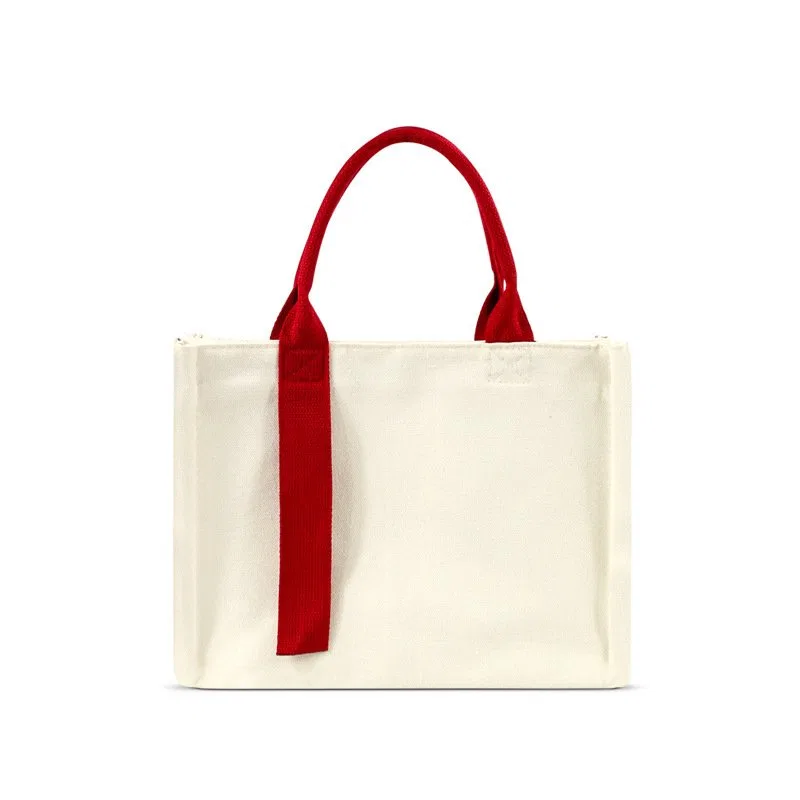
Carry study 01 Custom ribbon strap canvas tote bag for rhinestone merchandise planning
A tote quote should identify the body, handle system, usable decoration panel and retail presentation.

Retail collection

Define the target shopper, intended price position and neighboring products. A boutique tote may need a distinctive strap and controlled front graphic, while a souvenir version may prioritize place-name readability and an easily understood color range.

Event distribution

Record what goes inside the bag, when units must arrive and whether the tote is handed out folded, pre-filled or displayed. Those decisions affect dimensions, reinforcement and packing.

Brand packaging

If the tote replaces a disposable shopping bag, specify the products it must support and the brand impression it should create after purchase. Include any hangtag, woven label or interior branding direction.

Gift and collaboration

For artist, venue or co-branded editions, lock the approved credit line, artwork ownership, revision name and quantity split. The final line list should make every collaborator’s version unambiguous.

02 / Pattern card

Measure the tote before placing the rhinestones

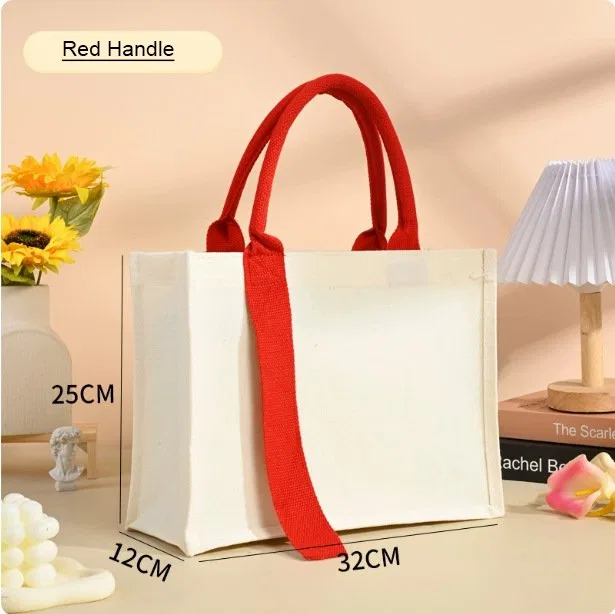
Finished width and height are only the beginning. Depth, base construction, seam allowance, lining, pockets and closure determine the space that can accept decoration. State measurements in one unit system and identify whether they describe the finished exterior or a flat cut panel. A reference photograph should show the bag standing and carried so proportions are easier to interpret.

Body
Finished width, height, depth or gusset, base direction and silhouette.
Canvas
Requested material character, body color and any lining or contrast panel.
Handles
Material, width, drop length, color, attachment and reinforcement direction.
Features
Pockets, closure, hardware, internal label and any removable component.
Artwork area
Measured front and back panels clear of seams, folds, pockets and hardware.
Custom canvas tote bag reference showing body and ribbon strap proportions
Use the reference to discuss proportion; confirm every requested construction detail in the written specification.
03 / Decoration window

Place crystal artwork inside the bag’s working geometry

A tote flexes, folds and hangs from its handles. Map artwork around those behaviors so the important message remains readable in use and the decoration does not drift into construction lines.

Primary front panel

Set an exact decoration width and height, then locate its center relative to the finished bag rather than the unsewn fabric. Mark the top distance from the bag opening or another stable construction line.

Secondary back panel

Use a smaller brand mark, event detail or supporting message when required. Treat the reverse as a separate artwork placement with its own file and dimensions.

Handle relationship

Check that long words and tall motifs do not visually collide with handle attachment points. A colored or patterned strap may already be a strong design element.

Fold and gusset clearance

Keep essential detail away from side folds, lower gussets and pocket seams unless the sample brief intentionally explores that transition.

Artwork density

Identify whether the goal is a compact logo, readable slogan, scattered accent or broad visual field. Each direction changes the sample discussion and should not be inferred from a mood image alone.

04 / Shop-floor edit

Build an assortment customers can understand at a glance

A strong wholesale range has clear reasons for each version. Limit changes to intentional variables and give every saleable unit a stable name.

Core brand tote

Use the most recognizable logo and a versatile body color as the anchor. This version can establish shared dimensions, strap construction and packaging for the rest of the range.

Seasonal color

Change the canvas or crystal palette while protecting the approved artwork scale. Record the new color combination as a separate variant instead of calling it “same as sample.”

Destination graphic

Prioritize readable place names and verify every spelling. If several locations share one layout, create a line list that pairs each word version with its quantity and carton mark.

Limited collaboration

Lock the artist credit, logo order, approved revision and presentation details. A controlled edition benefits from numbered file names, one sign-off contact and clear packing instructions for each partner.

05 / Carry lookbook

Compare silhouette, strap and front-panel balance

Use product references to explain the desired visual language, then return to the measured pattern card. The buyer’s artwork, color plan and intended use remain the source of truth for the custom order.

06 / Handle and trim bar

Review every touchpoint that changes how the tote feels

Handles and finishing details shape both perceived quality and practical use. Describe them with the same precision as the front artwork.

Drop length

State the intended carry position and provide a measured handle drop. “Shoulder length” can mean different things across references.

Strap material

Describe the desired ribbon, webbing, self-fabric or other direction and attach a close visual reference for texture and color.

Attachment

Mark handle spacing, visible stitching and reinforcement. These points should be checked on a filled sample, not only an empty flat bag.

Interior details

List pockets, labels, lining and closure separately. Show where each element sits relative to the top edge and side seams.

Retail finish

Specify hangtags, barcode labels, folding and unit protection so the tote reaches the intended selling channel in an approved format.

07 / Approval calendar

Move from concept to packed assortment with named checkpoints

Dates are project-specific, but the decision order should remain clear. Each stage should close a defined group of questions before the next begins.

Brief intake

Confirm bag reference, audience, dimensions, artwork, variants, quantity and destination.

Specification review

Resolve missing measurements, construction choices and decoration-zone conflicts.

Quote alignment

Review the commercial scope against the exact assortment and presentation request.

Physical sample

Inspect structure, carry comfort, artwork position, crystal appearance and finishing.

Pack test

Approve fold, tags, unit protection, carton identification and opening presentation.

Order record

Save the final line list, artwork revision and approval notes for controlled reordering.

08 / Quote canvas

Put bag construction and rhinestone artwork in one RFQ

Send Teebling a concise project story plus the technical attachments. Explain where the tote will be sold or distributed, what it must carry and which visual feature has priority. A complete request makes it easier to review alternatives without losing the buyer’s original intent.

PatternFinished dimensions, depth, canvas and features
Handle systemMaterial, color, width, drop and attachment
Crystal artworkFile, revision, size, placement and palette
Commercial planQuantity by variant, packing, destination and timing
09 / Buyer notes

Custom rhinestone tote bag wholesale FAQ

Use these answers to prepare the first conversation. The approved sample and project-specific order record determine final construction, artwork and commercial terms.

What information is needed to quote custom rhinestone tote bags?

Provide a bag drawing or reference, finished dimensions, canvas direction, body and strap colors, handle construction, pockets or closures, crystal artwork, placement size, quantity by version, packing requirements, destination and requested delivery window.

How should rhinestone artwork be positioned on a tote bag?

Show the finished artwork width and height inside a measured front or back decoration zone. Keep the placement clear of seams, gusset folds, pockets and hardware, and state whether the design is centered on the panel or aligned to another feature.

Can a tote order include different artwork or strap colors?

Multiple versions can be reviewed when each bag body, strap, artwork and quantity combination has its own line in the assortment plan. A labeled matrix also makes sample feedback, packing marks and future reorders easier to control.

What should buyers inspect on a rhinestone tote sample?

Review dimensions, panel symmetry, handle length, seams, reinforcement, pockets, closure, artwork position, crystal appearance and the way the bag hangs when carried. Also test the planned fold or unit packing so presentation is approved with the product.

Can Teebling help coordinate totes with other private-label items?

A coordinated range can be discussed when the buyer supplies a shared artwork system, color references and quantities for each product. Hats, transfers, patches or labels should still have separate technical specifications and approval records.

Welcome Guest!