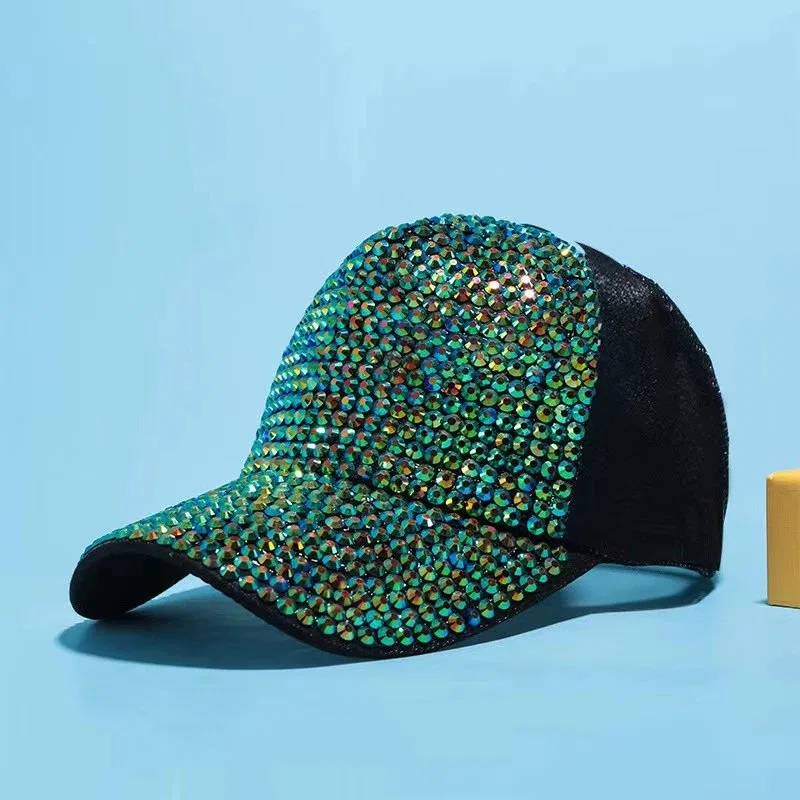
Fashion focal point
Use a bolder crystal field, tonal cap body or expanded surface treatment when the headwear is meant to lead the look. Share front, side and worn-angle references so the primary viewing face is obvious.
Build a wholesale rhinestone hat program around the object people actually wear: a curved crown with seams, a brim, a closure and a defined viewing angle. Teebling helps buyers translate a fashion reference or brand artwork into a practical cap brief that connects the blank headwear, crystal layout, sample review, order mix and protective packing. The result is a clearer path for boutiques, destination shops, teams, event programs and private-label collections that need more than a generic “logo on a cap” request.
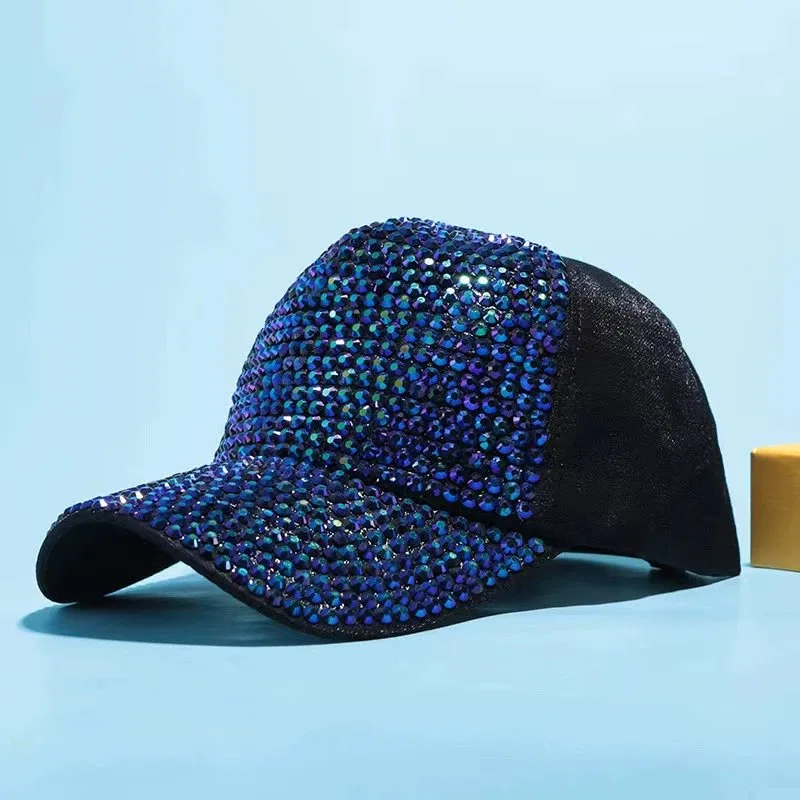
A retail statement cap, a team identifier and a gift-with-purchase item solve different commercial jobs. Define the customer, selling channel and intended outfit first, then decide how visible the decoration should be.
Use a bolder crystal field, tonal cap body or expanded surface treatment when the headwear is meant to lead the look. Share front, side and worn-angle references so the primary viewing face is obvious.
Keep a logo, initials or icon consistent with matching garments and accessories. The brief should lock capitalization, artwork proportions and color naming across every item in the merchandise family.
Plan place names, dates or team marks around the final delivery date and variant count. Short-lived campaigns benefit from a simple approval matrix and packing labels that identify each version.
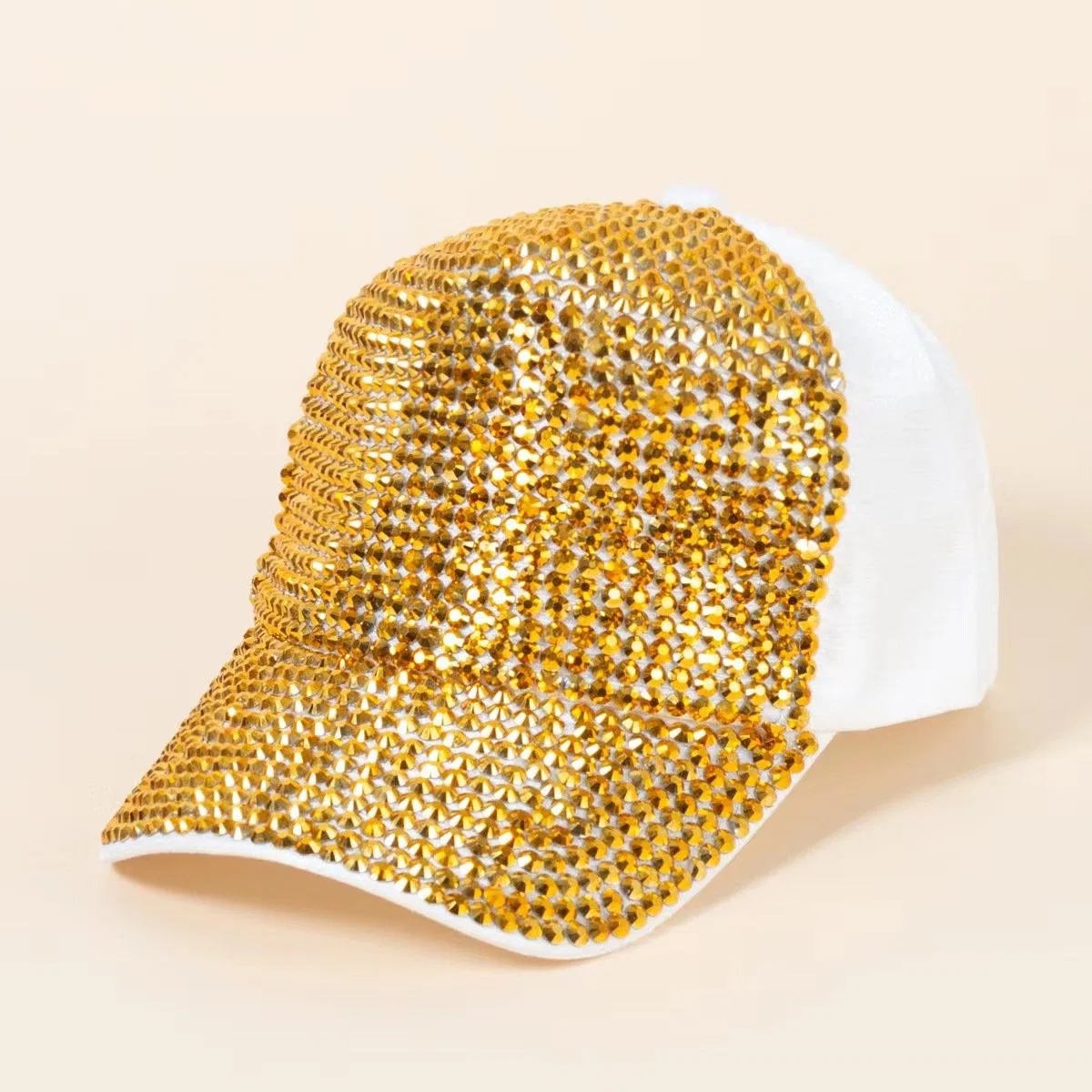
The cap is not a neutral canvas. Crown height changes how artwork reads, front seams divide the usable area, and a soft unstructured body behaves differently from a firmer panel. Record the cap reference, fabric and color, brim shape, closure style and intended fit before artwork is resized. If Teebling is matching a supplied sample, photograph the front, side, back and inside label and include a ruler in at least one image.
“Centered on front” is rarely enough for a curved product. A useful placement drawing names the panel, gives finished width and height, and shows the distance from a seam or brim line.
This is the strongest location for a logo, word mark or main motif. Keep essential letters clear of seam valleys and show the artwork at actual finished scale. If the design crosses a center seam, request that treatment explicitly rather than leaving it to interpretation.
A small icon, number or initials can create a secondary brand moment. Label left and right from the wearer’s perspective so photography does not reverse the instruction.
These areas introduce sharper curvature, handling and closure constraints. Provide a close placement sketch and treat each extra zone as a separate approval point.
For expanded or near-full crystal coverage, identify which fabric remains visible, which seams stay clear and how the cap should look from the front, side and top.
Artwork that is elegant on a flat screen may become crowded on a cap. Teebling’s review starts with the visual priority: exact wording, recognizable icon, crystal rhythm or overall coverage.
Supply editable vector artwork when available, outline the required spelling and note any element that cannot change. Small counters inside letters and thin gaps may need more breathing room at the finished physical size.
Give a width and height in one unit system, then place that box on a cap photo or drawing. Avoid asking a supplier to infer scale from a logo floating on a blank page.
Name each crystal or visible artwork color by its role and provide a visual reference. Screen colors are directional; the approved physical reference governs the commercial order.
If cap colors receive different crystal treatments, create a labeled row for each combination. A variant matrix is easier to quote, sample, pack and reorder than multiple unlabeled mockups.
Product photographs are useful for discussing direction, but they do not replace the order specification. Use these references to explain whether the project feels minimal, logo-led or surface-rich, then attach the buyer’s own measured artwork.
Start with silhouette, crown structure, brim, closure, body color and overall fit direction. A decoration can be correctly produced and still feel wrong if the underlying cap differs from the approved reference.
View the sample straight on, from both sides and on a head form. Confirm that the visual center works with seams and curvature, not merely with the cap laid flat on a table.
Review spelling, outline, spacing, color direction and the transition near seams. Mark any requested correction on a numbered photo so the next review can compare the same area.
Approve how the crown is supported, how embellished surfaces are separated and where tags or labels sit. Packing should preserve the shape buyers expect to see when cartons are opened.
A clean purchase plan separates creative decisions from quantities. It lets the quote, sample notes, carton labels and reorder record refer to the same variant names.
Name or reference for the approved body and closure.
Color assigned to each saleable headwear version.
File name, revision, finished size and placement zone.
Units requested for every cap and design combination.
Hangtags, labels, unit protection and carton marks.
Delivery location and the date the buyer is planning around.
Do not merge “assorted colors” into one number. List the quantity for each color and artwork combination so Teebling can review the real wholesale mix.
Attach the cap reference, artwork, placement mockup and variant table in one request. Explain the selling context and what matters most visually. Teebling can then discuss feasible next steps, sampling and commercial details against the exact project rather than a generic rhinestone hat example.
These answers help organize an initial inquiry. Final specifications, samples, pricing and delivery terms are confirmed for the individual Teebling project.
Share the cap silhouette, body material and color, closure direction, artwork file, finished decoration size, exact panel placement, quantity by variant, packing needs, destination and requested delivery window. Teebling can then review the cap and embellishment as one project.
Curved placement can be reviewed, but the usable area depends on crown shape, seams, structure and artwork density. A measured placement mockup and the actual cap reference help determine whether lettering or fine details should be simplified before sampling.
A multi-variant order can be discussed when the brief lists each cap color, artwork version and quantity separately. Keeping a clear variant matrix avoids mixing front graphics, side details, closures and packing labels during approval.
Buyers should review the cap silhouette, fit direction, artwork scale, centering, crystal appearance, seams, brim, closure and packing presentation. Approval comments should refer to one labeled sample or photo set so revisions remain traceable.
State whether the crown must be supported, whether decorated faces need separation, and whether unit bags, tags, barcode labels or retail-ready presentation are required. Final packing is quoted from the agreed cap shape, order mix and shipping plan.