


Identity and occasion
Sports, occupations, destinations, holidays and team icons can build a direct connection with a defined buyer. Confirm artwork rights for logos or protected marks supplied by the buyer.
Build a charm collection that buyers can identify, count, display and reorder. Teebling organizes motif references, connection hardware, tassels, colorways, quantities and presentation into a line-level wholesale brief instead of treating every sparkling object as the same product.
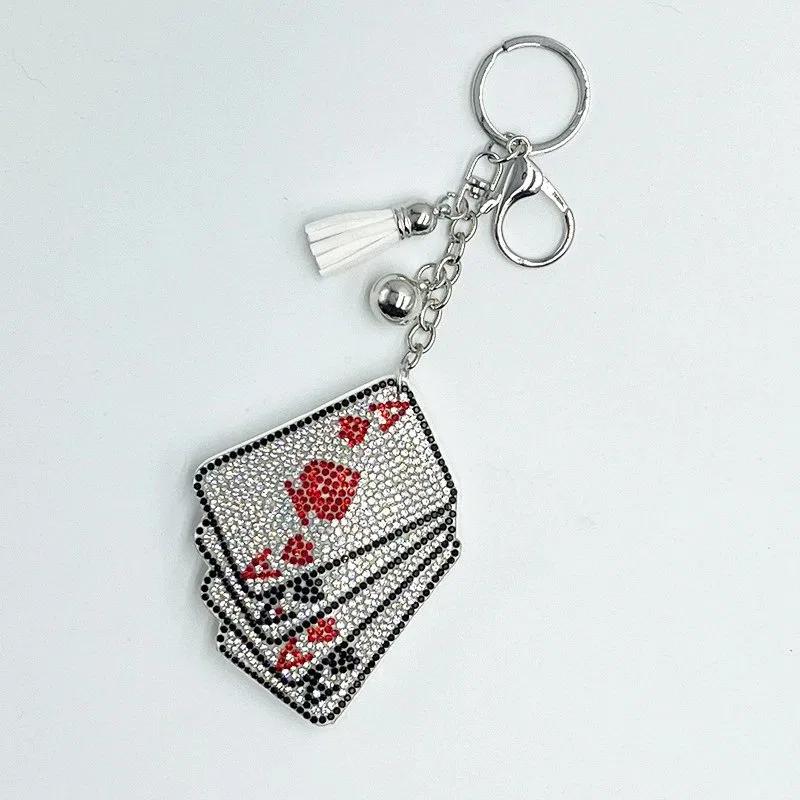
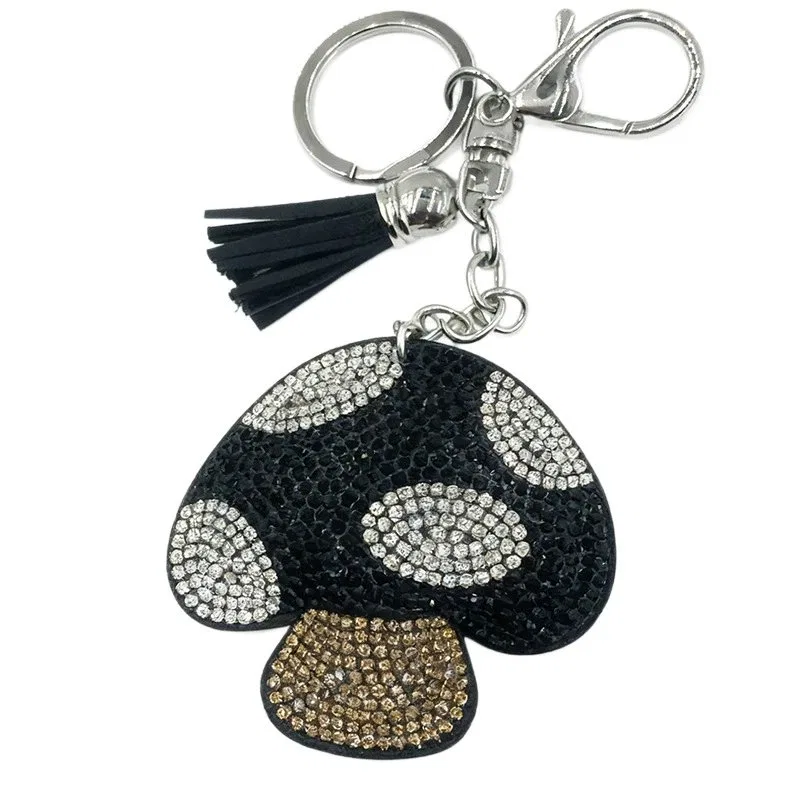
Begin with the audience and selling context: boutique add-ons, themed gifts, event merchandise, team accessories or private-label extensions. Then choose motifs that support one recognizable story. A catalog can provide many references, but a line list should explain why selected designs share a customer, occasion, palette or display.
Separate catalog items from custom requests. For a listed product, quote its exact URL or SKU and requested variation. For a new motif, supply authorized artwork, finished size direction, colors and intended hardware. This distinction keeps recorded product facts separate from a development brief.
Use families to make product selection, display and replenishment understandable. Every design still remains a separate order line.
Sports, occupations, destinations, holidays and team icons can build a direct connection with a defined buyer. Confirm artwork rights for logos or protected marks supplied by the buyer.
Hearts, lips, shoes, cards or graphic symbols can form a boutique story when color and hardware are coordinated rather than mixed without a plan.
Character motifs benefit from careful face, outline and color review at the actual finished dimensions.
State the intended context and required color direction without implying an affiliation or charitable claim that has not been established.
Follow the physical path from the decorated motif to the object that receives it. A charm sample is incomplete if the image is approved but a ring, chain or clasp remains unspecified.
Record material direction, finish and color for visible metal parts when these are important to the assortment. Ask for current options instead of inferring plating or durability from a photograph. Check that connections close, hang in the intended orientation and do not abrade the decorated face during packing.
Measure more than the motif. The complete hanging length includes every ring, link, clasp and tassel from top attachment to the lowest component. That dimension affects display cards, unit bags and how the charm sits on a tote, backpack or keys.
Give the tassel its own specification: material direction, color, length, cap or connector and quantity by variation. If a tassel is optional, create separate order lines rather than relying on a note that can be overlooked.
Width, height and orientation of the decorated body.
Distance from motif connection to ring or clasp top.
Tassel or pendant endpoint for the complete pack size.
A product family can share a motif while changing crystals, base, tassel or hardware finish. Give each physical combination a code and quantity so Teebling can review the actual assortment.
Record motif colors, base direction, hardware finish, tassel color and requested units.
Identify every changed component. Do not assume the name blue describes the same material appearance across batches or surfaces.
Mark any brand-critical color for current physical sample approval and state whether alternatives require written review.
Presentation protects the charm, identifies the style and communicates the collection. Include it before quotation so product and package dimensions can be considered together.
Separate metal hardware and tassels from surfaces that can scratch, tangle or press against crystal work. State whether each unit needs its own bag or wrap.
Provide card dimensions, hole or slot direction, approved artwork, required label text and buyer-owned barcode values. Teebling confirms available execution.
Define pieces per style and the order in which colorways are grouped. Use clear codes that match the purchase order and receiving sheet.
Handle the sample as the customer or retailer will. Open and close hardware, hang the charm on the intended product and observe whether components twist, catch or contact the decorated face. This is an inspection exercise, not a claim that one test establishes universal service life.
Record the sample identity, photographs and any correction. When a hardware part, motif construction or tassel changes, decide whether the old approval still represents the product being ordered.
Make the packing hierarchy mirror the line list so receiving teams can count without opening every unit.
One identified charm with the approved presentation.
Declared quantity by motif and colorway, not an unmarked mixed bundle.
Carton identifier and count by inner pack, connected to the packing list.
Show store, event, team or warehouse allocation when the order requires sorting.
These answers clarify what must be specified and what remains subject to current written confirmation.
List the exact product URL or SKU, motif, requested color, dimensions if recorded, hardware, tassel direction, quantity per variation, unit presentation and destination. Mark custom requests separately from catalog references.
Create a separate line for every motif and variation, then show the desired inner-pack ratio. Teebling confirms whether current commercial terms allow the requested mix rather than treating one blended total as proof.
Identify the required connection path from motif to final attachment, including ring, chain, clasp and tassel when applicable. Approve the complete hanging assembly, not only the decorated motif.
Describe carding, bags, label text, buyer-provided barcode values and inner quantities in the RFQ. Available presentation options and related cost are confirmed in the written quotation.
Inspect motif shape and finish, stone placement, hardware closure, connection points, tassel attachment, hanging orientation and the intended presentation. Record the approved item identity for reorders.
Send URLs or SKUs, quantity by design and colorway, hardware and tassel scope, unit presentation, inner-pack ratio and destination. Teebling will review the defined assortment and confirm current terms.