
Read Our Refund & Return Information
Tactile sample library / crystal applique

Rhinestone Felt Patches for Apparel and Craft Programs

Felt is not an invisible carrier. Its color, hand, visible open areas and contour shape become part of every crystal motif. Teebling helps wholesale buyers specify the textile base, rhinestone layout, perimeter, attachment and assortment identity as one patch rather than choosing only from a photograph.

Compare rhinestone patches
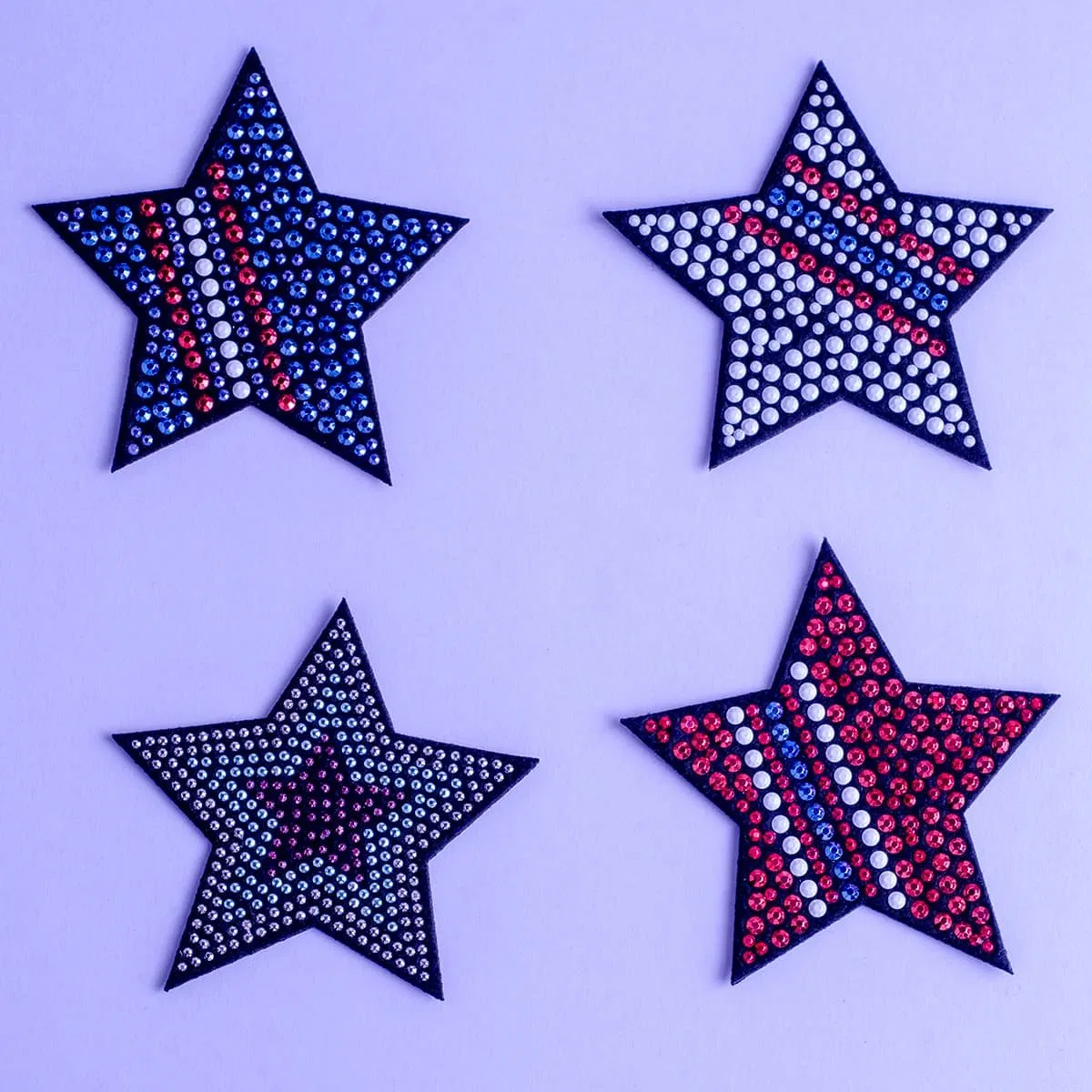
Star rhinestone felt patch pinned as a wholesale sample reference
SPECIMEN 17 / MOTIF + FELT + CRYSTAL MAP + EDGE + ATTACHMENT

Design the patch as a layered applique

A rhinestone felt patch combines a recognizable outer form with points of sparkle and areas of exposed textile. The same crystal arrangement can feel very different on black, cream or a saturated felt because the ground changes contrast and the spaces between stones.

Begin with the motif’s job: small apparel emblem, bag decoration, coordinated craft set or retail applique. State the intended viewing distance and product surface. Then define which shapes belong to the crystal map and which are deliberately expressed by felt.

Teebling can use a marked reference to organize the discussion, but the buyer should approve a physical sample with a stable item identity. A cropped product picture alone does not specify the base, reverse construction or how the patch will attach.
Pinned swatches

Base Weight Color and Hand

Describe the felt through a physical reference and its role in the design. Do not turn an unverified catalog label into a performance claim; record what the buyer can observe and what still needs sampling.

Dark neutralHigh contrast direction
Light neutralVisible ground direction
Jewel toneIntegrated color direction
Collection colorCoordinated range direction
Warm accentMotif highlight direction

For each approved base, retain a swatch or clearly identified sample and note the intended motif variants. Review thickness and flexibility in relation to the receiving product, edge shape and attachment route. If the felt changes, open a new sample comparison rather than treating color as the only variable.

Textile node map

Crystal Layout on Textile

The layout should explain which areas are densely mapped, which rely on felt and how important motif features remain readable.

Anchor features

Place the stones that define eyes, lettering, points or other recognition features before filling secondary areas.

Visible ground

Treat exposed felt as intentional negative space. Check that gaps do not look like missing stones.

Edge clearance

Maintain a reviewed relationship between the outer stone rows and the cut perimeter, especially around narrow points.

Color zones

Name each zone and retain an accepted physical reference with the map revision.

Motif silhouettes

Contour and Edge Treatment

The perimeter establishes how the patch reads before anyone sees the individual stones. Choose a regular or custom contour deliberately and review the finished edge from face and reverse.

Regular badge

A stable geometric boundary can unify varied internal motifs and simplify assortment presentation.

Pointed motif

Inspect narrow tips, internal angles and crystal clearance so the silhouette remains intentional.

Organic contour

Use a controlled outline rather than an arbitrary cut path generated from a low-resolution reference.

Collection shield

Repeat an outer family shape while giving each internal artwork its own approval identity.

The specification should state finished width and height, outline revision, edge direction and acceptable visible felt around the stone map. Keep photographs of the approved face and reverse so a reorder is not based on shape name alone.

Surface selector

Attachment by Product Surface

The intended garment, bag or craft substrate determines which attachment questions matter. A decorative patch is not universally compatible with every surface.

A

Sew-on assembly

Define placement, orientation, sewing allowance and any restricted crystal zones near the perimeter. Review the patch on the actual or representative product.

B

Heat-applied direction

Identify receiving material, finish and application equipment. Develop and document a construction-specific trial without publishing generic settings.

C

Removable system

If hook-and-loop or another removable approach is intended, specify the paired panel geometry and approve the assembled system.

D

Craft or resale use

State how the buyer expects the item to be presented and what application guidance is supported by the actual approved configuration.

When one motif is offered with several attachment routes, create separate item identities. A face approval does not automatically approve a new reverse construction or receiving surface.

Assortment wall

Motif Assortment Architecture

Build a range around a clear visual rule, then preserve configuration-level control. The collection may share a felt palette, outer shape or crystal language while every motif remains orderable and traceable.

Collection master

Record the range name, target product category, common felt and crystal references, naming system and packing concept. Shared rules should never obscure differences between designs.

Motif identity

Give each star, animal, letter or other artwork a stable code and proof revision. Avoid ordering by informal descriptions.

Configuration split

Separate dimension, felt color, crystal map and attachment combinations in the line list.

Quantity ratio

State the intended piece count for every item or agreed set; do not hide assortment quantities inside a total.

Pack relationship

Define individual, coordinated-set or mixed presentation and connect unit labels to the line list.

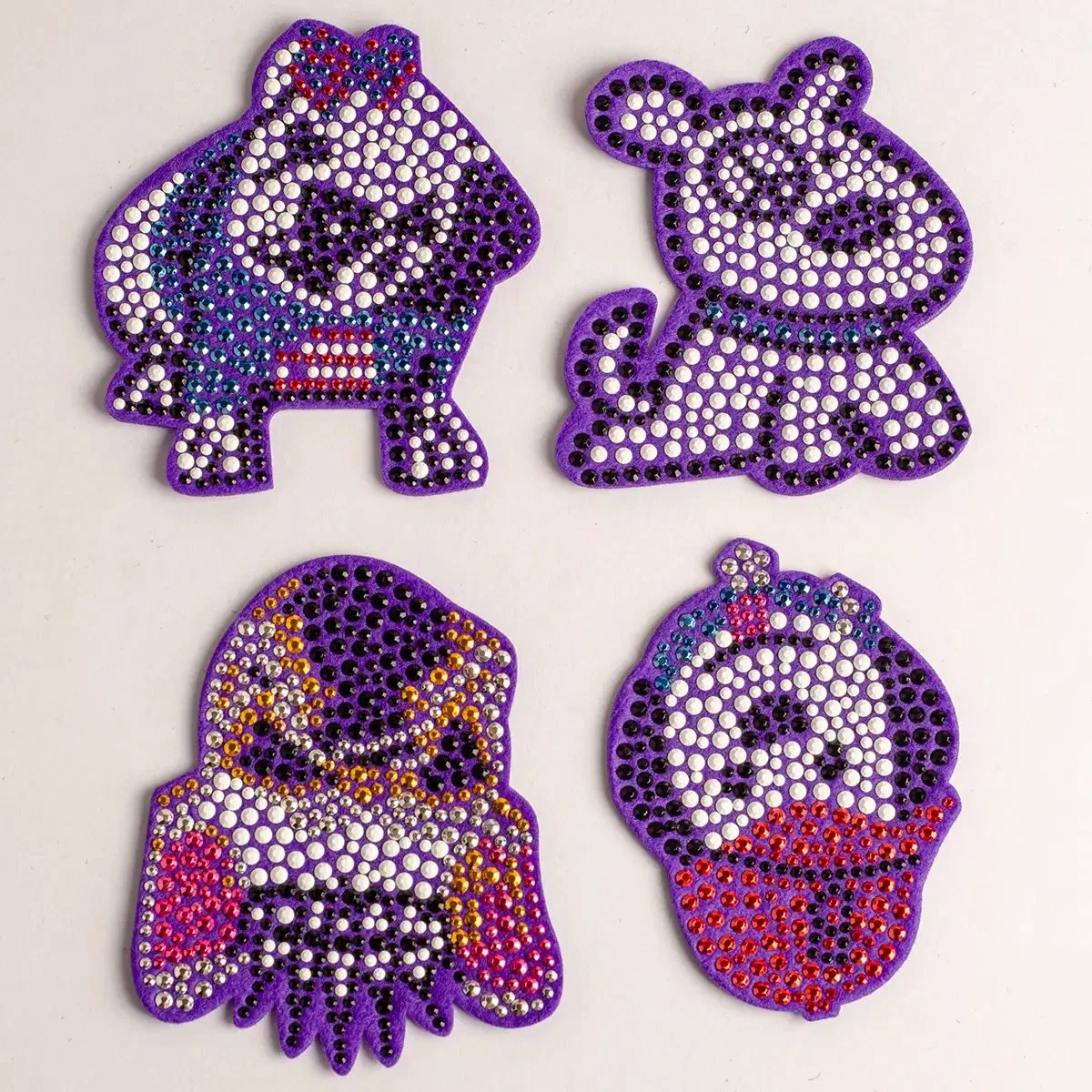
Cartoon animal rhinestone felt patch used for assortment sample review
Review recognition, felt ground, stone map and perimeter at the approved physical size.
Sample ticket

Sample the Patch on Its Intended Product

A tabletop sample proves only part of the decision. Position the patch on the garment, bag or craft surface and review scale, contrast, hand and attachment in context.

Identity

Motif code, artwork revision, dimensions, felt and crystal-zone references.

Construction

Visible face, perimeter, reverse and attachment route represented by the sample.

Placement

Receiving product, measured location, orientation and nearby construction features.

Decision

Approve, revise or resample with numbered observations and the scope of approval.

Sample-library questions

Buyer Questions for Rhinestone Felt Patches

Use these answers to create a specific inquiry. Final construction and attachment decisions should remain connected to the actual patch and receiving surface.

What should a rhinestone felt patch quote include?

List every motif, finished dimensions, felt color and construction direction, crystal color zones, contour, attachment method, intended product surface, quantity by design and packing relationship. Include source artwork and placement references where the patches will decorate finished goods.

Why should felt color be approved with the rhinestones?

Felt can remain visible between stones and around the contour, so it contributes to contrast and the overall motif. Review the physical combination under the buyer’s relevant lighting and against the intended garment, bag or craft material.

Can the same felt patch be used on clothing and bags?

The visual motif may be shared, but attachment and application should be reviewed for each receiving surface. Fabric composition, coating, texture, stretch, seam location and assembly workflow can change the appropriate backing or test plan.

How should a motif assortment be organized?

Give every combination of design, dimension, felt color, crystal map and attachment route a stable item identity. Define quantities and packing by that identity, then state whether designs are sold individually, as sets or in an agreed assortment ratio.

What should be checked on a rhinestone felt patch sample?

Review motif recognition, dimensions, felt appearance and hand, crystal layout, open areas, perimeter, reverse construction, placement on the receiving product, attachment trial and the item code used for the approved evidence.

Range request

Quote the Felt Patch Range

Send Teebling the motif artwork, dimensions, felt and crystal references, intended product surfaces, attachment direction, quantity by configuration, assortment relationship and packing needs. A defined range produces a more relevant wholesale discussion.

View a felt patch reference

Related patch guides

Welcome Guest!