


Code
TB-E09B6591B767
Qualify a sparkling lace as a working footwear component. Teebling buyers can connect recorded tube diameter to a requested length, eyelet clearance, tip design, bend route, pair identity and retail pack without confusing the item with a shoe patch.
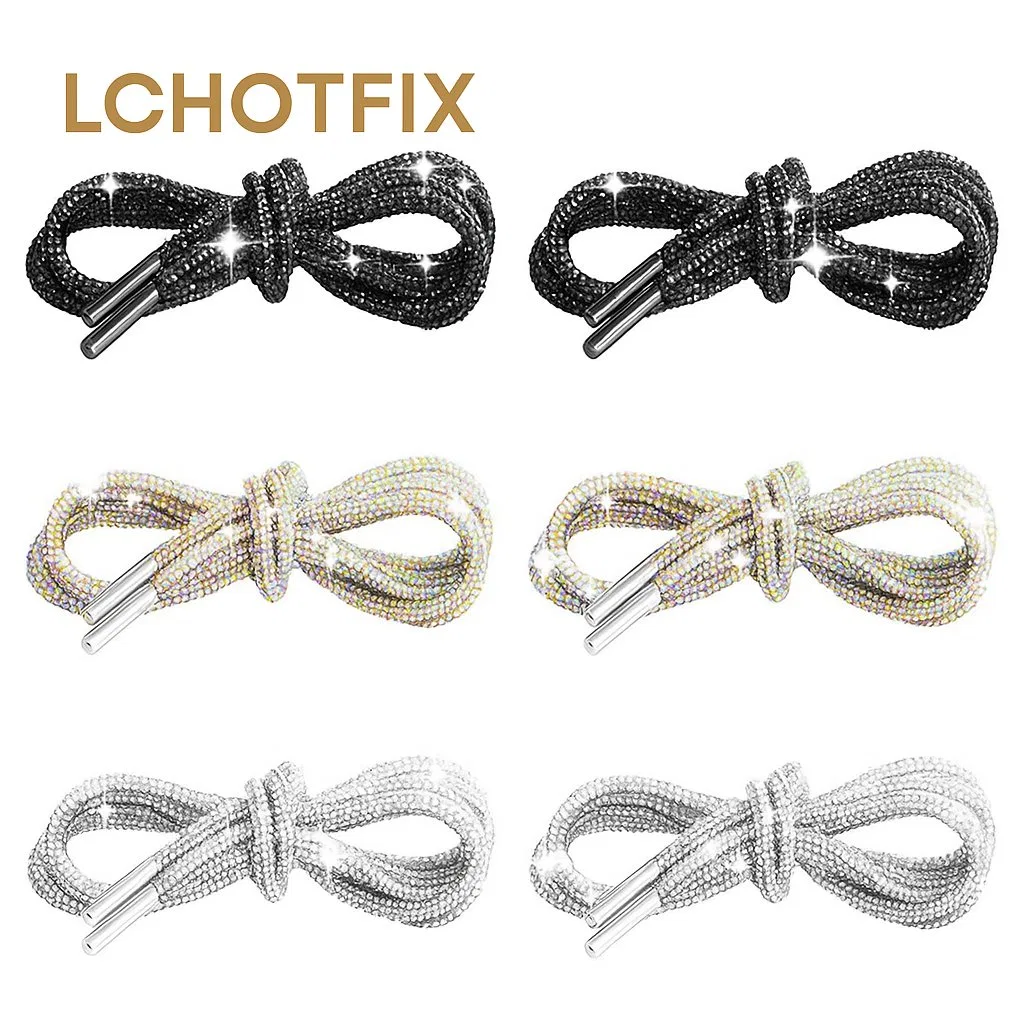
Product 85 is named Water-Diamond Rhinestone Tube Shoelace. The database records material as “rhinestone and strip,” item code TB-E09B6591B767, diameter 5 mm and MOQ 50. It does not record a shared finished length, end-tip material, tip dimensions, stretch value, weight, shoe compatibility or retail packaging. Those missing fields are not defects to fill with assumptions; they are prompts for the supplier quotation and physical sample. Use the database identity on every correspondence so gallery details are not accidentally applied to a different footwear accessory.
TB-E09B6591B767
Rhinestone and strip
5 mm
50
Request and approve
A rhinestone shoe accessories wholesale brief should describe how the visible surface is expected to look when straight, crossed and tightened. Review the sample under consistent lighting and photograph the same marked area before and after lacing. Note gaps, rotation, compression, snagging or exposed underlying strip as observations rather than turning them into unsupported performance claims. Ask the supplier to identify the quoted construction layers and permitted color directions. Compare the tube at normal viewing distance as well as close range. If several shoe colors are planned, place the same sample against each upper because background contrast changes the merchandising result.
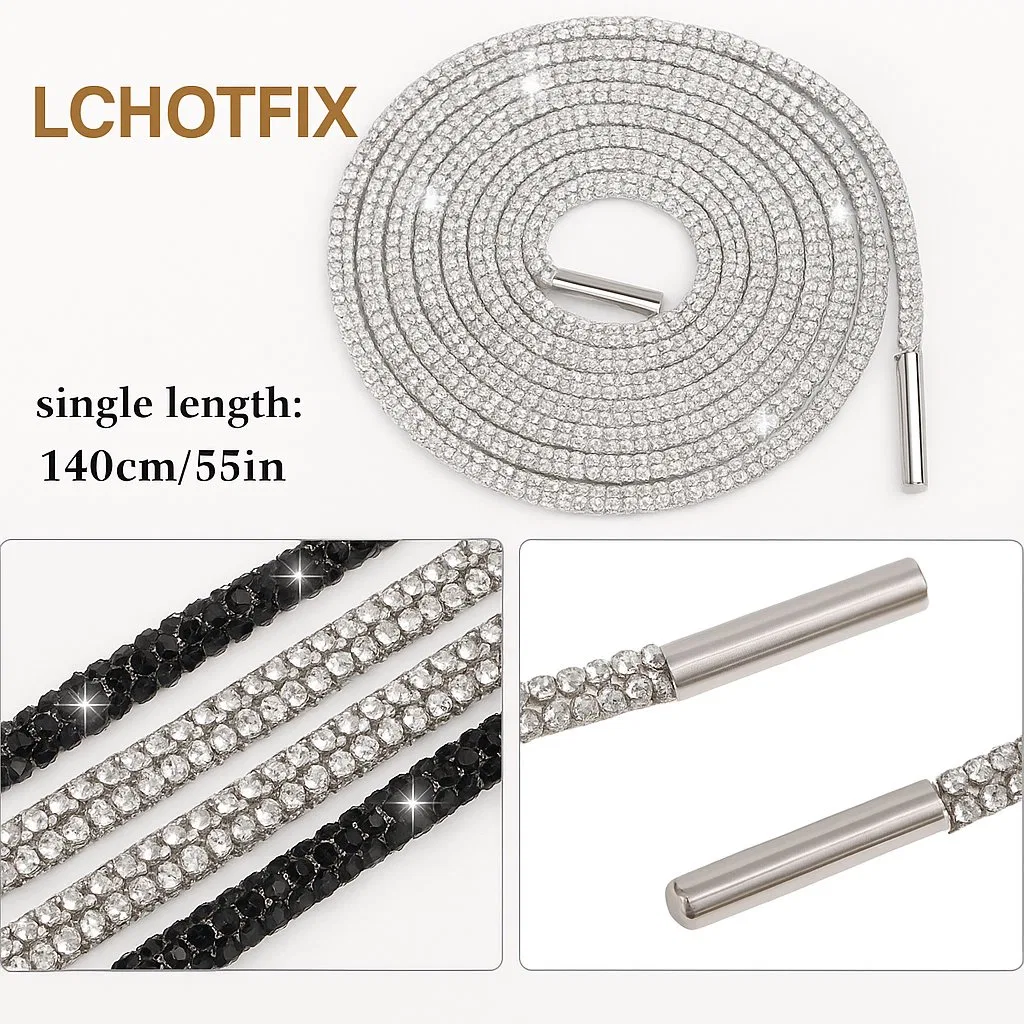
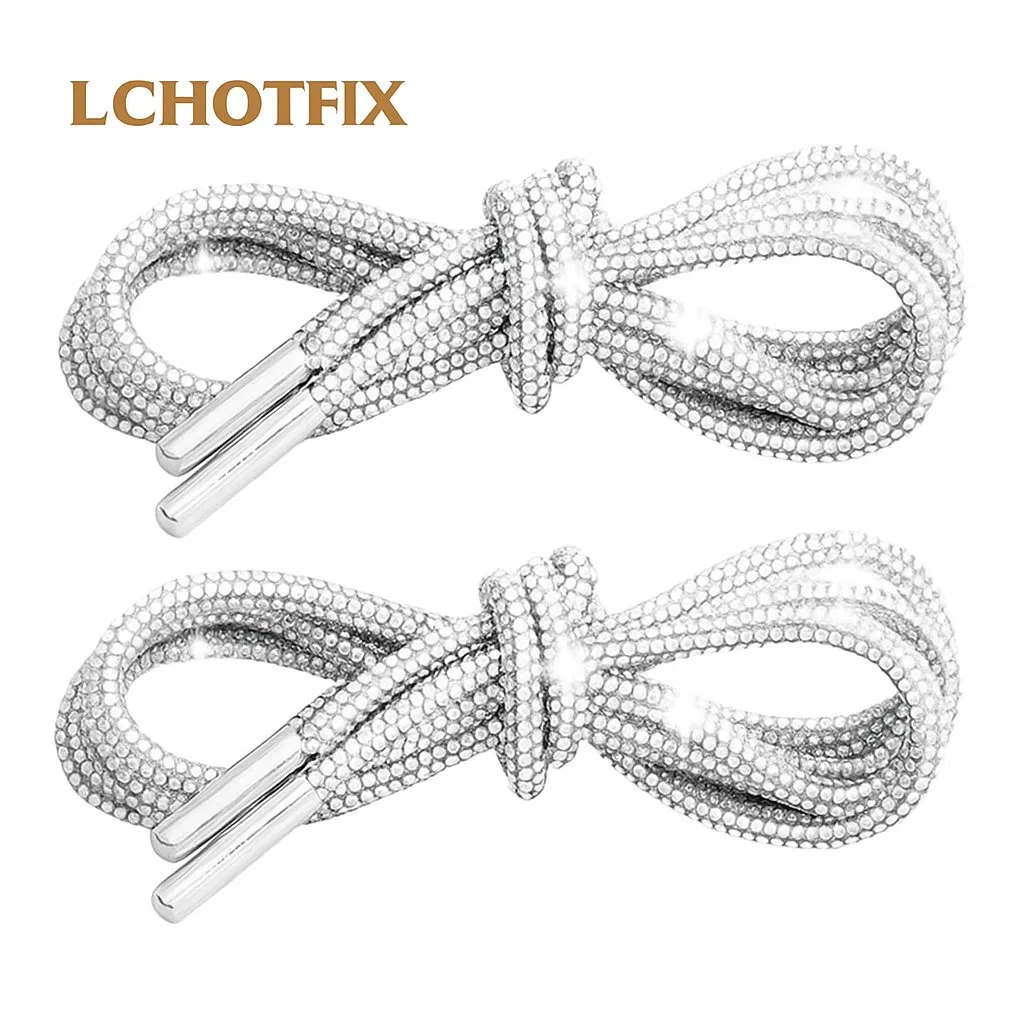
Identify shoe style, size, eyelet count, eyelet spacing and the intended lacing pattern. Remove and measure a suitable reference lace without stretching it, then document whether the measured value includes the rigid tips. Allowance for a bow, tucked finish or decorative tails should be intentional. A low-cut shoe with six eyelet pairs and a high-top with twelve pairs cannot share a length merely because both accept a five-millimeter tube. If a size range uses different upper geometry, sample the boundary sizes rather than extending one result to all pairs. Store the request as a finished pair specification, including acceptable left/right length comparison defined by the buyer and confirmed by the supplier.
Model, size, eyelet count and spacing.
Crossing sequence, top finish and desired tail.
Finished length basis, tip inclusion and variant code.
Measure the usable eyelet opening and compare it with the finished tip, not only the recorded 5 mm tube. Thread the sample repeatedly through a production-representative eyelet while noting resistance, surface contact and any visible change. Include hooks, webbing loops or concealed channels if the footwear uses them. Do not force an oversized component and then call the resulting observation a normal use condition. Ask the supplier to record tip outer size, material, color and attachment on the sample sheet. When the tip and tube differ substantially in stiffness, evaluate both the first pass and the turn required by the selected lacing route.
Name the smallest opening, the exact sample, passage direction, number of buyer-defined repetitions and observed condition. Preserve photographs of the tube, tip and eyelet after the trial.
Install the left and right laces according to the approved diagram, keeping the same starting orientation. Photograph the untensioned route, the buyer-defined tied condition and the finished bow or tuck. Note whether the decorative face rotates away, the tube crowds neighboring crossings, the tips reach the planned location or the pair appears uneven. Wear simulation, flex counts or pull methods must come from an approved project protocol; this guide does not create universal acceptance values. Compare results only when shoe, size, lacing path and sample revision are controlled. The leaf shoe patch guide covers a separate attached component and should not substitute for lace testing.
| Checkpoint | Document | Decision |
|---|---|---|
| Installed loose | Route and face orientation | Continue or relace |
| Tied condition | Tail, bow and tube crossings | Approve appearance or revise length |
| After project trial | Marked tube, tips and eyelets | Release, hold or resample |
Define whether each unit contains one matched pair and whether the two pieces share identical color, length, tip and decorative orientation. Give every combination a SKU that does not depend on the packer recognizing subtle sparkle differences. Pair pieces before unit packing, align the tips for a quick visual comparison and attach a temporary identity that does not damage the surface. If mixed colors are allowed, describe them as a named pair rather than an informal assortment. Receiving checks should reconcile pair count, unit label, requested variant and visible condition before stock enters the retail channel.
Verified variant and finished request.
Matched tube, tip and identity.
Color, length, pair quantity and lot.
Count and visual condition at opening.
Reference Product 85 and its listed MOQ 50, then state the quantity basis clearly: pairs, individual laces or another supplier-confirmed unit. Add requested finished length, color direction, tip specification, shoe examples, eyelet dimensions, lacing diagram, sample quantity, unit packing and carton splits. Buyers sourcing custom clothing accessories or private label fashion accessories should identify artwork and branded-card responsibility separately from the lace component. Request a written list of included and excluded details, the sample revision and the evidence required for approval. For a larger private-label program, connect the dossier to the merchandise packaging guide and custom garment accessories overview.
Product identity, length, diameter reference, tip, color, shoe and test route.
These answers keep the recorded five-millimeter component reference distinct from buyer-selected length, tips, footwear and packaging.
Product 85 records item TB-E09B6591B767, rhinestone and strip material, a 5 mm diameter and MOQ 50. Its database size field does not state a finished lace length.
A five-millimeter diameter describes the tube width, not the usable lace length. The shoe model, eyelet count, lacing route, knot allowance and desired tail influence the requested pair specification.
No. The recorded item is a shoelace component. Iron-on sparkle transfers are a different construction and should not be used to describe its tube, tips or lacing behavior.
Name the requested tip material, color, length and outer dimension, then test each sample through the intended eyelets and record any snagging, compression or separation observation.
State the shoe reference, eyelet geometry, requested finished length, 5 mm product reference, pair quantity, color direction, tip requirement, lacing test, pair labels, unit pack and carton allocation.