


Footwear intake
Identify brand-neutral product code, adult or youth sizing, upper material description, color, left/right quantity and any construction feature near the leaf. Include a representative shoe or material panel when possible.
A leaf patch shoe project begins with the footwear, not with an isolated motif photograph. Map the exact upper material, curved placement, leaf direction, pair logic and attachment test before treating a rhinestone applique as ready for production.
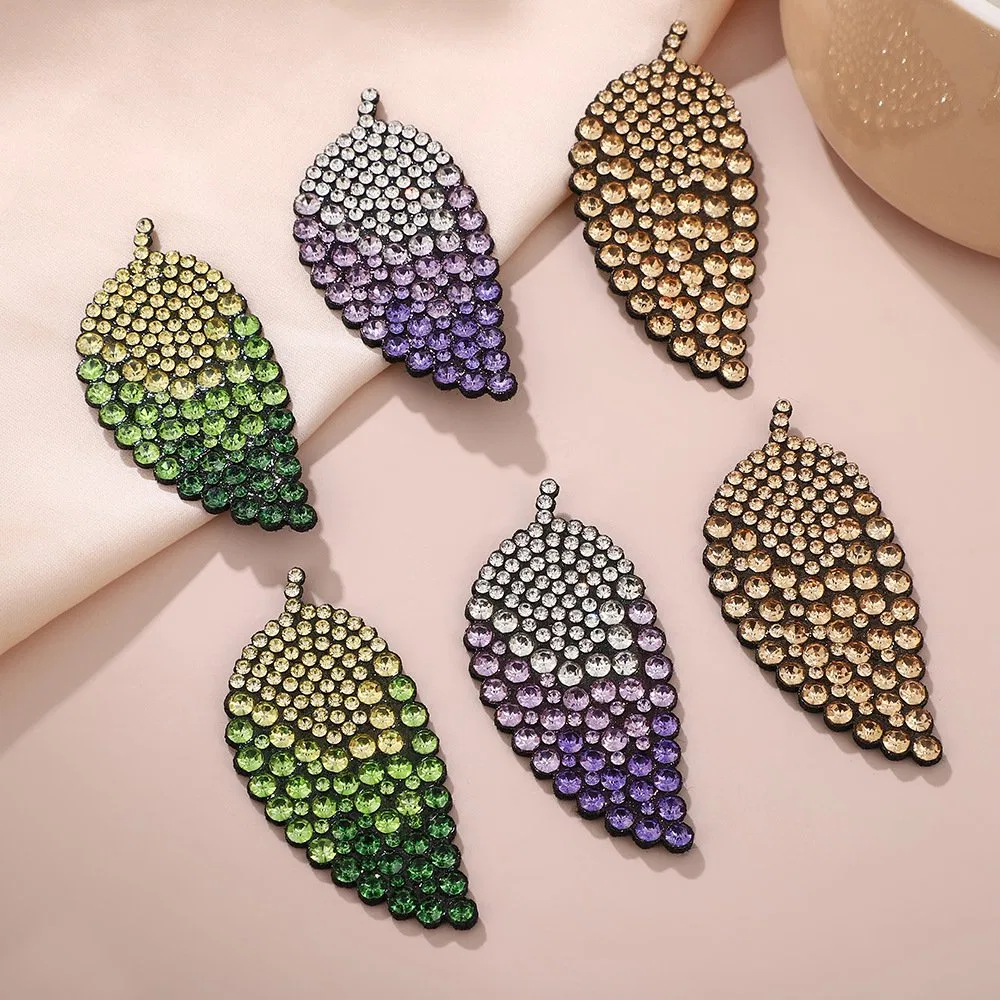
“Shoe” is not a usable material specification. Record the style, upper composition, coating or finish, lining, padding, seams and intended placement. A flat canvas panel, a coated synthetic upper and a structured sneaker can react differently to pressure, temperature and handling. Photograph the real pair from the top, side and placement angle, then mark the available area with physical dimensions. State whether Teebling is being asked about the patch component only or a broader application project. That boundary determines which sample evidence and packing instructions belong in the quotation.
Identify brand-neutral product code, adult or youth sizing, upper material description, color, left/right quantity and any construction feature near the leaf. Include a representative shoe or material panel when possible.
Use SKU YW-QS-002 when referencing the catalog example. Its database record states rhinestone and felt fabric, 3 x 6.5 cm and a 100-piece minimum order.
The recorded leaf is a rhinestone-and-felt-fabric patch. Its visible result includes the crystal map, the shaped base, the perimeter and the reverse, even when a product photograph draws attention toward the stones. Review the 3 x 6.5 cm dimensions against the actual shoe at true scale. Narrow tips, internal veins and open gaps can behave differently from the broad center when the component follows curvature. Ask the quotation to state the supplied construction, selected color direction and proposed attachment. Do not infer an adhesive chemistry, a press setting or universal footwear compatibility from the category name.
A placement drawing should show the leaf in relation to seams, eyelets, reinforcements, flex lines and the opening of the shoe. Measure the usable surface instead of scaling from a marketing photograph. The same 3 x 6.5 cm patch may sit comfortably on one panel and bridge a ridge on another. Evaluate the view from normal standing distance as well as the contact area underneath. If the motif crosses a change in material or padding, treat each zone as a separate risk in the test record.
Check curvature, overlays and the repeated angle from pair to pair.
Allow for laces, folds, branding and pressure against the foot.
Review the tighter curve, seam structure and viewing orientation.
Footwear surfaces often combine textiles, coated panels, synthetic elements, foam and adhesive-built layers. A supplier needs the exact receiving product or a representative panel to review an attachment direction. Heat, pressure or solvent exposure may alter appearance or structure, so this page cannot declare any shoe universally suitable. Record the manufacturer's care information available to the buyer and protect components that are not part of the application zone.
Document weave or knit, stretch, texture, padding and whether the inside can be supported during a trial.
Name the finish if known and inspect a hidden test for gloss, marking, distortion or color change.
Note reinforcement, curvature and limited access that may prevent even contact across the leaf.
Avoid assuming one method behaves identically where the patch crosses two upper materials.
Leaf motifs carry a visible direction. Decide whether both shoes receive an inward-facing pair, an outward-facing pair, identical orientation or one decorated shoe. Place a true-size paper outline on each shoe and photograph the decision from a consistent viewpoint. Assign an orientation code before ordering so production, packing and receiving teams do not improvise. The total patch requirement must be reconciled with pairs: one hundred pieces could represent one hundred single placements or fifty two-patch sets, subject to the final quotation and allocation.
Record the stem position, point direction, anchor measurement and shoe size used for approval.
Confirm whether this view mirrors the approved left or repeats the same artwork orientation.
Request the proposed attachment direction in writing, then run a representative trial with the exact shoe construction and intended equipment. Do not begin by copying settings from an unrelated garment. The record should identify the patch, shoe, operator, fixture or support, supplier instruction and every observable result. Initial appearance is only one checkpoint; the buyer should also define suitable flex or wear observations for the intended use without turning a limited sample into a universal durability claim.
Photograph the clean placement zone, inspect the patch face and reverse, and label both components.
Record the approved method, support, alignment marks and any protective layer used during the trial.
Inspect leaf angle, edge contact, surface change, stone map and the behavior requested by the buyer.
A long leaf outline can rotate, snag or become hard to identify when mixed loosely with other orientations. Specify flat protection, interleaving if relevant to the quoted construction, left/right labeling and counts per inner pack. If patches travel to several decorators, stores or kits, state those splits before master-carton planning. The receiving checklist should compare bundle codes, quantities and the retained sample rather than relying on a generic “leaf patch” description.
Separate L, R and single-placement versions with unmistakable labels.
Keep leaf points, crystal faces and backing surfaces from rubbing or folding in transit.
Carry SKU, artwork revision, color, count and destination onto the inner-pack record.
Reference YW-QS-002 and attach the footwear photographs, upper description, measured placement, left/right decision, requested total, color direction and destination. State whether the 100-piece minimum is being allocated as singles or paired orientations. Add the desired attachment direction as a question, not an assumed fact, and request a representative sample path. Teebling can then review a specific scope and confirm current construction, commercial terms and what evidence is needed before production. Use the rhinestone felt patch guide to define the visible textile base, the hotfix versus glue-on guide to frame an attachment inquiry, and the sample approval checklist to organize evidence. None of those guides replaces the shoe-specific upper trial.
These answers establish a careful starting point for a footwear request. The approved sample and written order remain the controlling evidence for the selected shoe, patch and attachment.
The documented reference is the Rhinestone Leaf Patch for Shoes and Clothing, SKU YW-QS-002. Its recorded construction is rhinestone and felt fabric, its recorded dimensions are 3 x 6.5 cm, and its current minimum order is 100 pieces.
No. For the selected rhinestone patch, shoe uppers can vary in fiber, coating, padding, adhesives, curvature and heat tolerance. Identify the exact footwear material and construction, then request an attachment direction and test a representative sample before approving a run.
Decide that in the artwork and packing brief. A mirrored pair, two identical leaves or a single-shoe placement create different item counts and sorting needs, so each approved orientation should have a clear identifier.
Check finished position, leaf angle, visible felt perimeter, crystal alignment, edge contact, surface change and flex behavior in the intended zone. Record what was tested rather than extending the result to other footwear.
Ask for left and right orientations to be separated or paired under labeled item codes. Add the approved artwork revision, color direction, quantity and destination split so receiving teams can identify the correct set.