


Can it accept a controlled heat trial?
Hotfix review requires access to the application zone and a representative substrate that can be tested under controlled settings. Do not assume compatibility from the word “fabric.”
Compare hotfix and glue-on rhinestone methods by beginning with the receiving surface, construction and production workflow. Hotfix uses a heat-activated adhesive system; glue-on placement adds a separately selected adhesive and curing process. Neither route should be approved from a name alone. Define the product, artwork, access, equipment and sample test first.

List the exact garment, accessory, shoe, hard good or other product. Add composition or material information available from its supplier, finish, color, flexibility, seams, hardware and use context. A method that suits one textile may be inappropriate for a coated, heat-sensitive or irregular surface.
Hotfix review requires access to the application zone and a representative substrate that can be tested under controlled settings. Do not assume compatibility from the word “fabric.”
A glue-on workflow needs a suitable separately chosen adhesive, placement control, curing conditions and handling plan. The receiving surface and intended use inform that selection.
Map seams, pockets, linings, zippers, rivets, curves and narrow openings. These features can alter support, pressure, placement or the ability to reach the intended zone.
In a hotfix transfer, the artwork is arranged on a carrier and the adhesive system is activated through a controlled application process. The benefit to a wholesale program is not an automatic durability promise; it is the ability to define one complete motif, position it as a unit and preserve an approved artwork code for repeat production.
Confirm physical dimensions, stone spacing, colors or effects and the relationship between fine details and the final viewing distance.
Give measurable coordinates and check that the intended area can be supported evenly without thick construction underneath.
Record equipment, temperature, time, pressure, peel and any support used for that exact transfer-and-substrate combination.
Inspect stone alignment, edges, garment appearance and agreed care results, then archive the accepted physical sample identifier.
Loose or individually placed stones require a separately selected adhesive and a controlled placement and curing method. Teebling can help review the rhinestone product direction, but the buyer or applicator must validate the complete adhesive system on the actual receiving surface. Avoid treating “craft glue” or “industrial glue” as a sufficient technical instruction.
Stone: size, shape, backing or finish reference proposed for the design.
Surface: exact product material, finish, flexibility and preparation condition.
Adhesive: selected product and instructions controlled by the applicator.
Pattern: measured coordinates, spacing template and inspection tolerance.
Curing: recorded conditions, handling period and physical sample outcome.
Method selection must include available equipment, skill, positioning control and the geometry of the item. A flat apparel panel, curved cap, shoe upper and rigid accessory offer different access. State where application occurs and who is responsible for the finished result.
A carrier-based hotfix motif and an individually placed glue-on layout can start from the same visual idea but require different production instructions. Define scale, line detail, stone count direction, spacing and placement tolerance only after the method has been selected for review.
Hotfix layouts can preserve the relationship among stones on a carrier. Confirm the carrier orientation, physical size and registration marks where applicable, and make separate codes for variations instead of modifying artwork informally at application.
A glue-on project needs a repeatable way to locate individual elements. Record the template, datum points and inspection approach, especially when a design spans a curve or irregular product.
Use deliberate gaps to support legibility and avoid unnecessary crowding.
Separate common motifs from personalized data and define who approves each list.
Assign each proposed stone reference a role and approve it on the receiving color.
Do not compare methods only by how a fresh sample looks. Review the full production sequence and the agreed use-oriented tests. Record what was applied, how it was applied and what was inspected. Any conclusion should remain limited to the tested materials and conditions.
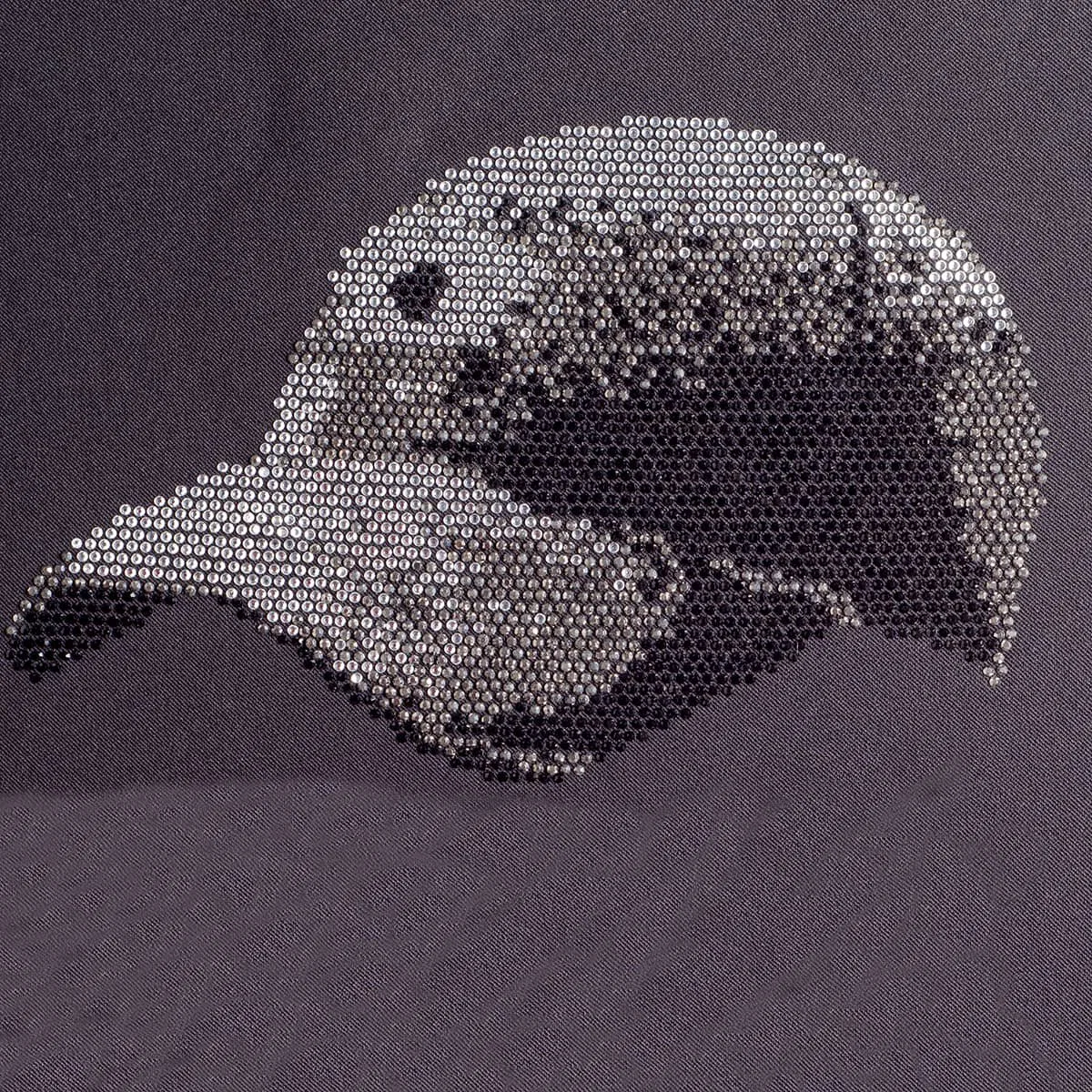
Keep the transfer code, receiving product, application settings, support and peel method, flat inspection, placement review and agreed care evidence. If a different garment or finish enters the order, decide whether another trial is required.
Use the heat-press test guideKeep the stone reference, surface preparation, adhesive identity, placement template, curing record, handling control and agreed inspection. Do not substitute an adhesive or curing method without treating it as a controlled change.
Compare rhinestone patch optionsThe purchase order should identify the accepted application family and the exact product scope. For transfer-only orders, define what Teebling supplies and what the buyer applies. For finished items, define the garment or object, artwork, placement, approved sample, quantity split and pack-out.
METHODHotfix transfer, finished hotfix application or glue-on stone supply, with the responsible applicator named.
SAMPLEReference the exact sample and test record used to authorize the order.
CHANGEState which material, stone, adhesive, garment or artwork changes require a new review.
Attach clear product images, material and finish information, artwork at physical dimensions, placement, quantity, expected application location, available equipment, sample needs, packing and destination. Teebling can review hotfix product directions and identify questions that must be answered before a quote.
Material, finish, shape, construction and use.
Flat support, curves, seams, hardware and equipment.
Dimensions, spacing, placement and variations.
Trial method, inspection and approval owner.
Hotfix products use a heat-activated adhesive system and require a compatible receiving surface and controlled application. Glue-on stones are placed with a separately selected adhesive, so placement and curing form a different production workflow.
No method should be selected from the product category alone. Review the actual textile, finish, construction, application access, artwork, equipment and sample result before deciding which path fits the project.
Seams, zippers, rivets and layered construction can prevent even support and pressure. Map these obstacles, move the artwork where possible and validate any proposed placement on the representative product.
No universal adhesive should be inferred. The buyer or applicator must select and test an adhesive system appropriate to the exact stone, receiving surface, use and curing process.
Keep the substrate reference, artwork and placement code, materials used, controlled application or curing record, physical sample identifier, inspection notes and named buyer approval.