


Channel
Store, event, online or program.
Allocate garment sizes without inventing a universal sales curve. This Teebling worksheet separates audience and fit evidence, blank availability, artwork quantity, color split, sample boundaries and purchasing reserves so a bulk hotfix T-shirts size run remains explainable.
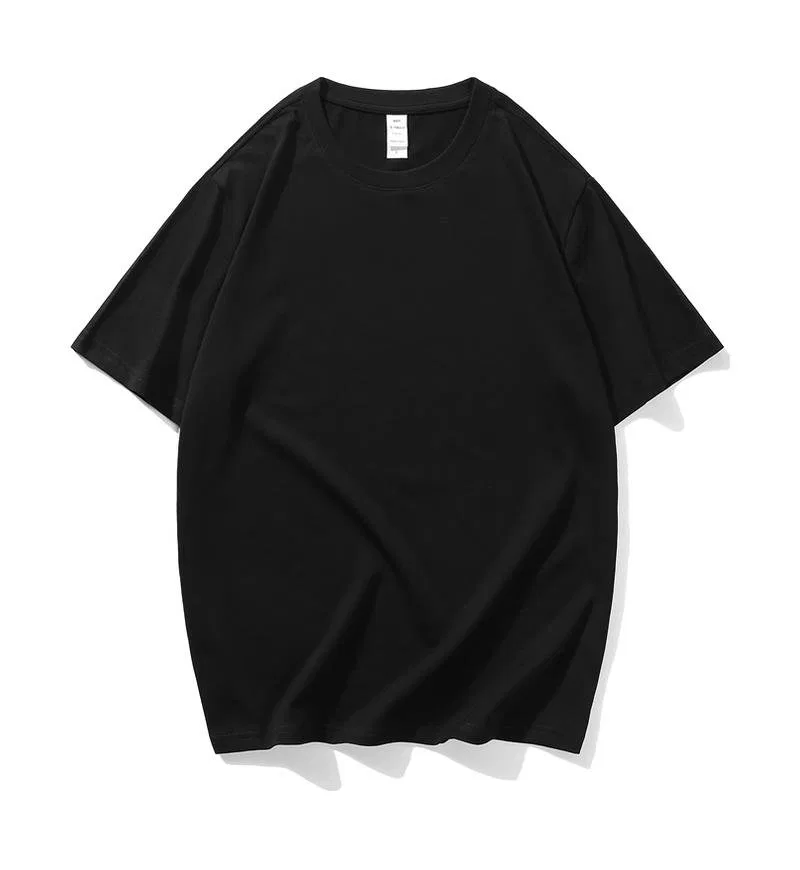
Start with channel, geography, wearer, fit preference, garment silhouette, sales window and evidence period. Separate adult male, adult female, youth and unisex marketing only when the selected blank and size chart support those labels. Queries such as Las Vegas T shirts for women can reveal language that shoppers use, but search impressions do not establish a purchase curve. Prioritize actual sales and returns from a comparable garment, then document any judgment used where history is thin. Note excluded channels so a resort-shop result is not silently applied to an online campaign or corporate event.
Store, event, online or program.
Defined group and fit expectation.
Comparable sales and return window.
Launch timing and replenishment horizon.
Assumptions marked for review.
Product 172 records 100% cotton, item ZQLW-T-001 and MOQ 50; its stored options span male S–5XL, female S–4XL and kids XS–4XL. Product 171 records a rhinestone-decorated customizable blank, item EVA-LAS-009 and MOQ 50, with male S–5XL and female S–3XL options. Product 179 records 100% cotton with premium clear hotfix rhinestones, item EVA-LAS-080 and MOQ 50, with male S–5XL and female S–4XL. These ranges are database evidence, not current stock guarantees; confirm availability and the applicable size chart.
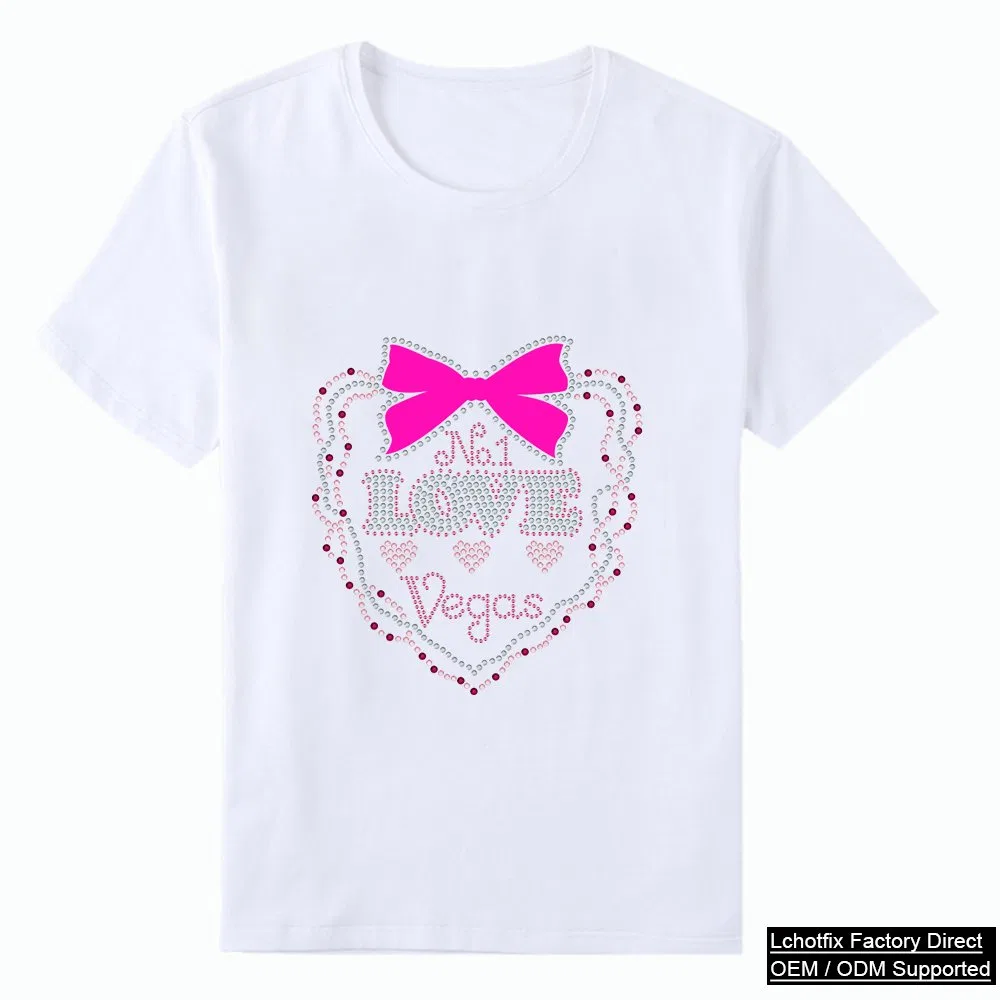
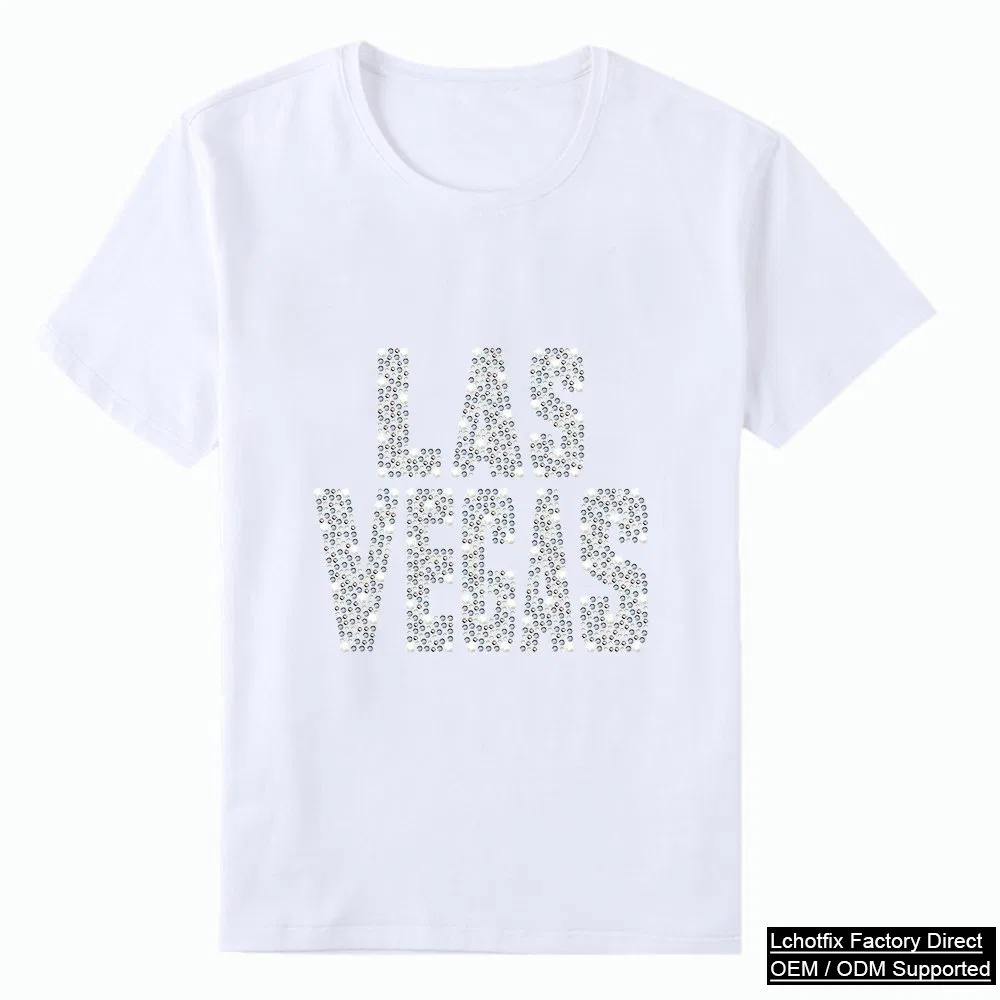
S, M or 2XL is not a physical specification by itself. Obtain the current chart for the quoted blank and record garment measurement points, units, tolerance source and chart revision. Identify whether male, female, kids or another supplier fit block applies. Compare the chart with a physical sample at sizes that matter to the buyer, especially where the assortment crosses fit groups. Keep body measurements, garment measurements and marketing size names in separate columns. If the blank changes, reopen the allocation even when the printed size labels look familiar. A cotton blank assessment can organize related fabric and construction evidence.
Use the supplier chart attached to the selected product and revision.
Do not infer equivalent dimensions from a matching letter label.
Confirm the intended age or measurement basis with the buyer.
Build at least a base scenario and a credible alternative. State the source behind each percentage or count: comparable sales, preorders, account commitments, event registration or buyer judgment. Reconcile every scenario to the exact total and flag sizes with insufficient data. Test how color or design splits affect the tail sizes; dividing a modest total across many artwork-color combinations can create allocations too small for a practical program. Do not hide a zero quantity inside a percentage rounding rule. Ask stakeholders to select the scenario and sign the assumptions before a purchase order is issued.
Comparable garment transactions from a defined period.
Named account quantities or verified preorders.
Buyer hypothesis marked for tighter review.
Alternative tail-size or channel behavior.
A request for bulk hotfix T shirts often combines several decisions too early. First allocate the selected blank by fit group and size. Then divide those units by garment color using audience evidence. Finally assign artwork or transfer version, checking that placement fits each garment size. Track undecorated blanks, transfer inventory and finished shirts separately so one surplus cannot conceal another shortage. When a custom rhinestone T-shirt manufacturer supplies the complete unit, require the same underlying grid in the quotation rather than accepting only a grand total.
Select sample garments because they answer questions, not simply because they are convenient. Review a central size for overall appearance, a smaller boundary for artwork and seam clearance, and a larger boundary for scale and placement consistency when those sizes are in scope. Confirm measurement chart, garment color, artwork version and application instruction for each sample. Record whether one transfer dimension is used across the range or whether graded artwork is proposed. If grading is introduced, it creates additional artwork and inventory identities that must appear in the order plan. Preserve approved samples or controlled photographs with rulers and placement anchors.
Panel width, neckline relationship and placement clearance.
Primary styling and construction approval.
Visual scale, position and available print area.
Give every row fit group, size, garment color, artwork, quantity, blank product, unit definition, sample status and destination. Show the source total and formula so the matrix can be reconciled. Any buffer should have a named purpose, owner and disposition; it is not a substitute for uncertain planning. Confirm supplier availability and whether minimums or commercial terms apply at product, color or variant level. Link the grid to the approved chart, garment sample, decoration proof and packing instruction. The custom T-shirt transfer order guide can connect garment counts with transfer quantities, and the custom rhinestone T-shirt guide can frame the finished-garment review before release.
| Fit | Size | Color | Artwork | Qty |
|---|---|---|---|---|
| Named group | Chart label | Blank SKU color | Approved version | Evidence-led count |
| Named group | Chart label | Blank SKU color | Approved version | Evidence-led count |
The responses below distinguish stored fit options from supplier availability and the buyer's own demand model.
No. A size run should come from the buyer’s audience and sales evidence, then be reconciled with the recorded fit options and supplier-confirmed availability for the selected garment.
Its generic size field is blank, while stored options list male S through 5XL, female S through 4XL and kids XS through 4XL. MOQ is 50 and item code is ZQLW-T-001.
Search interest can inform merchandising language but cannot replace channel-specific sales, fit expectations, returns, regional demand and a confirmed garment size chart.
Track them in linked but separate columns. Transfer designs may be usable across several garment sizes, while finished-shirt inventory is locked to a specific fit, color and placement.
Review the grid when garment style, size chart, audience, channel, color plan, artwork placement, supplier availability or credible sales evidence changes.