


Playful
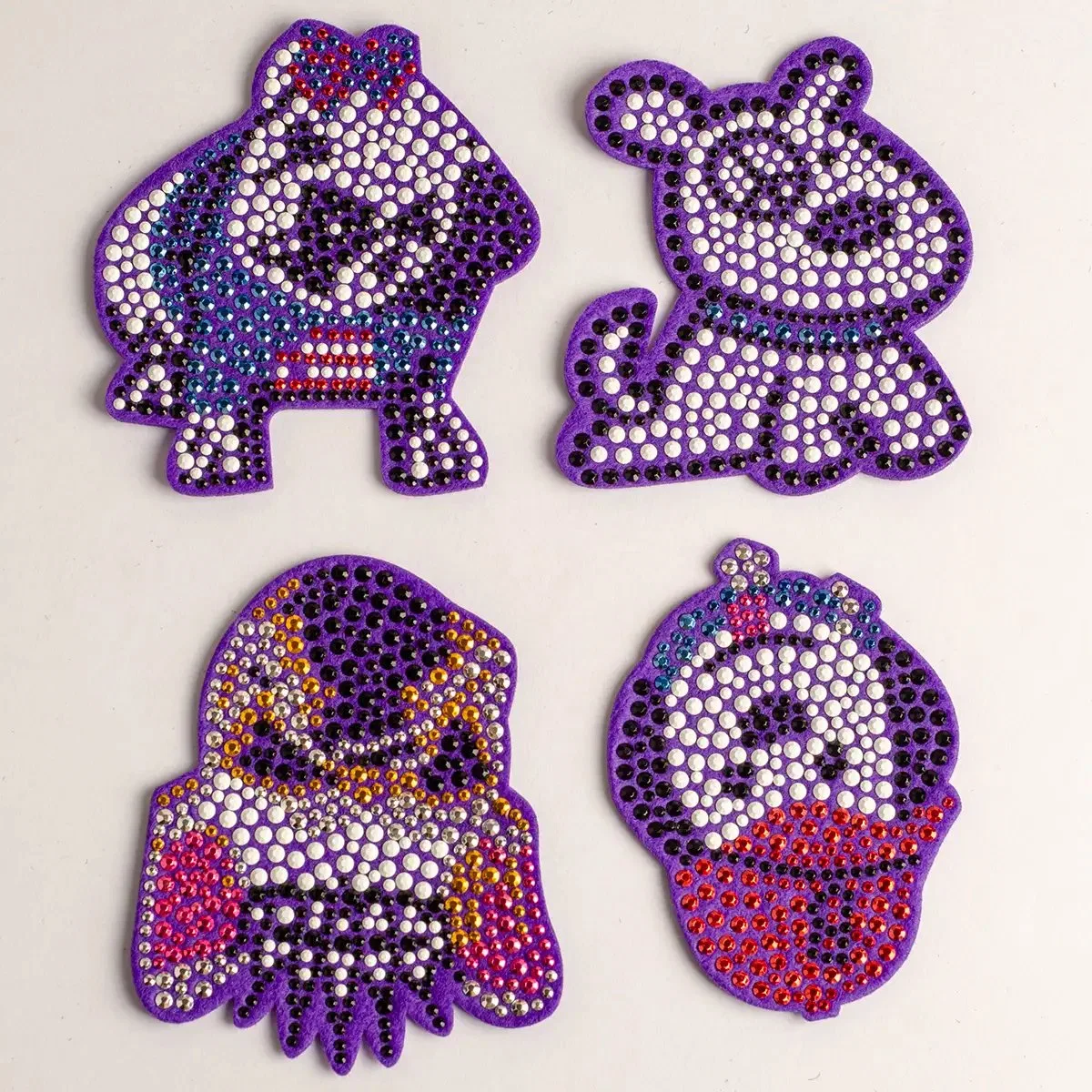
Original animals and bright crystal maps.
Build a capsule in which every patch earns a clear role. Teebling's merchandising framework connects real component records with audience, shirt color, placement, quantity allocation, application ownership and replenishment instead of presenting an unrelated wall of motifs.
Describe the store channel, wearer, occasion, garment price position and the reason a patch belongs in the collection. A buyer searching for unique T-shirt patches for sale still needs a bounded assortment rather than every available icon. Distinguish playful, graphic, dimensional and refined directions, then decide which customer each serves. Record prohibited licensed marks and require original or authorized artwork. Use the audience ticket to reject pieces that are attractive alone but duplicate another SKU's role. Keep technical feasibility outside this first filter; construction approval follows once the commercial story has a disciplined shape.
Original animals and bright crystal maps.
Bold symbols with readable silhouette.
Pearl and crystal accents with controlled scale.
Larger components supported by the garment plan.
Product 19 records rhinestone and felt fabric, 6.3 × 6.3 cm, item TB-5B5CE5317268 and MOQ 100. Product 25 records thread embroidery, 2.4 × 2.36 inches, item TB-459456E49051 and MOQ 100. Product 58 records rhinestone, pearl and felt fabric, 4.6 × 4 cm, item YW-QS-010 and MOQ 100. These facts support collection planning, but each construction retains its own backing and garment-trial questions.
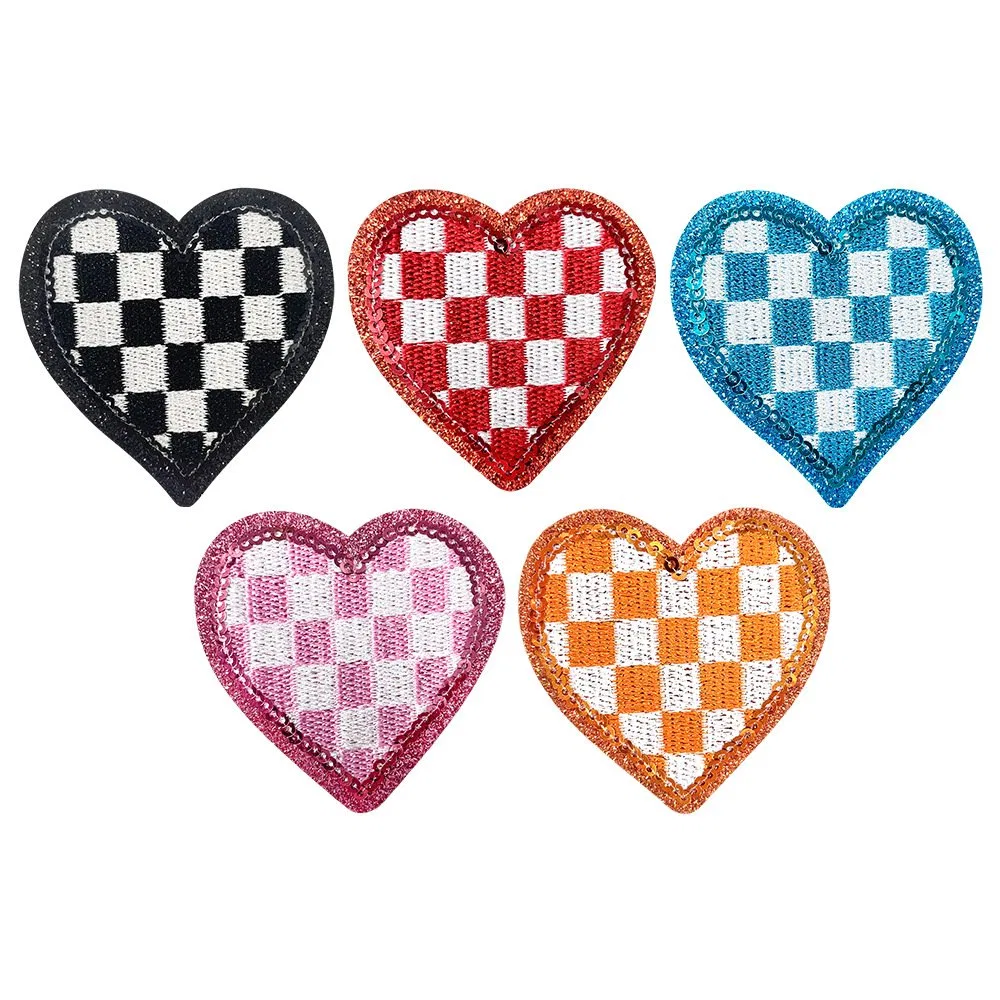
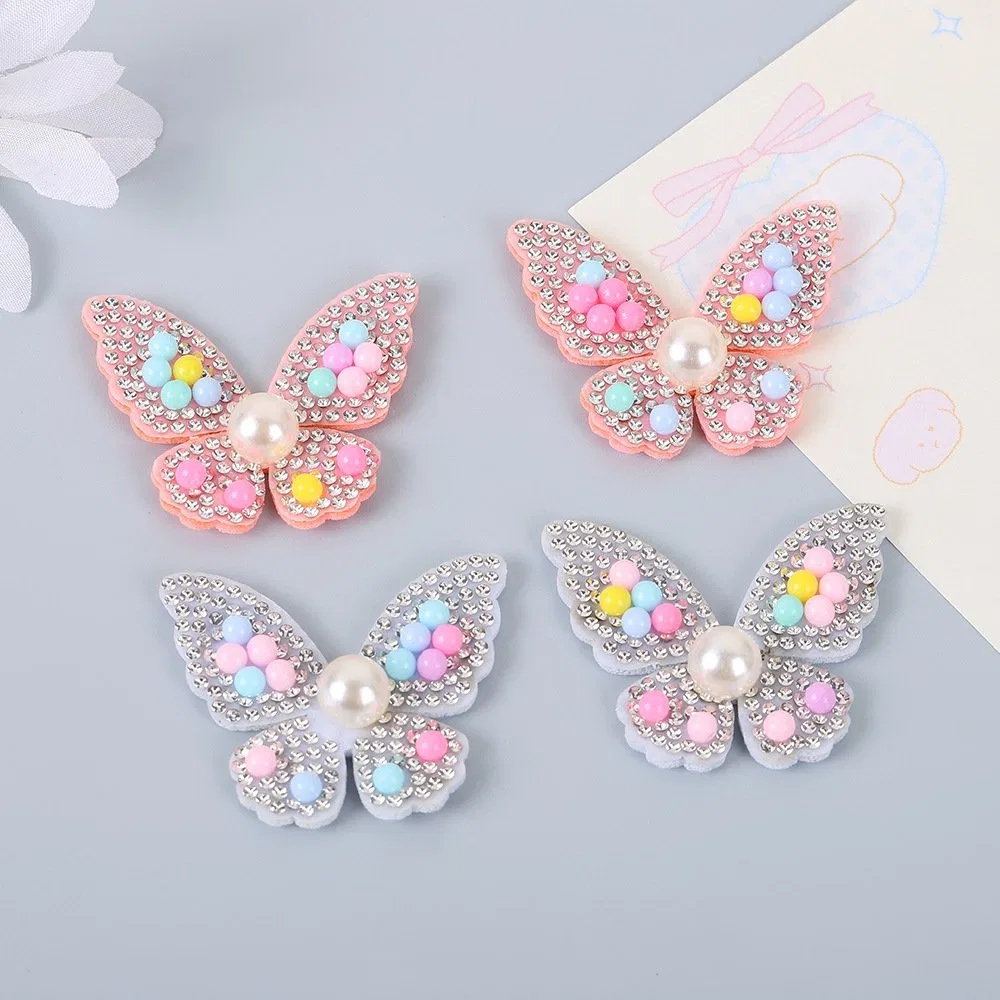
Create a concise story name, hero item, supporting pieces and exit criteria for each theme. The animal family can own playful color; the symbol family can provide concise graphic impact; pearl patches can introduce a quieter dimensional note. Avoid repeating the same animal, heart or butterfly with minor edits merely to fill a grid. Decide whether the patch is sold as a loose component, installed on a finished shirt or presented in both formats, because those routes need different labels and quantity records. Test the collection in one visual lineup before ordering individual products.
Original animal art, controlled palette and child-safe artwork boundaries without making product-safety claims.
Compact symbols, sequin direction and strong spacing between shapes.
Pearl and rhinestone texture with deliberate garment contrast.
For each garment SKU, record chest, sleeve, back or other location with offsets from stable pattern anchors. A badge on shirt mockup should show actual patch dimensions and not resize every motif to fill the same digital box. Review seam clearance, body-panel width, garment grading and wearer-facing orientation. If several placements appear in one capsule, assign them intentionally so the rail does not look accidental. State who applies the component and whether the quote covers loose patches or finished garments. The T-shirt badge placement guide provides the coordinate workflow for production handoff.
Garment code, size, color, patch revision, finished dimensions, pattern anchor, horizontal offset, vertical offset and application responsibility belong together.
Assign a role to each patch-and-shirt combination before calculating quantities. A hero SKU may receive the broadest size and color exposure; a coordinating SKU can extend the theme without competing with it; an experimental SKU should remain limited until sales evidence exists. Do not invent a universal demand curve. Use store history, audience plan, channel capacity and the recorded component minimums. Keep garment size allocation separate from patch purchase quantity so surplus components and finished inventory remain visible. Review the minimum by variant with the supplier rather than assuming the product-level MOQ automatically applies to every color or artwork split.
Clearest expression of the capsule and primary imagery.
Supports outfitting without duplicating the hero's motif.
Bounded quantity with a stated learning objective.
Build one row per saleable configuration. Include loose patch units, sample reserves, application losses defined by the buyer, finished shirt units and any unassigned balance. Split garments by size and color only after the commercial story is approved. If a patch T shirt is assembled by another decorator, name the party responsible for receiving, application, inspection and packing. Record the approved sample revision on the purchase grid so substitutions cannot enter unnoticed. Ask for clear commercial units: pieces, pairs, sets or finished garments as appropriate.
| SKU | Patch evidence | Garment allocation | Assembly owner | Pack route |
|---|---|---|---|---|
| Hero animal | Product 19 or approved custom revision | Size-color matrix | Named party | Finished shirt |
| Graphic symbols | Product 25 set identity | Selected blank group | Named party | Defined assortment |
| Pearl butterfly | Product 58 evidence | Contrast colorway | Named party | Protected surface |
Define unit presentation, garment fold, patch protection, size-color label, carton split and store destination for every SKU. Photograph the approved presentation so receiving teams can compare actual units. Establish reorder inputs such as sales by SKU, inventory on hand, incoming stock and component balance; do not let a visually popular post replace transaction evidence. When a motif underperforms, diagnose audience, garment, placement, price request and presentation separately before replacing it. The private-label packaging guide can structure the physical handoff, while the garment-accessory supplier guide helps coordinate components that extend beyond the patch board.
Verify variants, counts and approved presentation.
Measure the actual SKU rather than the overall theme.
Carry forward only the validated construction and allocation.
These answers keep retail assortment choices connected to, but separate from, each patch's production evidence.
The guide references Product 19 cartoon animal rhinestone felt patches, Product 25 heart-star-lightning sequin patches and Product 58 pearl butterfly patches, each with its own recorded materials, size evidence and 100-piece MOQ.
No. The buying board organizes audience, motif and SKU roles; each construction still needs its own artwork, dimension, backing, garment trial, approval and packing record.
Set the theme count from the intended customer, selling space, garment colors, minimum allocations and a distinct commercial role for every SKU.
Not automatically. Record the garment pattern anchor and review boundary sizes whenever grading changes the relationship between patch, seam and body panel.
Include patch SKU, exact product or approved sample reference, garment SKU, placement, color pairing, quantity, application responsibility, unit pack, destination and reorder status.