


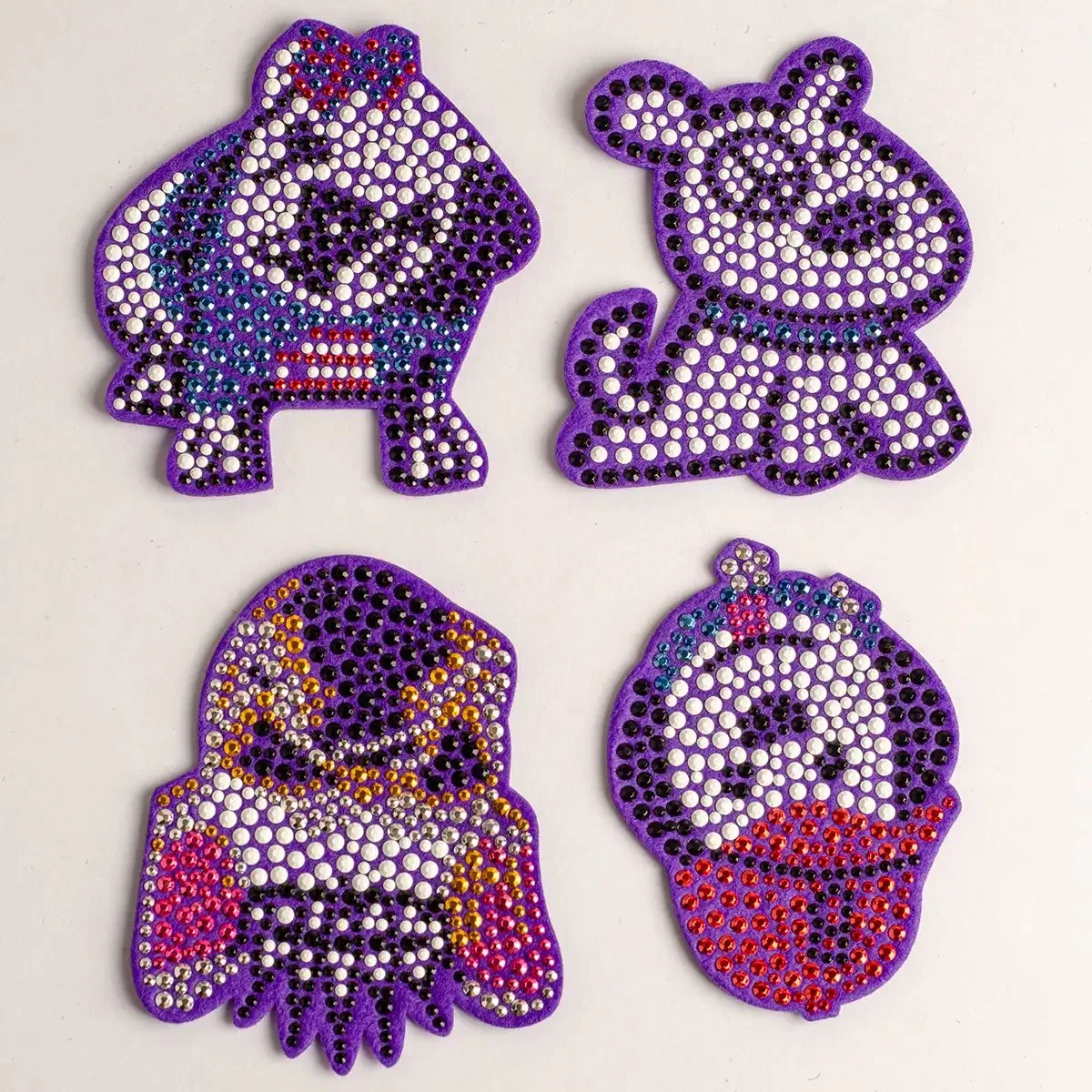
Animal / 19
Rhinestone and felt; 6.3 x 6.3 cm; MOQ 100.
Turn a cast of buyer-owned motifs into stable member codes, physical-size proofs, declared constructions, tested attachment routes and retail trays that reconcile piece by piece.
Product 19 is a 6.3 x 6.3 cm rhinestone-and-felt cartoon animal reference. Product 21 is a 1.85 x 1.65 inch thread-embroidery cartoon food set reference. Product 23 is a 2.9 x 2.48 inch thread-embroidery cartoon no-sew patch reference. Each records MOQ 100. These facts support distinct cartoon patches directions; they do not prove that unlike constructions, sizes or artworks can share a minimum.
Rhinestone and felt; 6.3 x 6.3 cm; MOQ 100.
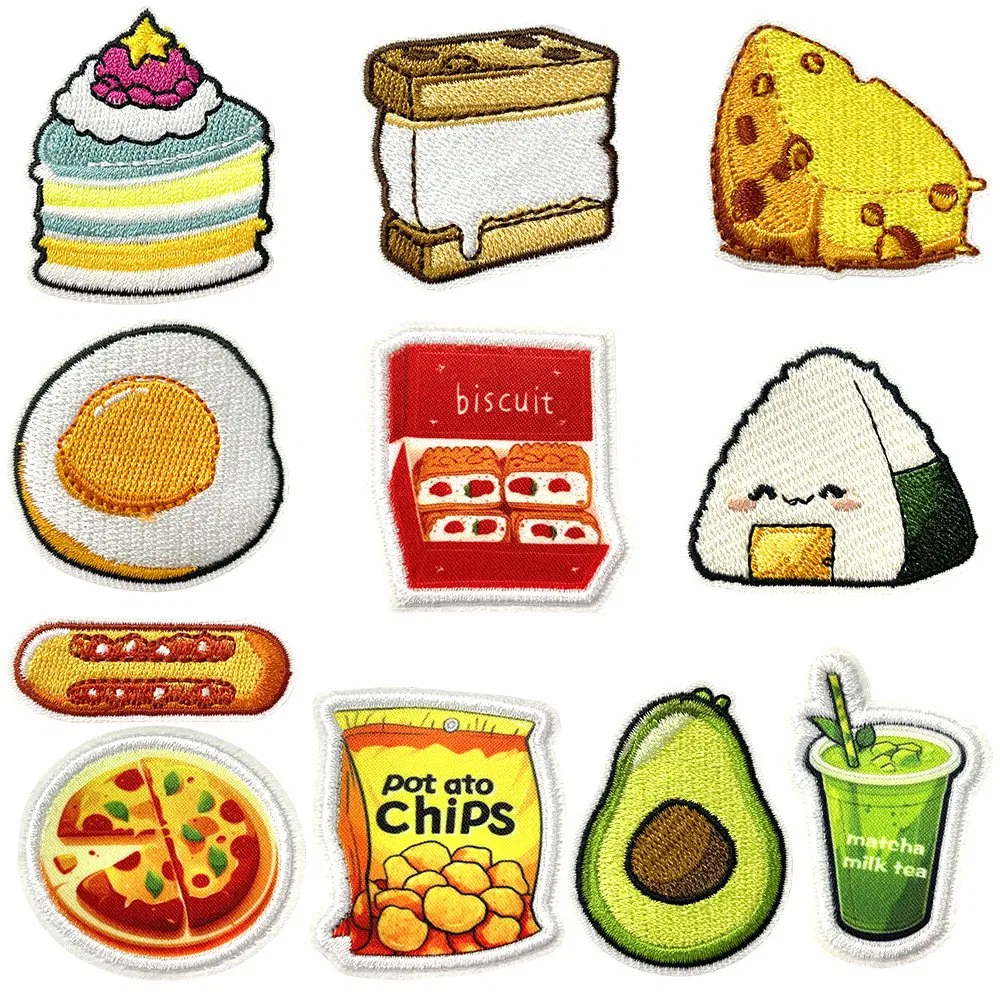
Thread embroidery; 1.85 x 1.65 in; MOQ 100.
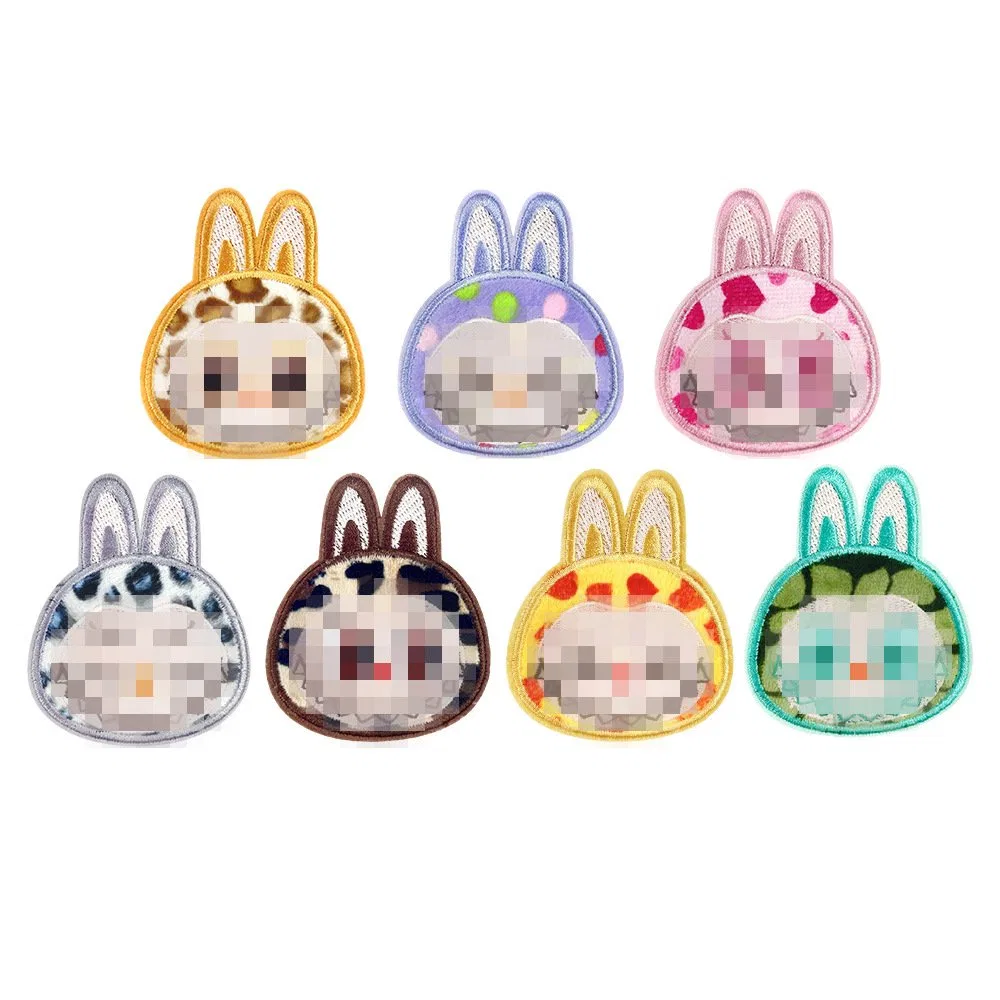
Thread embroidery; 2.9 x 2.48 in; MOQ 100.
A generic cartoon style does not authorize copying a famous character, fashion graphic, sports mascot, game asset or another illustrator's work. Supply art the buyer created, commissioned or is otherwise permitted to reproduce. Keep creator, rights owner, authorization, territory, term and exact revision in the project file. If reference art only communicates mood, mark it as reference and request a distinct original result. The phrase DIY cartoon patch can describe the shopper's use, but it never replaces an artwork-rights check. Teebling needs a clean source record before an original set is approved for quotation.
Who made the art and who owns it?
What reproduction is actually authorized?
Which exact revision may enter production?
Create a master set code and a member code for each animal, food, icon or expression. Link the code to authorized artwork, finished dimensions, construction, color direction, reverse requirement, quantity and pack position. Name optional and required members explicitly. If a member is revised, increment its revision without silently changing the set. A model sheet should show face orientation and the details that must remain readable at physical size. This is how a broad cartoon patch concept becomes an order that purchasing, production and receiving can reconcile.
Artwork revision and name.
Dimensions and construction.
Color and reverse direction.
Quantity and tray position.
Approval and substitution rule.
The front communicates the character, but the edge and reverse determine whether the supplied piece matches the approved construction. Request face and reverse images, a dimensioned proof and a physical sample plan. Check small eyes, mouths, lettering, outlines and negative spaces at intended size. Do not assume that the rhinestone-and-felt Product 19 uses the same edge or reverse as thread-embroidery Products 21 or 23. If a size changes, review detail again. Record the measurement method so a buyer and supplier do not use different boundaries.
Character identity, color and readable features.
Outline shape and declared edge construction.
Quoted attachment direction, shown separately.
Physical width and height by one stated method.
The search phrase T-shirt sticker patch is informal and may refer to different products. The phrase patch T shirt also leaves construction and application unresolved. State whether the request is heat-applied, sew-on or another confirmed route. Ask for current instructions and test the exact supplied patch on the exact receiving material. Record fabric, finish, thickness, location, process inputs and observations. No-sew naming does not establish a universal setting, and heat-sensitive or coated products may need a separately approved attachment decision.
Exact patch lot and receiving product.
Current supplier instructions for that build.
Controlled application on representative material.
Documented result and approved process record.
A purchase total of 100 pieces could mean 100 complete sets, 100 individual patches or another allocation; the quote must say which. List units per set, required member counts, approved overage treatment, substitution rules and spare quantities. Ask how MOQ 100 applies to each selected product or custom development rather than assuming that different members can be pooled. The custom name patch MOQ guide offers a useful variable-row discipline, while this page adds the set-level bill needed for cartoon assortments.
Complete sets requested x units of each member must reconcile to the quoted component quantities, packing matrix and receiving count. Record any approved spares separately so a missing character cannot be hidden by a total piece count.
Specify whether patches sell as one visible set, separate units or a blind assortment. Provide a pack dieline or position map with member codes, orientation, buyer-supplied copy, barcode zone and warnings. Protect rhinestones, embroidered faces and shaped edges from abrasion or folding. The inner label should reconcile set code, revision, count and lot; the outer label should add carton and destination data. Use the custom patches wholesale guide for broader sourcing questions and the shirt badge placement guide when the set is applied to repeat garment positions.
No silent substitutions. Every slot holds its approved member or an explicitly authorized alternate recorded in the set bill.
Start with pack identity and total sets, then sample individual members according to the buyer's documented plan. Reconcile member code, artwork revision, dimensions, material direction, face, edge and reverse with the approved evidence. Check pack position and protect any disputed set from redistribution. Record missing, duplicated, damaged or mismatched members by set and lot. Photograph the tray and the affected component together. Quarantine unresolved units until an authorized disposition is recorded; rebuilding sets informally can conceal the real shortage and destroy traceability.
Set, member, revision and lot.
Complete sets and component totals.
Face, dimensions, edge and reverse.
Position, protection and label.
Accept, review or quarantine.
These answers keep original-art obligations, recorded product facts and set-level purchasing decisions easy to audit.
Product 19 is a rhinestone and felt cartoon animal patch at 6.3 by 6.3 cm, Product 21 is a thread-embroidery cartoon food patch set at 1.85 by 1.65 inches, and Product 23 is a thread-embroidery cartoon no-sew patch at 2.9 by 2.48 inches. Each records MOQ 100.
Submit artwork the buyer created or has documented permission to reproduce. This guide excludes copied entertainment characters, fashion graphics, sports mascots and other third-party intellectual property.
No. Request current application instructions for the quoted patch and test the exact patch with the exact receiving material before approving a production process.
Give the set and every member stable codes, quantities, artwork revisions, dimensions, materials, reverse requirements, pack positions and substitution rules. Reconcile both set count and component count.
Send authorized artwork, product references, dimensioned member sheet, set bill, attachment request, receiving material, quantities, sample plan, retail pack layout, destinations and current-term questions.