


Identity
Buyer SKU, collection, market and artwork revision.
Build a label brief that a supplier can examine, sample and reproduce. This loom-ticket workflow keeps woven decisions separate from neighboring molded-label evidence and connects every approval to the garment that will receive the label.
Begin the custom woven labels order checklist with the label's role. State whether it carries brand identity, size, origin, care information, a decorative message or a combination that has been reviewed for the intended market. Name the receiving garment, exact placement, exposed face, contact side and anticipated care environment. Supply a garment photograph and placement drawing rather than relying on phrases such as “inside neck” or “side seam.” Identify whether the label is visible during wear and whether an edge may contact skin. These observations shape construction questions but do not establish performance. Ask the supplier to confirm feasibility for the proposed fibers, weave, fold, sewing route and garment.
Buyer SKU, collection, market and artwork revision.
Brand, information, decoration or another declared purpose.
Fabric, seam, placement and care route to be tested.
Named approver, evidence required and release date.
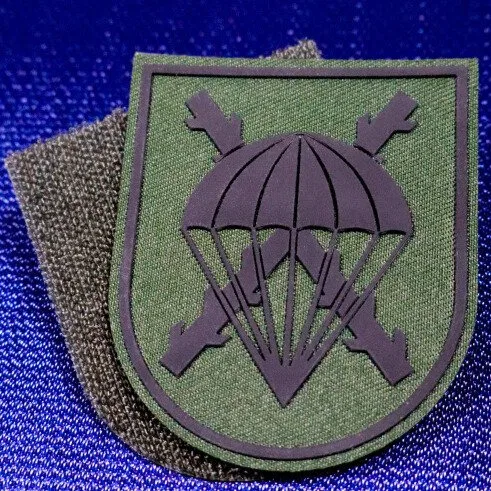
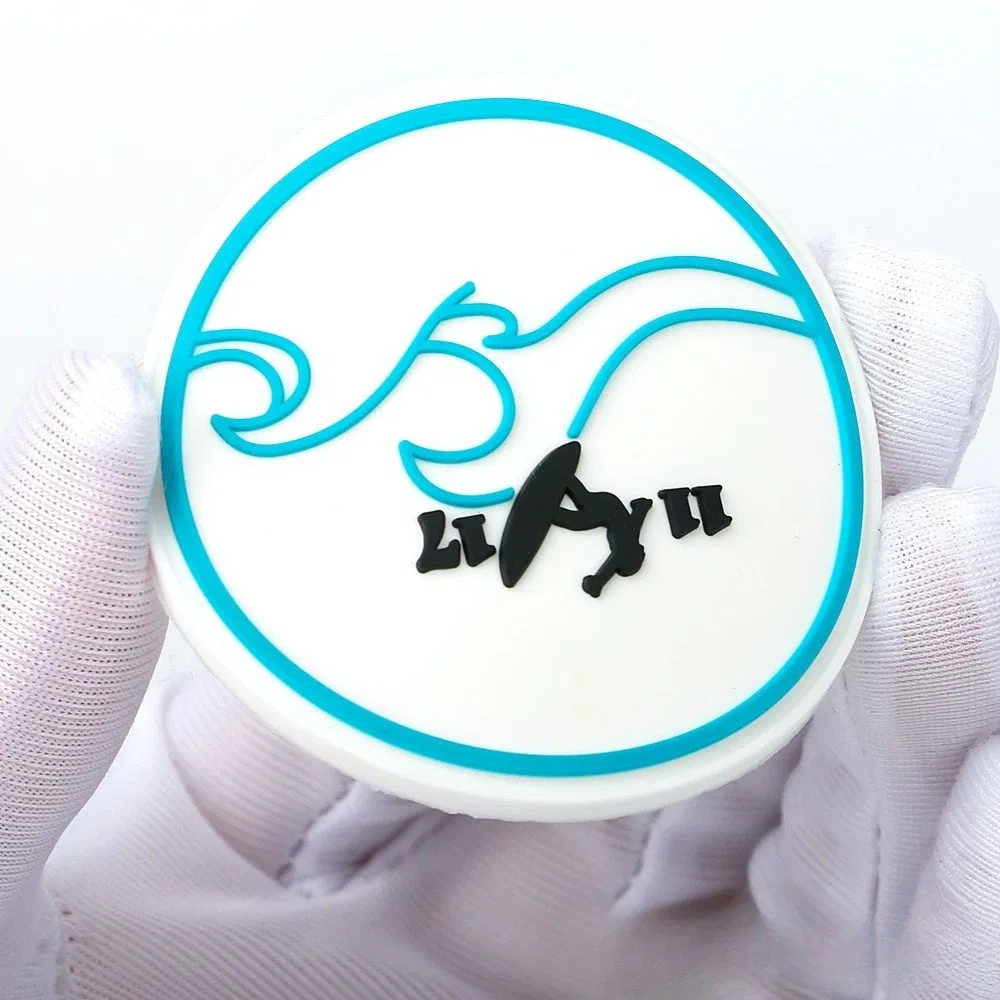
The current catalog rows pictured here provide adjacent construction evidence only. Product 43 records TPU and silicone, 5 cm, MOQ 100 and code DG-ZK-002. Product 35 lists TPU, 7.5 cm, MOQ 100 and DG-ZK-001, while its database row does not state attachment. Product 76 lists silicone and rubber, 6.5 × 6.5 cm, MOQ 100 and GZ-FC-11. None of those records identifies woven material or a weaving process. Use them to discuss contrast between raised molded surfaces and the requested textile label, then require separate supplier confirmation for yarn, weave, fold, backing and attachment.

Give the supplier a source artwork package and a visual reference, but let technical review determine whether fine elements can be translated into the proposed weave and finished size. Record file name, revision, release date, owner and intended reading orientation. Separate essential elements from details that may be adjusted after feasibility review. Ask for a supplier-prepared production interpretation showing boundaries, lettering, color zones and any proposed simplification. Compare that interpretation against the authorized original before sampling. Do not invent a universal file format, minimum line width or font size; accepted formats and achievable detail depend on the supplier's workflow and must be confirmed for this order. The label artwork requirements guide offers a useful preflight discipline without converting transfer rules into woven rules.
Controlled art, reference image and priority details.
Proposed weave interpretation with declared changes.
Marked comparison before physical sample authorization.
State finished width and height with units, measuring points and accepted tolerance to be proposed or confirmed by the supplier. Add the requested cut or fold construction, orientation, seam position and sewing allowance. If several folds are under consideration, quote them as separate variants instead of placing alternatives in one ambiguous line. Show the artwork face inside the finished outline, including which areas disappear into a seam. For loop, center-fold, end-fold or other named options, require a drawing and physical sample rather than assuming terminology is identical between organizations. A wholesale woven label order should also record label count per garment, size breakdown and any mirrored or paired orientation that changes packing.
List every color area and connect it to an agreed reference method. Ask the supplier how available yarns, weave interaction, surface direction and surrounding colors may affect appearance. A digital preview can communicate placement, but screens and exported files do not prove physical color. Request a yarn or physical reference when color is critical, document the viewing conditions used for approval and photograph the accepted sample with its identity. State whether a background color is woven, supplied by another layer or simply transparent in the artwork. Confirm fiber description and any requested material attributes rather than borrowing them from unrelated garment labels wholesale listings. Prohibit substitutions unless the order owner approves a documented alternative.
| Color line | Reference | Physical check | Decision owner |
|---|---|---|---|
| Ground | Named method | Sample field | Buyer approval |
| Brand mark | Named method | Key comparison | Brand owner |
| Information | Contrast target | Legibility review | Product owner |
Specify whether the proposed label will be sewn, applied through another supplier-confirmed route or delivered unattached. For sewing, mark stitch path, seam allowance, thread color, start and stop expectations, label orientation and the garment layers captured. For any adhesive or heat-assisted option, request exact construction and application instructions; do not infer them from the label face. Test the complete label on production-representative garment material, including treatments or layers that may influence the interface. Examine alignment, edge behavior, puckering, distortion, readability and post-care condition under a buyer-approved test plan. The garment compatibility test can organize a controlled trial when a transfer route is actually quoted.
Garment material, finish and seam construction.
Supplier-confirmed method and production instruction.
Position, distortion, edge and care observations.
Only the tested combination and authorized revision.
Create an inspection sheet before the sample arrives. Include identity, finished dimensions, fold or cut edge, artwork interpretation, color fields, front and reverse, sewing allowance, tactile observations and the garment application result. Photograph the ruler position and any issue at useful scale. Record approve, approve with a precisely identified correction, or revise and resample; avoid conversational approvals that leave the accepted version uncertain. State which colorways, sizes or language variants the sample represents. If a correction can influence tooling, yarn choice, layout or attachment, request a new physical result. Retain an approved sample or agreed evidence set as the production reference for wholesales custom woven labels purchasing.
Input: released ticket and supplier-confirmed interpretation. Evidence: numbered object, measurements, photographs and garment trial. Output: signed disposition, correction list, represented variants and next authorization.
Before issuing the purchase order, align item code, description, artwork revision, construction, finished dimensions, colors, fold, attachment state, per-variant quantity, price basis, sample status, schedule assumption and destination. Ask the supplier to state the order minimum for the proposed woven construction; the MOQs shown on Products 43, 35 and 76 belong to those recorded products and must not be transferred to a new woven quotation. Define how pieces are counted, grouped, protected and labeled inside cartons. Separate sampling, tooling, freight, duties and other charges where applicable. Name the person who may authorize changes, require written notice before substitution and close every open question in a final acknowledgment. For broader sourcing context, review custom garment accessory supplier planning and the private-label factory audit.
| Release field | Accepted source | Mismatch response |
|---|---|---|
| Specification | Numbered order ticket | Hold and clarify |
| Physical appearance | Approved sample evidence | Document and disposition |
| Pack identity | Buyer packing map | Reconcile before dispatch |
These answers preserve the difference between confirmed catalog facts, a proposed woven construction and the evidence needed for release.
Record label function, finished dimensions, artwork revision, weave and yarn decisions, fold or cut edge, sewing allowance, receiving garment, quantity, sample status, packing identity and the people authorized to approve changes.
No. Products 43, 35 and 76 document neighboring TPU, silicone or rubber directions. They are useful comparison references, but their database rows do not identify a woven material or woven manufacturing process.
Send one controlled brief, identify the sample purpose, list the attributes to inspect, request supplier confirmation of construction limits and return one numbered decision with marked photographs.
Provide the finished label size, intended fold, seam position, exposed face, sewing allowance, garment placement and an orientation drawing, then test the approved sample on the actual receiving construction.
A screen image can guide discussion but does not replace the agreed physical or supplier-confirmed color reference. Record the reference method, lighting conditions and permitted decision boundary in the order file.