


Label
Revision, lot and declared construction.
Use this Teebling workbench to test a named label, receiving garment, application instruction and care route as one system. It records what was actually tried, what changed and exactly how far an approval may extend.
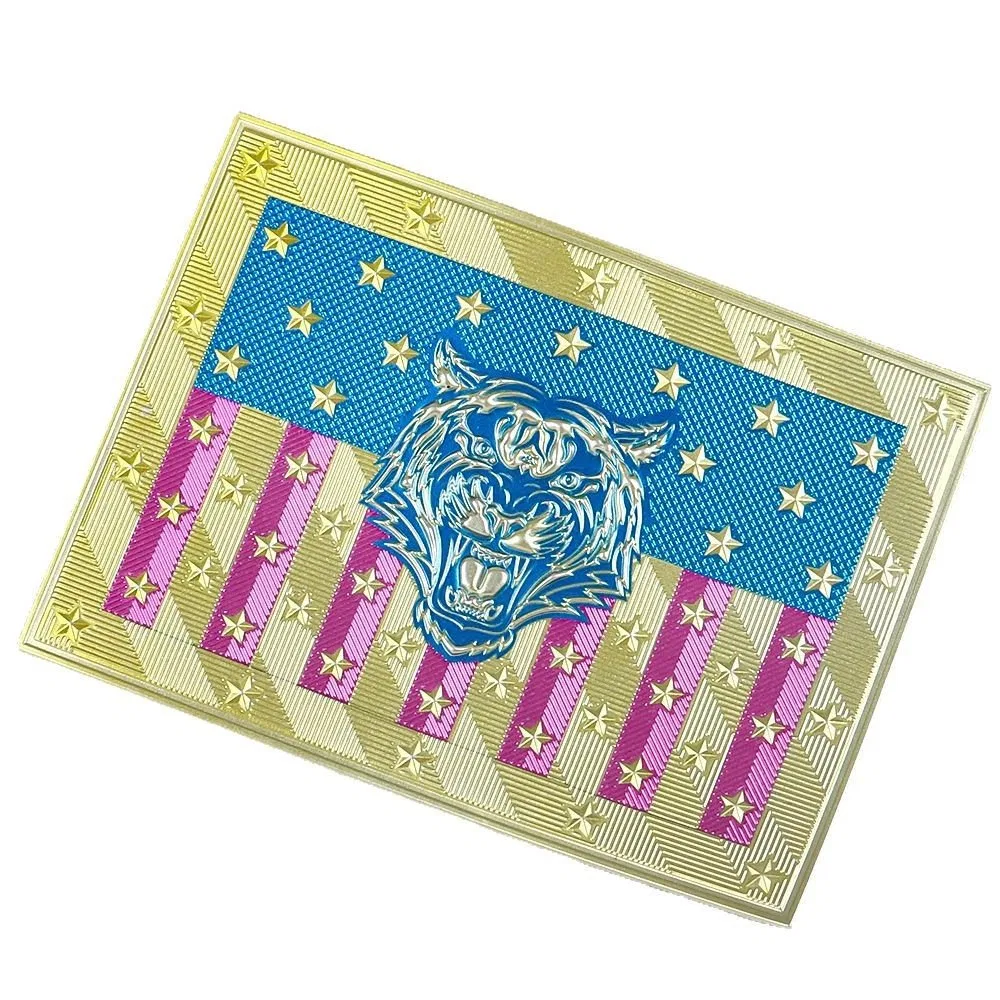
A useful heat transfer label garment compatibility study begins with one answerable question: can this identified label revision be applied to this production-representative garment using the supplier's current instruction and the named equipment, then meet the buyer's defined appearance and care criteria? Record label item, material statement, dimensions, artwork revision, colorway and sample lot. Describe garment fiber content as supplied, fabric construction, color, surface treatment, panel thickness, seam proximity and production state. Name equipment, platen or fixture, operator and measurement tools. Define observations and care exposures in advance. Without these boundaries, several different trials can be mistaken for one general approval.
Revision, lot and declared construction.
Fabric, treatment, color and location.
Supplier-issued settings and sequence.
Asset, fixture, checks and operator.
Criteria, exposures and approval owner.
Product 46 has the title Custom TPU Heat Transfer Labels for Clothing and records TPU and fabric, 5 by 8 cm, MOQ 100 and GZ-FC-005. Product 47 is titled Custom PU Film Heat Transfer Labels; its recorded material is TPU and PU, its size is 6 by 8 cm, its minimum is 100 and its code is GZ-FC-006. Product 48 records TPU and silicone, 6 by 8 cm, MOQ 100 and GZ-FC-007. Product names and rows distinguish these references; they do not supply universal press settings or interchangeable performance.
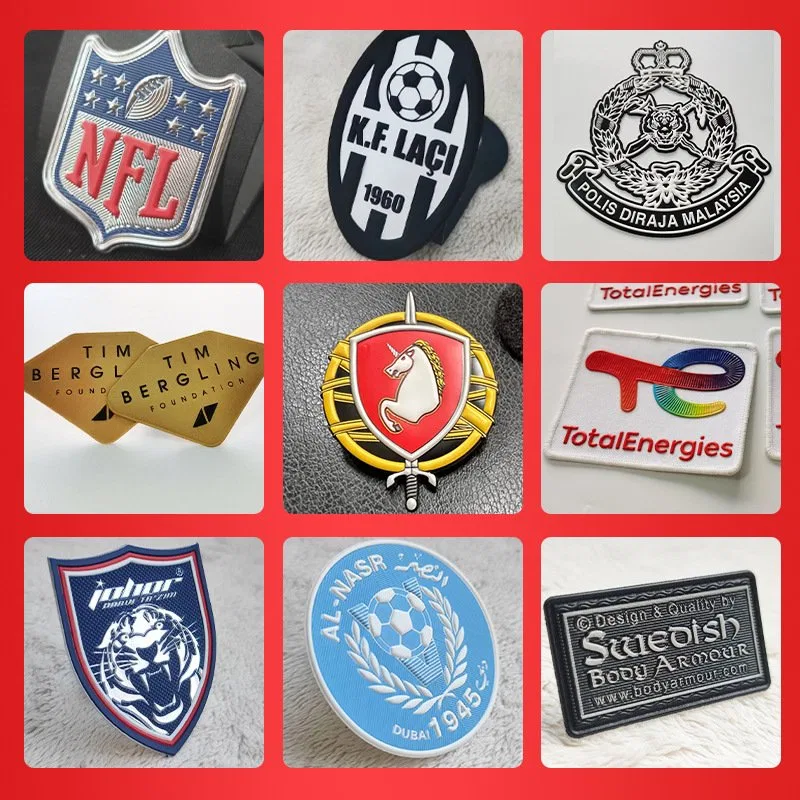
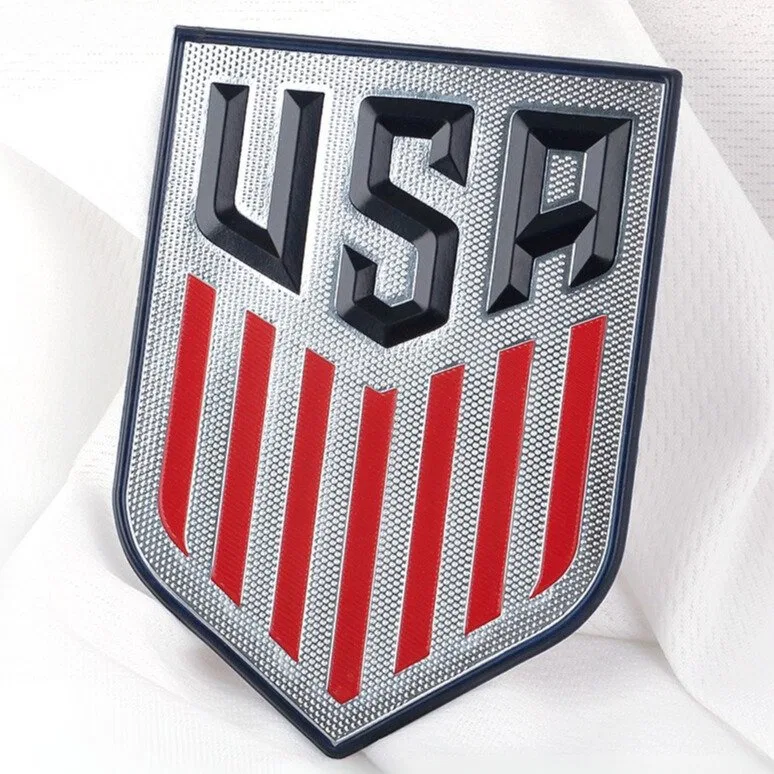
Request a written description of the face, body, bonding layer, temporary carrier or liner, release sequence and any other element supplied with the exact quoted label. Confirm which pieces remain on the garment and which are removed. Although Product 47's name includes PU Film, its database material field says TPU and PU; it does not confirm PET. If PET is proposed as a carrier, liner or another component, the supplier must state its role and the associated handling instruction. Likewise, an inquiry using the phrase HF TPU heat transfer label needs clarification: the current evidence here does not define “HF” or establish a process. Never turn an unfamiliar search term into a material or manufacturing claim.
Catalog title, recorded material, dimensions, MOQ and item code can be cited exactly.
Layer stack, carrier identity, release behavior, application settings and compatibility limits need proposal-specific confirmation.
Pull trial panels from production-representative material whenever possible. Identify fiber statement, knit or weave, weight or thickness basis used by the buyer, dye or print condition, coatings, repellents, softeners, stretch direction, texture and seams near placement. Record whether the panel is prewashed, cut, assembled or finished. Dark and light colorways may need separate observation where appearance, heat response or transfer visibility differs. Mark the intended label location and support underneath it as production will. If the garment supplier changes fabric mill, finish or dye route, treat that as a review trigger instead of assuming the original result transfers automatically. The custom label sourcing guide can help organize construction questions before trial work begins.
| Garment variable | Record before trial | Reason to separate runs |
|---|---|---|
| Material | Declared composition and construction | Different receiving surface |
| Finish | Known treatment and production state | Changed interface or heat response |
| Placement | Panel, seam distance and support | Changed pressure or visual result |
Reserve enough labeled panels for the proposed run, repeat applications, an unapplied garment reference and any supplier-approved setting window. Give each panel a unique identifier before application. Verify the equipment condition and the instruments used to monitor relevant variables according to the organization's procedure. Record ambient or garment conditions only when the trial plan considers them meaningful. Use the same camera position, scale and lighting for before-and-after views. Photograph the receiving panel, label face and reverse before transfer. A control is useful only if its identity and handling are preserved; an unmarked spare sitting beside the press cannot support a defensible comparison.
Preserves original garment appearance and dimensions.
Uses the current supplier-issued sequence without undocumented adjustment.
Checks whether the observed result can be reproduced under the same recorded setup.
Obtain settings, preconditioning, placement, protective layer, press sequence, dwell, pressure basis, cooling and carrier-removal instructions from the supplier for the quoted construction. Do not publish a generic temperature, pressure or time as safe for all custom heat transfer labels for clothing. At the workstation, identify machine, platen or fixture, operator, panel and label lot. Record target and observed values through the method available to the buyer. Note any movement, edge lift, carrier difficulty, surface mark, color change, gloss, distortion or odor without converting an observation into a safety conclusion. If the operator departs from the instruction, label the panel as a deviation and do not silently merge it with the controlled run. See the TPU application guide for additional preparation prompts.
Clean area, identified panel and confirmed instruction.
Placement reference, orientation and support.
Recorded equipment, sequence and observed values.
Cooling and carrier removal exactly as instructed.
Immediate observations before any care exposure.
Define acceptance characteristics before exposure: location, rotation, visible edge, face condition, legibility, color, garment marking, lifting, cracking, distortion and any buyer-specific measurement. Allow the sample to rest for the interval required by the supplier or trial plan, then record the first inspection. Apply only the care sequence relevant to the intended garment claim and buyer protocol; record cycle, equipment, products and drying method. Examine the same marked windows after defined stages. If stretch, abrasion or another use simulation is important, document its method and limits rather than calling it a universal test. Preserve failed panels and photographs. A result on one garment construction does not automatically authorize other fabrics, colors, finishes or placements.
| Observation point | Label evidence | Garment evidence | Disposition |
|---|---|---|---|
| Immediate | Face, edge and position | Marking or distortion | Continue or hold |
| Rested | Change from first view | Panel recovery | Expose or investigate |
| Post-care | Defined windows and measurements | Comparison with control | Approve, limit or reject |
Assemble the request, supplier construction statement, label identity, garment identity, equipment record, instruction, run log, photographs, exposure method, observations and deviations. The disposition may approve the tested combination, approve it with a bounded correction, require another run or reject it. Name the variants represented and excluded. Attach a controlled workstation instruction to any production release and train operators on placement, settings, cooling, release and inspection. Define restart triggers for label revision, material or carrier change, garment source or finish change, equipment change, new placement or repeated nonconformance. Use the artwork preflight guide and PU and carrier terminology guide to close upstream documentation gaps.
One label revision, recorded construction, garment, placement, machine, instruction and care route.
Any declared change that could alter the interface or make the original evidence unrepresentative.
These answers distinguish confirmed catalog fields, supplier instructions and the buyer's own limited test evidence.
It is a controlled trial of one identified label construction, receiving garment, application instruction and care plan, with comparison samples and recorded observations supporting a limited approval decision.
No universal setting should be inferred. Obtain the supplier instruction for the exact quoted construction and validate it with the actual equipment and production-representative garment.
Product 46 records TPU and fabric at 5 by 8 cm, Product 47 records TPU and PU at 6 by 8 cm, and Product 48 records TPU and silicone at 6 by 8 cm. Each has a listed MOQ of 100.
No. Its recorded material is TPU and PU. If a supplier proposes PET as a carrier or another construction layer, request its precise role and written confirmation for the quoted label.
Release only after the buyer identifies the represented label, garment, equipment, settings and care route; reviews immediate and post-exposure evidence; resolves deviations; and authorizes a controlled production instruction.