


MASTEREditable geometry
Preserve paths, shapes, text intent and distinct artwork layers. Avoid rebuilding a small logo from a web thumbnail when a source file exists.
Prepare a source package that explains the mark at finished size: editable geometry, exact wording, intended layers, color roles, dimensions, orientation and garment placement. Teebling can then preflight the design against a selected label construction and return item-specific questions without guessing from a flattened preview.
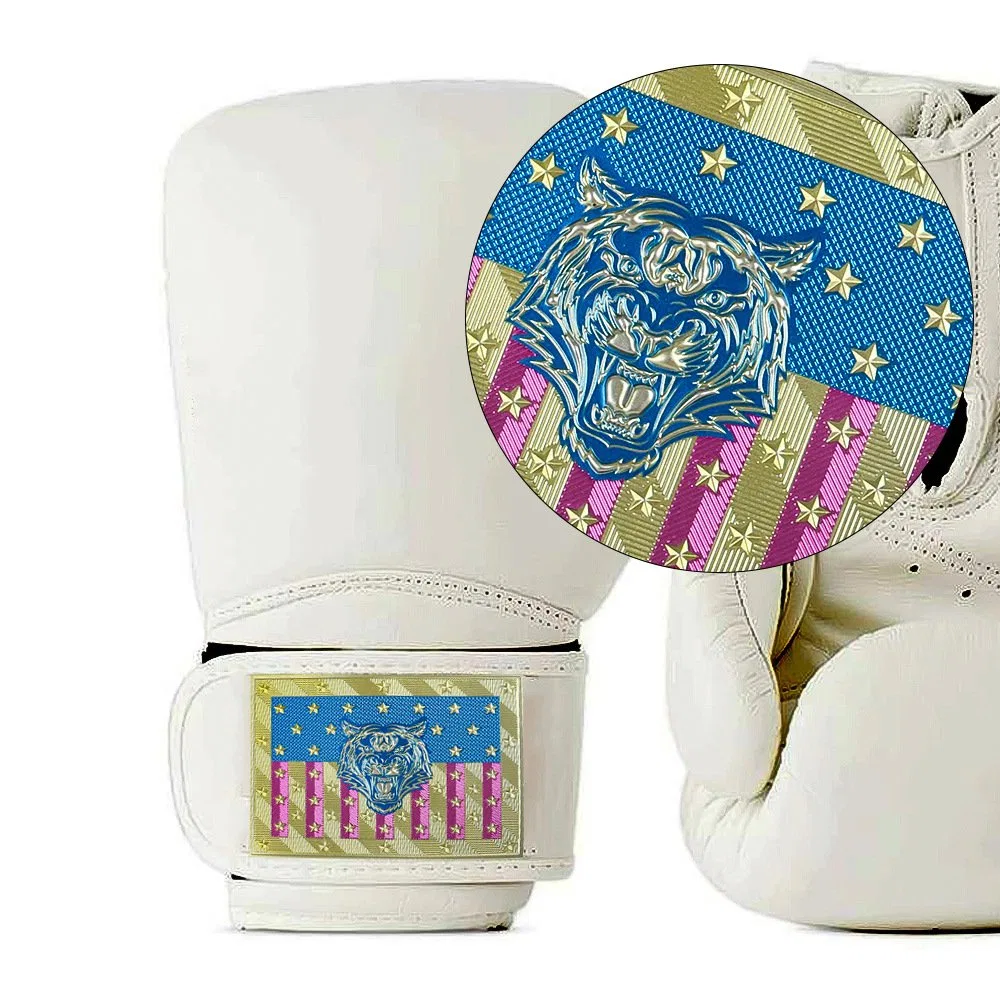
The database does not state a universal list of accepted file extensions, so the intake should not pretend one exists. Supply the original vector or editable source when available and attach a PDF or image that shows the expected appearance. Teebling must confirm which production format, color mode, font treatment and linked-asset handling apply to the selected label route.
MASTERPreserve paths, shapes, text intent and distinct artwork layers. Avoid rebuilding a small logo from a web thumbnail when a source file exists.
VIEWExport a stable preview with the artwork revision, finished dimensions and color labels so opened files can be compared against buyer intent.
FONTIdentify typefaces and retain an editable text master. Include an outlined comparison if appropriate, while asking the production team to confirm its handoff preference.
LINKSPackage referenced images or textures at sufficient quality and disclose what must remain photographic, dimensional, translucent or flat.
A colored drawing can hide whether a region is raised, recessed, printed, open, cut away or simply part of the background. Give each production-relevant region a clear role and use consistent names in the proof comments. This is a label-construction map, not a rhinestone stone-placement chart.
Define the finished perimeter and identify intentional openings. Remove accidental page backgrounds that could be mistaken for product material.
Mark the dominant logo planes and their intended depth relationship. Indicate which features must retain recognition at actual scale.
Separate small lettering, counters, rules and narrow gaps for supplier review. No unverified minimum feature size is asserted on this page.
State the desired application workflow as a question for the selected SKU. A front artwork layer does not establish the backing construction.
Write the intended width and height in the RFQ and place dimension arrows around the outer product boundary. If proportions may change, identify which dimension controls and whether the artwork can scale uniformly. Include a printed true-size view for buyer review; an enlarged screen proof can make crowded details look deceptively comfortable.
Record 46 provides a 5 × 8 cm TPU-and-fabric reference, record 49 provides a 5 × 8 cm TPU-leather reference, and record 50 provides a 6 × 8 cm silicone reference. These stored sizes describe those examples only. A new label requires confirmation of achievable dimensions and any tolerance.
Use one unit system consistently and label any converted values so a decimal or unit change cannot pass unnoticed.
Preflight is a documented exchange, not an automated promise that every vector can be manufactured unchanged. Ask the supplier to flag each issue by location and proposed treatment. Return corrections as a new artwork revision rather than writing ambiguous instructions over multiple screenshots.
Inspect enclosed letters, narrow holes and closely spaced objects at finished size. Protect the identity of the mark while allowing the supplier to propose a buildable adjustment.
Identify fine lines that carry meaning and decorative lines that may be simplified. Request item-specific feasibility rather than applying a borrowed minimum.
Proof spelling, capitalization, legal marks, dates and model codes from a typed source outside the graphic. Assign a named content approver.
Explain whether overlaps indicate stacking, trapping, outlines or ordinary visual composition. Ask for a sectional view when depth relationships are important.
Name each color by its job in the design and provide the buyer-approved reference. Also show the target garment color, because contrast can change the readability of a border or fine wordmark. Digital values can communicate intent, but a screen alone is not a physical color approval when appearance is critical.
Attach front and close placement views, measurements from stable seams, fabric composition, surface notes and the intended application zone. If the same label will be used across several garment colors or textiles, list every combination. Teebling can then identify which variants need separate proof or representative sampling.

A single “approved” message can conceal which evidence the buyer actually reviewed. Divide approval into named gates and keep the artwork revision visible on every export, supplier proof and sample photograph.
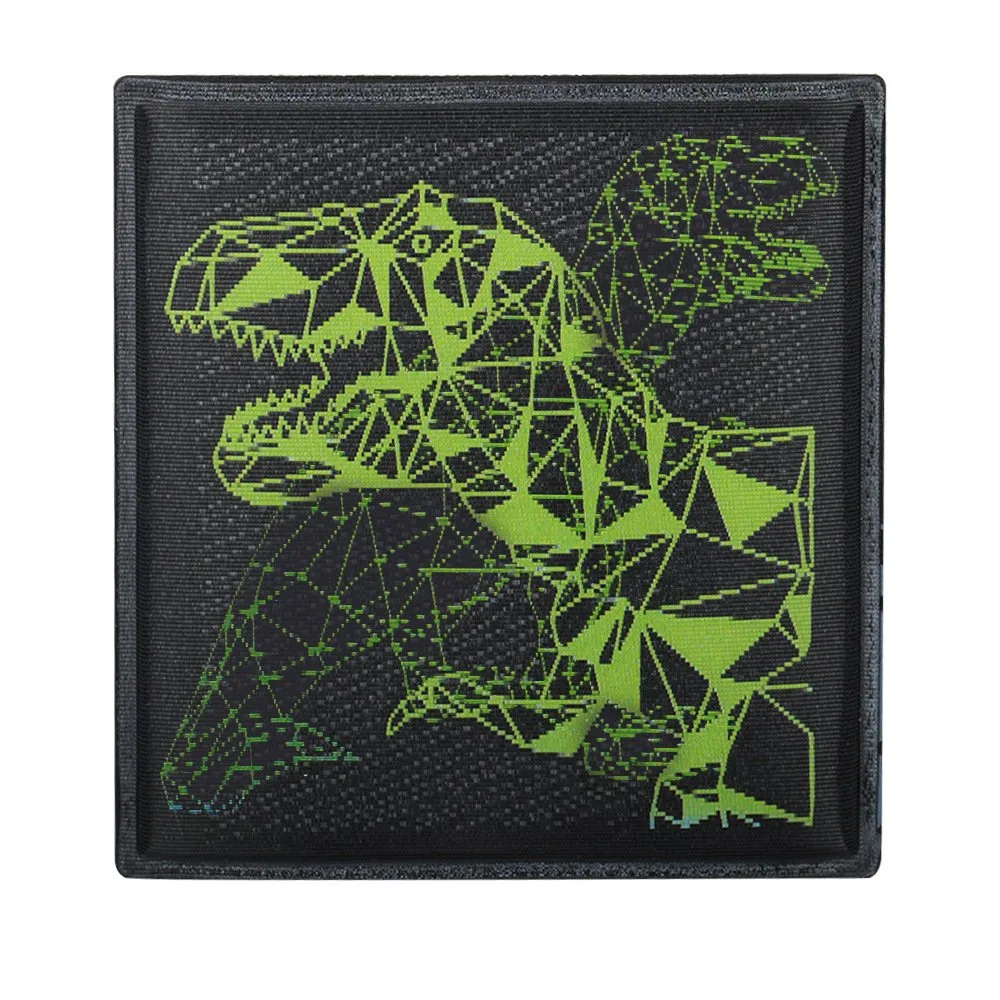
The final handoff should let a future reviewer reconstruct why the sample looks the way it does. Store the editable master, viewing export, dimensions, layer legend, color-role sheet, placement drawing, supplier proof, sample code, garment trial evidence and named approvals. Keep obsolete revisions identifiable but out of the active production folder.
Link the project to relevant sourcing guidance without merging their requirements: custom garment heat-transfer labels, TPU application planning, and PU layer and PET carrier terminology.
The answers distinguish useful submission practice from specifications that the current records do not publish. Ask Teebling to confirm the accepted production files and physical limitations for the construction named in your quote.
The product records used here do not publish an accepted-format list. Custom heat transfer labels for clothing should begin with the editable vector or original source file, a viewing PDF or image, and confirmation of the accepted production format for the selected construction.
No verified universal minimum is recorded in the cited data. Show the intended finished dimensions and let the supplier review each line, counter, gap and relief transition against the proposed SKU.
Keep an editable master and include font identification or a properly prepared outlined version for visual comparison. The production team should confirm its preferred handoff instead of receiving only an uneditable screenshot.
Name colors by design role, attach the buyer-approved reference and show how each color maps to an artwork layer. State whether appearance requires a current physical sample approval.
Placement establishes real scale, orientation, nearby seams and visual context. It also gives Teebling the substrate information needed to discuss the relevant construction and representative application trial.