


Material wording
Preserve the combined database description in buyer-facing documents until a current supplier statement adds verified detail.
Keep the finished logo material and a possible temporary carrier in separate evidence columns. The cited product record confirms TPU and PU, a 6 × 8 cm reference size and a recorded MOQ of 100 pieces. PET appears only in tag language; Teebling or the current supplier must confirm whether PET exists in the quoted SKU and what role it performs.
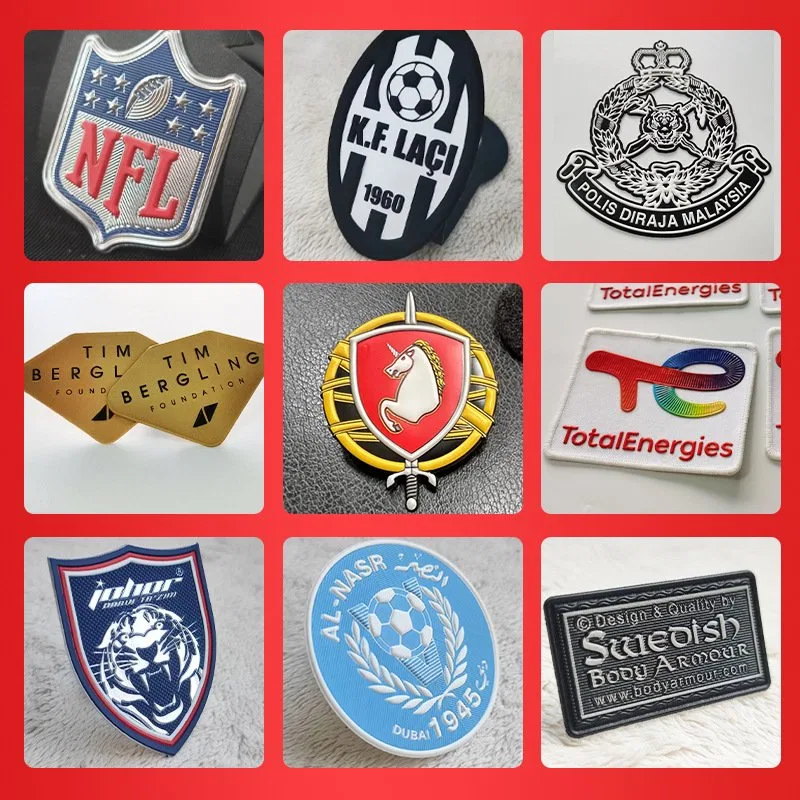
Product record 47 is the sole database evidence used for this terminology guide. Its material field says “TPU and PU,” its reference size is 6 × 8 cm, and its stored minimum order quantity is 100 pieces. Those facts may be cited exactly. They do not confirm every layer, a carrier polymer, adhesive chemistry, application schedule, peel behavior or suitability for a particular garment.
Preserve the combined database description in buyer-facing documents until a current supplier statement adds verified detail.
This is the size attached to the catalog example, not a blanket limit or default for every custom design.
Use the value for preliminary planning and ask the quotation to confirm the current MOQ and variant allocation.
In a transfer workflow, the visible design and a handling carrier can perform different jobs. The current record supports PU within the stated TPU-and-PU material construction. It does not support a factual statement that PET is included, retained, removed, hot-peeled or cold-peeled. Tag language is a discovery clue, not a bill of materials.
PU belongs in the known-material column because the database explicitly names it. Ask how it contributes to the quoted label, which other visible or functional layers are present and whether the new artwork changes the proposed build.
PET belongs in the supplier-question column. The tag does not establish that PET is physically present, identify a temporary carrier, prove which side releases, or say whether any film remains on the garment.
A controlled specification records where every material statement originated and what it proves. This prevents a search tag, sales shorthand or unlabeled photograph from becoming a false construction promise.
Cite TPU and PU, 6 × 8 cm and MOQ 100 as recorded facts. Retain the product ID and capture date.
Record that PET wording was found only in metadata. Convert it into a supplier question, not a buyer-facing assertion.
Require the exact SKU, revision, layer role, carrier handling and date on the written response. Resolve contradictory answers.
Label the received piece and document what is visible during application. Observation can corroborate but should not replace the construction statement.
Attach a front-to-back sketch and ask for corrections. The response should use names that match the quotation and distinguish temporary process aids from components delivered on the garment.
The answers should not be copied from an unrelated label family. Any uncertain field stays marked “supplier confirmation pending” until Teebling can tie it to the exact quote.
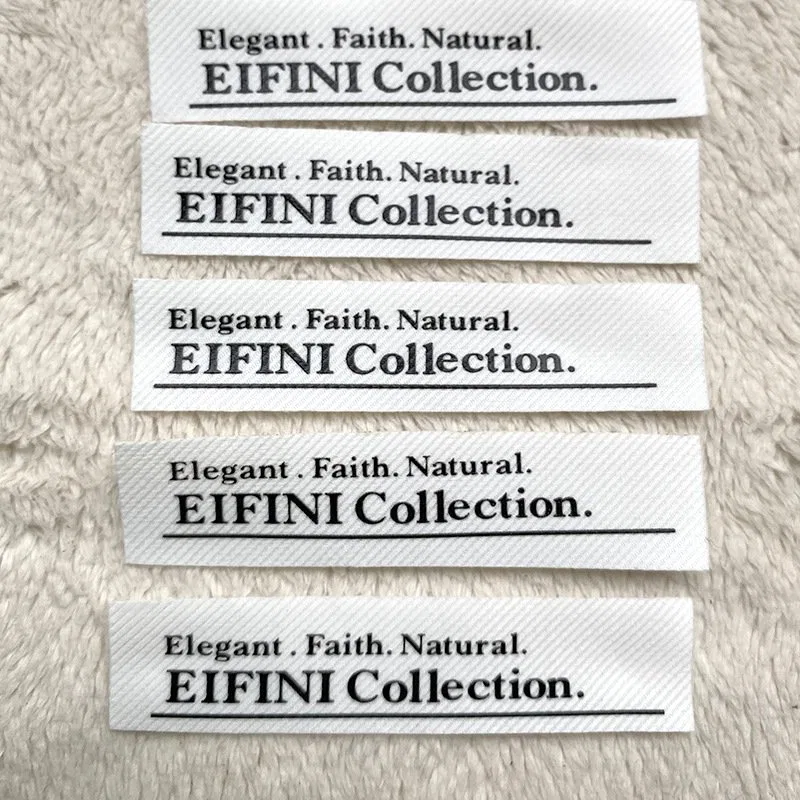
Catalog photographs help reviewers discuss visible artwork, scale and presentation. They do not reveal a definitive molecular composition or complete layer stack. Keep captions precise about what the image shows and route construction questions to the supplier evidence file.

Even after a carrier role is clarified, the application route must belong to the quoted label, actual garment and approved sample. Obtain written instructions identifying equipment assumptions, protective layers, time, temperature, pressure direction, cooling and carrier removal. Then run a representative trial and record the conditions used.
Inspect alignment, visible surface change, design release, edges and the surrounding textile. If a carrier is removed, photograph the label before and after that step and note the stated timing. A successful visual result on one panel does not justify a universal compatibility, durability or wash claim. Any buyer-defined care evaluation should remain linked to its protocol and specimen.
Relevant companion resources include label artwork preflight, TPU application planning, and custom garment label sourcing.
Place confirmed and pending statements in separate tables. The confirmed table may identify record 47, TPU and PU, 6 × 8 cm and MOQ 100. The pending table should ask about PET presence and role, full layer construction, reverse, carrier or liner sequence, attachment instructions, tolerances and garment compatibility. Move an item only when the supplier response names the quote revision.
Submit editable artwork, finished dimensions, color direction, garment composition, placement, quantity by variant, destination and requested schedule. Explain whether the buyer expects loose transfers or an applied finished product.
Request the construction statement, proof, sample identity, application direction and current commercial terms. A substitution or layer-stack change must create a new review event.
Archive the physical sample, application log, annotated photographs and named decision. The release should state exactly what was accepted and which claims remain excluded.
These responses define the current evidence ceiling: TPU and PU are recorded; PET is not confirmed as a material or carrier in product record 47. The live quotation must settle every construction and process detail before buyer-facing documentation is finalized.
Its recorded material is TPU and PU, but that wording does not define the complete film stack. This PU film vs PET film heat transfer labels comparison treats PET as unverified tag language until the supplier confirms whether it is present and what role it performs.
Ask whether PET is used at all in the quoted SKU, whether it is a temporary carrier or a retained component, which face contacts the garment, and when or how any carrier is removed. Keep the response with the quotation revision.
The database records a TPU-and-PU material description, a 6 by 8 cm reference size and a minimum order quantity of 100 pieces for product record 47.
Not from the evidence available here. PU is part of the confirmed material wording, while PET is only an unverified tag term whose possible carrier role needs supplier clarification.
No. Images can support visual review, but they do not establish film identity, release sequence, application settings or substrate compatibility. Obtain instructions for the exact quoted construction and conduct a representative trial.