


Route A / Formed surface
Potentially changes the substrate itself; capability, tooling and suitability are unconfirmed.

Clarify what “embossed” means before asking for artwork or pricing. The current catalog evidences adjacent raised TPU and silicone components, but it does not establish a proven direct heat-embossing capability; that route requires explicit supplier confirmation.
A heat embossed logo may describe relief formed directly in a garment, synthetic panel or other substrate through a proposed heat-and-tool process. A raised patch or label is produced as a separate component and then attached. Marketing language sometimes uses embossed, debossed, molded, 3D, rubber, silicone and transfer interchangeably, but an RFQ cannot. State whether the finished article must deform the garment surface or carry an added piece, what the reverse should show, and whether an edge is acceptable. Include target material and use. Teebling's current product rows cited below support adjacent component questions only; they are not evidence that direct embossing is available.
Potentially changes the substrate itself; capability, tooling and suitability are unconfirmed.
Uses a separately made TPU or silicone-related component with an identified attachment.
Product 35 records Custom 3D TPU Rubber Logo Patches and Badges, DG-ZK-001, TPU, 7.5 cm and MOQ 100. Product 43 records 3D TPU Silicone Heat Transfer Labels, DG-ZK-002, TPU silicone, 5 cm and MOQ 100. Product 50 records Custom 3D Silicone Heat Transfer Logo Patches, GZ-FC-009, Silicone, 6 by 8 cm and MOQ 100. These products evidence adjacent raised or transfer components. They do not record a service that directly embosses the buyer's garment.
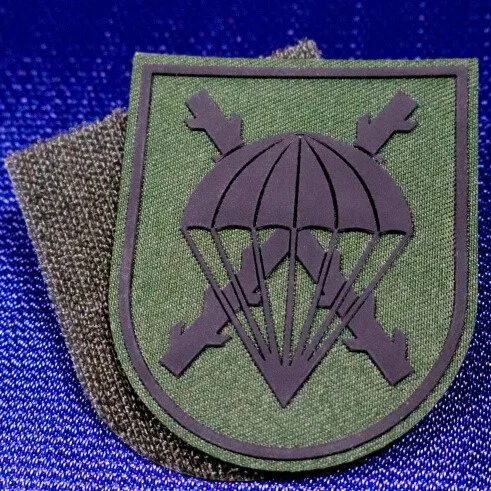
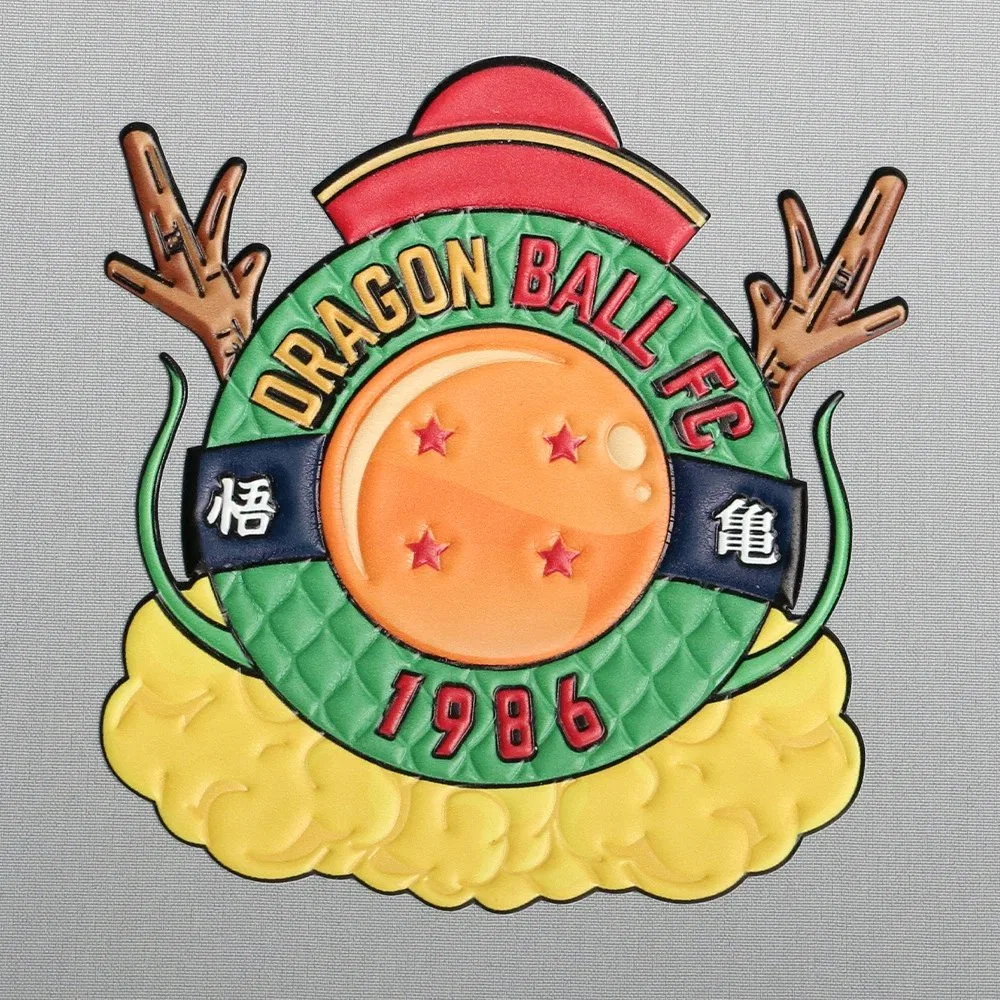
Describe the desired raised or recessed surface, target substrate, panel thickness, garment location, finished dimensions, face detail, reverse appearance and acceptable change to hand. Ask whether Teebling or a nominated supplier can perform that construction on the exact material and request evidence of relevant previous capability if available. Do not provide assumed tooling, temperature, pressure, cycle, wash performance or certification. A supplier may decline, propose a different substrate, recommend an added component or require tests. Record that response before artwork development continues. The buyer should not publish “embossed” as a guaranteed production method until a written capability statement and approved physical trial identify what is actually being supplied.
No cited database product proves direct heat embossing. The inquiry must remain conditional until the supplier confirms route, substrate, tooling, sample and evidence.
For an added 3D raised rubber logo patch, divide the request into component material, plan dimensions, relative relief, color zones, edge profile, flexibility, reverse and attachment. “Rubber” may be buyer shorthand; the cited Product 35 material field says TPU, Product 43 says TPU silicone and Product 50 says Silicone. Preserve those distinctions and ask for exact proposed wording. A TPU logo heat transfer or silicone heat transfer logo also needs supplier-confirmed attachment and application evidence for the target substrate. Review the complete garment with the component installed. The visible edge and local stiffness are part of this route rather than defects to hide under embossing terminology.
Artwork and color zones.
Datum and relative levels.
Visible profile and boundary.
Attachment identification.
Begin with authorized vector or source artwork and a real-size visual reference. For the unconfirmed formed-surface route, mark raised, recessed and unchanged substrate zones plus orientation and target dimensions, then ask what additional tooling data is required. For the component route, add outer cut line, visible edge, relief datum, numbered levels, color regions, reverse and proposed attachment. Do not invent minimum line widths or accepted mold files; request supplier preflight for the chosen process. One logo can retain brand proportions across both studies, but each file needs its own route code and revision. The raised-logo relief map structures component art, while direct embossing stays a separate capability inquiry.
Substrate zones, direction, dimensions and unconfirmed process questions.
Cut edge, relief levels, colors, back and attachment request.
Record fiber or polymer description, weave or knit, thickness, stretch, coating, finish, color, seam proximity and intended care route for the exact panel. Direct surface deformation, if available, may interact with material memory and reverse appearance differently from an attached component. An added patch introduces an edge, local hand and attachment interface. Neither route should be declared compatible from a photograph. Ask for supplier screening followed by physical trials on production-representative material. If a finished garment is involved, inspect the whole placement and surrounding surface after the agreed process. The TPU attachment guide supports component questions, but it does not validate embossing.
Named substrate and finish.
Flat panel, seam and curve context.
Relief, edge and color result.
Visible process evidence.
If direct embossing is confirmed as feasible, code that sample EMB-A with the substrate, supplier construction description, artwork revision, process record and observed front/reverse result. Code an attached alternative PATCH-B with material, dimensions, relief map, edge, backing, application record and complete-unit view. Compare brand recognition, tactile effect, flexibility, visible boundary, reverse, placement and buyer-defined tests. Do not assume either route is stronger, more durable, washable, lower cost or faster without evidence and a current quotation. If embossing is unavailable, record “not offered for this inquiry” rather than implying a failed product. The raised material comparison helps shortlist added components on verified terms.
Conditional sample only after explicit capability acceptance.
Catalog-adjacent component with exact offered construction confirmed.
These answers keep unverified embossing capability, documented adjacent components, route-specific artwork, substrate trials and final construction approval distinct.
No such capability is established by the cited catalog rows. Submit the intended direct-surface effect, substrate and evidence request for explicit supplier confirmation.
Embossing generally describes relief formed in a substrate surface, while a raised patch or label is a separately made component attached to the garment or accessory.
Products 35, 43 and 50 record TPU, TPU-silicone and silicone patch or heat-transfer-label products with individual sizes, codes and MOQ 100.
Use a shared visual source if appropriate, but issue route-specific files showing relief ownership, edge, attachment or formed area, substrate and physical size.
Require separately coded physical samples, written construction identification, target-substrate trials and a decision record that names the selected route and unresolved limitations.
Send authorized logo art, intended effect, target substrate, dimensions, location, color references, relief questions, reverse requirement, quantity, destination and requested sample evidence. Ask Teebling to state whether direct heat embossing is offered for that exact inquiry; if not, request clearly labeled adjacent alternatives without presenting them as equivalent. For an added rubber heat transfer logo or silicone/TPU component, require material, face, relief, edge, backing, application guidance and commercial assumptions in writing. Link the response to custom 3D TPU logo patches or silicone logo patch sourcing only where the offered construction matches. Release the named process, not the vague word embossed.
Current catalog: adjacent raised and transfer components. Direct garment embossing: unproven until explicitly confirmed and physically approved.