


DRAWER 35TPU reference
Use the sample to discuss dimensional relief, contour and perceived flexibility. Ask Teebling to confirm the current construction, color options and reverse for a new quotation.
Compare raised logo directions by handling labeled specimens, reading the exact catalog material fields and observing how relief, edge, flex and scale support the brand brief. Teebling uses the shortlist to prepare a focused sample request; this page does not turn a visual family name into a hidden formulation or attachment promise.
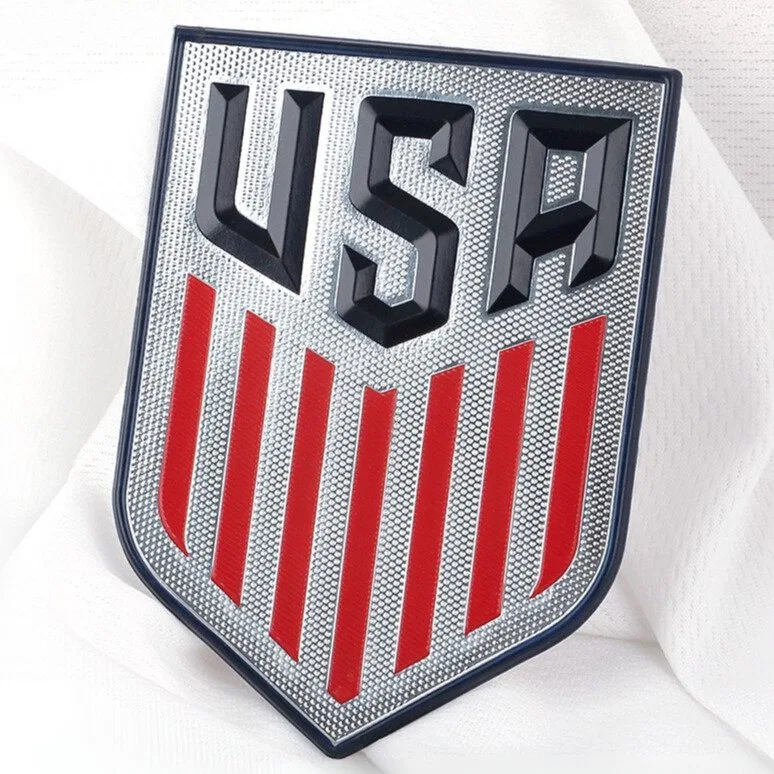
The comparison starts with what the database actually says. Record 35 is described as TPU at 7.5 cm. Record 48 is described as TPU and silicone at 6 × 8 cm. Record 76 is described as silicone and rubber at 6.5 × 6.5 cm. Each carries a recorded MOQ of 100 pieces. Those fields are evidence anchors, not complete chemical specifications.
DRAWER 35Use the sample to discuss dimensional relief, contour and perceived flexibility. Ask Teebling to confirm the current construction, color options and reverse for a new quotation.
DRAWER 48Retain both terms in the comparison notes. A buyer should not shorten the stored wording to silicone only when the cited record contains a combined description.
DRAWER 76Evaluate the physical specimen for the requested design role. The catalog phrase does not disclose proportions, grade, hardness or backing composition.
Words such as soft, rubbery or flexible can mean different things to different reviewers. Pair each descriptor with a physical action and a labeled reference. For example, show how far an edge is expected to bend in the garment context, or identify whether the buyer is reacting to surface drag, compressibility or thickness. This makes feedback comparable while leaving unverified hardness and formulation outside the specification.
Never treat a hand-feel adjective as a certification or tolerance. If a measurable property matters to the project, request the applicable supplier value and testing basis for the selected SKU, then retain it with the sample revision.
A useful image series reveals face geometry, side profile and edge behavior under consistent light. It cannot transmit softness or spring. When tactile character affects the buying decision, compare actual pieces carrying a product ID, dimensions and date rather than relying on compressed web images.

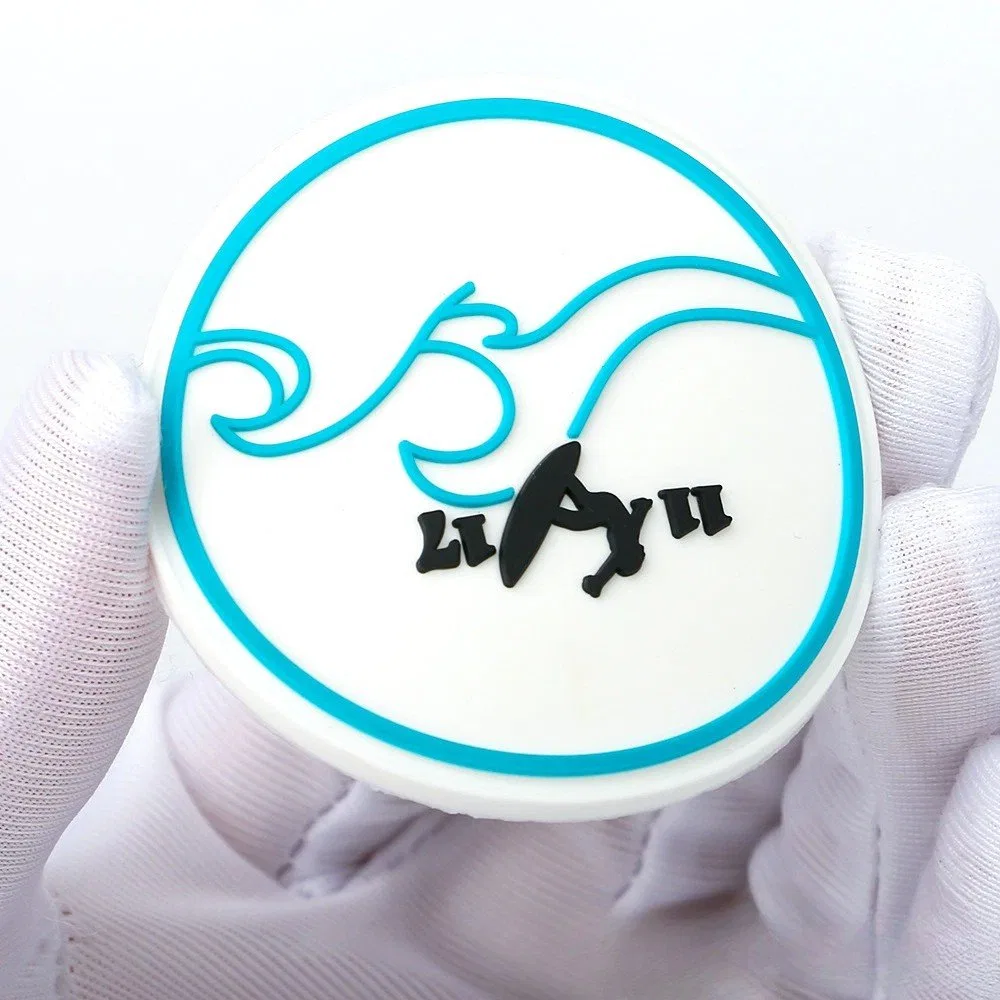
Use the same observation prompts for every candidate so the choice reflects the artwork and application. The purpose is not to declare one material superior; it is to expose which sample better supports the requested logo at the proposed scale.
Inspect counters, narrow gaps, fine outlines and registered color breaks at actual size. Record which features changed between proof and physical specimen.
Observe whether the perimeter appears crisp, rounded, substantial or visually quiet. Relate that edge to the garment trim rather than judging it in isolation.
Check whether primary and secondary planes make the mark easier to read. Too many competing levels can obscure a small emblem.
Handle the labeled piece in a way that represents its placement. Note the observation without assigning an unmeasured hardness value.
Scale and location change how a raised mark feels and reads. A compact chest label, a broad bag panel emblem, a cap detail and an exterior accessory charm place different demands on curvature, mass, contact and assembly access. Provide a true-size placement drawing for each product family in the RFQ.
Identify fabric, stretch, lining, surface treatment and movement zone. Ask how the selected label will be attached and which representative garment must be sampled.
Map foam, pockets and interior layers behind the logo. A flat rendering cannot reveal whether production tools can reach the chosen location.
Show curvature, crown seam and placement distance. Review the physical profile at worn scale before approving a tall relief direction.
Define whether the buyer receives unattached pieces, retail-ready packs or components for a separate factory. Reverse labeling and packing become part of the deliverable.
The recorded material and size fields support a meaningful shortlist, but they do not prove formulation, hardness, thickness, environmental performance, backing, attachment, tolerance, testing or certification. Put every project-critical field into the RFQ and request a current answer tied to the exact SKU. If two variants look alike, give each a separate code and physical sample label.
The approval packet should contain the chosen catalog reference, new artwork revision, actual finished dimensions, target colors, relief drawing, side profile, reverse requirement, garment specification, placement and quantity by version. Note who compared the specimens and which observable characteristics drove the choice. A later substitution must return through review rather than inheriting approval from the original material.
For a closer product-family view, consult 3D TPU logo patch sourcing, custom silicone patch planning, and custom rubber patch sourcing.
A material choice becomes unreliable when the design team, sourcing team and garment factory handle different references under the same nickname. Create a routing slip with the sample code, database record, dimensions, material wording, artwork revision and intended product. Each reviewer should add observations to that single identity rather than renaming it.
Confirm visual depth, color separation, edge character and recognition at finished scale.
Confirm quoted construction, current minimum, variant breakdown, evidence needs and unresolved supplier fields.
Pair the candidate with its placement, substrate and proposed assembly route for representative testing.
Archive the accepted piece and signed decision record, then control any replacement through a new comparison.
The answers below keep material nomenclature accurate and direct tactile decisions toward controlled samples. They are a screening aid before Teebling prepares the item-specific quotation and approval route.
There is no universal winner. Select a shortlist from the intended look, touch, shape, garment location and assembly needs, then compare current physical samples identified by their exact product records.
No. Preserve the wording attached to each quoted record. The database includes TPU, TPU-and-silicone, and silicone-and-rubber descriptions; those labels should not be collapsed into one unverified formulation.
Photographs can document relief, edge and color, but they cannot establish hand feel or flex by themselves. A labeled physical sample is the appropriate comparison reference when touch matters.
The cited records show 7.5 cm for record 35, 6 by 8 cm for record 48, and 6.5 by 6.5 cm for record 76. Treat them as catalog references, not mandatory sizes for new artwork.
No. It narrows face-material and tactile direction. The backing, attachment method, tolerance, composition detail and garment trial must be confirmed for the selected SKU during quotation.