
Read Our Refund & Return Information
Edge-observation bench

Heat Transfer Label Peel-Test Guide

A heat transfer label peel test is meaningful only when the specimen, garment, application record, conditioning, method, observation, and acceptance rule are all identified. This guide builds that chain while leaving numerical requirements and test authority with the buyer, supplier, or applicable program standard.

Contact us
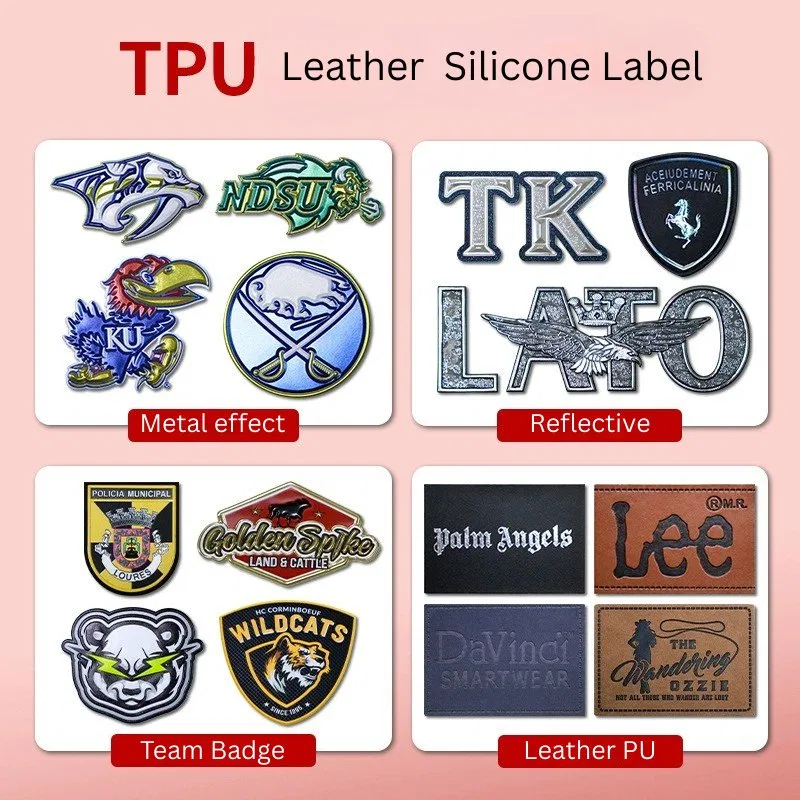
Product 45 reflective TPU label specimen for controlled edge observation
Product 45: GZ-FC-004, TPU and Silicone Leather, 6 × 8 cm, recorded MOQ 100.
01 / Test authority

Identify Who Owns the Method and Acceptance Rule

Before preparing specimens, state whether the method comes from a buyer manual, a recognized external standard, the garment program, or a supplier proposal approved for this project. Record the exact document identifier and revision. If no formal method applies, write a limited internal observation procedure and label it accurately; do not describe a hand check as a laboratory peel-force result.

Protocol first

Method definition

Specify specimen dimensions, cut direction, number of replicates, conditioning, edge preparation, equipment or hand procedure, pull direction, rate where applicable, endpoint, units, photographs, and data treatment. An instruction such as “try to peel it” is not reproducible.

Decision definition

Write what constitutes accept, review, or reject before results are known. The database does not supply a force threshold, allowable lifted length, conditioning interval, or guaranteed bond for any product on this page.
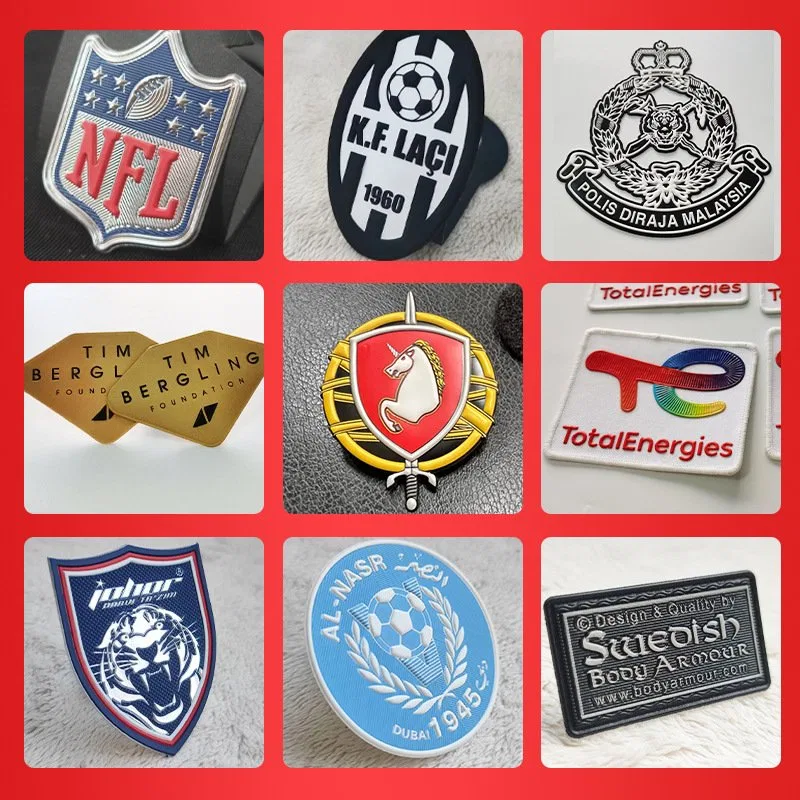

The TPU application guide helps establish the application record that precedes testing. Keep the original supplier directions attached to the exact label and garment.

Contact us
02 / Evidence shelf

Use Catalog Facts to Identify the Specimen, Not Predict Its Result

Product 45 is Custom Reflective TPU Heat Transfer Labels, recorded as TPU and Silicone Leather, 6 × 8 cm, item code GZ-FC-004, MOQ 100. Product 47 is Custom PU Film Heat Transfer Labels, recorded as TPU and PU, 6 × 8 cm, GZ-FC-006, MOQ 100. Product 48 records TPU and Silicone, 6 × 8 cm, GZ-FC-007, MOQ 100.

Product 47 PU film heat transfer label specimen reference
Product 47 supports PU film heat transfer label identification; it provides no stored peel criterion.
Product 48 TPU and silicone heat transfer label test reference
Product 48 is one silicone heat transfer labels reference, not proof of behavior on a new textile.

If an inquiry uses the phrase HF TPU heat transfer label, expand “HF” in writing and confirm the intended product. None of these inspected records defines that abbreviation, an adhesive chemistry, a carrier identity, or a peel-test method.

Contact us
03 / Chain of identity

Give Every Applied Specimen a Reproducible Code

A label result cannot be separated from the receiving material and application history. Create one code that binds the component revision, garment, placement, operator, equipment, current supplier direction, and date. If any variable changes, issue a new specimen code. Do not pool a result from several unknown combinations under one project name.

Label

Product or custom code, artwork revision, dimensions, material confirmation, reverse, and sample lot.

Garment

Supplier, style, color, material, finish, lot note, care route, and whether it represents production.

Placement

Measured origin, grain or stretch direction, seams, curvature, layers, and available support area.

Application

Equipment identity, verified instructions, operator, sequence, and any deviation documented at the time.

Test piece

Cut location, orientation, edge preparation, replicate number, and link to the complete parent specimen.

This chain prevents an attractive sample on a smooth swatch from being treated as evidence for a coated bag, stretch knit, or seam-adjacent label on another garment.

Contact us
04 / Conditioning log

Record What Happened Between Application and Observation

Time, environment, handling, and care exposure can affect the observation, so the interval cannot remain implicit. Follow the governing method or the buyer-approved internal protocol. Record when application ended, when conditioning began, storage orientation, environment if required, any washing or other exposure, and when the peel observation started. Preserve control specimens when the program calls for comparison.

EventIdentity to retainEvidence
AppliedSpecimen, operator, equipment, instruction revisionDated application record
ConditionedDuration and conditions defined by the approved methodLog entry, not an estimated memory
ExposedAny approved care or environmental sequenceCycle or event record
ObservedReviewer, method, replicate, start and finishData sheet and labeled images

This guide intentionally supplies no default waiting period, wash cycle, temperature, humidity, or exposure count. Those values must come from the controlling protocol for the exact program.

Contact us
05 / Edge map

Describe Where Separation Begins and What Appears There

A useful observation distinguishes the label edge, internal label layers, and garment surface. Divide the perimeter into clock positions or numbered sides, then record the initiation point, direction, visible interface, extent, and any garment change. Use consistent lighting and a scale marker for photographs. If the method measures force, retain the raw output and units; if it does not, do not manufacture a number.

Edge response

Record flat, lifted, curled, cracked, torn, or another buyer-defined category, with location and extent.

Interface response

Note which surfaces are visible after separation. Avoid declaring an adhesive cause unless qualified review supports it.

Garment response

Document distortion, residue, coating change, fiber movement, or no visible change using neutral observation language.

Label response

Describe cohesive damage, layer separation, deformation, or intact appearance without turning one result into a material guarantee.

Seam influence

Mark nearby raised construction and compare with a flat control only when the approved plan includes both.

Photo locator

Include specimen code, orientation, feature label, scale, and date in the image record.

The seams and zippers guide helps map placement obstacles before application; it does not provide a peel acceptance threshold.

Contact us
06 / Disposition board

Convert Observations Into an Owned Decision

The data sheet should lead to a dated disposition by the authorized reviewer. “Accept” means the named specimen met the named criteria; it does not approve other garments, placements, label revisions, or application conditions. “Review” preserves the sample while a responsible party examines an unexpected observation. “Reject” records the failure against the controlled condition and opens a new revision rather than erasing the history.

Accept

Cite method revision, criteria, replicates, result location, reviewer, and the exact label-garment combination covered.

Technical review

Quarantine the affected line, preserve specimens, consolidate evidence, and ask for a cause review without guessing.

Reject or revise

Record the failed condition, proposed variable change, new sample code, and requirement for another controlled run.

MOQ remains a separate catalog or commercial field. A recorded MOQ of 100 for each cited product does not determine how many development specimens, test replicates, or production units a current quote will require.

Contact us
07 / Closed case file

Make the Approved Result Repeatable and Auditable

Assemble the final record in order: requirement source, specimen matrix, component and garment evidence, application log, conditioning history, method, raw observations, photographs, calculations if applicable, exceptions, and signed disposition. Store file revisions rather than replacing them. Link the accepted result to the purchase line and keep rejected combinations searchable.

Scope statement

Write one sentence identifying exactly what the result covers and another listing what it does not cover. For example, approval may apply only to one label revision on one garment style and color at one placement under one recorded application and test method. That language prevents migration to a new substrate without validation.

For an appearance requirement involving Product 45, consult the reflective artwork contrast guide. Reflective naming is not a substitute for a separately defined performance method, certification, or acceptance result.

Teebling can use this case file to discuss a revision with the correct evidence instead of reconstructing the test from emails and unlabeled photos.

Contact us
08 / Bench questions

Heat Transfer Label Peel-Test FAQ

These answers keep manual observations, instrument measurements, catalog facts, and approval authority distinct.

What peel force should a heat transfer label pass?

No universal force is supplied here. The buyer or applicable program authority must define or approve the method, specimen geometry, equipment, conditions, units, and acceptance criteria for the exact label-and-garment pairing.

Do the cited product rows include a peel-test method?

No. Products 45, 47, and 48 record names, item codes, material wording, sizes, and MOQ, but no peel method, conditioning period, force threshold, or failure classification.

Can a hand edge check be reported as an instrument peel test?

No. A manual observation may be useful when its steps are written and approved, but it must not be represented as instrument data or compared with a numerical requirement.

Should reflective heat transfer label performance be assessed in this peel test?

Attachment observations and reflective-performance requirements are different controls. The Product 45 name contains reflective, but its row does not provide a certification or measured reflective result.

What information should accompany a failed specimen?

Record sample identity, label revision, garment style and lot note, placement, application record, conditioning history, method, exact failure location, photographs, extent, reviewer, and disposition.

Send the test authority, exact label reference, garment specification, placement, application instructions, conditioning plan, method, criteria, expected quantity, and named reviewer with the inquiry. Ask which component facts and sample steps can be confirmed before testing begins.

Contact us
09 / Protocol release

Approve the Test Plan Before Creating Results

A credible peel program begins with a versioned plan, not a target invented after inspection. Freeze the specimen matrix, method, criteria, data sheet, exception route, and decision owner; then apply, condition, observe, and disposition the exact samples.

The outcome remains project-specific. It cannot guarantee another label material, garment, placement, process revision, delivery lot, or care pathway.

Contact us
Welcome Guest!