


Component
Exact item, revision, dimensions, face, edge, reverse confirmation, and sample lot.
An iron on patch heat test must use the exact backed component on the exact receiving product under current supplier direction. This guide prepares a traceable trial for carrierless patches and badges without borrowing universal heat settings from rhinestone transfer sheets, unrelated adhesives, or internet recipes.
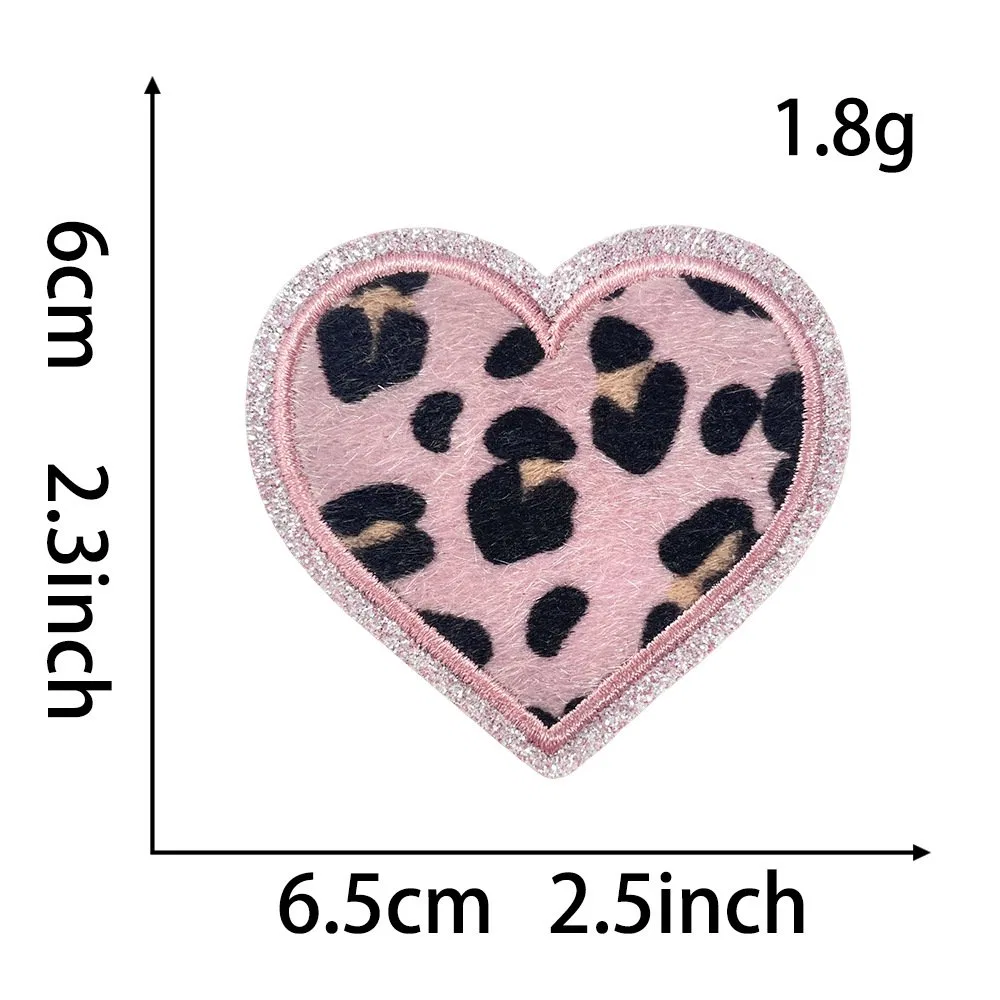
Do not begin with a temperature. Begin with traceability. Verify the patch code, artwork or catalog revision, material wording, finished dimensions, proposed reverse, carrier if present, garment supplier and style, placement, equipment, current instruction source, operator, and sample number. Photograph both sides of the patch and the receiving area before application.
Exact item, revision, dimensions, face, edge, reverse confirmation, and sample lot.
Garment or accessory style, color, material, finish, thickness, and production status.
Measured origin, seams, curvature, layers, stretch direction, and available support.
Supplier-issued instruction revision for this construction and any garment limitations.
Machine identity, platen or support arrangement, verification status, and operator.
Buyer-approved observations, care sequence if applicable, reviewer, and decision.
The patch backing selection guide helps determine whether a heat-assisted route should even be evaluated. If the reverse is not recorded, ask before planning the trial.
Product 16 is Leopard Heart Iron-On Patch for Bags and Hats, code TB-65DA4FC5D5C9, Thread embroidery, 2.3 inches × 2.5 inches, MOQ 100. A search phrase such as leopard print iron on patch must not overwrite that stored name. Product 66 is Cute Bear Rhinestone Iron-on Patch, YW-QS-001, Rhinestone and Felt Fabric, 4.3 × 5.2 cm, MOQ 100.
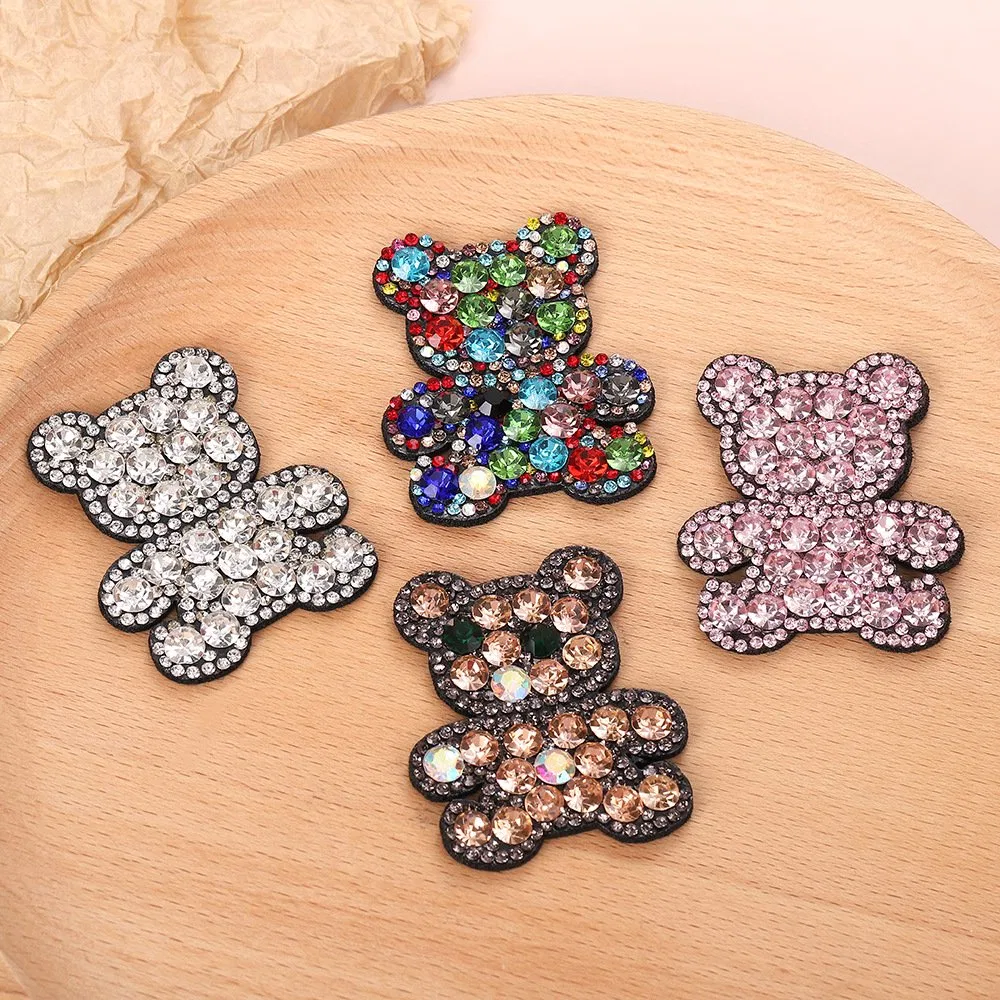
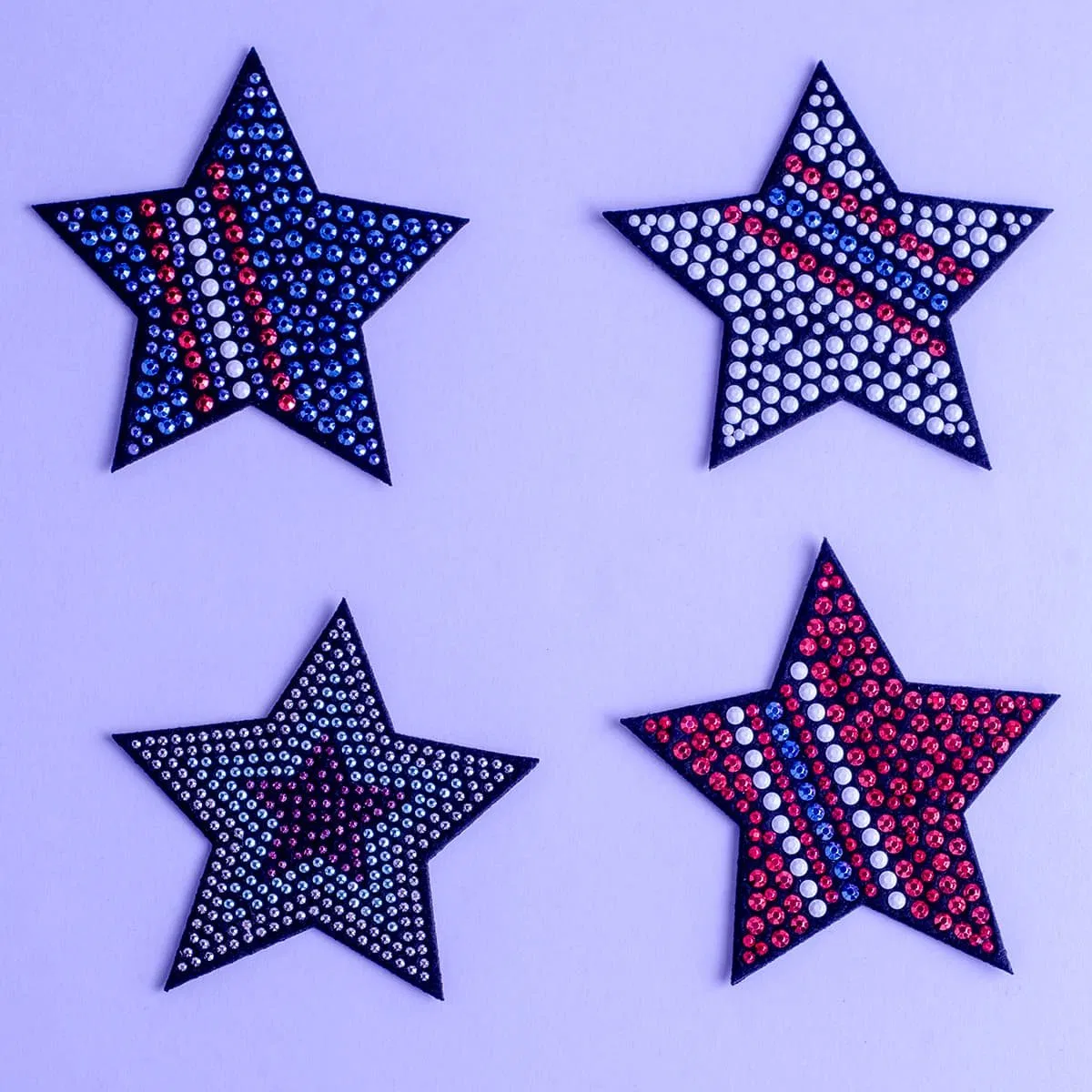
Product 17 can answer the catalog intent behind patches hot melt adhesive star, but “hotfix” in the title does not supply temperature, dwell, pressure, cooling, carrier, adhesive chemistry, or garment compatibility.
Review the garment care label, supplier restrictions, surface finish, coatings, padding, stretch, seams, pockets, zippers, and heat-sensitive trim. Confirm that the equipment can support the placement consistently and that the operator understands the current component-specific instructions. Use representative production material; a generic scrap does not approve the actual garment.
A hold is useful evidence, not delay. It prevents a damaged garment or misleading sample from becoming the basis for production.
The seams and zippers planning guide offers an obstruction-mapping workflow. It does not authorize heat settings for an iron-on patch.
Create a specimen matrix only after the supplier confirms which adjustments may be evaluated. Keep a control condition tied to the supplied instruction. If garment color, fabric, placement, patch revision, equipment support, or application condition changes, assign a new line. Random experimentation across several settings cannot reveal which change produced the observation.
| Sample | Patch | Garment | Placement | Instruction | Status |
|---|---|---|---|---|---|
| A-control | Confirmed revision | Exact style/color | Flat approved field | Supplier revision | Pending |
| B-variant | Same as control | One named variant | Same origin | Approved route | Pending |
| C-obstacle | Same as control | Same receiver | Mapped special area | Only if authorized | Hold/review |
This table intentionally omits numerical settings. Insert only values supplied or approved for the exact project and keep the source reference beside them.
The operator should work from the supplier instruction, not from memory. Record equipment identity, support arrangement, garment preparation, patch and carrier orientation, sequence, applied condition fields, cooling or release direction if specified, and any deviation. Timestamp the application and label the sample immediately. A reconstructed log written after inspection has less evidentiary value.
Attach the exact instruction revision and write all measured or set values with their units. Note any equipment indicators separately from independently verified values. If the patch shifts, the garment wrinkles, support is unstable, or the carrier behaves unexpectedly, stop and record the event rather than hiding it.
The phrase embroidered T-shirt badge iron on may describe buyer intent, but it does not identify a tested component. Confirm the patch face, edge, backing, receiving shirt, and specific application method before creating the ticket.
Where adhesive failure is suspected, consult the adhesive-failure evidence guide for neutral observations. Do not diagnose chemistry from appearance alone.
Use buyer-approved observation timing and conditions. View the full placement first, then inspect the perimeter, garment, and decorative face. Describe what is visible without assigning an unsupported cause. Photographs should include specimen identity, orientation, scale, and feature labels. If the program requires a care sequence, preserve the pre-care record for comparison.
Record alignment, scale, distortion, shine, color interaction, and any visible garment imprint.
Map flat, lifted, curled, compressed, or other approved categories by clock position or side.
Note surface change, fiber movement, coating response, puckering, residue, or no visible effect.
Check rhinestones, felt, embroidery, outline, carrier release, and visible layer integrity as applicable.
Do not use a destructive edge check unless the approved method calls for it. A visual approval and a peel or care test are separate decisions with separate records.
If a buyer care protocol applies, identify its document and revision, sequence, specimen count, equipment, detergent or other consumables where required, drying route, and observation intervals. This guide supplies no universal wash count or lifetime. Preserve an unexposed control when the program requires it and keep the care result linked to the original application record.
State the exact patch, garment, placement, instruction, care route, criteria, sample code, and authorized reviewer covered by the decision.
Preserve the condition, consolidate photographs and logs, and ask qualified parties to evaluate the evidence before changing a variable.
Open a new sample line for a confirmed patch, artwork, backing, garment, placement, or instruction change; never overwrite the failed ticket.
A successful sample does not guarantee another textile, size, color, seam position, component lot, equipment configuration, delivery, or production outcome.
These answers keep patch-specific supplier directions, garment evidence, recorded observations, and buyer acceptance authority in their proper roles.
Use the current instructions supplied for the exact confirmed patch construction and receiving garment, then verify them in a controlled trial. The cited product rows do not store temperature, time, pressure, cooling, or equipment settings.
Its stored name is Leopard Heart Iron-On Patch for Bags and Hats. Use that exact identity, code TB-65DA4FC5D5C9, thread embroidery, 2.3 by 2.5 inches, and MOQ 100 rather than renaming the catalog item.
No. Approval belongs to the named patch revision, receiver, placement, instructions, equipment arrangement, and evaluation sequence. A different surface needs its own controlled review.
Yes. Request and record the proposed reverse or carrier before testing. A front image and a product title do not identify the backing chemistry or application method in sufficient detail.
Preserve the specimen, document the location and observation, quarantine the condition, seek qualified supplier review, and issue a new sample code for any changed variable instead of improvising production settings.
Send Teebling the exact patch reference or authorized art, proposed reverse, finished dimensions, garment, placement, expected quantity, care requirements, and sample approval plan. Ask for current construction and application information before scheduling the heat trial.
The production record should cite the accepted component and reverse, garment, placement, supplier instruction, equipment arrangement, sample and care results, quantity split, and reviewer. A later change returns to the controlled test matrix.
This narrow release protects the order from unsupported universal heat settings while giving the factory a traceable condition to reproduce.