


Audience
Recipient group, context and any approved segmentation.
Turn a campaign idea into a sourceable product system. Audience, message, artwork rights, merchandise, variant counts, pack experience and destination timing must share one version before purchasing asks a supplier to commit.
A search for promotional product suppliers private label becomes useful only after the campaign has a measurable purpose. Define the audience, moment, desired action, distribution method, usable life and recipient experience. Separate products needed for staff, customers, speakers, retail, press or reserve stock. State whether the item is a gift, kit component, saleable product or operational tool. Avoid choosing a product solely because its unit image looks attractive. The sourcing brief should explain why the object belongs in the campaign and what evidence will show that it arrives ready for its intended handoff.
Recipient group, context and any approved segmentation.
Launch, event, welcome, reward, retail or follow-up.
What the campaign wants the recipient to notice or do.
Quantity, quality, pack and in-hand acceptance record.
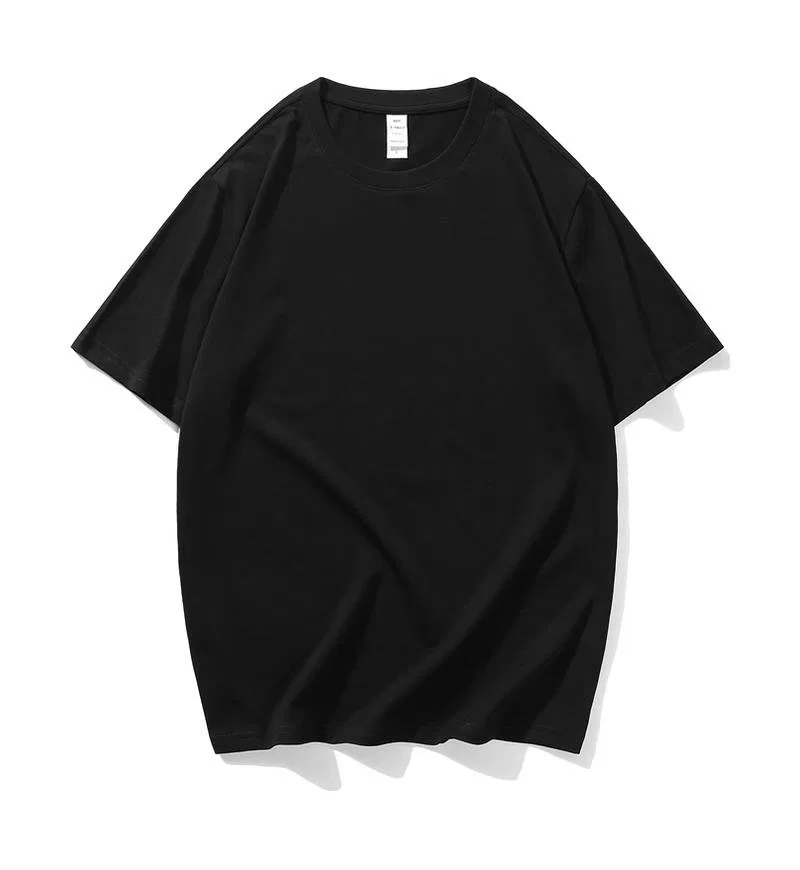
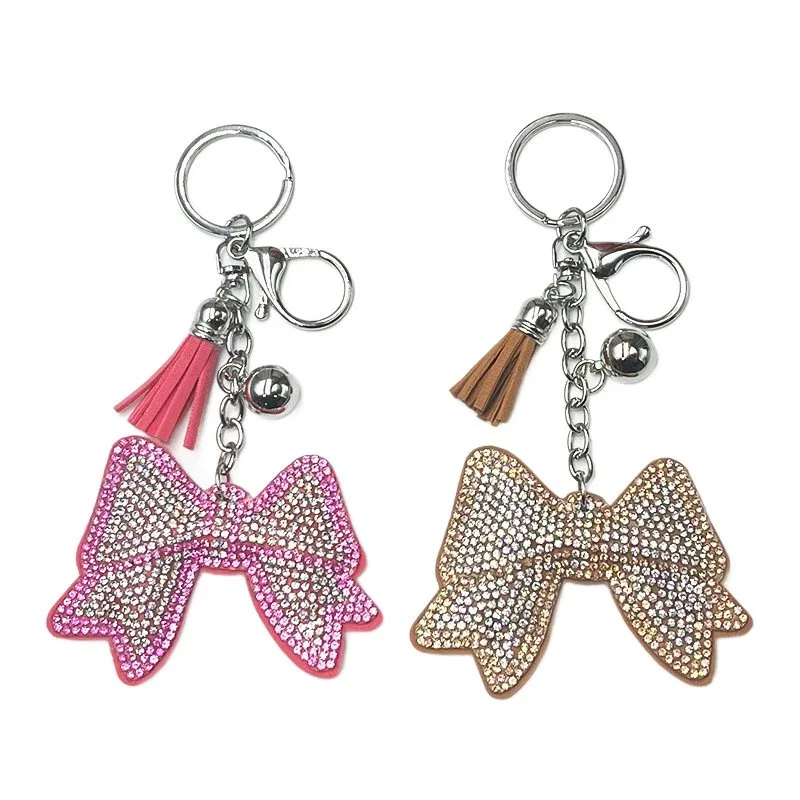
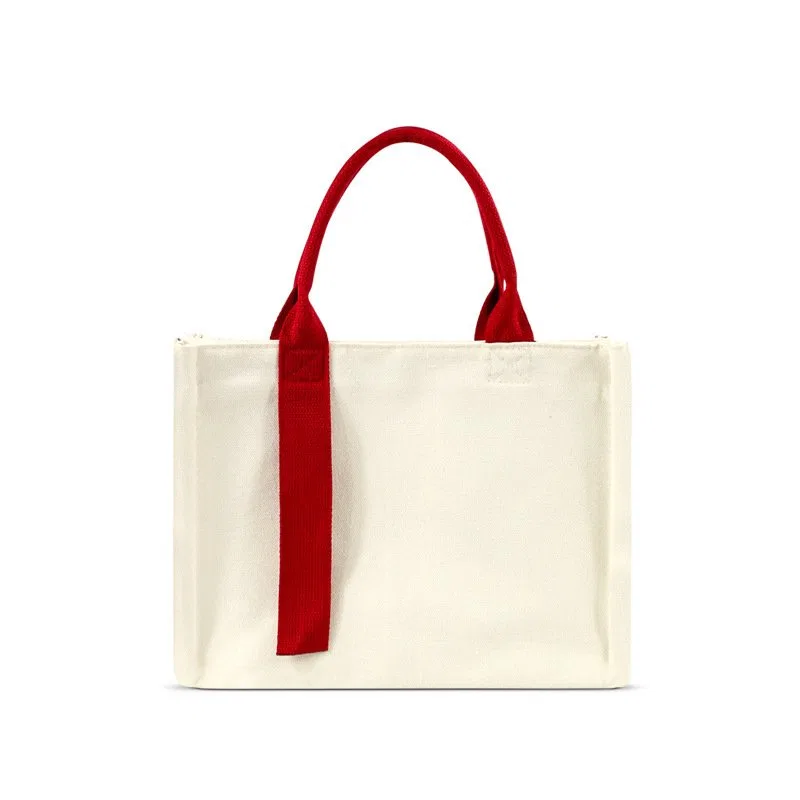
The current catalog supplies distinct starting points. Product 172 lists 100% cotton, MOQ 50 and item code ZQLW-T-001; its generic size field is blank, while stored fit options span male S–5XL, female S–4XL and kids XS–4XL. Product 125 records metal alloy, rhinestones and tassel at 2.8 by 2.2 inches, MOQ 50 and code HC-YWXK-031. Product 170 records canvas, approximate body dimensions of 13 by 9.84 by 4.72 inches, a 5.91-inch handle drop and MOQ 50. Custom branding and campaign packing require separate confirmation.
List logo, slogan, illustration, photograph, campaign name, partner mark and required copy. Identify the source file, rights owner, permitted product use, territory or campaign scope when applicable, and approver. Do not ask a supplier to reproduce a third-party mark merely because it appears online or in a previous event photo. Label mood references separately from production art. Where several brands appear together, provide a placement hierarchy and signed approvals. The sourcing file should make it possible to prove which authorized revision was supplied, reviewed and used on each private label merchandise output.
Asset ID, revision, owner, approved products, placement, colors, forbidden changes and approval authority travel together. Superseded files remain archived and clearly blocked from use.
The iron-on artwork checklist offers transferable preflight questions, though the campaign may use other decoration formats.
Create a row for each product, color, size group, logo version, language, pack configuration and destination. State which audience receives it and why the variation exists. Avoid multiplying variants that do not change the recipient experience or campaign function. Conversely, do not merge rows when artwork, fit, product identity or packaging differs. Keep staff and external-recipient products separate when their copy or quality requirements change. Ask the supplier how current minimums and setup affect the requested allocation; this page does not promise that variants can share a production threshold.
| Audience | Product | Brand version | Pack | Quantity |
|---|---|---|---|---|
| Campaign group A | Stable buyer SKU | Approved art ID | Named format | Demand file |
| Campaign group B | Separate physical variant | Approved art ID | Named format | Demand file |
Approve the base merchandise identity before judging decoration. Then compare authorized artwork, placement, dimensions, colors and visible finish. Finally place the product into its proposed unit and kit packaging. Record sample codes and represented variants at each stage. Use the exact receiving product and supplier-confirmed application instructions for any attachment or transfer trial. Photograph the full product, critical details, reverse or interior when relevant, and the packed handoff. A private label accessories factory sample should reveal which operations it covers rather than becoming a general promise for an entire campaign.
Identity, material direction, dimensions and function.
Artwork content, placement, scale and physical translation.
Protection, approved copy, assortment and receiver experience.
Named approver, date, status, conditions and represented scope.
Map the path from packed unit to distribution table, mailer, hotel room, retail shelf or employee desk. Identify who opens outer packaging, whether the product must remain hidden or visible, how recipient variants are sorted and which message appears first. Specify protective materials, branded inserts, labels, barcode data, kit membership and destination marks as versioned components. Assign authorized reviewers for regulatory, legal, retailer and brand content. The private-label accessories guide supports range planning, while the export packing guide contributes shipment questions without dictating campaign pack construction.
The physical sequence must protect the merchandise, reveal the intended message, preserve recipient identity and let the receiver reconcile every unit without guesswork.
Start with the required receiver date and location, then work backward through local handoff, transport, dispatch, packing, production, pre-production approval, sample review and artwork release. Add buyer decision time and contingency as explicit planning fields. Ask the supplier and logistics providers to confirm current durations and cutoffs for the named route; do not publish a generic lead-time promise. Assign an owner and evidence output to every gate. If products consolidate from different operations, identify the merge point, count reconciliation and responsibility for late or held components.
Receiver and acceptance window.
Confirmed route and handoffs.
Released components and count.
Approved work orders and variants.
Physical evidence and decision.
Authorized art and purchase brief.
Send the objective, audience matrix, authorized artwork register, product references, variants, quantity ledger, sample plan, packaging storyboard, destinations and required dates. Ask the supplier to return scope, assumptions, exclusions, current minimum allocation, sample route, production ownership, packing responsibility, commercial terms and schedule conditions. Compare responses against the same brief. The garment accessories supplier guide and bulk embellishment guide can deepen category questions. Release purchasing only after the quote, campaign board and approval evidence reconcile.
One objective, one controlled demand file and linked approvals for every product, logo version, pack and destination keep agency, brand, supplier and receiver aligned.
The answers below preserve campaign ambition while keeping product, branding and schedule claims evidence-based.
It should connect campaign objective, audience, authorized artwork, selected products, variants, quantities, pack experience, destinations and required in-hand date in one controlled record.
No. Treat decoration, private-label components and packaging as quoted work unless the current product specification and supplier response explicitly include them.
Product 172 is a cotton crew-neck T-shirt, Product 125 is a bow rhinestone keychain, and Product 170 is a structured canvas tote. Each records MOQ 50 and keeps its own product facts.
Provide buyer-owned, commissioned or otherwise authorized files, identify the rights owner and intended use, and keep approval evidence with the exact revision submitted for production.
Backward planning exposes approvals, samples, production, packing, consolidation, transport and receiver handoffs. The supplier must confirm the current schedule; this guide does not promise lead times.