
Read Our Refund & Return Information
Controlled light-tunnel worksheet

Reflective Label Visibility Test Guide

Compare a named reflective label sample under a documented light, observer and garment arrangement. Teebling buyers can use this worksheet to record visible response, logo recognition and placement contrast while keeping every conclusion bounded to the tested specimen. It is not a safety certification or a universal performance rating.

Open the sourcing guide
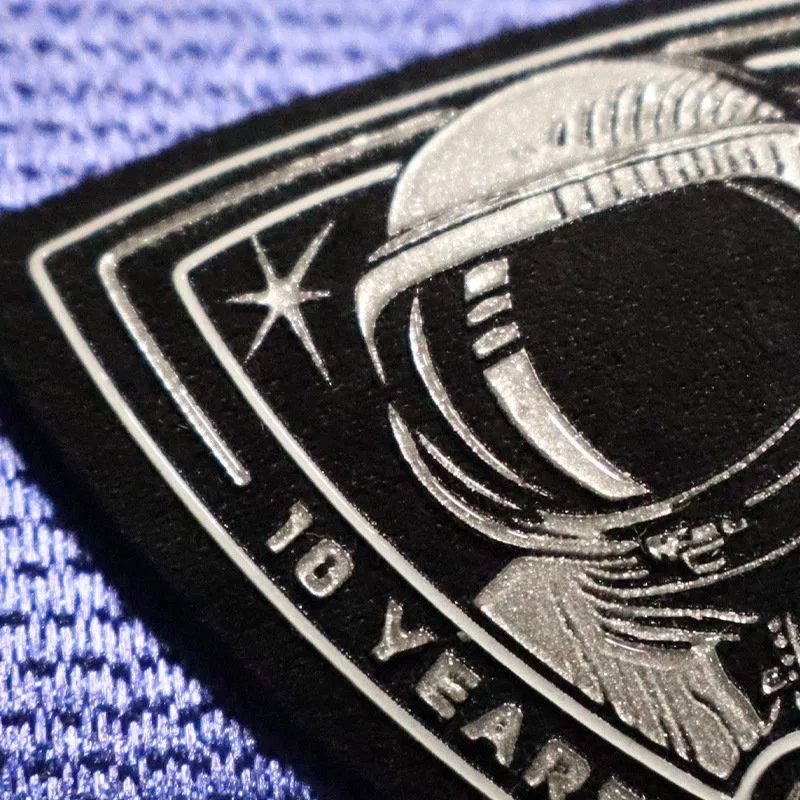
TPU reflective label sample positioned inside a dark visibility test area
Record 45 is a catalog specimen, not evidence of certified visibility performance.
01 / Test boundary

Define the observation before switching on the light

Write a narrow purpose such as comparing two logo colorways at one placement or checking whether lettering remains recognizable in a specified viewing setup. Identify the sample code, artwork revision, garment, application state and intended business decision. A vague goal such as “prove safety” is outside this worksheet and requires the applicable standard, qualified test method and supporting documentation.

The report must say where, when and how the observation occurred. It should not convert a controlled room, phone-camera flash or single observer into a guarantee for roads, workplaces, emergency garments or every low-light environment. If regulatory or certified performance is required, state that need in the RFQ so Teebling can determine what evidence is available for the selected product.

Contact us
02 / Specimen register

Use the exact recorded constructions as starting references

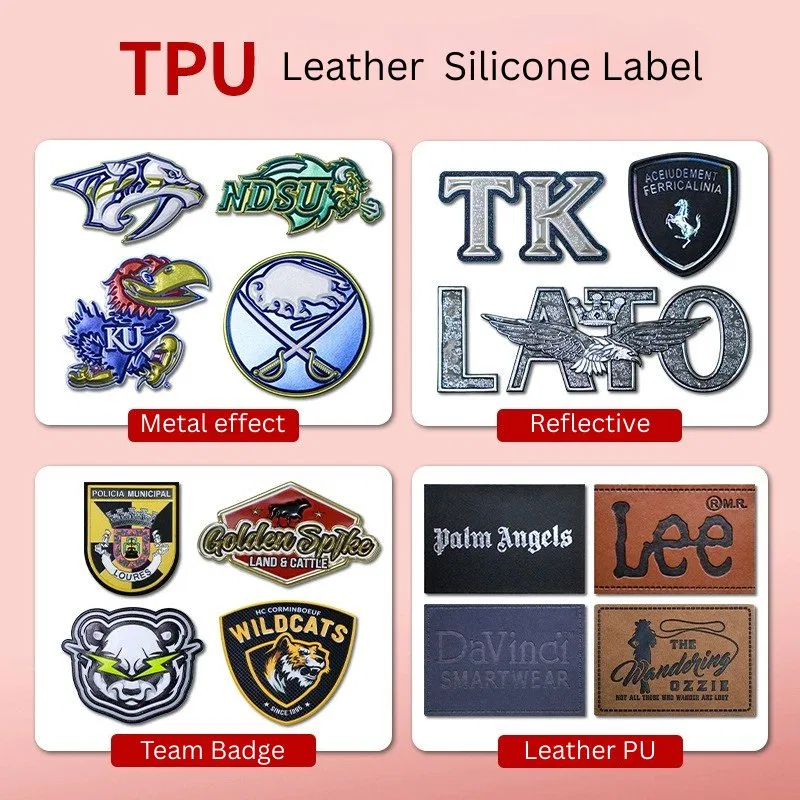
Two database entries provide relevant examples. Record 45 is described as TPU and silicone leather, with a 6 × 8 cm reference size and a recorded MOQ of 100. Record 51 is described as TPU and PVC, with a 5 × 8 cm reference size and the same recorded MOQ. Neither record alone establishes reflectivity values, certification, test geometry, backing or garment compatibility.

Bay 45 / TPU and silicone leather

Retain the combined material wording in the sample label. Ask the quotation to confirm the current reflective construction, dimensions, colors, reverse and commercial allocation. Photograph both sides of the received specimen.

Bay 51 / TPU and PVC

Keep this material description distinct from record 45. If it enters the comparison, give it its own artwork, application and observation code rather than calling both pieces the same reflective TPU label.

Contact us
03 / Geometry marks

Measure the light, observer, camera and sample positions

Reflective appearance can change sharply when the source and viewer move. Mark fixed floor or bench positions and use the same coordinate language for every specimen. If the geometry changes, treat the next view as a separate condition.

Light source

Record type, operating mode, height, distance and angle. Note ambient light and any diffuser or lens that changes the beam.

Observer station

Mark eye height, horizontal offset and distance. Name the reviewers and avoid pooling incompatible viewing positions into one score.

Camera station

Use fixed exposure, focus and white-balance settings when photographs are compared. Store the original files and metadata.

Sample plane

Record label orientation, garment curvature, placement height and whether the textile is flat, worn, shaped or moving.

Contact us
04 / Condition console

Run distinct views rather than one dramatic flash photograph

Create a sequence that matches the buyer's comparison question. Reset all marked positions before each run and keep the sample identity visible in the first frame. The examples below are observation categories, not standardized test conditions.

AMBIENT

Ordinary room view

Observe the non-illuminated logo, garment contrast, color and readability. This establishes the baseline appearance when the reflective response is not activated.

DIRECTED

Fixed source view

Place the light and observer at the documented coordinates. Describe where highlights appear and which design information remains recognizable.

OFFSET

Changed-angle view

Move one recorded variable and repeat. Compare the result only after noting the new angle or distance in the condition code.

WORN

Garment-context view

Shape or wear the product and check how folds, curvature and movement alter the visible label area. Keep the procedure safe and controlled.

COLORWAY

Variant comparison

Use identical geometry for each approved color or artwork version. Photograph the sample label before changing the specimen.

CONTROL

Reference capture

Include a neutral scene reference and unchanged camera settings so image processing does not silently create the apparent difference.

Contact us
05 / Image bench

Capture comparable evidence with cautious captions

A test photograph should identify the specimen and condition, not advertise an unmeasured brightness value. Use the images to compare visible response and graphic recognition within the recorded setup. Preserve uncropped originals and document any exposure adjustment applied for presentation.

Record 45 reflective label front catalog reference
Specimen identity image for record 45.
Alternate TPU reflective label gallery view for visual comparison
Alternate visible detail without a quantified claim.
Record 51 TPU and PVC reflective label specimen
Distinct TPU-and-PVC catalog reference.
Contact us
06 / Observation ledger

Write what was visible, then fence the conclusion

Use descriptive fields that a second reviewer can understand. Avoid unsourced rankings such as “high visibility” or “industry grade.” If a measured property is needed, request the relevant supplier data and test basis for the exact SKU.

Record fieldEntryBoundary statement
Condition codeLight, positions and ambient setupApplies only to this documented geometry
Specimen codeSKU, artwork and application revisionDoes not cover an unreviewed substitute
Visible responseObserved highlight area and uniformityNo unmeasured reflectivity value implied
Logo recognitionWords or shapes readable at stationNot a general distance or safety promise
Garment contextFolds, curvature and occlusion notedRestricted to the cited product setup
Contact us
07 / Decision and sourcing handoff

Approve appearance without overstating performance

The decision can state that one named sample better preserved the logo, produced a more even visible response or fit the placement in the defined test arrangement. It cannot claim certified protection, guaranteed night visibility or universal performance unless separate competent evidence supports that statement.

Send the chosen specimen code, observation log, original photos, garment record, application evidence and unresolved questions into the quote file. Teebling should confirm the current construction and any supplier documentation before the buyer writes product claims. A new color, size, backing, garment or factory revision returns to the test queue.

Use reflective label wholesale sourcing for the commercial brief, heat-transfer artwork requirements for source preparation, and custom garment label planning for substrate and application context.

Contact us
08 / Test desk

Reflective visibility review questions

These answers keep catalog facts, comparative observations and formal performance evidence in their proper lanes. They should accompany, not replace, the item-specific sourcing and application record.

Does this reflective heat transfer label test certify safety performance?

No. It organizes comparative observations for a defined sample, lighting arrangement and garment context. It does not establish compliance with a safety, occupational, transportation or visibility standard.

Which reflective label records are cited?

Record 45 is described as TPU and silicone leather at 6 by 8 cm, while record 51 is described as TPU and PVC at 5 by 8 cm. Both carry recorded minimum order quantities of 100 pieces.

Why must the light and viewer positions be measured?

Reflective appearance changes with illumination and observation geometry. Recording distance, height and angle makes two sample views more comparable and prevents an impressive photograph from becoming an undefined performance claim.

Can a camera image replace a human visibility review?

No single capture represents every viewer or environment. Use fixed camera settings for documentation, pair them with named observer notes and keep conclusions limited to the stated setup.

Where should buyers handle sourcing and commercial questions?

Use the dedicated reflective heat transfer labels wholesale page for the broader product brief, then attach this test plan to the exact quotation and physical sample under review.

Contact us
Welcome Guest!