
Read Our Refund & Return Information
Teebling performance decoration lab

Rhinestone Transfers Engineered for Athletic Wear

Plan rhinestone transfers for athletic wear around the garment that will actually move, stretch and meet the body. A useful wholesale brief connects the crystal artwork to fabric composition, surface finish, stretch direction, placement, application access, team assortment and sample evidence. Teebling uses those inputs to review a defined decoration program instead of treating “sports fabric” as one universal substrate.

Plan cheer and dance transfers
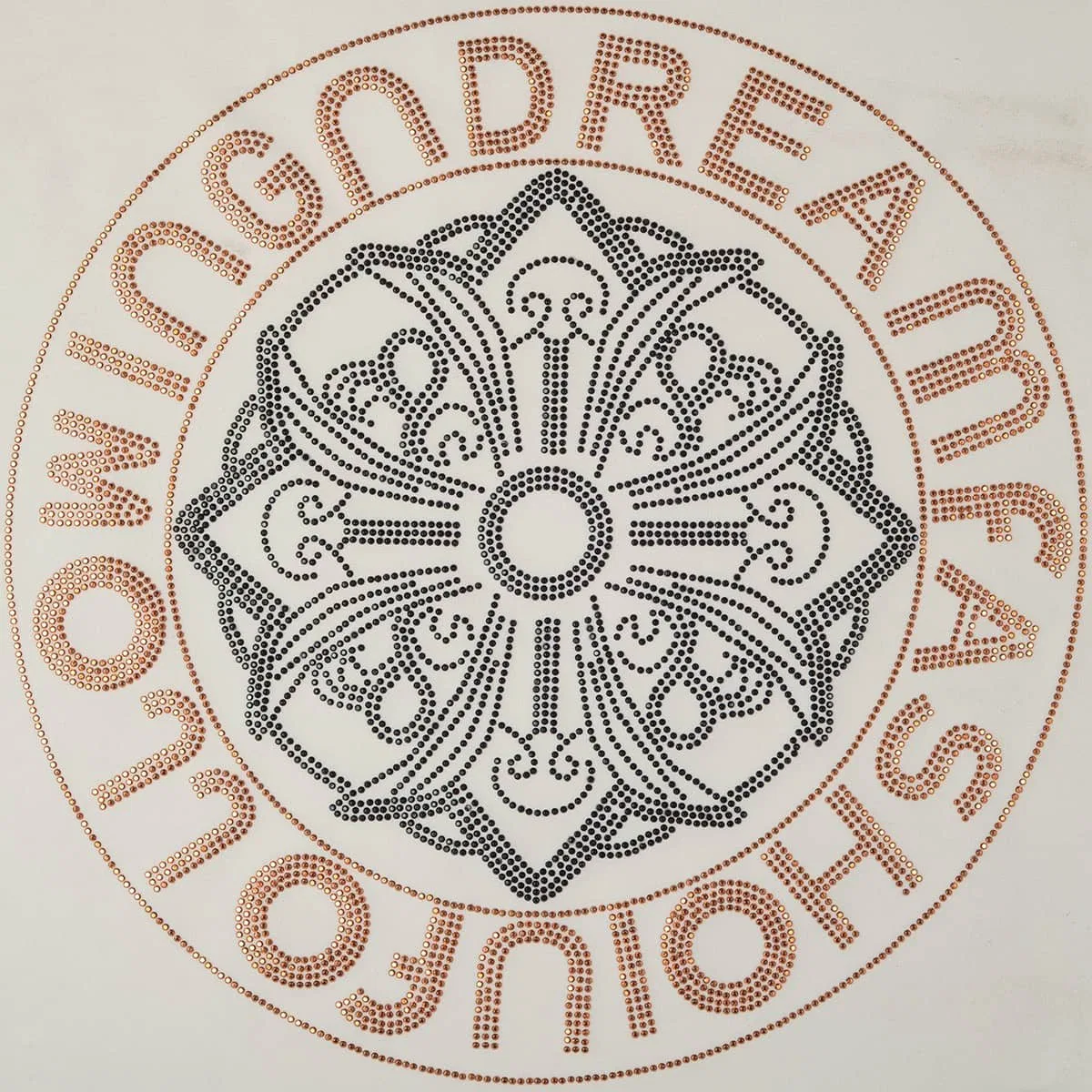
Rhinestone heat-transfer artwork presented on a men's shirt
Garment, movement zone and artwork must be reviewed together.
stretch directionsurface finishplacement accessmovement test
01 / Receiving garment

Start with a named fabric, finish and construction

Words such as performance, active or moisture-wicking describe a market category, not a complete application specification. Provide the garment reference, fiber information available from its supplier, fabric weight or construction where known, colorways and any face treatment. The proposed transfer should then be tested on that specific receiving material.

01

Stretch and recovery

Record whether the fabric stretches across the body, vertically or in several directions. Identify the garment zones that experience the greatest extension in normal use. A dense crystal area placed across a high-movement panel may behave and feel differently from the same artwork on a stable chest zone.
02

Surface and treatment

Describe brushed, smooth, mesh-like, coated or otherwise treated faces rather than assuming the fiber name tells the whole story. Finishes can influence application trials. If the program spans several garment colors or supplier lots, include representative pieces in the approval plan.

03

Seams and paneling

Mark bonded seams, mesh panels, plackets, zippers and reinforced zones on a placement drawing. These structures can interrupt support beneath the application area or create uneven pressure. Review them before artwork scale is fixed, not after the transfer has been produced.

02 / Motion analysis

Know what the decorated zone does during use

Athletic-wear decoration should be reviewed at rest and through the motions relevant to the garment. The purpose is not to invent a performance promise; it is to make the sample review representative. State the intended activity, the location of the artwork and the movement that area will experience.

Low-change zones

An upper chest or selected leg area may offer a relatively stable surface on some garments, but this must be confirmed on the actual style. Photograph the garment flat and worn, then record the approved position from measurable reference points.

Repeated-extension zones

Shoulders, elbows, knees and close-fitting torso panels can extend repeatedly. Consider reducing solid visual mass, opening negative space or moving the artwork. Approve the choice by comparing appearance, flexibility and comfort on the physical sample.

Abrasion zones

Backpack contact, equipment straps, waistbands and repeated surface rubbing deserve special attention. If the design must remain near one of these areas, document that condition and include it in the use-oriented sample inspection.

03 / Placement map

Position artwork away from avoidable stress and application obstacles

Send a front, back or side garment drawing with the finished transfer dimensions and measured coordinates. “Center chest” is not enough when a neckline, zipper, pocket or panel seam changes the usable area. A repeatable specification identifies where the decoration begins and how its centerline relates to the garment.

Chest and upper back

Check neckline depth, shoulder seams, vents and the way the panel lies during pressing. Decide whether a logo should remain compact or expand across the upper body.

Sleeve and shoulder

Measure the narrow, curved area on the selected size. Record the intended orientation when worn and confirm whether the application equipment can support it evenly.

Leg placement

Map the artwork against side seams, knee movement and pocket openings. Provide separate coordinates when shorts, leggings and warm-up pants do not share the same construction.

Team identity zone

Separate the common team mark from player names or numbers. Define a controlled location for each variable element and a roster sign-off process.

Accessory panels

For bags or related team accessories, treat each material and shaped panel as a separate receiving surface requiring its own dimensions and test plan.

04 / Artwork density

Give the graphic room to flex visually and physically

A rhinestone sports logo must remain recognizable at finished scale without turning every interior area into a solid crystal field. Review line weight, stone spacing, negative space and the relationship between text and icon. Small lettering may need simplification, while broad shapes may benefit from a lighter distribution that follows the garment more comfortably.

Approve artwork from a physical-size layout, not a zoomed screen view. If one program covers youth and adult sizes, decide whether a single transfer size is acceptable or whether separately coded artwork scales are needed. The quote should identify every version rather than hiding them inside one product name.

Open the custom transfer guide
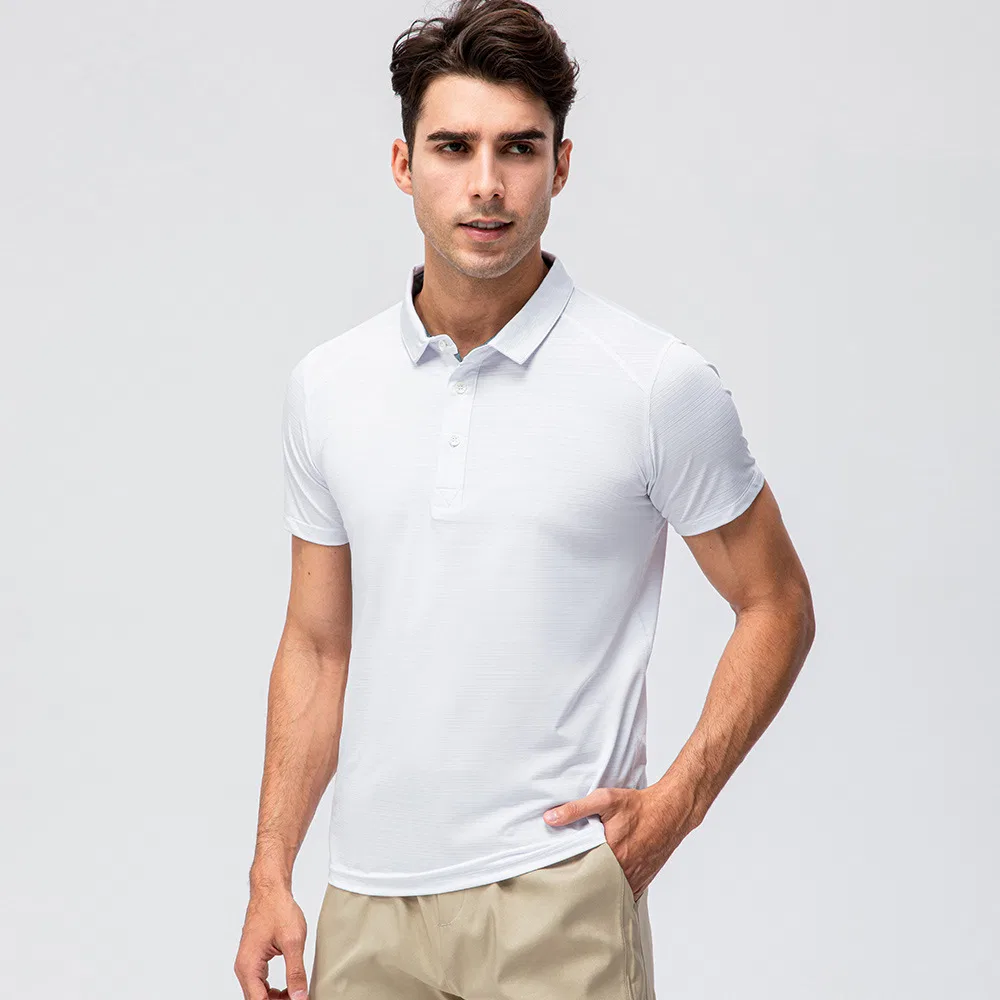
Performance polo reference for planning a rhinestone placement
Confirm fabric, garment construction and placement before production.
05 / Controlled trial

Record the complete application and movement test

The approved sample should preserve more than a photograph of the design. Record the exact transfer reference, receiving garment, application equipment, support arrangement, temperature, time, pressure and peel method used during the accepted trial. Those settings belong to that tested combination and should not be presented as universal instructions for every athletic textile.

After application, allow the sample to settle according to the agreed review process. Inspect stone alignment, edges, visible fabric distortion and the hand of the decorated zone. Then put the garment through relevant movement and the agreed care test. Note what was examined, who approved it and the sample identifier that purchasing will reference.

Sample evidence ticket

  1. Photograph the garment and artwork before application.
  2. Record equipment, support and application variables.
  3. Inspect the transfer flat and on the body.
  4. Complete the agreed movement and care review.
  5. Archive the accepted sample code and decision date.
Use the heat-press test guide
06 / Commercial breakdown

Turn a team total into a buildable size and artwork ledger

A statement such as “two hundred team shirts” does not show what must be made. Build one row for every garment style, fit, color, size and artwork version. If individual names or numbers are involved, isolate those variable records from the common graphic and assign one person to authorize the final roster.

AGarment line

Supplier or style reference, fit, color, size and exact unit quantity.

BShared decoration

Team logo file, finished dimensions, stone direction, placement and sample code.

CVariable data

Name or number list, spelling control, layout rule and roster approval owner.

DPack-out

Individual identification, team grouping, carton marks and delivery destination.

07 / RFQ handoff

Send one athletic-wear decoration dossier

Attach the artwork, garment reference, fabric information, color and size ledger, physical dimensions, placement drawing, movement context, sample target, packing needs, destination and requested in-hand date. Teebling can then review the defined project and identify points that still require confirmation before quoting.

Garment

Style, textile, finish, colors and size breakdown.

Artwork

Vector, dimensions, spacing and variable versions.

Evidence

Placement map, movement context and sample criteria.

Commercial

Quantities, packing, destination and required date.

08 / Buyer answers

Rhinestone athletic-wear transfer FAQ

Can the same rhinestone transfer be used on every athletic fabric?

No single application assumption fits every textile. Supply the actual garment reference and test the proposed transfer on that fabric, finish, color and construction before authorizing a bulk program.

Where should rhinestone artwork sit on performance apparel?

Choose a zone that supports the design scale while avoiding heavy stretch, repeated abrasion, thick seams and obstructed application access. Confirm the final coordinates on a representative garment sample.

How should team quantities be prepared for a wholesale quote?

List units by garment style, fit, color, size and artwork version. Separate shared team graphics from variable names or numbers, then identify who controls the final roster approval.

Does Teebling specify one universal heat-press setting for athletic wear?

Application settings must be established for the selected transfer and receiving garment through a controlled trial. Record the approved equipment, temperature, time, pressure, peel and support method used for the sample.

What should be checked during the movement sample review?

Inspect the decoration at rest and during the movements relevant to the garment. Review stone alignment, visible lifting, fabric distortion, hand feel, placement comfort and appearance after the agreed care trial.

Welcome Guest!