


Loop envelope
Maximum width, height and intended fullness for both sides.
Turn an evidenced ribbon-and-crystal bow into a controlled garment component. The workflow connects measured silhouette, loop and tail balance, crystal face, reverse construction, placement, movement and protected shipment while keeping hair-bow assumptions out of the brief.
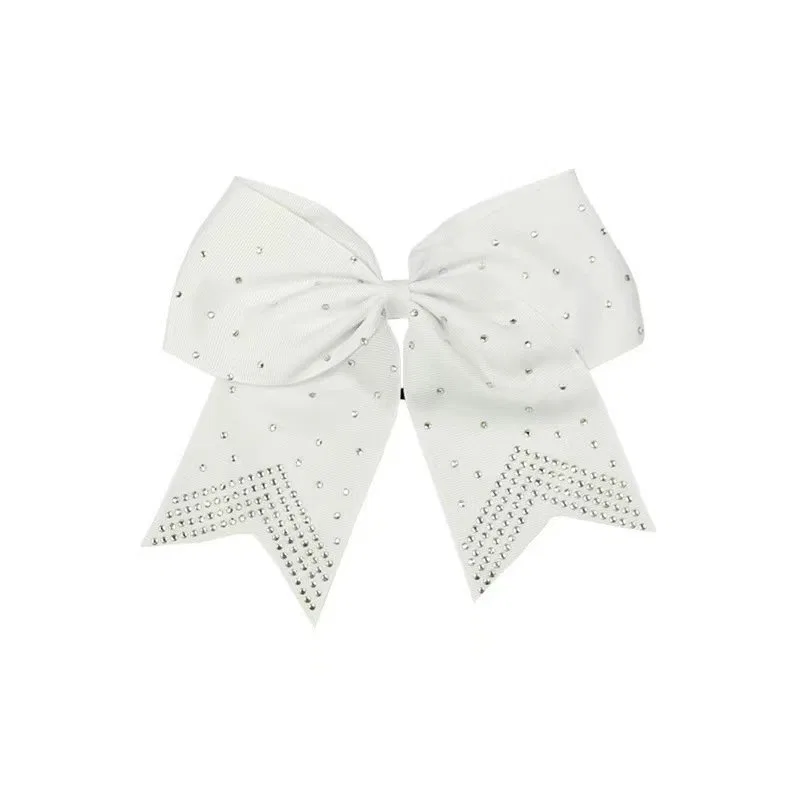
Trace the requested outside shape at full size and divide it into left loop, right loop, center wrap, left tail and right tail. Add a horizontal balance line and a vertical center datum. Record whether the loops are equal, whether tails overlap and where folds are intended to create volume. A bling bow clothing accessory needs more information than overall width and height because the same bounding box can contain very different ribbon proportions. Review the paper pattern on the garment before translating it into a sample. Flag any deliberately uneven tail or angled center so inspection teams preserve the approved character rather than forcing symmetry.
Maximum width, height and intended fullness for both sides.
Wrap width, visual axis and any crystal concentration.
Length, angle, tip shape, overlap and direction on the garment.
Product 38 records rhinestone and ribbon, item DYHH-KB-003, 6.88 × 7.08 inches and MOQ 100. The database does not name an attachment method or garment. Product 37 is explicitly a hair clip, while Product 52 is a hair tie. Their receiving-product language should not migrate into the waist-bow request. Use the adjacent references only to discuss ribbon appearance, then return to Product 38 for the garment-decoration identity. The hair bow sourcing page remains the correct route for headwear accessories.
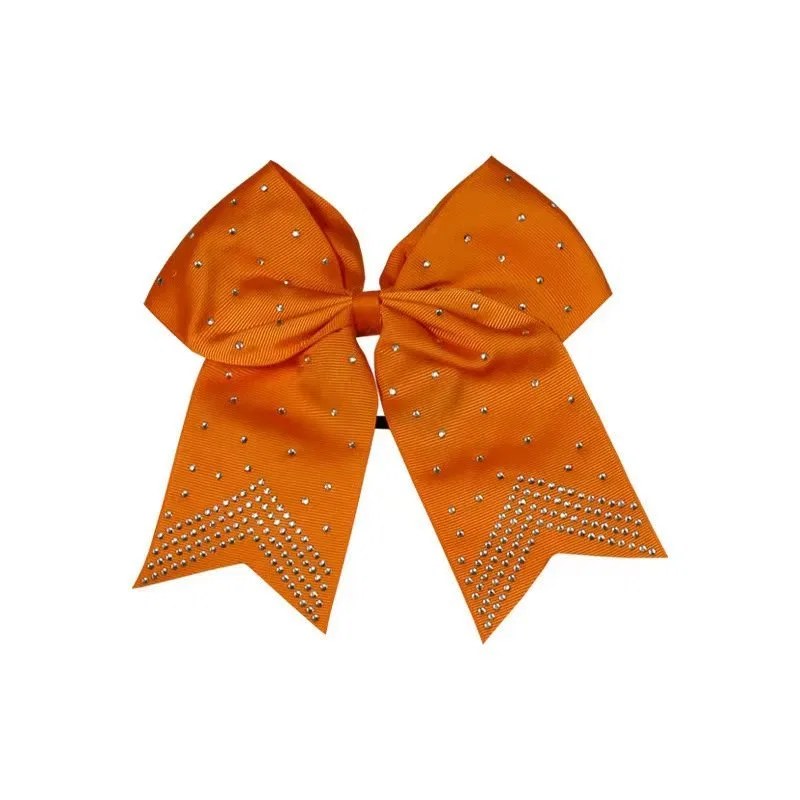
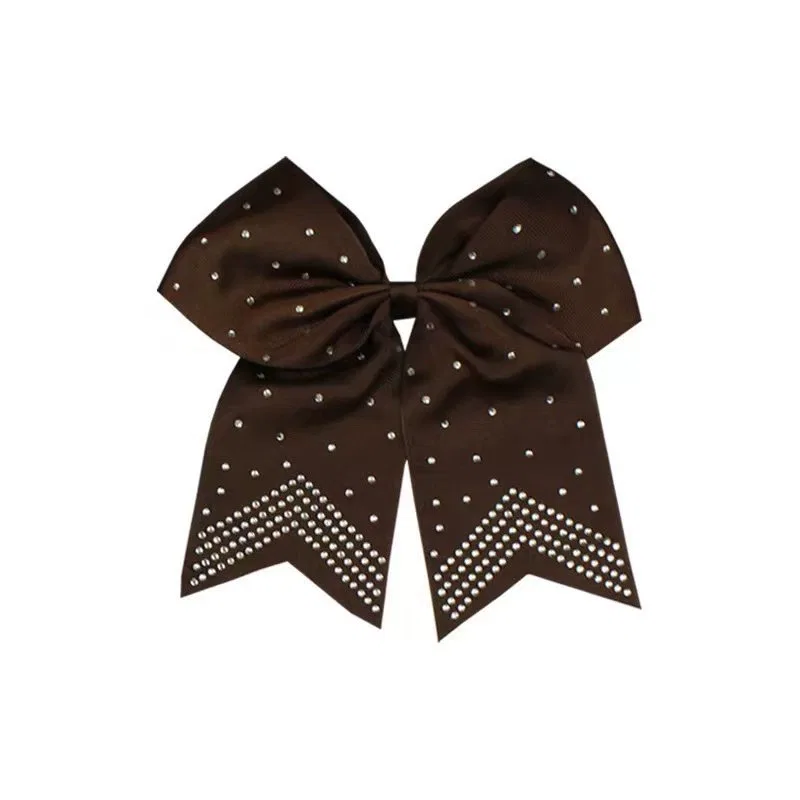
Name the ribbon color, surface direction, visible reverse, edge appearance and any layered pieces on a marked photograph. Overlay the rhinestone route as distinct zones: outline, center feature, scattered field or another buyer-approved arrangement. Give every stone color a reference and state whether matching is based on a named physical sample, a supplier chart or another agreed source. Screen previews are useful for placement but cannot guarantee physical equivalence. Ask the supplier to note construction limits, then compare the sample under the lighting relevant to merchandising. If garment color changes, review the bow again because contrast behind open loops or tails may alter the overall reading.
Color source, direction, sheen and exposed base.
Visible reverse, shadow zones and center overlap.
Named placement route, color and sample reference.
Cut shape and buyer-approved appearance at true scale.
Identify garment style, size, color and construction before setting coordinates. Define the waist reference used by the pattern team, then record center or side offset, vertical position and bow angle. If the piece sits over a waistband, seam, closure or gathered panel, include that construction in the sample because it changes support and appearance. Review front, side and back views on a dressed form or representative wearer. Grade the location intentionally across sizes rather than applying one pixel position to every mockup. A removable styling position and a permanent production location are different decisions and should receive separate instructions.
Garment SKU and size, body panel, datum, horizontal offset, vertical offset, angle, bow revision and approving party must travel together.
The clothing placement guide offers additional methods for measured anchors even though labels and bows use different components.
The Product 38 row does not identify pin, clip, stitch, adhesive or another method. State the intended garment and whether removal is required, then request a drawing or clear reverse photograph of the proposed build. Check the attachment footprint against seams, linings, stretch and wearer-facing surfaces. Define who installs the component and at which production stage. Trial the complete proposed assembly rather than testing ribbon alone. Record access, stability, visible reverse, garment marking and any buyer-specific movement observation. Do not advertise a broad compatibility conclusion from one fabric. If heat assistance is proposed, obtain exact supplier instructions and use the backing-by-garment framework to organize the evidence.
Define a project-specific sequence that represents dressing, sitting, walking or another relevant use, and have the buyer approve it before evaluation. Photograph the bow at rest, during the named position and after the sequence using the same reference view. Note rotation, collapse, tail interference, attachment visibility or crystal contact as observations. The guide does not establish cycle counts, strength claims or safety conclusions. If the garment has a flexible waist or layered skirt, include that construction in the representative sample. Preserve the tested piece and its garment identity so later teams can compare revisions rather than relying on memory.
Baseline angle, loop volume and tail fall.
Buyer-defined position and visible interaction.
Post-sequence form, attachment and face condition.
Define whether units travel flat, lightly formed or supported by an insert that protects the approved loop volume. Isolate rhinestone faces from neighboring components and prevent tails from folding across marked crystal zones. Give each size, ribbon color, crystal direction and attachment variant a separate identifier. State inner count, orientation, unit pack, carton quantity and destination allocation. At receiving, compare the opened unit with the approved sample and packing diagram before disturbing the remaining stock. Buyers assembling private label fashion accessories or broader wholesale embellishments should distinguish component scope, optional branded packaging, garment application and any finished-garment service rather than combining them under one undefined bow request.
Supported unit, separator, variant label, counted inner and readable outer mark.
Use these answers to maintain a clean boundary between the recorded garment-decoration reference and the custom choices that still require drawing, sample and receiving evidence.
The database records item DYHH-KB-003, rhinestone and ribbon material, dimensions of 6.88 by 7.08 inches and MOQ 100 for the waist-bow clothing-decoration reference.
No. This guide treats Product 38 as a garment-decoration component. Hair clips, ties and cheer bows use different attachment and receiving-product questions even when ribbon appears similar.
Name the garment, size, front or back location, vertical waist reference, center or side offset and intended bow angle, then approve the position on a production-representative sample.
The listed material and dimensions do not identify an attachment method. Request the proposed reverse construction and test it with the exact garment rather than inferring a clip, pin, sew-on or adhesive route.
Keep the approved loop and tail shape supported, isolate crystal faces from abrasion, label every color and attachment variant, define inner counts and preserve an orientation reference for inspection.