


Physical reference
Photograph and ship the exact chip or retained sample, then identify which surface and lot the buyer considers authoritative.
Custom TPU label colors become orderable when the artwork, physical reference, garment, viewing note, and approval sample share one version. This guide turns a vague request to “match the logo” into a traceable color brief without claiming that a screen value and a finished TPU surface are identical.
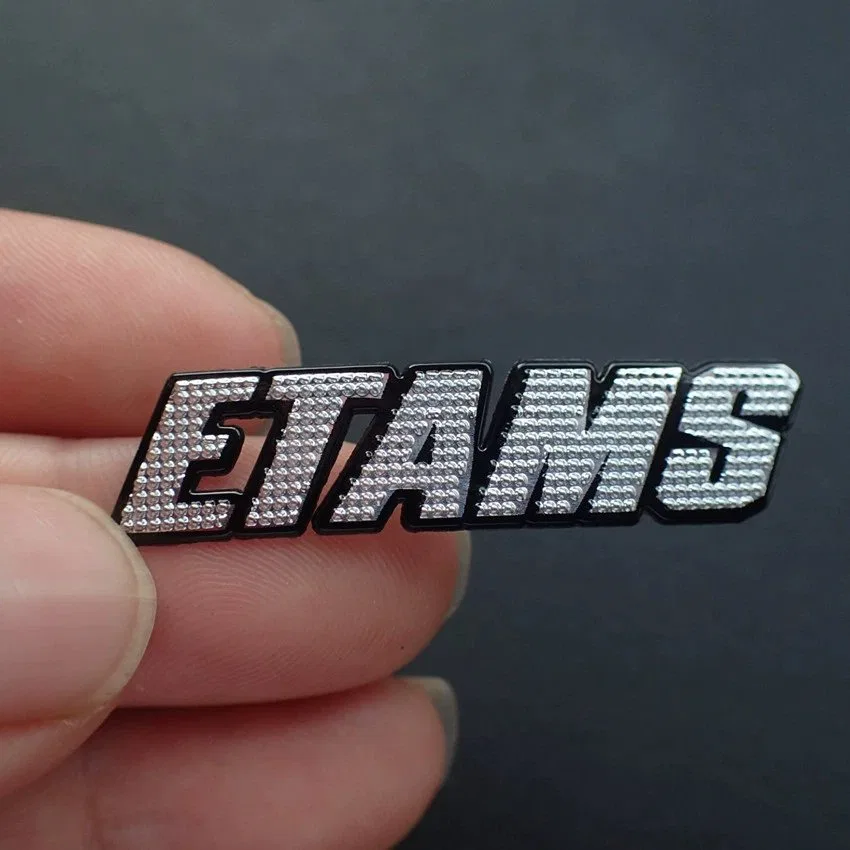
Begin with the strongest available source: a physical brand chip, an approved previous component, a printed guide reference, or a controlled digital value. Label the source and revision instead of pasting an unexplained swatch into an email. RGB and hexadecimal values describe emitted screen color; CMYK describes an intended print build; a named guide chip is a physical reference. None automatically predicts the appearance of TPU, silicone, fabric, or leather-like surfaces.
Photograph and ship the exact chip or retained sample, then identify which surface and lot the buyer considers authoritative.
State the file profile and intended use. Treat the value as communication input until a physical output is approved.
Record supplier, style, color name, and lot where practical so surrounding color remains part of the decision.
Give the accepted sample a code, date, and approver; do not replace it silently with a later screenshot.
A precise brief may request a visual match to a supplied chip, but it should not promise exact material equivalence. Teebling needs the reference hierarchy before recommending a sample route. The related TPU label application guide addresses garment trials after the visual construction is identified.
Three catalog entries demonstrate why a color brief must cite the selected build. Product 44 records item code GZ-FC-003, material “TPU AND SILICONE,” size 5 × 3 cm, and MOQ 100. Product 46 records GZ-FC-005, TPU and fabric, 5 × 8 cm, and MOQ 100. Product 49 records GZ-FK-008, TPU Leather, 5 × 8 cm, and MOQ 100.
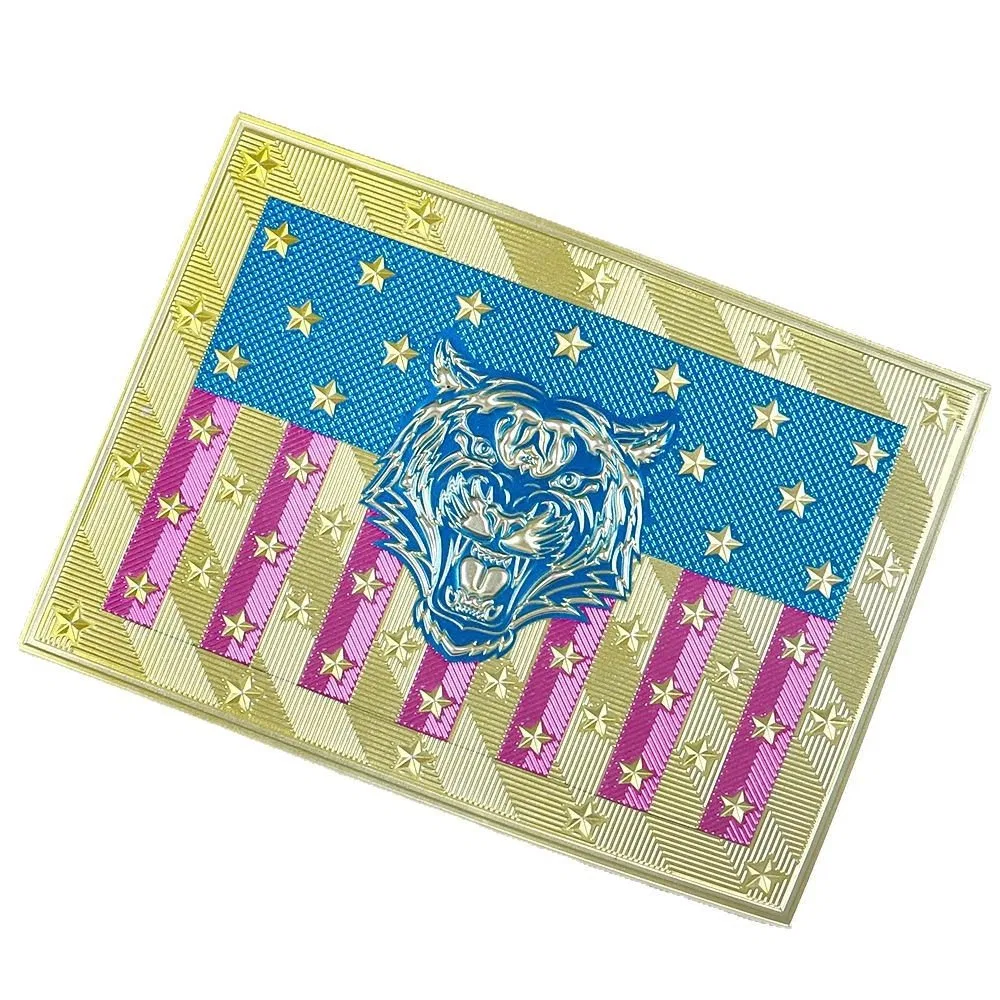

These facts do not establish a universal pigment library, Delta E limit, opacity, gloss level, or approved viewing light. Ask which values the supplier can control for the chosen custom heat transfer labels, then write those project-specific answers into the sample record.
A clean TPU logo request should distinguish artwork boundaries from manufacturing interpretation. Number every visible area, including the field, raised lettering, recessed fill, outline, small icon, and any exposed carrier or textile. Place the numbers outside the artwork with leader lines so labels do not cover fine detail. If two areas share a color, repeat the reference rather than asking the reviewer to infer the relationship.
Include editable vector artwork, a flattened visual, the numbered schedule, intended dimensions, and an image of the destination garment. A color table should list zone ID, source type, source value, finish request if any, and approval status.
The TPU relief-thickness guide can be referenced for profile questions, but the database does not provide a standard height for Products 44, 46, or 49.
Never use “same red everywhere” when different materials or surface angles are involved. The request can aim for coordinated appearance while preserving separate approvals for physically different zones.
Color does not appear in isolation. A dark garment can make a bright border feel sharper; a warm off-white can make a nominally neutral label appear cool; surface texture can scatter highlights differently from a smooth approval chip. Send the actual garment or a production-representative swatch whenever color adjacency matters. Mark placement and orientation because curved or folded positions can also change the way relief catches light.
Record garment supplier, exact style, color name, size used for review, and whether the sample represents production fabric.
Show measured position, nearby seams, print, embroidery, reflective zones, and any color that touches the label edge.
Evaluate the physical label on the garment, not on a white desk that will never surround the production component.
When several garment colors are ordered, state whether one label colorway serves all or each requires separate approval.
For reflective artwork, read the reflective label contrast guide and keep ordinary appearance separate from any performance requirement. The Product 45 title includes “reflective,” but a title alone does not establish a certification or measured reflectivity.
“Exact match” is not an acceptance method. Before sampling, ask the supplier what comparison method is appropriate for the selected material and process. The buyer can define a visual decision using an approved physical reference, agreed illumination, viewing distance, orientation, and a rule for borderline observations. If an instrument-based tolerance is required, both parties must identify the device, color space, geometry, sample preparation, and limit; none of those fields are stored in the cited product rows.
| Decision field | Record before sample | Avoid |
|---|---|---|
| Authority | Named chip, retained component, or approved sample code | Unversioned phone photo |
| Conditions | Agreed light, surround, distance, and orientation | Changing rooms between reviews |
| Scope | Zone numbers and garment colorways covered | Assuming one approval covers all builds |
| Disposition | Accept, revise, or reject with dated notes | “Looks close” without ownership |
A practical custom TPU patches program records achievable production control after supplier review. It does not borrow a numerical tolerance from an unrelated ink, textile, plastic, or previous order.
Assign the first submission a unique sample number. Compare it with the specified authority on the destination garment and photograph the setup as a locator, not as a substitute for the physical observation. Review every numbered zone, edge relationship, surface finish, and visible interaction with the garment. If one area changes, issue another revision and make clear whether untouched zones remain approved.
Verify identity: match project, product construction, artwork revision, dimensions, garment, and colorway. Stabilize comparison: use the agreed surroundings and allow all reviewers to examine the same specimen. Write observations: reference zone numbers instead of subjective locations. Close the loop: return one consolidated decision to avoid contradictory markups.
Do not discard the accepted piece when production begins. Store it protected from contamination and label it with the approval date, because “the last sample” is not a reliable specification.
Where application is also being evaluated, create a separate attachment trial record. A visually approved label has not automatically passed the receiving garment’s application or care requirements.
A color approval loses value if purchasing cites only the logo name. Build a compact ledger that follows the inquiry, sample, quotation, purchase order, and production proof. For every line, connect the item or custom project, artwork revision, material construction, finished size, zone schedule, garment color, approved sample, and quantity. Record MOQ as a catalog fact, not an automatic quote commitment: Products 44, 46, and 49 each show MOQ 100, while current commercial terms still require confirmation.
| Control | Example entry format | Owner |
|---|---|---|
| Construction | Product reference plus confirmed custom build | Supplier and buyer |
| Color zones | Z01–Z05 linked to sources and sample revision | Artwork owner |
| Garment | Supplier/style/color/placement/lot note | Brand or factory |
| Approval | Physical sample code/date/reviewer/disposition | Named approver |
Keep rejected samples and reasons in the history rather than deleting them. That trail prevents an old screen capture or discontinued garment reference from re-entering the next custom TPU labels order.
These answers preserve the boundary between a useful color-control workflow and unsupported claims about an exact process, tolerance, or material response.
No. A screen display is an input reference, not proof of the appearance of a molded or layered physical label. Approve a named sample viewed with the intended garment under agreed conditions.
The inspected product rows do not record Pantone, Lab, RGB, CMYK, tolerance, or viewing-light data. Send the desired reference and ask the supplier to state the practical matching route for the selected construction.
Yes. Supply a production-representative garment swatch or exact garment style and color because contrast, adjacency, texture, and translucency can change the visual judgment.
Number each artwork zone, attach one reference to every number, distinguish base and raised areas, and mark any intentionally shared color. Do not rely on an unnumbered palette beside the logo.
Retain the product or project code, artwork revision, zone schedule, supplied references, garment identity, dated physical sample, approved viewing note, quantity split, and approver.
A quote request is strongest when it includes editable artwork, numbered zones, reference hierarchy, destination garment, intended dimensions, expected quantity by colorway, and the required sample decision path. Ask Teebling to identify which facts can be confirmed for that exact construction before treating any target as production-ready.
Release the artwork source, flattened proof, zone table, physical references, garment identity, placement, construction reference, dimensions, quantity split, and sample milestone as one package. State what is mandatory and what may be adjusted after supplier review. The final purchase document should cite the accepted sample and any project-specific comparison rule.
This approach supports custom TPU label colors without suggesting that digital values, named materials, or earlier samples guarantee a new result. Each different construction, garment color, or revised artwork remains subject to explicit review.