


Product tile
Buyer SKU, catalog reference, intended use, construction and base quantity.
Translate a multi-product collection into visible quantity buckets. Product demand, decoration, color, branded packing and destination may create different production groups, so the quote must explain where each threshold begins.
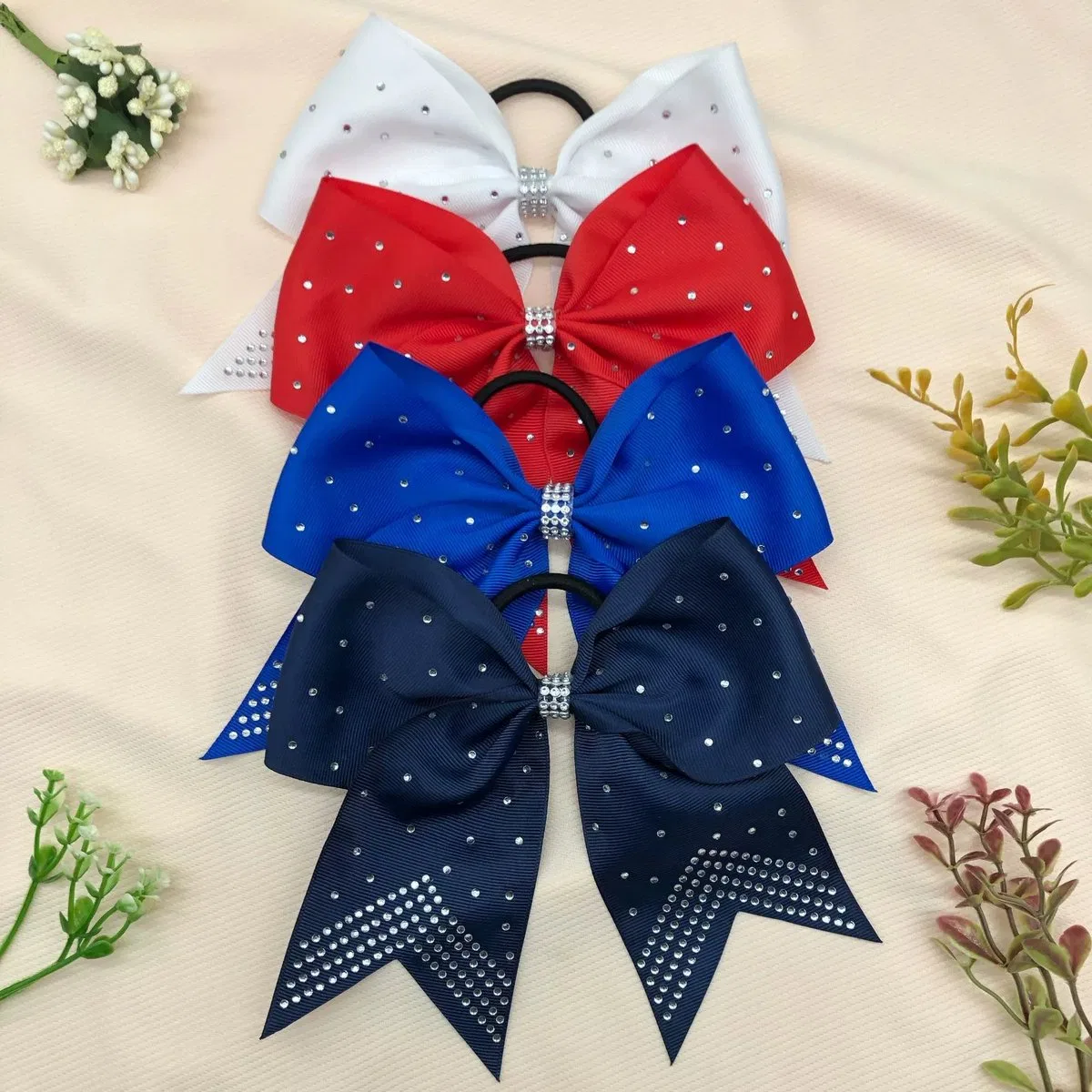
A private label accessories MOQ request should begin with a collection bill rather than one grand total. Give every accessory a stable buyer SKU and identify its base product, material direction, requested brand treatment, physical size, colorways, order quantity and destination. Mark whether the item is a stocked reference, a modification or a new development question. Hair accessories, keychains and canvas bags may involve different materials, operations and pack lines even when they share one logo. The supplier can then state which quantities may be combined and which must remain independent under the current quotation.
Buyer SKU, catalog reference, intended use, construction and base quantity.
Logo revision, visible placement, label or insert, and approval owner.
Color, dimensions, hardware, receiving product and pack configuration.
Factory, event, store, campaign, fulfillment node or reserve stock.
The private-label apparel accessories guide helps define broader program scope; this worksheet owns quantity allocation.
Product 37 is a rhinestone-and-ribbon hair clip at 7.4 by 6.2 inches with MOQ 100. Product 125 is a metal-alloy, rhinestone and tassel keychain at 2.8 by 2.2 inches with MOQ 50. Product 170 records canvas, approximate dimensions of 13 by 9.84 by 4.72 inches, a 5.91-inch handle drop and MOQ 50. These active rows are useful calculation anchors, but none states that its minimum can be shared with another product.
Keep the recorded accessory, requested logo and color allocation on one quote line.
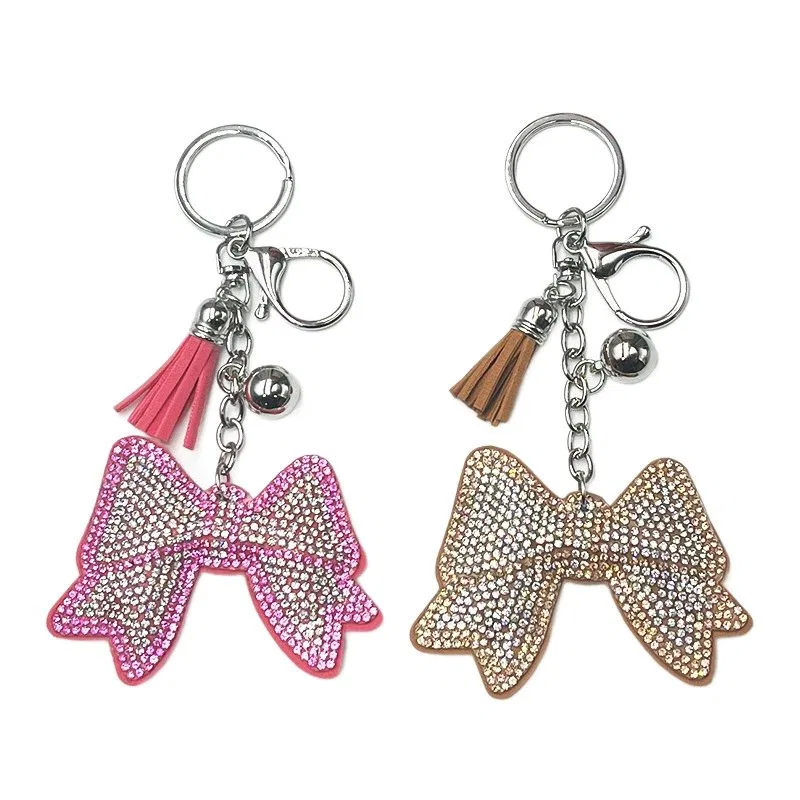
Hardware and tassel choices need their own confirmed allocation answer.
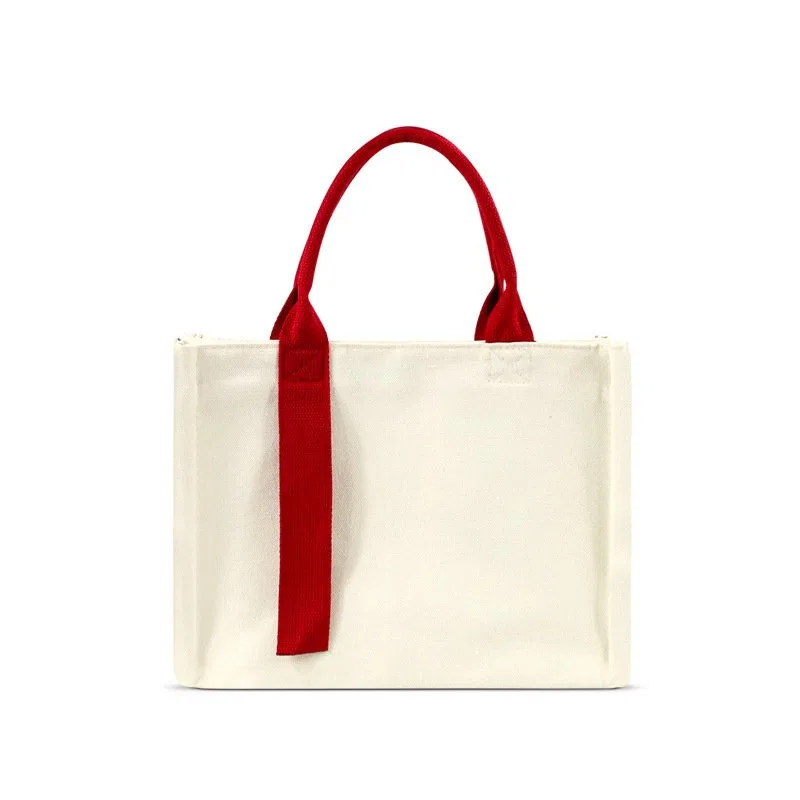
Bag color, decoration and pack work remain visible instead of hiding under a collection total.
Private label wholesalers may group variants differently according to material purchasing, tooling, decoration setup or packing. List every planned change and request an explicit yes, no or conditional allocation answer. A logo color shift might share a base product but require a separate decoration run; a new accessory color may depend on current component availability; a dimension change may become a new product rather than a variant. Do not advertise a shared threshold until the supplier confirms it for the named project. Preserve the answer beside the exact line, date and quote revision because later additions can change the calculation.
The bars illustrate questions, not numerical factory rules.
Commercial demand is only one reason to order units. Create separate rows for development samples, receiving-material trials, photography, showroom use, destructive checks, retained references and authorized replacement stock. Name the owner and destination of each group. Ask whether sample quantities sit outside production minimums and whether approved samples are credited or charged under the current terms; no universal policy is implied here. A collection for private label fashion accessories becomes easier to reconcile when every non-sale unit has a purpose rather than appearing as unexplained overage.
A custom card, pouch, insert, barcode label or printed carton can carry a different minimum from the accessory. List each component, artwork revision, dimensions, material request, quantity, waste or spare policy and destination. Ask whether the same pack can serve several products and how unused branded materials are handled. Distinguish a plain protective pack from retail-ready branding. When promotional product suppliers private label are considered, campaign copy and delivery splits can create additional pack versions even if the base merchandise is unchanged. Never assume packaging is included in the product MOQ or unit price without a written line.
Physical protection selected for the supplied accessory construction.
Approved identity, copy and artwork version.
Barcode zone, language, assortment and display orientation.
Inner count, carton map and destination mark.
Build demand by store, event, customer, decorator or fulfillment node, then roll it up to the product-variant line. Keep launch stock, replenishment stock and contingency separate so the team can change one assumption without rebuilding the workbook. Validate that assortment ratios produce whole units and complete packs. Lock source data and formula cells or record calculations in plain language. Use the MOQ planning guide for additional allocation discipline, while remembering that transfer-specific examples do not set rules for bags, keychains or hair accessories.
Prepare a base scenario and limited alternatives before negotiating. One version may reduce colorways, another may hold packaging plain for the first run, and a third may increase quantities to meet a supplier-confirmed production group. Show inventory exposure, brand impact, sample implications and destination effect beside the merchandise total. Do not label the lowest initial quantity as the lowest total cost without complete current terms. The hair bow guide and keychain assortment guide can refine product-specific questions for the relevant tiles.
All approved products and variants, branded packaging and destination splits remain in scope.
A limited launch preserves evidence for deferred variants without representing them as ordered.
When the quotation returns, do not check only the grand total. Match each line to product code, variant, logo revision, pack component, quantity basis, destination and included service. Record confirmed minimums, rounding, sample charges, tooling or setup when applicable, currency, price basis, timing assumptions and validity. Resolve lines that combine products your internal ledger keeps separate. The approved mosaic should balance buyer demand, non-sale allocations, packaging quantities and supplier-confirmed rules. Sign the reconciliation and store it with the quote so reorder planning begins from an auditable baseline.
Approved saleable demand + purpose-coded non-sale units + authorized reserve + confirmed line-level rounding must equal the purchase quantity and pack map.
These answers keep recorded minimums, requested allocation and commercial confirmation from becoming one unsupported rule.
Not automatically. Ask the supplier to state the minimum and allocation basis for each product, construction, logo version, colorway and packaging configuration in the current quote.
Product 37 records a 100-piece minimum for a rhinestone-and-ribbon hair clip. Products 125 and 170 each record a 50-piece minimum for a bow keychain and canvas tote respectively.
No. Give development, testing, photography, retention and replacement quantities their own purpose codes so purchasing can see which units are not intended for ordinary sale.
This page makes no such promise. Submit the requested color allocation and ask which changes create separate batches, material purchases, logo runs or pack setups.
It should connect every quoted line to product identity, variant, brand treatment, packaging, destination, buyer demand, non-sale units, confirmed minimum rule and approved rounding.