


Light ground
Review pale stones, gaps and printed edges.
Choose the shirt ground with the decorated garment in view. Crystal reflections, printed elements, visible spacing and design weight can read differently on light, mid-tone and dark blanks even when the artwork file is unchanged.
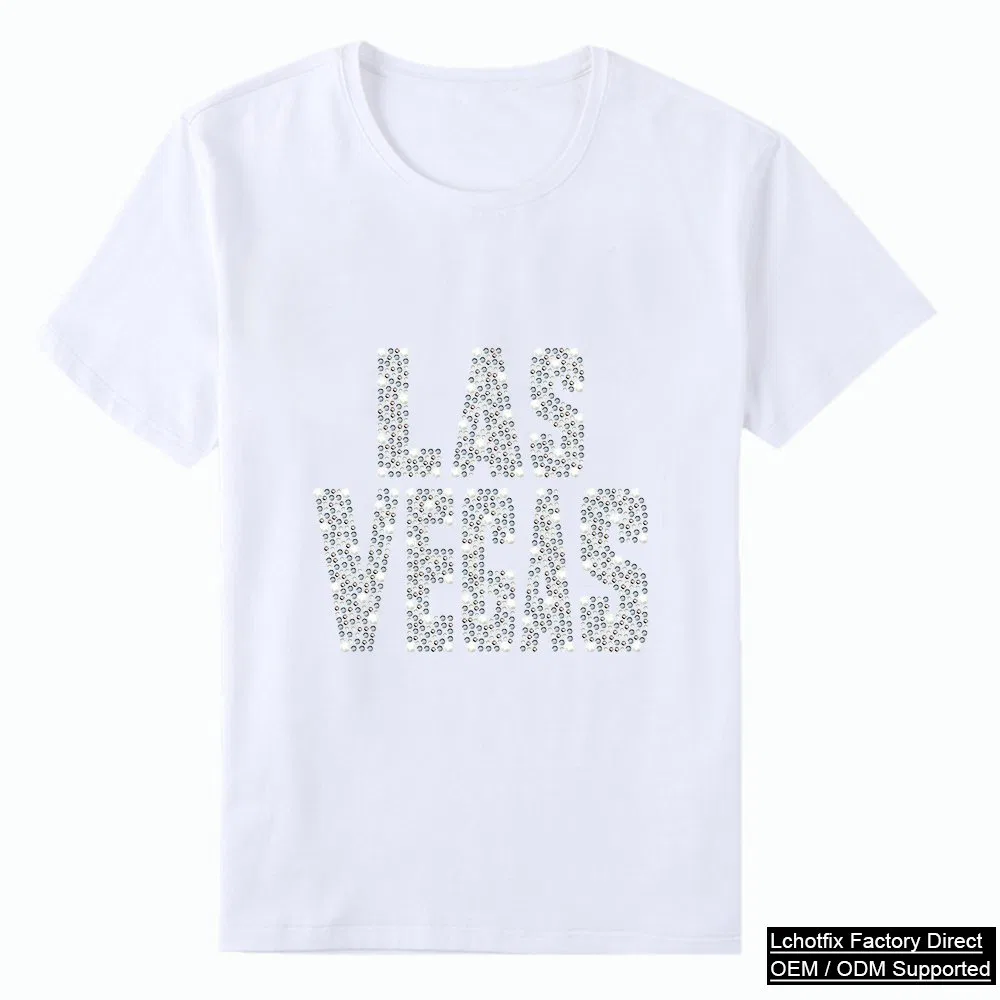
For custom T shirts with hotfix crystals colors, list garment SKU, fiber description, fit, size range, physical color reference, finish, intended venue and artwork revision together. A black blank can increase contrast around clear-looking stones while hiding dark printed outlines; a white blank can brighten gaps but reduce separation from pale elements. Mid-tone colors introduce another relationship that must be sampled rather than guessed from a mockup. State whether the same decoration should run across every shirt color or whether each ground gets its own adjusted art. Teebling should confirm available blanks and the exact decorated sample route. Garment dye names alone are not adequate acceptance evidence.
Review pale stones, gaps and printed edges.
Check competing hues and outline weight.
Inspect clear highlights and hidden dark detail.
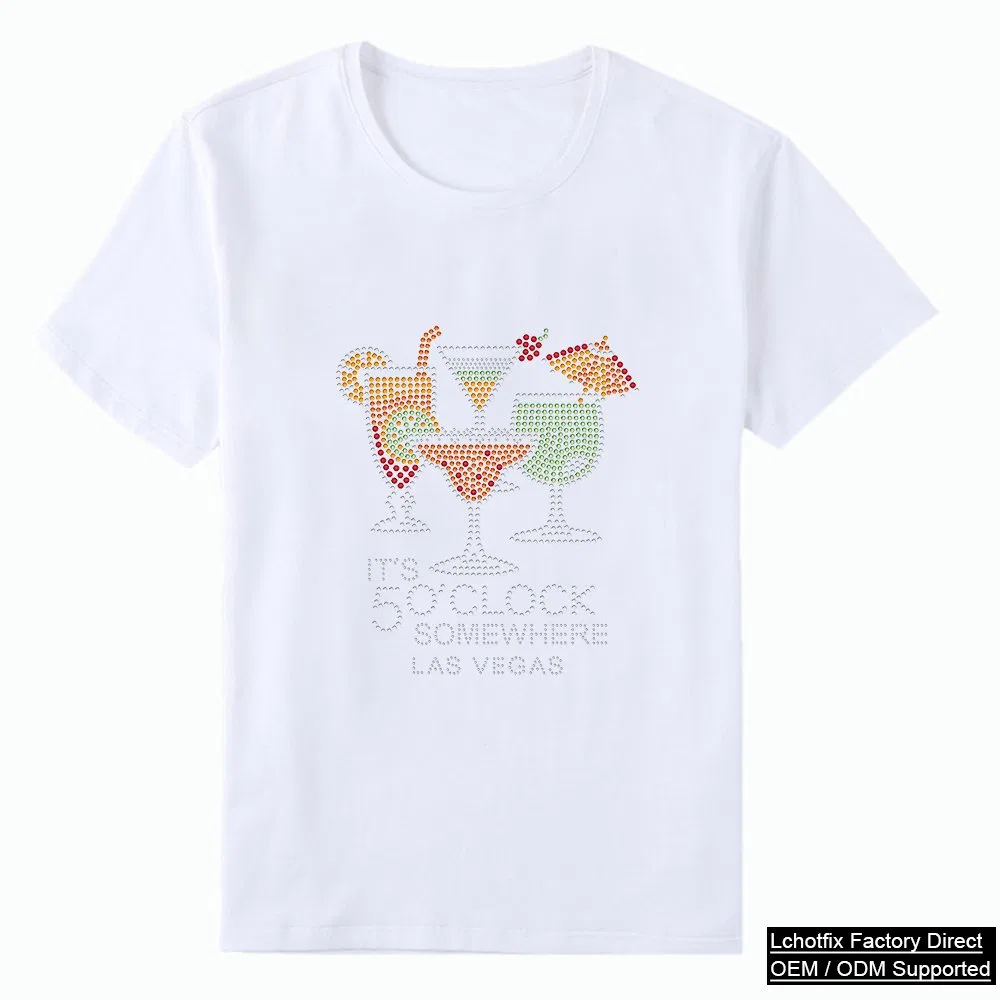
Product 173 records code EVA-LAS-013, 100% Cotton, Black and White, MOQ 50 and a 6.4 by 7.4 inch decoration field. Product 174 records EVA-LAS-024, 100% Cotton, Black and White, MOQ 50 and a 7.7 by 8.8 inch field. Product 179 stores EVA-LAS-080, 100% Cotton with Premium Clear Hotfix Rhinestones, Black and White, MOQ 50 and an 8.5 by 7.8 inch field. These rows do not establish other garment colors or universal visual results.
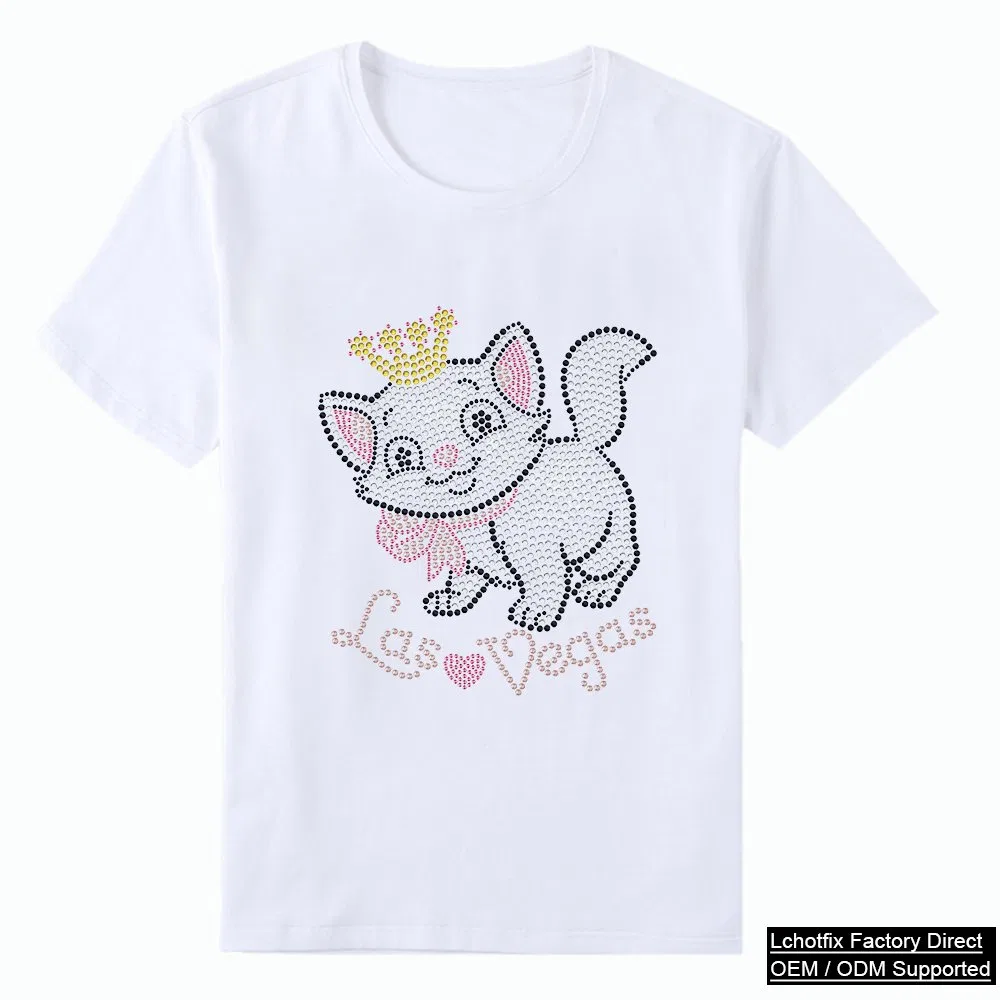
Review the complete garment in a neutral inspection area, the intended selling environment and a representative event or evening scene. Record lamp type or location, viewing distance and whether the shirt is flat, hanging or worn. The purpose is not to certify an optical performance level; it is to expose changes in contrast, reflection and legibility before color allocation is frozen. Photograph all scenes with the same sample and include an unedited reference where practical. Avoid approving from one dramatic image, because camera exposure can make clear stones appear brighter and dark garments deeper than the physical experience. Name the light condition beside every approval comment so later reviewers understand its context.
Check construction, spacing and true garment ground.
Evaluate shelf or fixture recognition.
Observe sparkle and readable motif boundaries.
Color approval belongs to a named blank, not an isolated swatch. Record supplier code, fiber wording, fit, size, garment finish and the physical lot sampled. Product 172 lists code ZQLW-T-001, 100% Cotton, MOQ 50, fourteen color options, male sizes S–5XL and female sizes S–4XL; its active general size field is blank. That broad blank record must not be silently substituted for Products 173, 174 or 179. Confirm the intended shirt and decoration combination. Evaluate seams, stretch, surface finish and heat sensitivity through an order-specific trial rather than assuming identical behavior across colors or sizes.
Exact blank and supplier.
Physical color reference.
Male, female or other agreed block.
Sample and production trace.
The question what color are rhinestones belongs to a component proposal and physical reference, while this page evaluates how that proposal reads on a shirt. Build a numbered decoration map identifying clear, colored, larger, smaller, printed and exposed textile regions. Then place the approved component sample on each proposed garment ground. A rhinestone color chart can organize names and options, but it cannot predict reflection under every light or replace the complete decorated sample. Use the rhinestone color selection guide for the palette decision, and return here to judge contrast, legibility and collection balance on the actual blank.
Component identity answers what is proposed; garment-scene approval answers how the complete shirt appears.
Where a design combines rhinestones with printed color or garment-negative space, label each production region on the artwork. Test whether print disappears into the blank, whether a crystal border overpowers illustration, and whether intentional empty areas read as shape rather than missing decoration. Product 174 offers a useful colorful-cocktail visual reference, but its image does not define another order's print method, ink, component mix or tolerances. Ask Teebling to describe the proposed construction for the exact design. Approve real-size artwork and a physical decorated garment from the front, side and wearing distance. Any change to blank color can require a fresh mixed-media review even if crystal placement remains fixed.
Printed or colored region.
Crystal region and key.
Visible garment ground.
Viewing-scene result.
Create rows for shirt color and columns for design version, then mark mockup, strike-off or component evidence, complete garment sample and final approval. At minimum, sample combinations where artwork contrast, garment finish or decoration method differs materially. Do not infer that a white-shirt approval covers black merely because both appear in the database options. Record decoration field location and dimensions, because scale and placement affect how color balance is perceived. Use the transfer sample approval checklist for evidence discipline and T-shirt placement guidance where the design acts as a badge. Production release should cite the exact matrix cell.
Signed complete sample.
Independent contrast decision.
Availability and trial required.
These answers keep garment identity, component color, lighting observation, black-and-white catalog options and complete-shirt approval in separate records.
No. Crystal appearance changes with garment ground, nearby colors, lighting, viewing angle and photography, so approve the complete decorated garment physically.
Their active color options list Black and White. Other garment grounds require a separate availability, sample and quotation confirmation.
Garment selection defines the textile ground and contrast context; a stone-color record separately identifies proposed decorative components and their approved physical references.
Approve each garment-color and decoration combination that matters to the range because contrast, visible gaps, print balance and perceived density can change.
Record shirt SKU, fiber description, color reference, fit and size, artwork revision, decoration field, lighting observations, physical sample and named approval date.
Provide owned artwork, numbered decoration map, blank code, fiber and fit, garment color references, size quantities, decoration dimensions, placement, lighting review plan, packing needs, destination and sample milestone. Ask Teebling to confirm current blank availability, proposed decoration construction, commercial assumptions and evidence required for every colorway. The OEM rhinestone T-shirt guide supports factory inquiry planning, while size allocation keeps units tied to color. Release a custom hotfix T shirt only against the approved blank-and-decoration combination, not a detached garment swatch or digital sparkle effect.
Owned art + blank + physical color + decoration key + three scenes + size matrix + signed garments + current quotation.