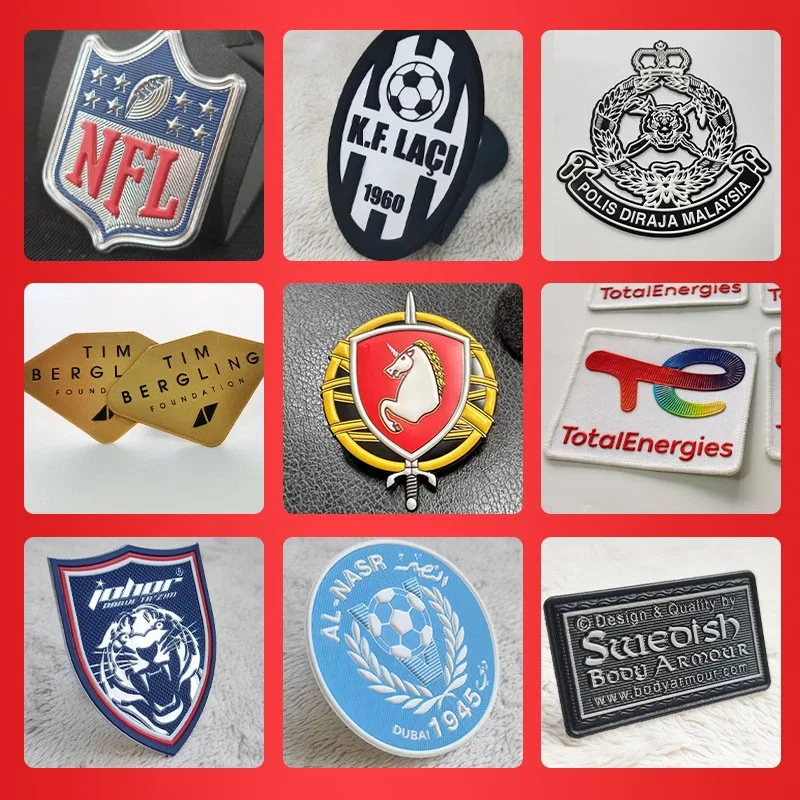
TPU-labelled request
Record formulation wording, companion layer, relief, color system, boundary and receiving garment.
A material acronym is one field in a specimen record. Compare the named formulation, visible face, companion layers, artwork, receiving garment and trial evidence before selecting a label.
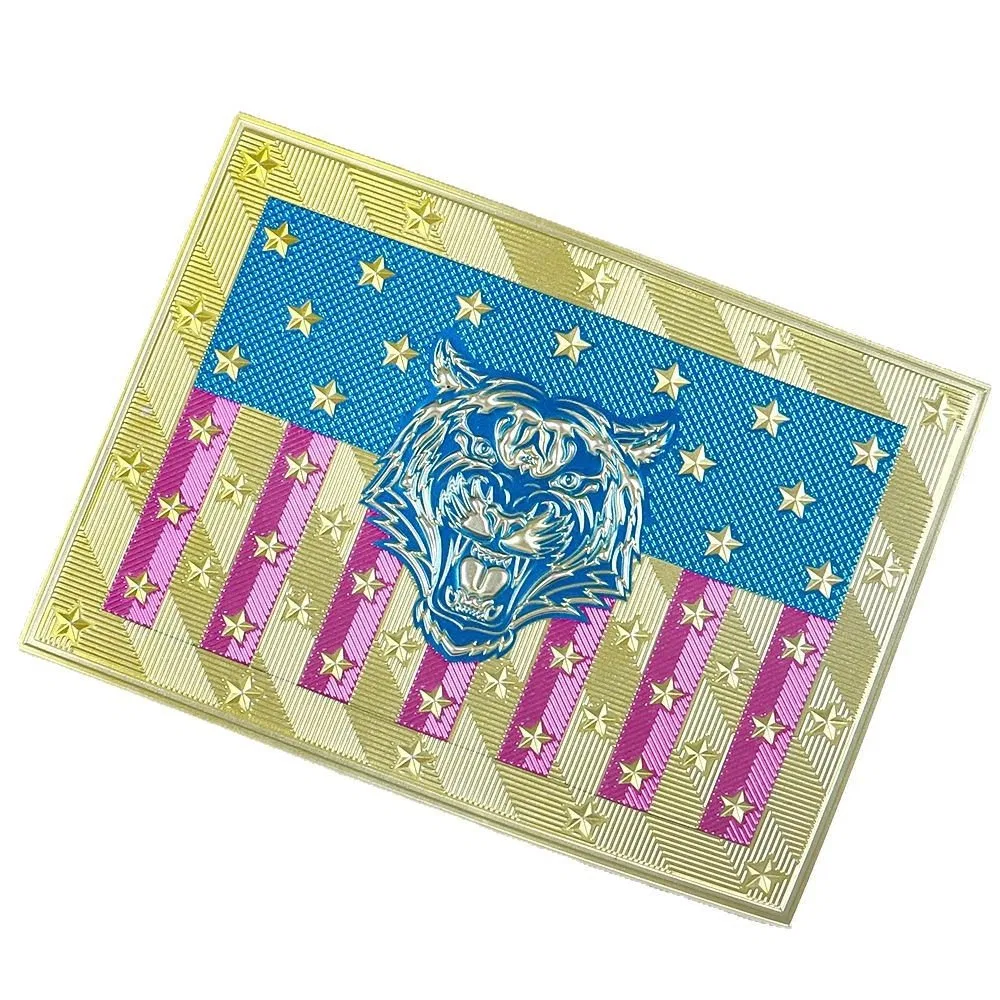
A search for TPU vs PU heat transfer label often begins with a desire to choose one polymer family. That choice cannot be made from initials alone. Ask the supplier to state the exact commercial construction, including companion materials, visible and hidden layers, surface treatment, carrier or liner, reverse and intended application. Preserve the wording in the quote instead of simplifying it during handoff. The supplier should also identify which sample embodies that statement. Without those controls, a buyer can compare two labels called TPU while overlooking a fabric base, silicone component or leather description that materially changes the sampled object.
Record formulation wording, companion layer, relief, color system, boundary and receiving garment.
Record whether PU describes film, face, layer or one part of a multi-material build.
Hold the comparison open until a sample code and written construction resolve the ambiguity.
Product 46 records “TPU and Fabric,” 5 × 8 cm, MOQ 100 and item code GZ-FC-005. Product 47 is named Custom PU Film Heat Transfer Labels but its material field says “TPU and PU”; it records 6 × 8 cm, MOQ 100 and item code GZ-FC-006. Product 49 records “TPU Leather,” 5 × 8 cm, MOQ 100 and item code GZ-FK-008. These are useful references for custom TPU labels and a PU film heat transfer label inquiry, but none is a pure laboratory control. Current prices, tolerances, application instructions and allocation belong in a new quote.
The database provides names, material wording, reference sizes, minimums and item codes for these products. It does not provide a comparable formulation breakdown, thickness, hardness, stretch value, wash protocol, chemical-resistance result, application setting or removal method. Do not fill those blanks with generic claims about TPU labels or PU. Convert every missing attribute that matters to the project into a quote question and, where appropriate, a defined sample test. This method avoids turning general material reputation into a claim about an untested supplier construction.
Map the logo into color regions, raised or recessed zones, fine lines, counters, gaps and edge clearances. State finished width and height and review a physical-size proof. Ask the supplier which details the proposed construction can reproduce and approve any simplification. Compare the samples under consistent lighting and on the chosen garment colors. Record surface appearance with photographs and controlled terms rather than promising gloss, softness or flexibility from a material name. If relief matters, request a labeled cross-section or measured sample; a rendered shadow is not dimensional evidence.
Identify the base color and whether garment color is intended to show through.
Label each elevation zone and request dimensions where the profile matters.
Mark the smallest line, gap and letter counter at finished physical size.
Define the visible boundary, corner treatment and safe area around artwork.
Provide vector artwork where available, a color key, finished dimensions, placement map, receiving garment, approved orientation and a revision identifier. Ask the supplier to return a construction-specific proof rather than silently adapting the source. The response should label face materials, companion layers, relief, visible edge, carrier and reverse. A request for HF TPU heat transfer label should also ask what “HF” means in that supplier's terminology; this page does not assign an expansion or performance claim to the letters. Keep proposed changes in an annotation layer so the buyer can accept them deliberately.
Preserve the authorized logo geometry, color references and revision ownership.
Require the TPU- and PU-described proposals to disclose their own construction.
Review physical-size output, sample face, edge and receiving-product placement.
Obtain current supplier instructions for each coded sample. Record garment style, fiber statement, color, equipment, operator, protective layers, actual process inputs and observation times. Inspect alignment, edge response, surrounding-fabric change and the visible face. If the program needs laundering, abrasion, stretch or another evaluation, define the buyer's protocol and acceptance rules first. A result supports only the tested combination. Use the TPU label application guide to structure the trial, and consult private-label accessory sample approval before releasing production.
Product or custom code, artwork revision, lot and supplier instruction revision.
Style, size, color, fiber statement, surface and exact placement.
Reviewer, date, photographs, observations and accepted scope.
Compare samples against the written merchandise brief: placement, visual role, scale, colors, required detail, garment, attachment access, testing plan and packing. Record why the chosen specimen meets that project-specific brief. The purchase line should retain the supplier's full material wording, sample code, finished dimensions, artwork revision, colorway, receiving garment, application instruction revision, quantity and pack identity. Ask how MOQ applies across artwork, size and color changes. For related sourcing, review custom TPU heat transfer labels, the PU versus PET film label guide, and the heat-transfer label artwork requirements.
The selected sample is approved for the named garment and recorded process; no conclusion is extended to a different TPU- or PU-described construction without its own evidence.
The following answers keep material wording, physical evidence and project-specific trials in the correct order.
No. Acronyms and product names do not establish a universal formula, thickness, stretch, hand, application setting or care result. Compare the supplier specification and coded physical samples for the actual project.
No. Its name says Custom PU Film Heat Transfer Labels, while the database material field says TPU and PU. This page preserves both facts and does not reinterpret the record as a single-material specimen.
Product 46 records TPU and fabric at 5 by 8 centimeters, MOQ 100. Product 49 records TPU leather at 5 by 8 centimeters, MOQ 100. Their different companion-material wording shows why TPU alone is not a complete specification.
Treat HF TPU heat transfer label as search vocabulary until the supplier defines HF and identifies the proposed construction. Submit artwork, dimensions, receiving garment, colors, quantity, placement and sample requirements, then request a written material and application statement.
Approve the exact sample code against a frozen artwork revision, measured size, color direction, receiving garment and documented application trial. Keep the quoted specification, trial evidence, packing identity and production release together.