


Audience
Traveler, camper or gift shopper.
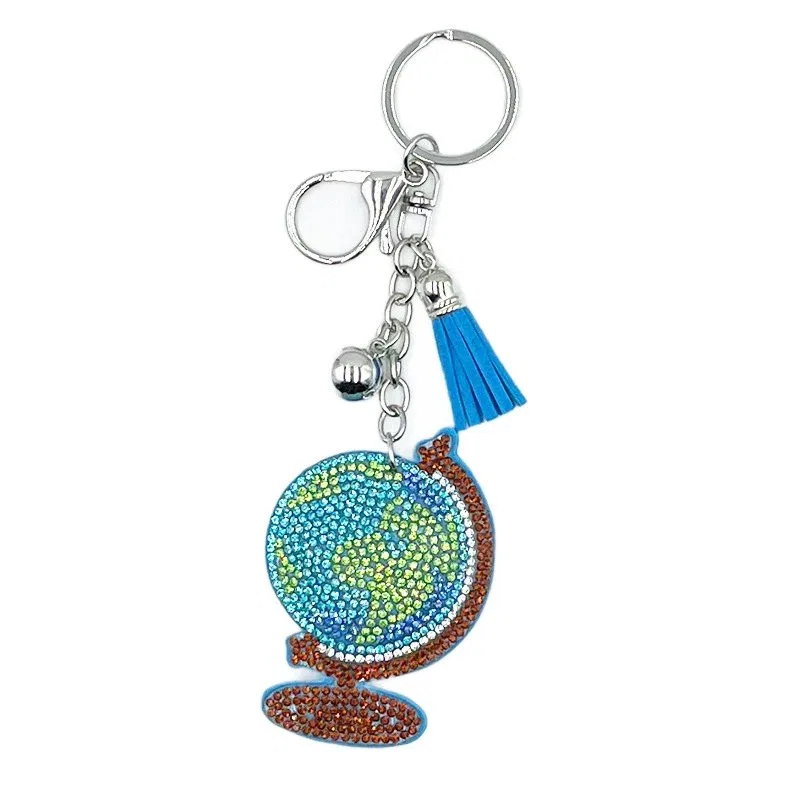
Plan a souvenir route that moves from world-scale travel to green-earth imagery and a campsite stop. Each charm retains its own catalog evidence, meaning, hardware, unit identity, destination allocation and sample approval.
Record the program's audience, destination, sales channel and story. A museum shop may lead with a world motif, an outdoor event may emphasize the tent, and a travel club may combine all three. Specify whether the item is a retail unit, participant gift, luggage accessory or promotional handout. Supply owned destination marks and permitted wording; do not copy tourism logos or protected campaign graphics without authorization. Establish quantity by store, event or recipient group and identify the buyer SKU for every motif. A clear globe keychain wholesale brief joins theme and logistics without treating one attractive catalog image as a complete private-label specification.
Traveler, camper or gift shopper.
Globe, earth or tent.
Retail, event or kit.
Buyer-coded allocation.
Receiving route.
Product 120 records HC-YWXK-026, Metal Alloy and Rhinestones, 2.8 by 1.5 inches and MOQ 50. Product 123 records HC-YWXK-029, Metal, Rhinestones, Tassel, 2.6 by 2.6 inches and MOQ 50. Product 127 records HC-YWXK-033, Metal Alloy and Rhinestones, 2.8 by 1.6 inches and MOQ 50. These entries do not establish mixed packing, custom destination copy, environmental claims, delivery timing, prices or performance certifications. Confirm the offered construction and current terms for the exact order.
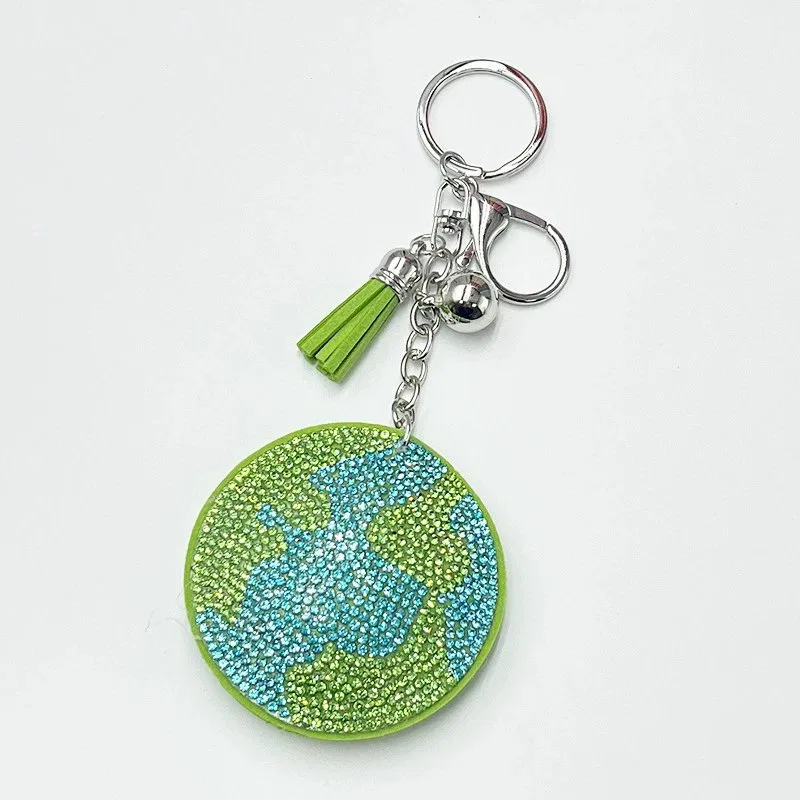
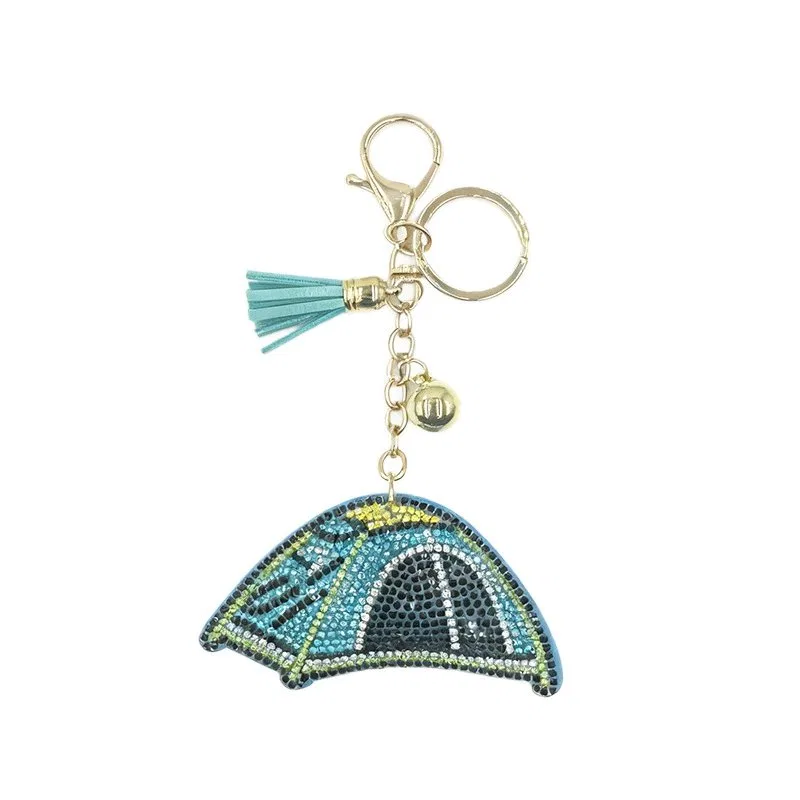
Give each motif a short, rights-cleared message and merchandising role. The globe can represent international travel; the earth can suggest geographic interest; the tent can mark camping or outdoor recreation. Do not convert earth imagery into claims about sustainability, recycled material or environmental performance. Those statements need specific evidence independent of artwork. If destination names are added to packaging rather than the charm, provide approved spelling, translations and trademark review. Test the copy beside the physical keychain so scale and hierarchy remain readable. Maintain one product description per buyer SKU and prevent staff from using the same generic paragraph for every souvenir, because receiving and reorders depend on precise identity.
What the motif depicts and why it fits the program.
What imagery does not prove about material or performance.
Submit a numbered palette for the requested artwork, separating rhinestone fields, metal tone, printed or textile regions and tassel where applicable. A globe may need clear land-water contrast, the green-earth motif may require a controlled green reference, and a tent benefits from separation between canopy and ground details. Review samples under agreed light and against the proposed retail card or bag. Screens and photography can shift color, so final acceptance should cite physical references. The database does not state color-matching tolerances or authorize substitutions. Write whether a unavailable component requires a new sample, can be replaced from a preapproved list or must pause the affected buyer SKU.
Region number + component description + physical reference + background simulation + substitution rule + sample revision.
Catalog size should not be treated as the full hanging envelope. Extend the complete sample naturally and measure width, height and maximum thickness, then photograph front, back and side with a scale. Product 123 records a tassel, while Products 120 and 127 do not list one in their material fields; confirm the exact offered hardware on every SKU. Check how the motif turns, whether the face remains recognizable and whether components tangle in the proposed retail or travel kit. Ask for current material and finish identification rather than assuming load, corrosion, weather or safety performance. Any hardware change should produce a revised sample because movement and packaging fit can change even when the motif stays visually identical.
Current form and finish.
Connector orientation.
Recorded face and scale.
Confirm where applicable.
Complete-unit measure.
Specify whether the keychain hangs on a peg, enters a gift box, lies in a counter tray or arrives in a participant packet. Provide fixture or kit dimensions, brand files, copy, barcode artwork, quantity per display and receiving sequence. Design around the physical sample with hardware extended. A compact card can hide a wide earth motif; a large card can make a narrow globe charm appear undersized. Ask Teebling to confirm feasible retention and protection for the selected items. No catalog record here states card stock, pouch material, recycled content or carton count. Use the private label keychain packaging studio to develop those details under their own proof.
Fixture, price zone, barcode and refill unit.
Recipient identity, insert order and protective separation.
Create a route table showing buyer SKU, motif, colorway, approved sample revision, requested quantity, unit pack, destination and delivery assumption requiring quotation. Although all three records list MOQ 50, that does not prove one combined 50-piece order, per-color flexibility or a fixed inner quantity. Obtain current commercial confirmation for the proposed split. Protect decorated faces and prevent hardware tangling through a supplier-confirmed pack method. Label each inner so receiving teams can identify it without opening every unit. The MOQ planning guide separates assortment allocation from recorded minimums, and sample approval keeps the physical unit tied to its code.
Buyer SKU + motif + color + unit count + pack revision + store or event + carton mark + receiving contact.
The following answers separate destination storytelling, environmental claim boundaries, catalog facts, assortment allocation and complete-unit approval.
Products 120, 123 and 127 record globe, green-earth and camping-tent rhinestone keychains with individual codes, materials, dimensions and minimums.
No. Earth imagery is a visual motif and does not establish recycled content, environmental benefit, certification or responsible sourcing without separate evidence.
Provide artwork you own or are authorized to reproduce, along with permitted uses and markets. The buyer remains responsible for trademark and destination-brand clearance.
Assign buyer SKUs and quantities to globe, earth and tent variants by store, event or campaign, then obtain current confirmation for the proposed mix and pack-out.
Review motif face, size, complete hardware, tassel where applicable, orientation, movement, physical colors, retail presentation and destination label under one revision.
Send product references, authorized artwork, destination copy, intended dimensions, numbered colors, hardware questions, quantity by buyer SKU, unit presentation, store or event allocation, carton split and requested sample milestone. Ask Teebling to identify current materials, feasibility, commercial assumptions and evidence needed for the exact travel program. Approve every complete physical keychain and the final manifest before release. The bling keychains wholesale category page offers broader sourcing context, while promotional product suppliers private label guidance covers campaign governance. Archived codes, color references and pack photographs help private label fashion accessories reorders preserve what was actually approved.
Rights + three codes + colors + hardware + pack + route allocation + signed complete-unit samples + current quote.