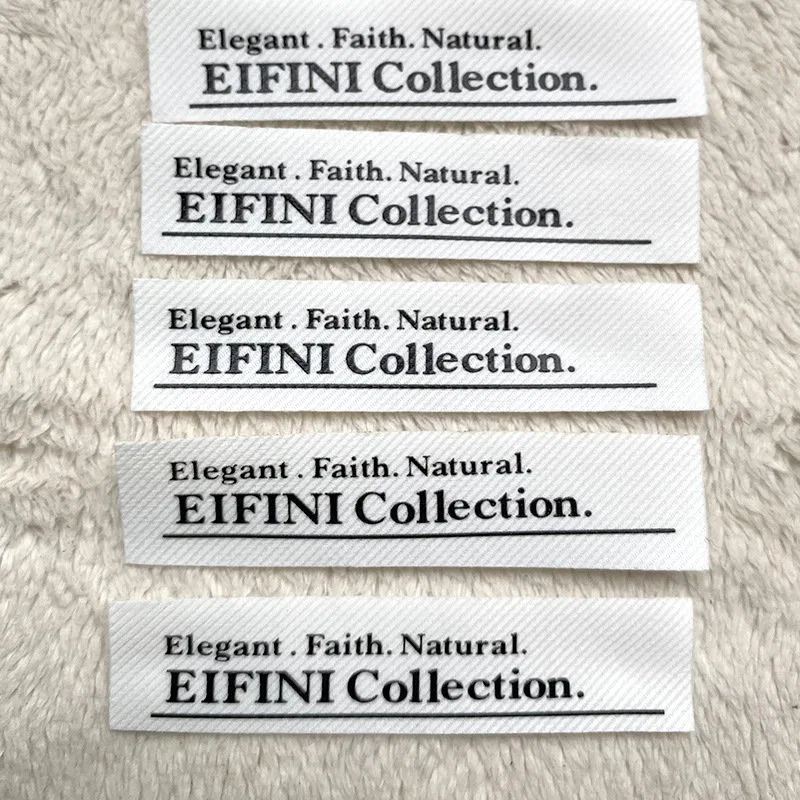
Interior neck
Record neckline distance, care-information relationship, garment size and wearer-facing orientation.
A label decision begins on the garment, not in an isolated swatch book. Compare the proposed textile piece and heat-applied construction at the same location, scale and reading distance before approving either route.
The phrase woven labels vs heat transfer labels is too broad until the buyer names a location. An interior neck mark may prioritize a low visual profile and clear size information, while a side-seam identity can require a fold, captured edge or other supplier-confirmed assembly. A hem accent may be read from farther away, and an exterior chest label must coexist with decoration, seams and movement. Map the usable box from stable garment landmarks. Include the full size range because the same nominal placement can approach a seam or curve on smaller garments. Ask whether the proposed construction is compatible with the selected zone and test the answer on the actual style.
Record neckline distance, care-information relationship, garment size and wearer-facing orientation.
Define insertion point, fold direction, exposed dimensions and sewing responsibility if proposed.
Measure clearance from stitching and explain whether the label sits inside or outside.
Approve color contrast, scale, reading direction and interaction with other graphics.
A requested woven label should be documented as a textile construction with supplier-confirmed yarns, weave, edge, fold and attachment. A heat-transfer label should be documented through its visible face, carrier or liner, boundary, reverse and application instructions. Neither description establishes durability, softness or suitability without a physical sample and defined trial. The current product database does not identify a woven specimen, so this guide does not advertise one as stocked. That absence matters: searches for custom woven labels and wholesale woven label must lead to a specification request, not a fabricated catalog fact. The comparison can proceed only after the quote supplies the missing woven evidence.
Yarn composition, weave description, face and reverse, edge finish, fold, finished size, color references, sewing path and packing orientation.
Catalog record, visible materials, finished size, carrier direction, supplier instructions, garment trial identity and packing protection.
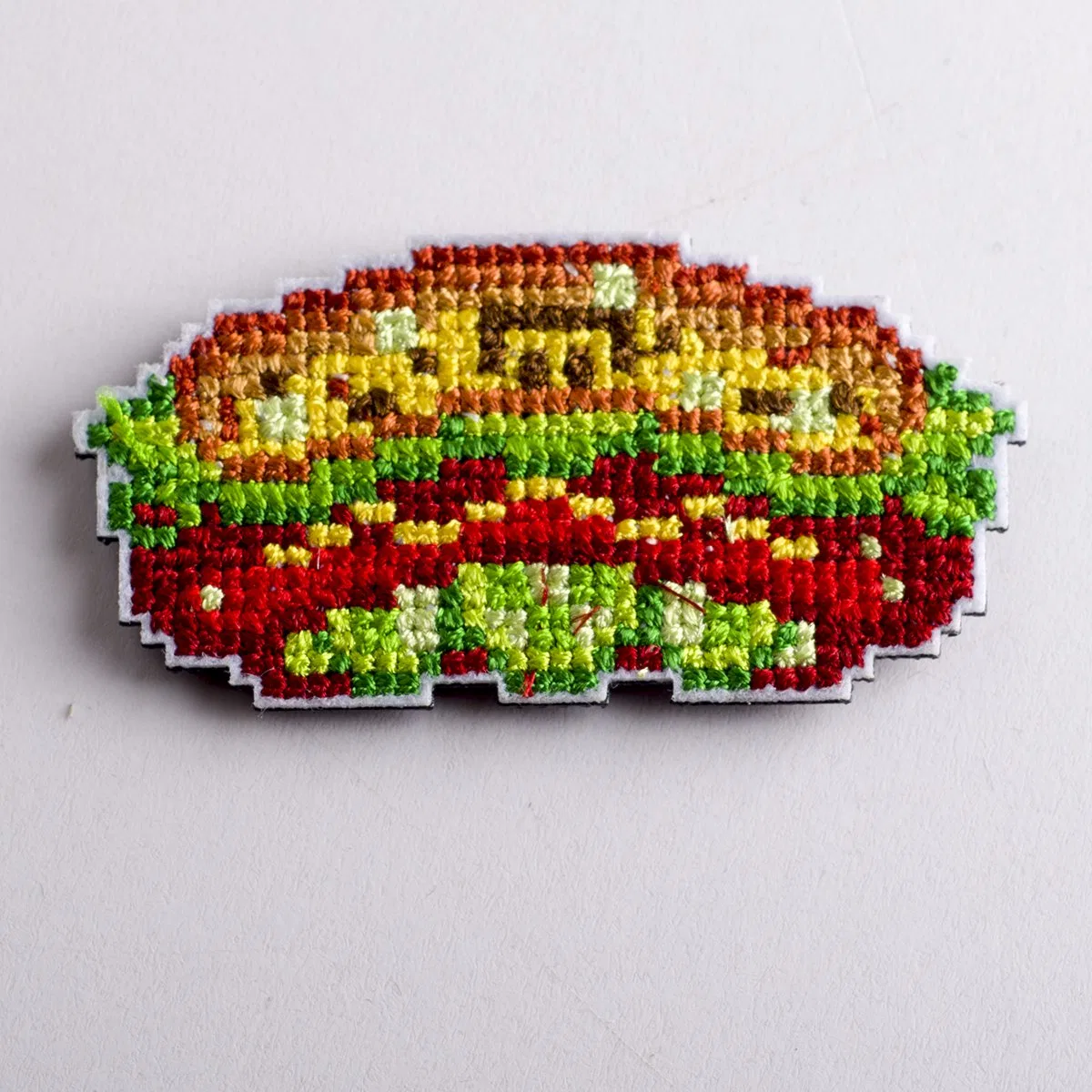
Product 44 records TPU and silicone, 5 × 3 cm, MOQ 100 and item code GZ-FC-003. Product 47 is named a PU film heat-transfer label and records TPU and PU, 6 × 8 cm, MOQ 100 and item code GZ-FC-006. For Product 12, the stored row pairs thread with a 5 × 6 cm reference size; its MOQ is 100 and the item code is TB-2FEE31D63C73. Product 12 is embroidered, not woven; its image provides a truthful textile-thread contrast and shows why those terms cannot be exchanged. The same care applies to garment labels wholesale: a category or search phrase does not replace the construction line in a quote.
Prepare artwork with a measured boundary and identify the smallest text, counter, gap, line and registration relationship. A supplier may recommend different simplification for a woven construction than for a heat-applied face, but the buyer should approve each proposed change rather than assuming equal detail. Print the outline at actual size and view it at the intended garment distance. Specify whether the ground color is created by the label construction or supplied by the garment showing through. Keep regulatory, fiber, origin or care content separate from decorative claims and obtain qualified guidance where required; this page does not certify label compliance in any destination market.
Ask the woven proposal to identify cut, sealed, woven, folded or otherwise finished edges using the supplier's exact terminology. Ask the transfer proposal to identify the visible boundary and any carrier area that does not remain on the garment. Place each specimen on the chosen zone and inspect from face, reverse and side. Do not describe either option as softer, flatter or more comfortable without a defined comparative sample. Record physical measurements where profile matters and note any seam or skin-contact concern. A label that works as an exterior brand mark may require a different review when moved to an interior location.
Photograph corners, folds, cut lines and the relationship to garment stitching.
Use named reviewers and one evaluation method instead of unsupported adjectives.
Record a measurement or controlled side view when thickness affects the decision.
A sewn label proposal needs a stated seam, stitch path, thread direction and responsibility for application. A transfer proposal needs the current instructions for the exact sample, including every process variable the supplier specifies. Record equipment, garment, operator, actual inputs and observations without publishing the values as a universal recipe. Examine face alignment, surrounding fabric, edge response and the buyer's chosen care checkpoints. The custom heat transfer labels for clothing guide expands transfer sourcing, while the custom woven labels guide can hold the woven quotation once construction evidence is supplied.
Label orientation, fold, seam path, stitch appearance, garment distortion and reverse-side consequence.
Sample code, instruction revision, garment identity, actual process record and post-application observations.
The accepted record should include artwork revision, physical dimensions, colors, placement map, garment style, construction statement, edge or fold, attachment, sample photographs, trial record, quantity by size or colorway, packing unit and destination. State which information came from the database, which came from the current supplier quote and which came from buyer testing. Use the label artwork requirements guide to release files, custom clothing labels wholesale to organize quantities, and the private-label accessory factory audit when the label belongs to a wider trims program.
Artwork, size, color, readability, edge and placement are approved against a coded specimen.
Materials, assembly, reverse, application and receiving garment are identified.
MOQ allocation, quantity, sample cost, packing and destinations are confirmed in writing.
Superseded proofs remain distinguishable from the version authorized for production.
These answers distinguish a sourcing request from verified product evidence and keep each construction tied to its own approval record.
The database evidence used for this page does not identify a product as woven. It contains heat-transfer label records and a separate thread-embroidered badge record. A woven sample, yarn specification, edge, fold and attachment must therefore be confirmed in a current quotation rather than inferred from a category name.
Compare them on the same garment style and intended placement. Interior neck, side seam, hem and exterior branding zones impose different limits for edge, hand, curvature, readability and application access.
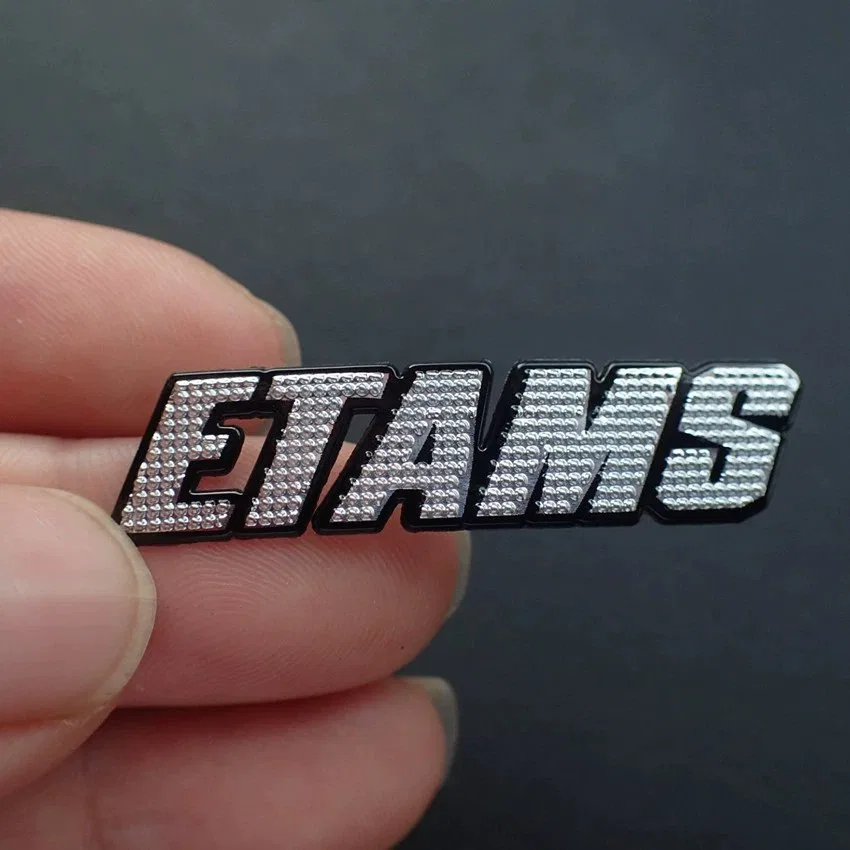
Product 44 records TPU and silicone at 5 by 3 centimeters with MOQ 100. Product 47 is named a PU film heat-transfer label and records TPU and PU at 6 by 8 centimeters with MOQ 100. Neither record supplies universal application settings.
Product 12 is clearly recorded as a thread embroidered garment badge, not a woven label. It is shown as a truthful textile construction contrast and a reminder that embroidery and weaving are different specifications.
State placement, garment, finished dimensions, artwork, colors, quantities, label orientation, desired edge or fold, attachment route, sample plan and packing identity. Ask the supplier to label each proposed construction and disclose which details remain unconfirmed.