Optical effect
Record color, sheen, reflectivity or sparkle under the viewing conditions relevant to the product.
Explore practical sourcing routes for rhinestone decoration, embroidered and laser-cut patches, flexible logo labels, raised brand marks and finished wholesale products. Teebling reviews each B2B request against its artwork, material, receiving substrate, attachment method, quantity structure and approval evidence before defining the applicable production direction.
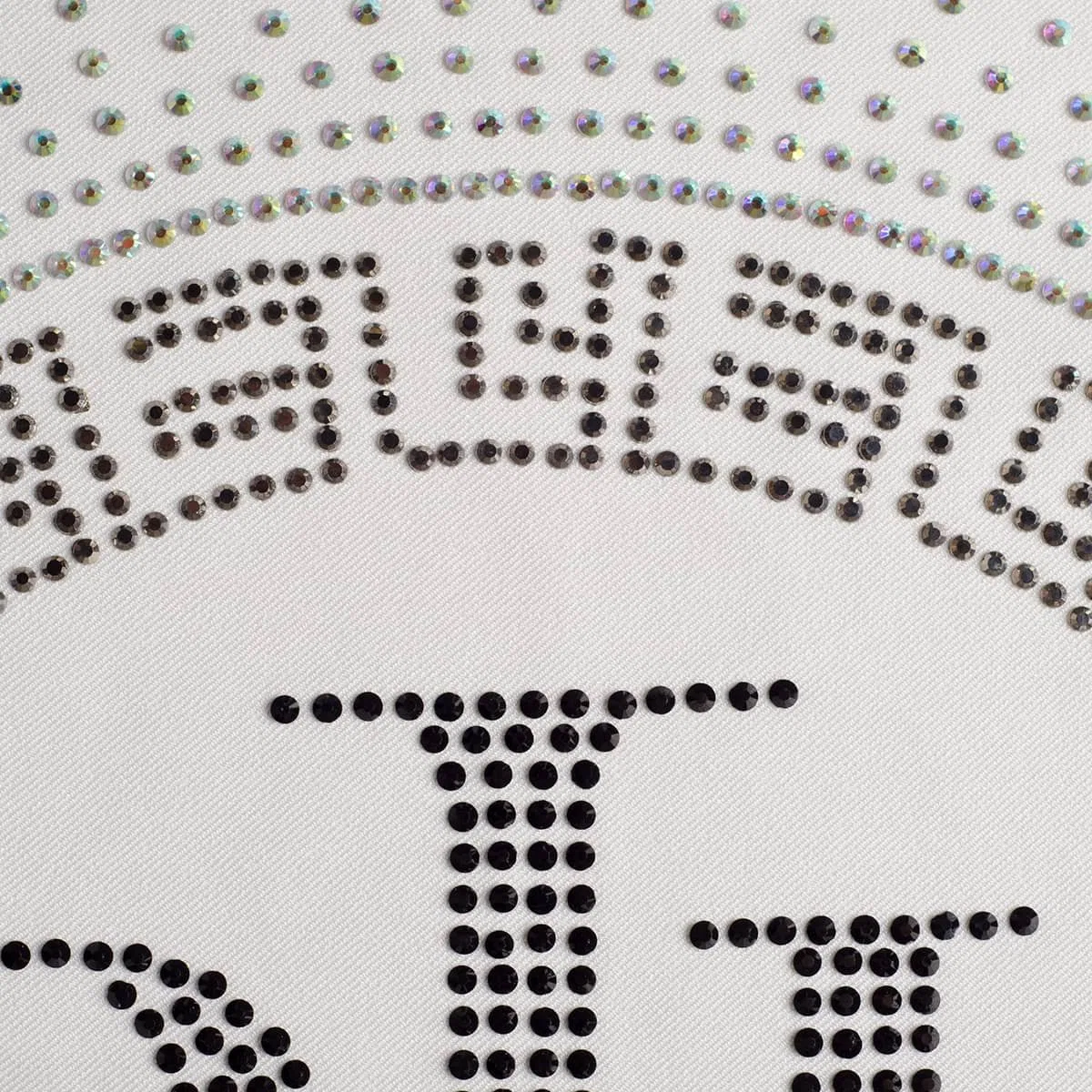
A capability request should describe the desired face before naming an uncertain process. Is the mark sparkling, stitched, molded, reflective, printed, layered or deliberately flat? Add its physical size, viewing distance, smallest text and required edge character. Those observations help separate several constructions that may look similar in a small online picture.
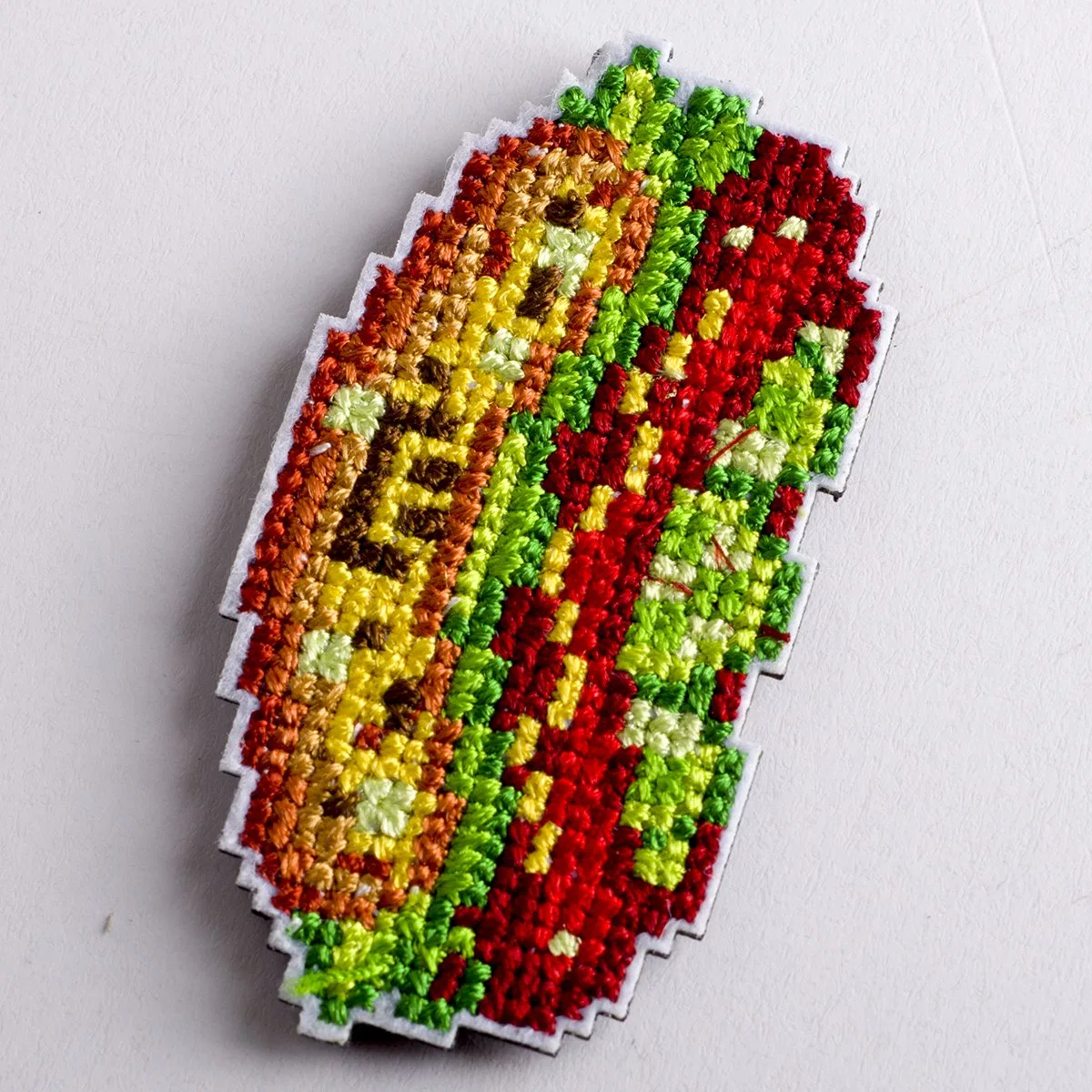
Record color, sheen, reflectivity or sparkle under the viewing conditions relevant to the product.
Define whether the brand mark should feel smooth, stitched, flexible, raised or layered.
Show whether the perimeter is cut, embroidered, molded, transparent, outlined or intentionally irregular.
Mark critical letters, counters, points and narrow gaps that cannot disappear when the design is built.
Rhinestone transfer, embroidered patch, flexible dimensional label and completed garment are different supply models. The correct route depends on who performs application, where the item will be used and which surface can accept the intended attachment. Teebling can compare the stated brief with relevant product references without pretending one technology is universal.
If the material name is uncertain, submit photographs and describe the behavior you need. The final specification must still identify the construction accepted for the order.
Map stone sizes, colors, spacing, carrier direction, finished dimensions and the target garment zone. Application evidence should use the real receiving material.
Open the rhinestone buyer checklistBalance stitch coverage, fabric base, border path, fine text, reverse treatment and a buyer-selected attachment method.
Compare badge backing routesDefine relief levels, recessed areas, color zones, edge shape, hand and compatibility questions for the intended substrate.
Prepare a TPU quote dossierCombine the base item specification with placement, application responsibility, size-color allocation and finished packing requirements.
Build the apparel responsibility boardA patch or transfer cannot be evaluated in isolation from the product receiving it. Identify the garment or accessory material, surface finish, stretch direction, seams, curvature, coatings and accessible application area. Supply a physical receiving sample when compatibility cannot be established from a general fabric name.
Use the matrix as a discussion framework, not as a universal application guarantee. Actual construction, equipment and buyer-defined performance expectations belong in a documented trial for the proposed combination.

Editable vector art is useful, but a complete file also states finished dimensions, orientation, color ownership and which details have priority. Separate decorative texture from legally significant text or marks. If a narrow line, tiny counter or sharp point is essential, flag it for feasibility review at physical scale rather than discovering the conflict after sampling.
Give overall width and height plus any placement boundary imposed by the receiving item.
Identify raised levels, stitch fields, stone zones, transparent areas or separate components.
Distinguish fixed brand colors from decorative choices and name the approval reference.
Use a visible file identifier so quotation, sample and release point to the same drawing.
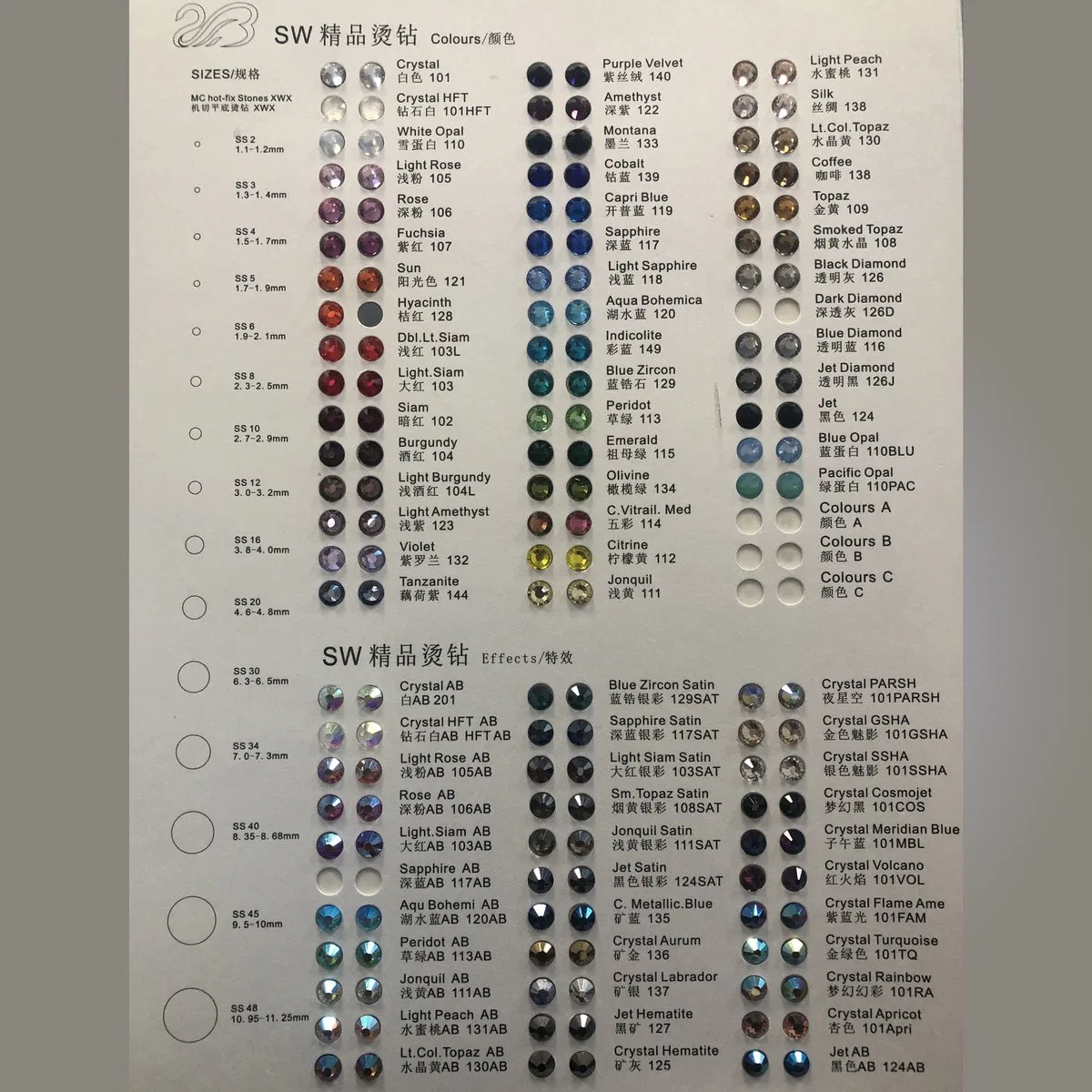
Do not enlarge a low-resolution preview and call it production art. Send the best authorized source, identify any missing font or effect, and allow the supplier review to state what must be redrawn. Artwork preparation should preserve brand intent while making construction limits explicit.
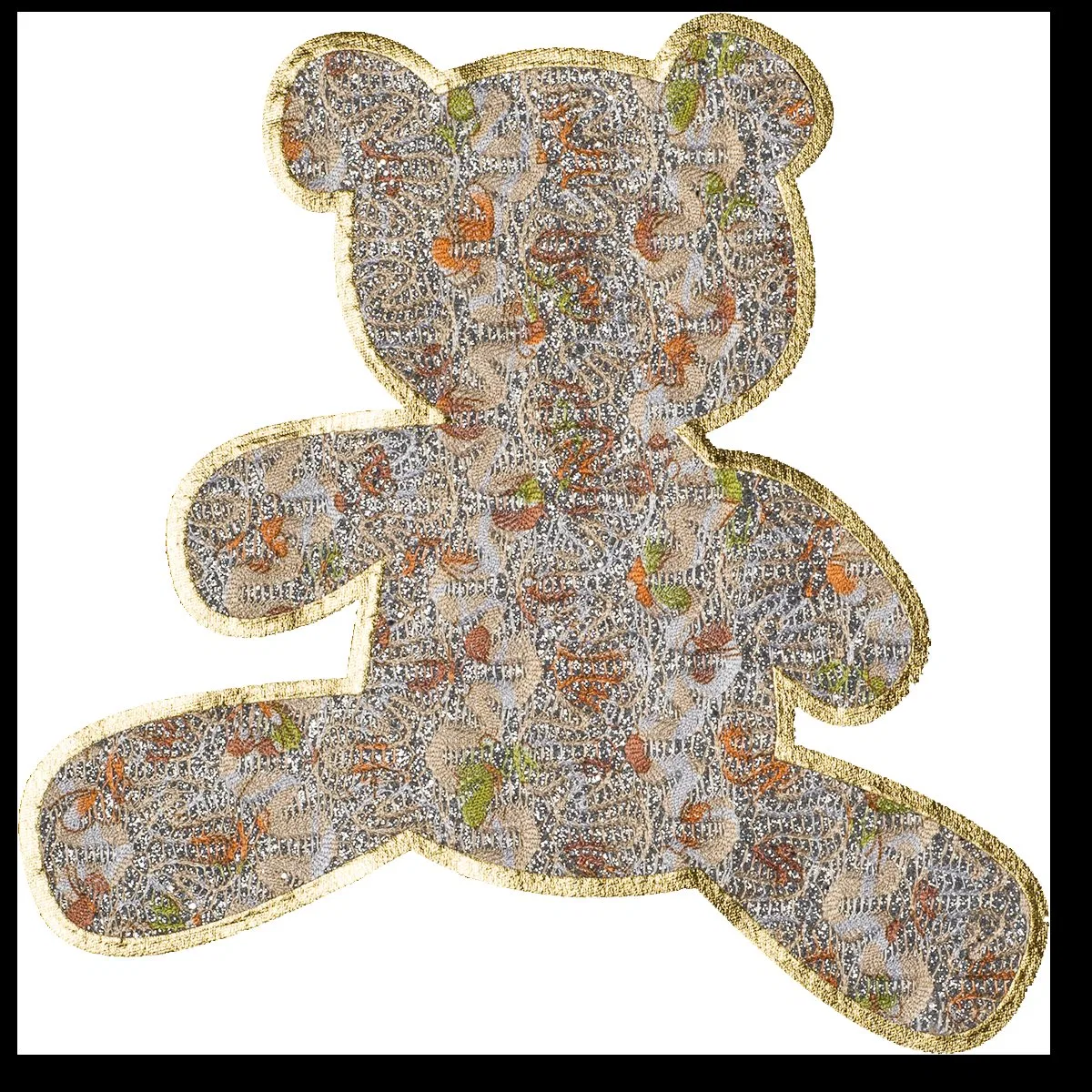
Private-label work extends beyond placing a logo on an object. The inquiry may involve unit identity, color and size assortment, inserts, barcode data, presentation packs or destination-specific carton information. Describe each requested element as its own deliverable and provide the buyer-controlled data needed to produce it.
Availability, price and approval treatment are determined for the stated program; a capability heading does not promise every packaging format.
Product code, dimensions, construction, artwork revision and accepted sample reference form the center record.
SKU, variation name, size, color and buyer-supplied barcode data must reconcile with quantities.
State grouping, visible labels, protective needs and any insert artwork requiring approval.
Allocate units by consignee code and define requested carton marks against the final line list.
Preserve the accepted product and pack revisions so a future inquiry can identify what should repeat.
Quality language becomes useful when it points to observable criteria and a named reference. Build the review around the released drawing, approved physical evidence and line quantities. Avoid unsupported claims about certifications, universal durability or zero variation; ask for documentation that is applicable to the order and record what the buyer actually evaluates.
Verify design, product code, orientation, size and variation against the frozen release.
Review agreed color zones, legibility, surface character, placement and approved corrections.
Observe face, edge, reverse and application relationship according to the selected product route.
Reconcile units, variants, grouped packs and carton allocations with the purchase record.
Include a plain-language description of the desired result, authorized artwork, finished dimensions, color direction, receiving item, attachment expectation and quantity by variation. Add product photographs or a physical reference when terminology is uncertain. Name the target destination and the person responsible for approvals.
The Teebling wholesale team will review the request, identify missing technical or commercial information, and discuss the construction routes relevant to the evidence supplied. Sampling, pricing and other conditions must be stated for the actual program; they are not inferred from this overview.