Describe the garment before decoration
List style direction, material, requested colorways, labeled sizing and any buyer-supplied sample that anchors the discussion.
This Teebling catalog gateway organizes bulk sourcing by the object a buyer intends to purchase: a decoration ready for application, a completed garment, a branded component, or a retail accessory. Use the route map to separate wholesale rhinestone transfers, custom patches, decorated apparel, TPU labels, crystal headwear and private-label merchandise before preparing an RFQ.
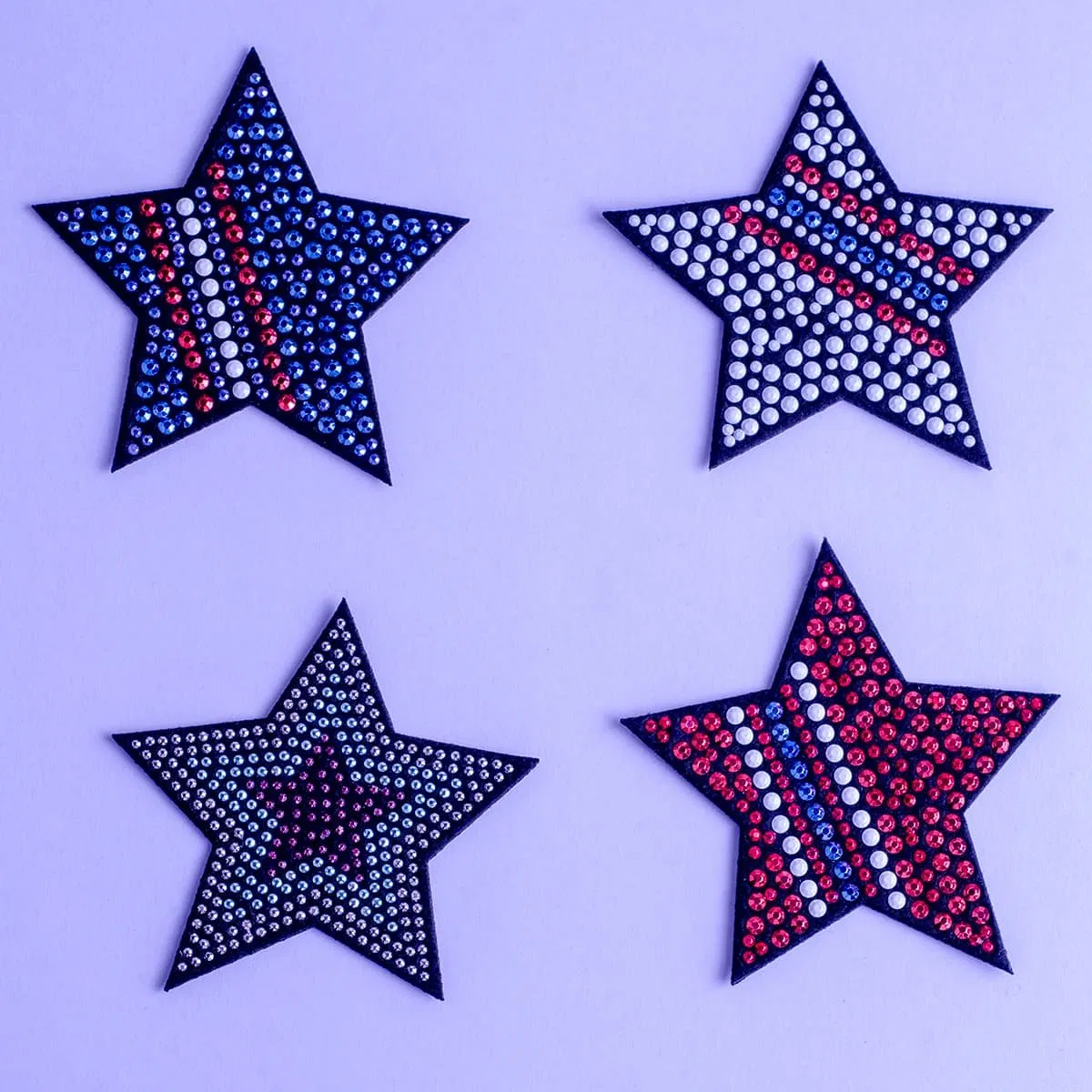
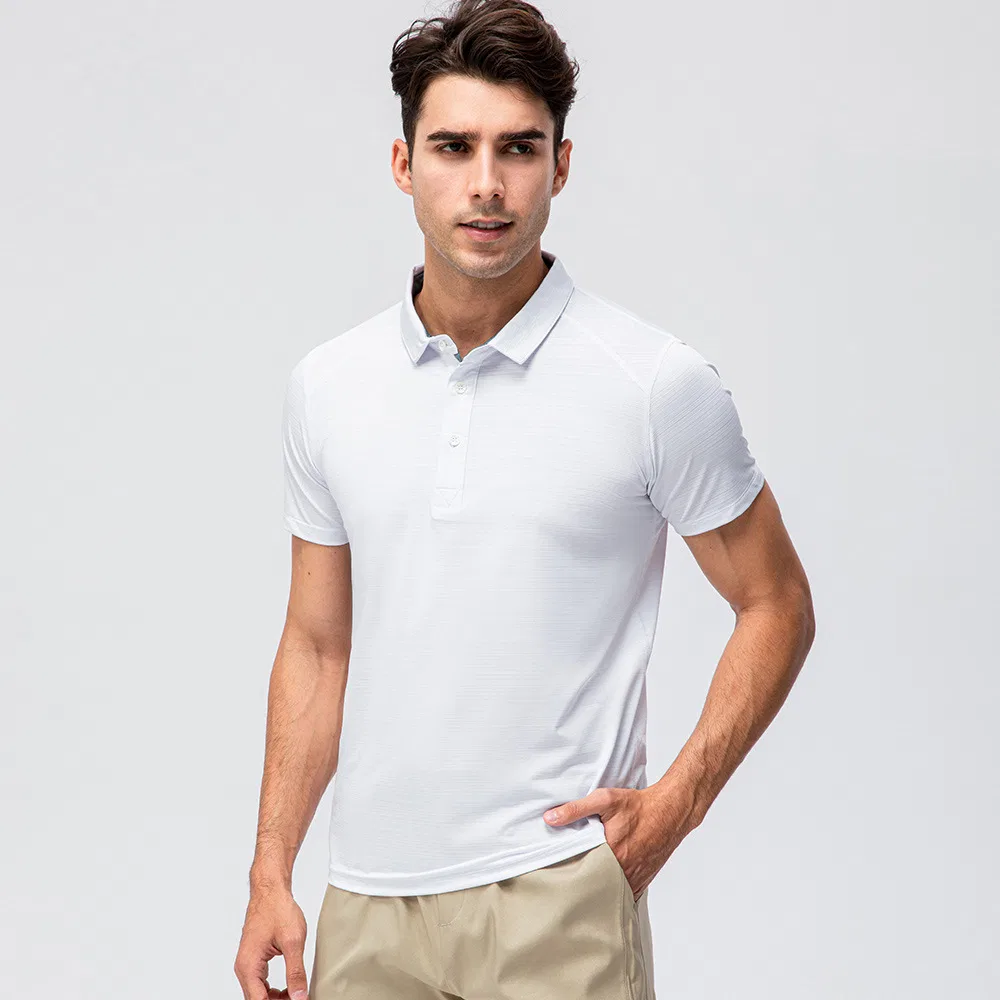
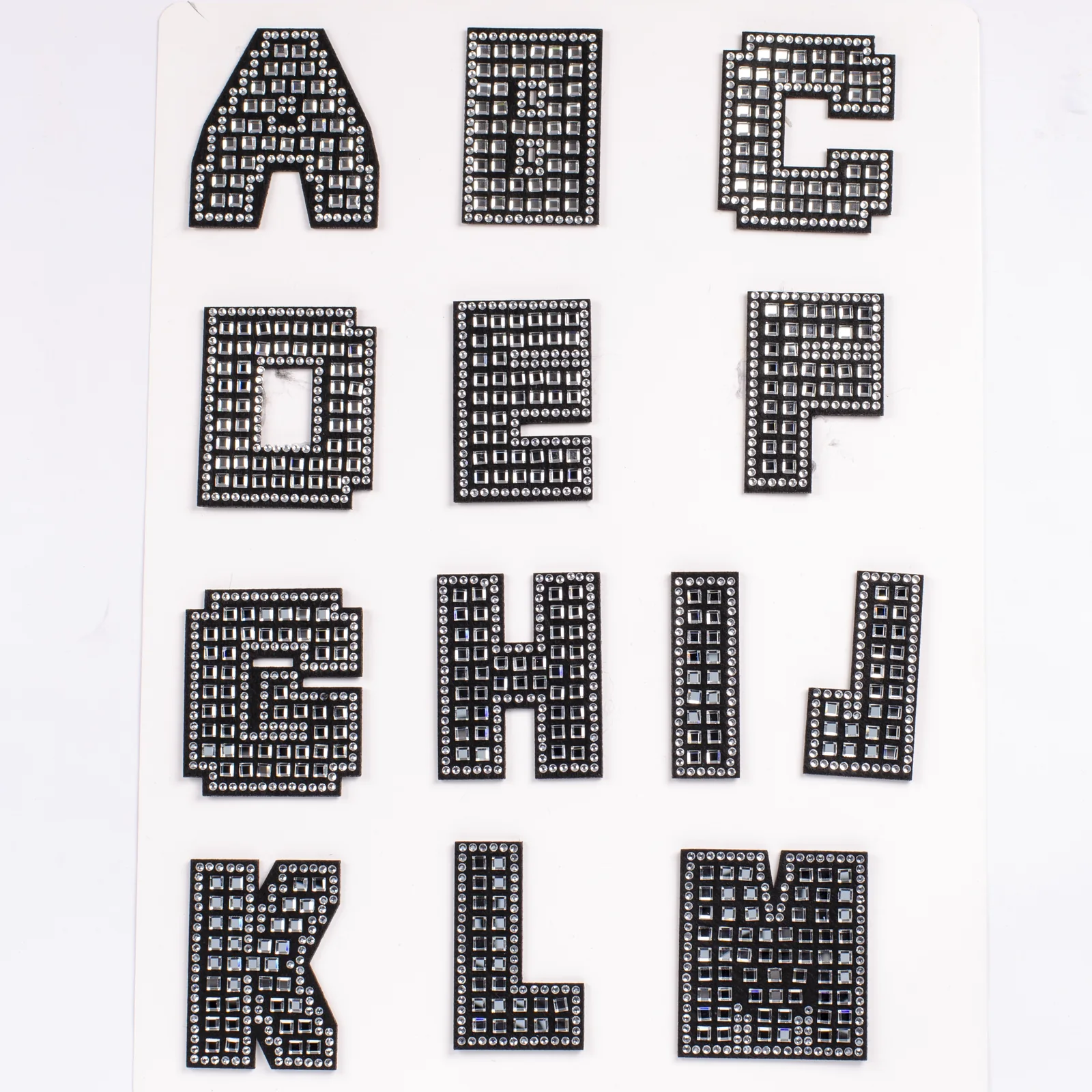
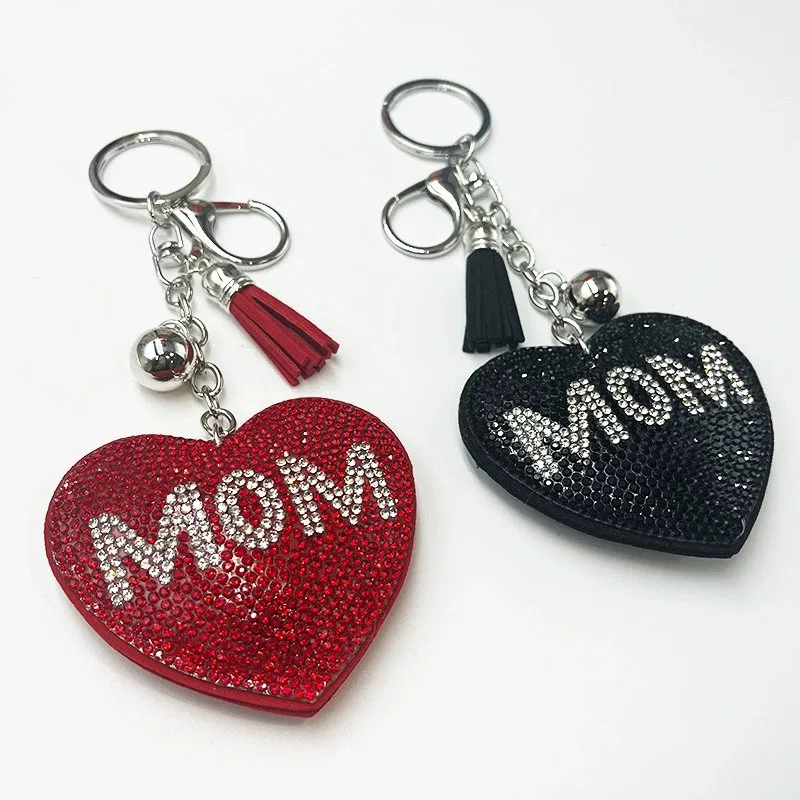
A reference image may show a shirt, stones, a patch and packaging at the same time, yet those elements do not always belong to one supplier scope. Select the lane that describes the deliverable you expect to receive, then record any secondary services as dependencies instead of merging them into an ambiguous product name.
Choose this lane when your team or decorator will attach the supplied transfer, patch or label to another item.
02Completed decorated garmentEnter here when shirts, polos, hoodies or hats must arrive with approved embellishment already applied.
03Branding and identity componentUse this direction for alphabet sets, raised logos, garment labels and repeatable marks tied to a product line.
04Standalone merchandise itemFollow this branch for keychains, bag charms and other sellable accessories with their own hardware and packing.
This channel suits wholesalers, print shops, apparel decorators and merchandise operators who already control the receiving garment. The commercial unit is the unapplied component, so artwork dimensions, stone or stitch construction, carrier or backing, quantity per design and unit identification belong in the request.
Do not treat an image of a finished T-shirt as proof that the shirt is included. State whether Teebling is quoting only the transfer, an embroidered badge, a crystal applique or another prepared decoration. Name the exact fabric used for buyer trials because application suitability depends on the component, substrate and process considered together.
For a completed apparel program, garment selection is not a background detail. Fabric composition, weight, fit, color, size allocation and construction features affect both the buying plan and the decoration review. The RFQ should identify who supplies the blanks, who applies the decoration and what finished packing is expected.
List style direction, material, requested colorways, labeled sizing and any buyer-supplied sample that anchors the discussion.
Measure from stable garment landmarks and account for collars, seams, plackets, pockets and curved headwear panels.
Provide units by size, color and artwork rather than one blended total that hides the actual manufacturing mix.
Buyers comparing complete shirt programs can continue to the B2B T-shirt decoration supplier brief or review visual constructions in the wholesale product gallery.
Brand components serve a different purpose from one-off fashion graphics. They may repeat across garments, bags, footwear or accessories, which makes naming, scale, relief, edge behavior, color ownership and revision control especially important. A catalog route for TPU, silicone-style, rubber, woven or crystal identity products should begin with the exact role the mark performs.
Specify the component as a product with its own drawing, not as a vague effect attached to a logo file.
A physical sample discussion should distinguish appearance from construction. If the objective is a raised mark, describe which planes stand above the base, where colors meet and what attachment is being evaluated. If the objective is an alphabet range, define character coverage, base color, crystal treatment, per-letter quantities and how each symbol will be identified.
A wholesale accessory combines the decorative face with findings, connectors, tassels, tags and protective packing. Routing it as only a rhinestone motif omits the features that determine how the item hangs, displays, scans and reaches the shopper.
Use the keychain hardware selection guide for findings terminology, then consult private-label keychain packaging when the retail pack is part of scope.
The same artwork can travel through several supply chains. This comparison keeps the quoted object visible so a buyer can ask useful questions without assuming that every pictured element, attachment service or package is automatically included.
| Catalog route | Expected deliverable | Approval focus | Order breakdown |
|---|---|---|---|
| Decoration system | Unapplied transfer, patch or label | Face construction plus trial on the named substrate | Artwork, dimensions, colors and units per design |
| Finished apparel | Garment with decoration applied | Blank specification, placement and finished appearance | Size, color, artwork and packed SKU |
| Identity component | Repeatable brand or character piece | Drawing revision, relief, edge and attachment direction | Component version and quantity by variation |
| Retail accessory | Assembled, sellable merchandise | Motif, hardware, hanging behavior and presentation | Complete item combination and destination split |
After choosing a lane, the wholesale buying path explains how to move that definition through inquiry, sample review, order release and reorder records.
A useful request gives the wholesale team enough context to identify open decisions without pretending those decisions are already settled. Assemble source material in a small controlled packet, label unknowns plainly and keep superseded files out of the active review folder.
Write one plain-language statement explaining exactly what should arrive from the supplier.
Provide the current vector or high-resolution source and identify visible text, colors and final dimensions.
List designs, garment sizes, component colors, letters, hardware combinations or other sellable differences.
Identify the garment, material, placement, application responsibility and any sample available for review.
Name who evaluates artwork, sample evidence, packing information and later revision changes.
Include ship-to location, requested in-hand context, unit packing and carton split information when known.
These answers help purchasing teams distinguish product discovery from a confirmed manufacturing specification. Detailed construction and commercial terms belong in the resulting supplier discussion.
Yes. Mark it as a finished-apparel inquiry, identify the blank requirements and state that application is part of the requested scope. Also separate garment quantities from any spare unapplied decorations.
Use the identity-component lane when ordering the mark alone. Move to the completed-product lane only when Teebling is being asked to supply the receiving item and attach the mark.
Choose the deliverable first. Then add unit presentation, retail data and carton needs as a connected workstream, because different product forms require different holding and display methods.
Annotate which visual features matter, identify any uncertain construction and ask for feasibility review. A photograph can guide the conversation, but the approved specification must eventually name each supplied component.