Wholesale Product Gallery for Custom Apparel and Accessories
Explore visual references across wholesale rhinestone transfers, crystal caps, dimensional TPU branding, silicone-style logo patches and rhinestone accessories. This gallery is designed for product discovery: it helps buyers name visible features, compare category directions and collect focused questions before construction, attachment and order details are confirmed.
Viewing rule: a product photograph is a conversation reference, not a substitute for a measured drawing, substrate test or approved sample record.
Rhinestone motif assortment3D TPU logoCrystal headwearRetail accessoryRaised silicone letter patch
01 / Visual index
Browse five wholesale product directions at a glance
The pictures below represent distinct buying conversations rather than interchangeable decoration names. Open the linked guide when a surface, silhouette or product role resembles your intended program, then describe the differences that matter to your brand.
Read rhinestone density, contrast and placement as separate decisions
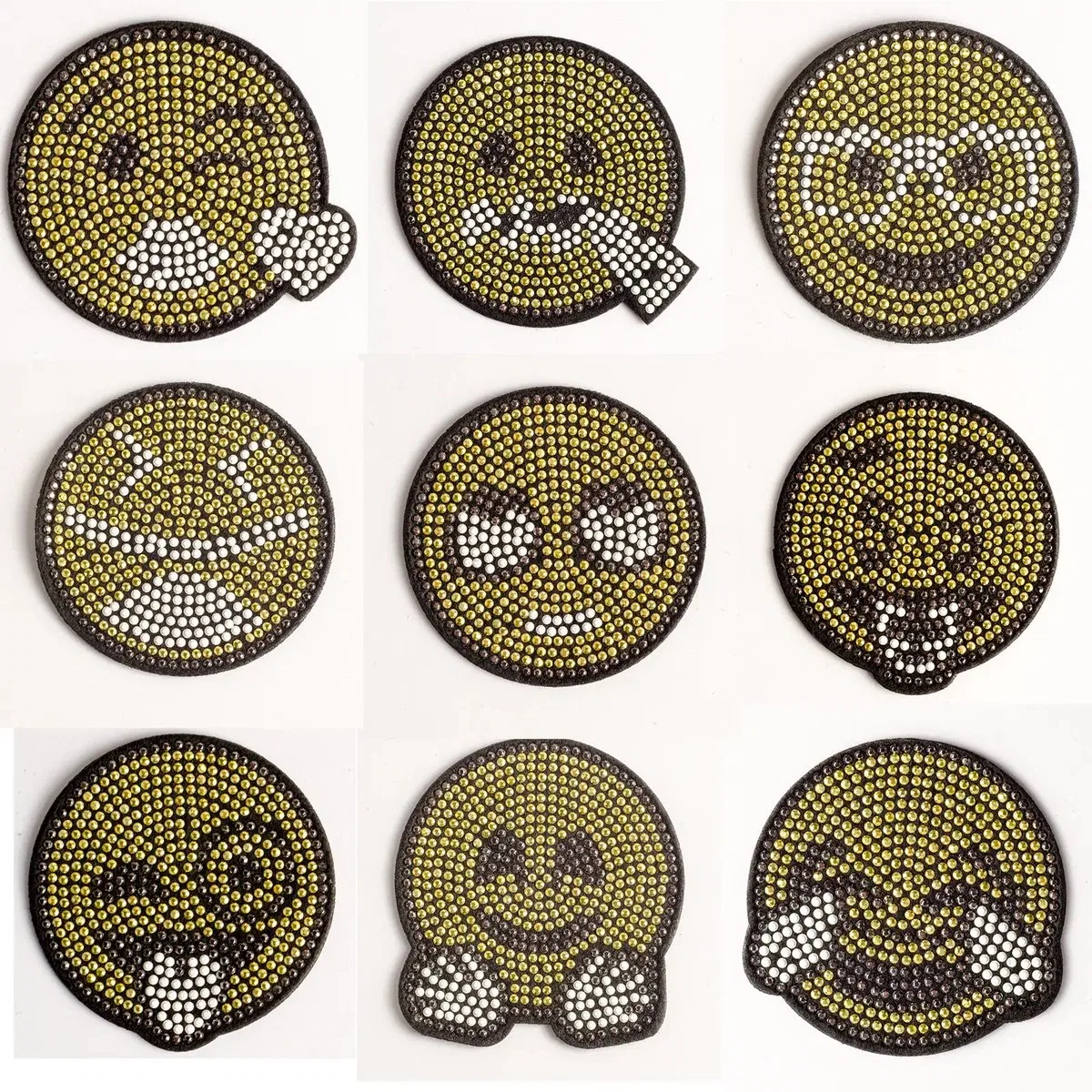
Crystal decoration can appear as a loose line, a filled motif, a tonal field or a high-contrast graphic. When reviewing a wholesale rhinestone image, note where individual stones remain visually separate and where the arrangement reads as one shape from normal viewing distance.
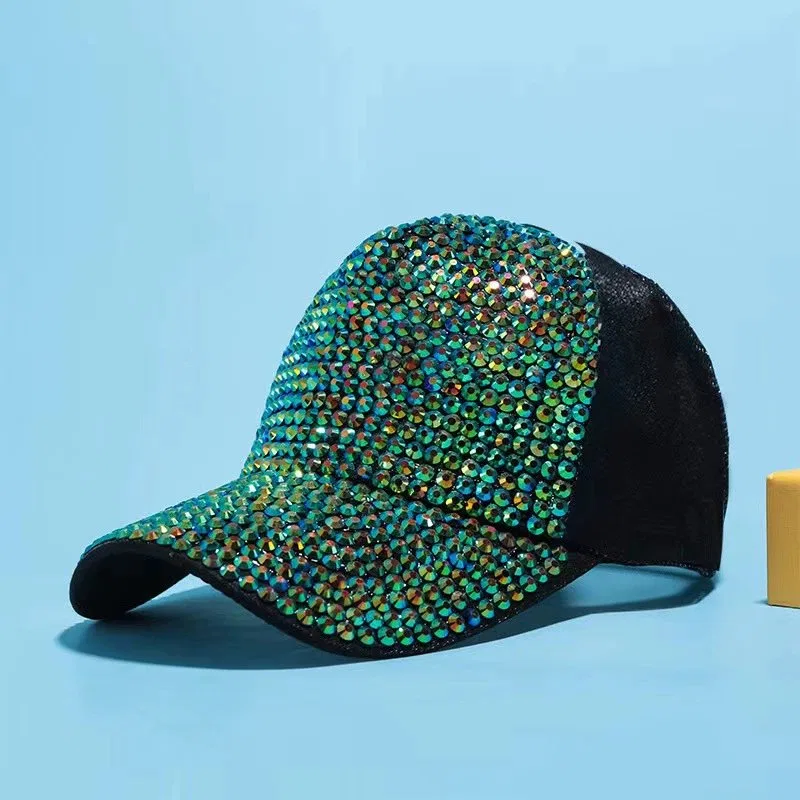
Transfer artwork and decorated headwear also operate on different surfaces. A flat transfer may be evaluated at measured scale before application, while a cap introduces curved panels, crown structure and seams. The requested stone effect should therefore be described alongside the actual receiving product rather than copied from one photograph to another.
CoverageOutline, partial fill, full field or scattered accent
ContrastRelationship between crystal tones and the base color
LegibilityRecognition of letters or shapes at finished dimensions
PlacementAvailable area after seams, curves and garment features
Flat reference: examine the motif outlines and stone maps before application.Formed reference: evaluate the design on a curved panel.
03 / Relief comparison
Look at dimensional logo patches from face, edge and profile
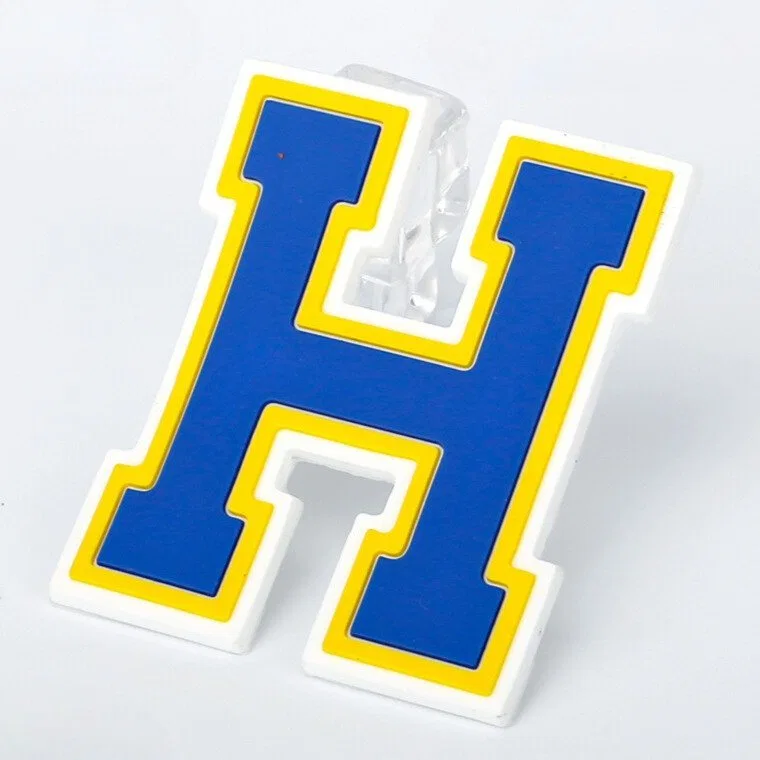
A front view establishes graphic character, but it cannot show every physical transition. Raised branding should also be reviewed from an angle that reveals height changes, recessed areas, edge shape and the boundary between adjacent colors.
TPU direction
Translate logo geometry into controlled levels
Mark which elements sit on the base plane, which features rise, which lines must stay recessed and how the outer edge should read. Dimensions belong on the drawing so a decorative photograph does not become the only scale reference.
Describe softness, flexibility or tactile intent as buyer objectives, then let the material discussion establish what is feasible for the receiving item. Keep surface finish, attachment path and physical profile as independent approval points.
Inspect the whole keychain, not only the sparkling face
A successful reference review follows the load path from the decorative body through connectors to the ring or clasp. It also checks how the item sits on a display card and whether the reverse, edges and hardware finish match the intended retail presentation.
1 / Motif body
Record overall dimensions, outline, crystal arrangement, base visibility and reverse appearance.
2 / Joining point
Identify how the decorative piece connects to chain, ring, swivel or other finding.
3 / Hanging hardware
Specify requested function and finish without relying on a cropped front photograph.
When several colors or shapes form one assortment, assign a stable item code to every combination. That identifier should follow the approved sample, unit presentation, barcode data and carton count rather than changing between teams.
Request photographs that answer a specific product question
More images do not automatically create better evidence. A compact set becomes useful when each view has a purpose, an identifiable sample and enough context to understand scale, color, assembly or packaging.
01
Square front
Shows the complete outline and uncropped face without perspective distortion hiding proportions.
02
Raking angle
Reveals relief, surface texture, stone height, recessed zones and edge transitions.
03
Reverse side
Documents backing, carrier, attachment area, hardware connection or construction that the shopper may not see.
04
Scale reference
Pairs the sample with a ruler or dimension callout while preserving the full product in frame.
05
Receiving product
Places the component on the named garment, cap, bag or accessory location before approval.
06
Pack-out view
Connects item identity to the unit pack, label, display presentation and outer carton grouping.
Include the sample revision or item code in the file name. When color is under review, keep lighting conditions documented and compare against the agreed physical reference instead of treating every screen as identical.
Product roleWhat is being bought?
Visual priorityWhich feature must the sample preserve?
Measured scaleWhat finished dimensions govern the artwork?
Assembly contextWhere and how will the item be used?
Variation mapWhich colors, designs or sizes need separate identity?
Open questionWhat must the supplier review rather than assume?
06 / Image annotation
Convert saved gallery references into an accountable RFQ note
Place short numbered callouts directly beside the feature being discussed, then repeat those numbers in a written legend. A useful annotation says what the buyer wants to retain, what should change and which construction point remains open for supplier feedback.
Avoid instructions such as “make it exactly like this” when the source image does not disclose dimensions, reverse construction or material. Instead, identify visible goals and attach a separate specification record for facts that can be measured or approved.
The catalog routes page can help identify the requested deliverable, while the B2B buying path shows where visual evidence enters the inquiry and sample-review sequence.
07 / From picture to research
Continue with a buyer guide matched to the feature you observed
Visual browsing should narrow the next question, not end the investigation. Choose a topic based on the product variable you need to define and carry your annotations into the more detailed planning page.
Artwork behavior
When the image raises questions about scale or line detail
Review how finished dimensions, stone mapping and vector preparation shape a rhinestone design before sampling.
Use imagery accurately during wholesale product development
Are the gallery images a list of fixed specifications?
No. They illustrate product categories and visible design directions. A quotation and sample discussion must define the actual construction, size, colors, attachment, quantity and packaging requested for your program.
Can I submit my own reference photograph?
Yes, provided you have the right to share it. Mark the features you are referencing, attach authorized artwork for any custom brand content and avoid asking the supplier to reproduce protected third-party designs.
Why are side and reverse views important?
Those angles expose height, edges, backing, connectors and assembly details that a polished front image can conceal. They also make sample differences easier to describe precisely.
How should I compare color on screen?
Use screen images for direction and communication, not as the only final color authority. State the reference system or physical sample used for approval and document the conditions of the comparison.
What information should accompany a selected picture?
Add the desired product role, final dimensions, receiving item, placement, variation quantities, destination and a short list of features that remain open for feasibility review.
Where can I search more technical topics?
Continue to the wholesale buyer library for focused pages covering artwork, sampling, testing, packing, supplier assessment and reorder control.
Custom manufacturing support
Request a B2B Quote
Tell us about your bulk order and our team will review the specifications, pricing and sample options.
Specification review Artwork upload Bulk pricing
Wholesale contact
Talk with the Teebling product team
Ask about a construction, application, order plan or product route. Include a measurable reference whenever possible.

 TPU direction