What is the product actually made from?
Separate thread, textile base, stones, film, molded polymer, metal findings and receiving fabric so each component can be discussed without vague shorthand.
Research a bulk custom apparel or accessory program before the quotation becomes crowded with assumptions. This reference room organizes practical buying topics around rhinestone heat transfers, decorated T-shirts, embroidered patches, TPU heat-transfer labels, garment branding, canvas totes and private-label merchandise. Use it to identify the decision you need to make, open the matching guide and turn what you learn into a measurable supplier brief.
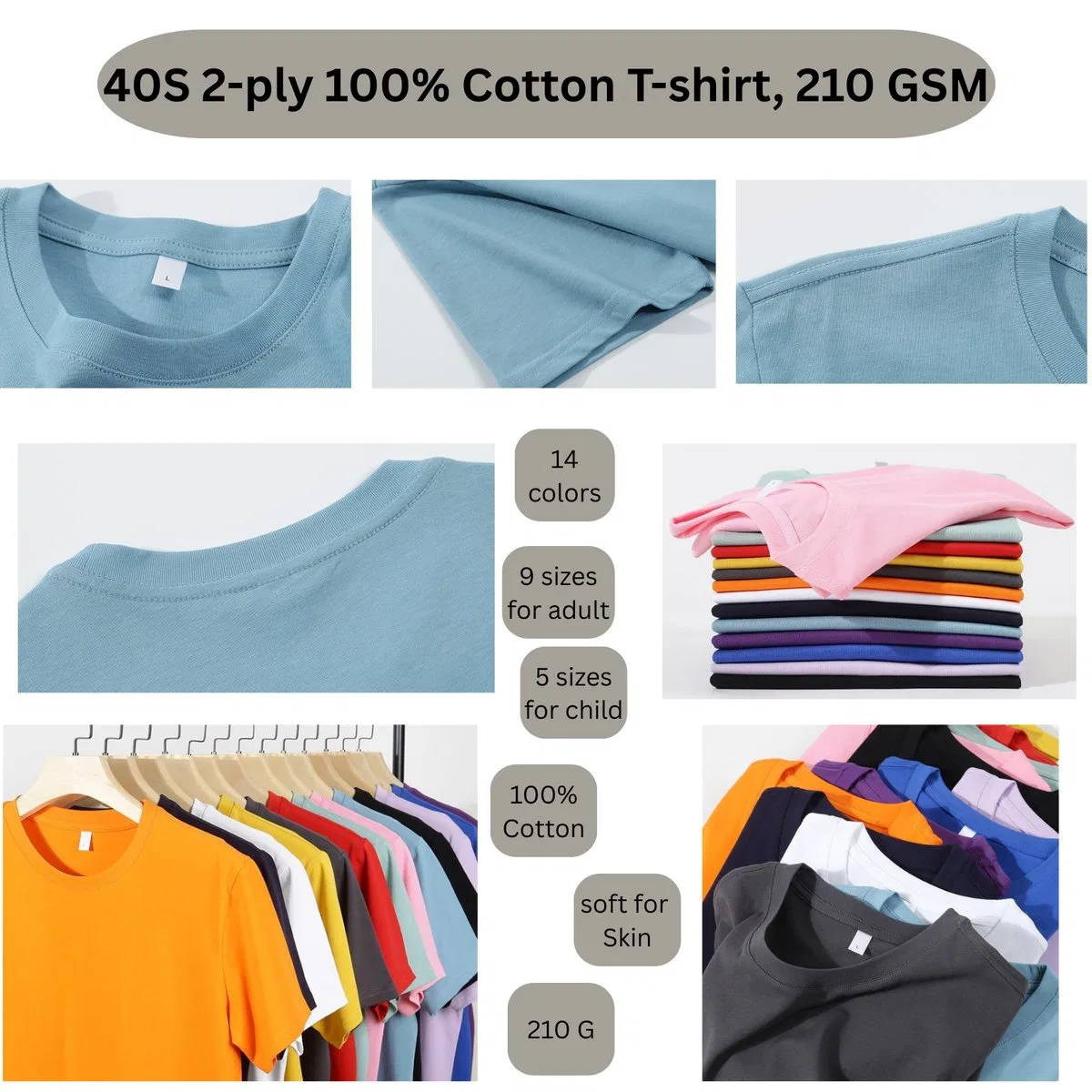
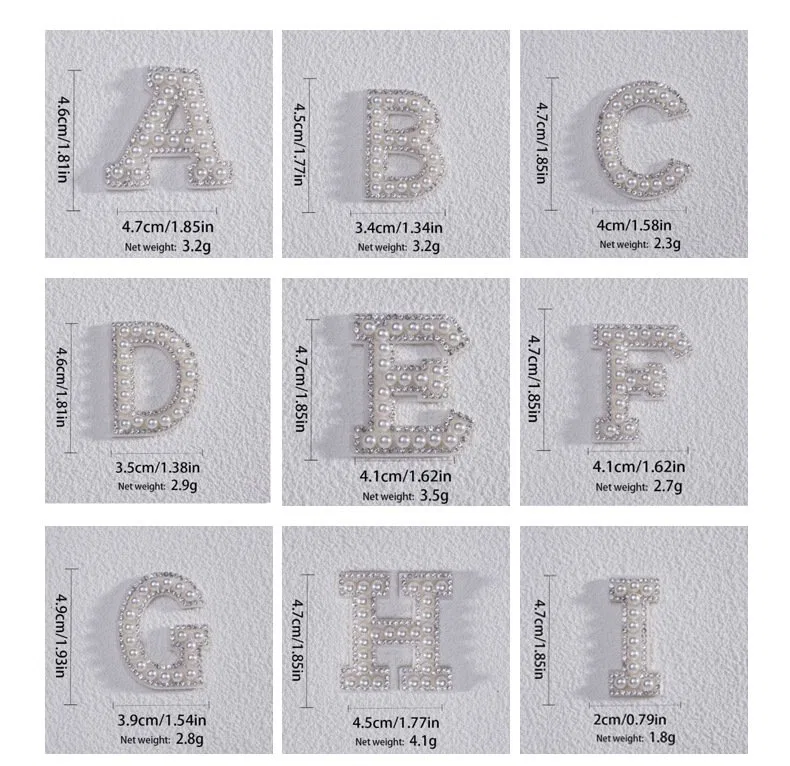
Product names are only the first layer of wholesale research. A useful route starts with the uncertainty that could change appearance, application, cost structure, packing or repeatability. The six reading lanes below let a buyer move directly to the kind of evidence the project is missing.
Separate thread, textile base, stones, film, molded polymer, metal findings and receiving fabric so each component can be discussed without vague shorthand.
Record width, height, relief, border, safe area, placement zone and tolerances in the units used on the approved drawing.
Distinguish supplier-applied decoration from heat application, sewing, adhesive support, hook-and-loop assembly or separately packed components.
Break the total into artwork, color, size, hardware, label and destination groups before asking for a commercial review.
Name who will review artwork, physical samples, photographs, color references, packing details and written revisions.
Archive the approved specification, version, supplier reference, pack configuration and observations that matter to a reorder.
Try a shorter construction term, or contact the wholesale desk with a photograph and a description of the result you need.
A buyer brief should describe one supply responsibility at a time. The garment, transfer, patch, label or accessory may later become part of a larger collection, but each line needs an identity that can be quoted, sampled, approved and reordered without relying on somebody's memory.
Visual reference is evidence, not the entire specification.Assign an internal style name, revision date and buyer owner. Link every file and comment to that same identifier.
State whether the inquiry covers a loose component, an applied decoration, a finished garment or a packed retail unit.
List authorized art, visible wording, color references, size, orientation and location rather than describing the design as similar to an image.
Show quantities by every variation and delivery destination so the quoted scope matches the purchasing grid.
Reserve space for supplier questions, buyer answers, approved evidence and the exact version released for production discussion.
A picture can reveal style, proportion and placement, yet it rarely establishes finished size by itself. Wholesale custom patches, crystal motifs and bag decorations need explicit measurements tied to a named orientation. Include the surrounding product when placement affects usability or balance.
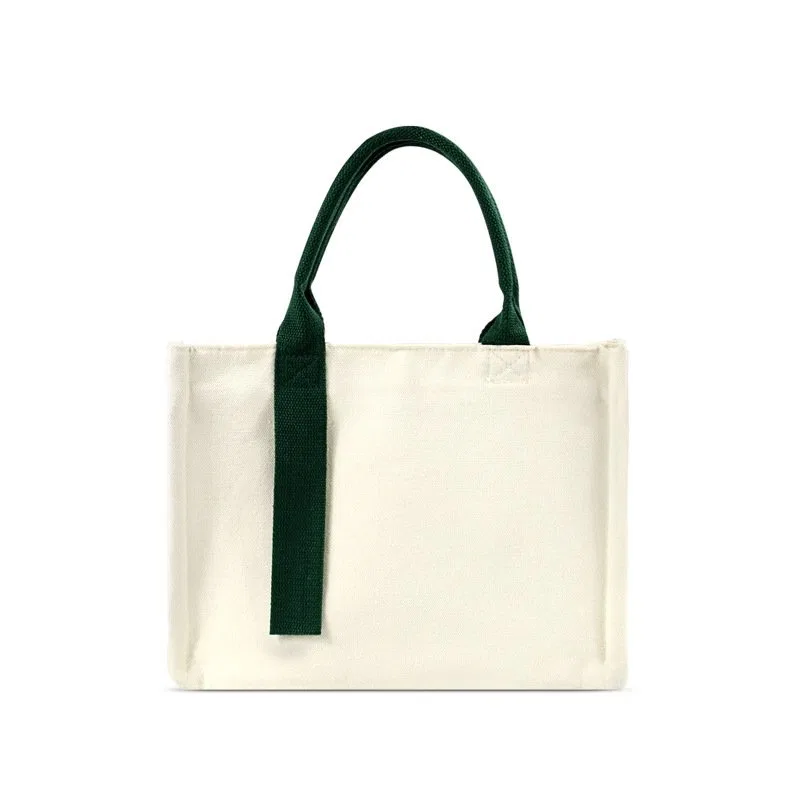
The same logo appearance can be delivered through different constructions, and the receiving item determines which questions matter. Do not treat an embroidered heat-seal badge, raised TPU transfer, sewn woven label and separately packed patch as interchangeable merely because their front faces carry the same mark.
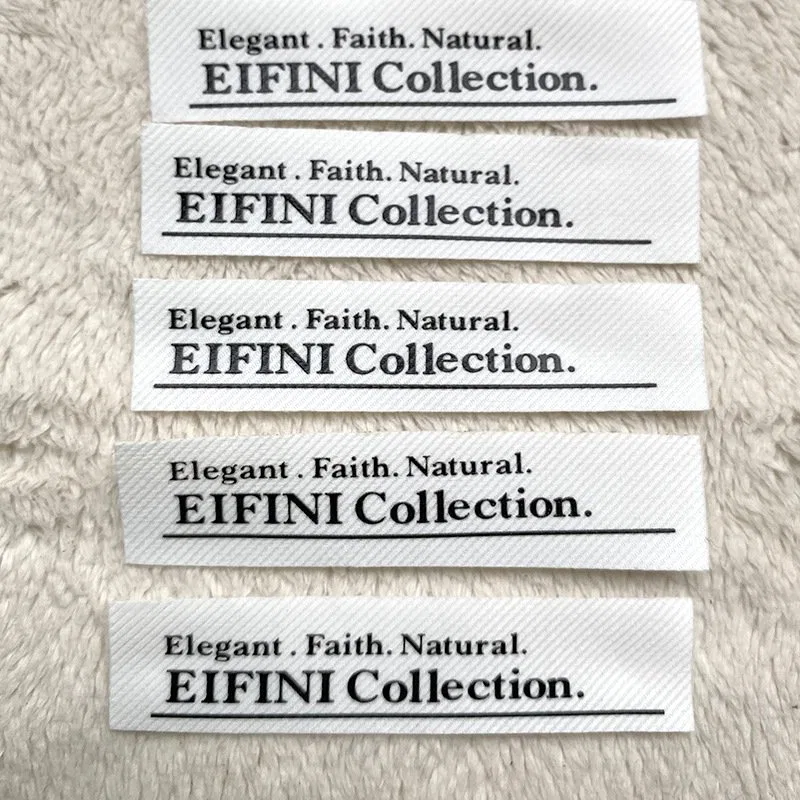
Clarify whether Teebling is being asked about the component, its application to a buyer-supplied item, or a complete decorated product.
Name fiber content, construction, surface finish, coating, thickness or stretch information known about the receiving item.
Request product-specific instructions and plan a controlled trial on the actual material instead of copying settings from another program.
Describe expected handling, flexing, laundering or retail presentation so relevant concerns can be raised during development.
Comparison becomes more useful when every option is judged against the same project conditions. This neutral ledger does not declare a universal winner; it shows which information to place beside each supplier-reviewed alternative.
| Decision field | Transfer or applied mark | Patch or separate component | Finished decorated item |
|---|---|---|---|
| Scope to quote | Layout, carrier, dimensions and application responsibility | Face construction, edge, backing, finished size and packing | Blank specification, decoration, size-color split and finishing |
| Receiving surface | Actual test material and placement zone | Attachment location and available support | Garment panel, seam geometry and decoration area |
| Approval evidence | Artwork map plus program-specific trial observation | Physical component face, reverse and attachment note | Complete sample with fit, placement and pack details |
| Reorder anchor | Approved revision and transfer identity | Component code, dimensions and backing record | Finished style code and allocation matrix |
Wholesale decoration files can change through scale corrections, stone-map edits, text checks, color separation, border adjustments and placement review. A simple naming and approval discipline protects the buyer from releasing an obsolete attachment after the visual discussion has moved forward.
Record who supplied the mark, which usage rights apply and where the editable source file is stored.
Return numbered comments against a named proof so supplier and buyer are discussing the same evidence.
Preserve the approval date, approver, file name and any conditions that remain outside the visual proof.
Move superseded files away from active production folders while keeping the path that explains later changes.
A sample is most valuable when the review separates facts, preferences and open questions. Photograph the whole item and relevant details under consistent conditions, note the exact sample identity, and compare it to the approved brief instead of judging from memory.
Describe alignment, dimensions, visible edges, material hand, hardware movement, color grouping and packing condition without prescribing a correction yet.
Place the observation beside the named drawing, color reference, component list or placement measurement used for approval.
Label each point accepted, revise, clarify or outside scope; assign an owner and identify what evidence closes the point.
Keep the reviewed sample code, photographs and written disposition with the final purchasing record.
A repeat purchase is not automatically identical to the first run. Materials, destinations, quantities and commercial conditions may need fresh review, but a disciplined archive gives the buyer a reliable starting point and exposes every requested change.
Style name, supplier reference, buyer SKU, artwork revision and dated approval evidence.
Materials, dimensions, colors, attachment route, receiving item and accepted sample observations.
Final units by size, color, motif, hardware, pack type and destination from the completed purchase.
A clean list of requested differences for the new inquiry, including unchanged fields that still require confirmation.
You do not need to solve every manufacturing detail before contacting Teebling. Share the product family, intended use, authorized art, target dimensions, approximate quantity split, receiving material and delivery destination you know today. Mark uncertainties plainly so the discussion can focus on the next evidence or choice rather than filling gaps with assumptions.