


Transfer
Component, proof and pack.
Decide who owns the artwork, transfer, garment, application, sample, packing and destination handoff before comparing suppliers. A neutral board prevents a component quote from being mistaken for a finished-shirt program.
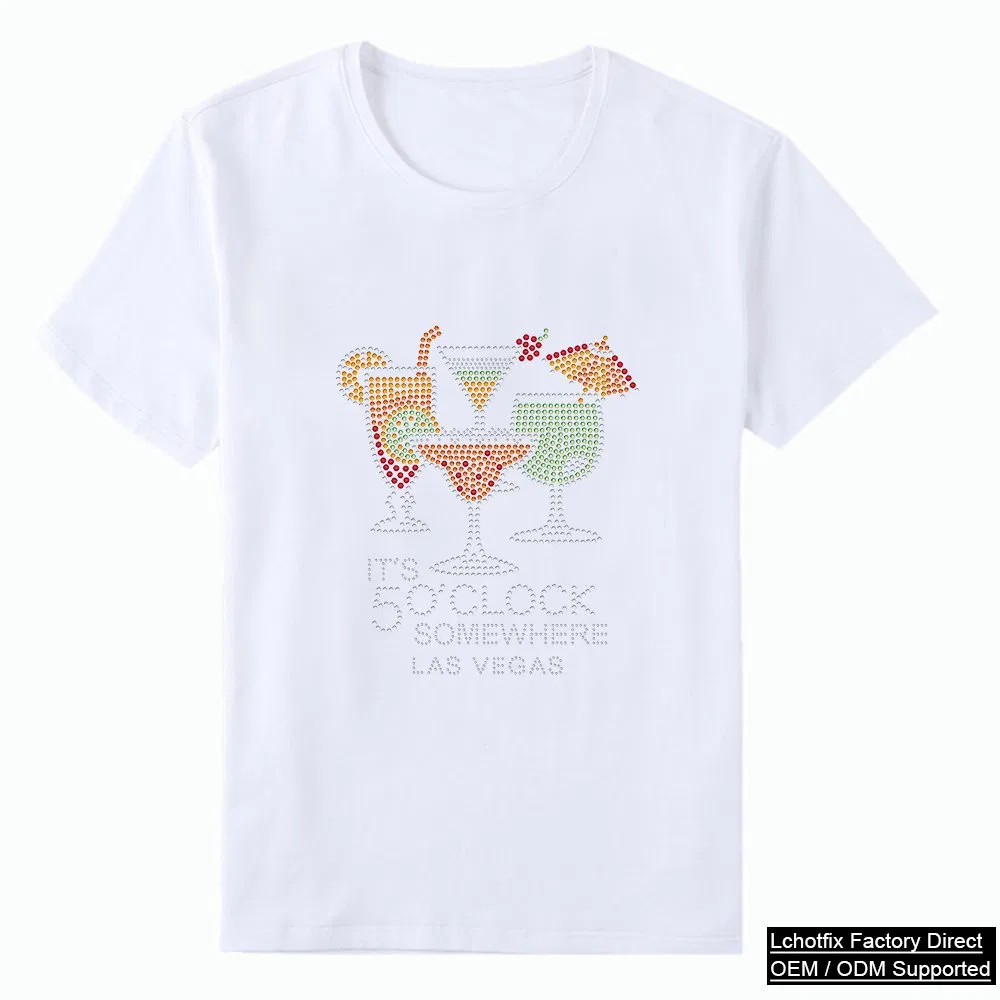
Write one sentence defining the requested commercial output. “Transfer only” ends at approved decoration components and agreed packing. “Apply to buyer-supplied garments” adds receiving, garment inspection, application and decorated-unit approval. “Supplier-provided finished shirts” also adds blank sourcing, size-color allocation and garment packing. A fourth route may include retail cards, folding or destination cartons. Do not title every option simply B2B T-shirt and expect bidders to infer responsibility. Name what enters the supplier's custody, what must leave, who owns loss or rejection decisions, and which evidence marks completion. Teebling should confirm capability and boundaries for the exact route quoted.
Component, proof and pack.
Buyer or supplier source.
Named decorator and trial.
Inspection, pack and destination.
Product 26 records Custom Hotfix Rhinestone Transfers for T-Shirts, code TB-65107DD80631, Rhinestone DMC, 30 by 21 cm and MOQ 50. Product 172 records a 100% Cotton blank, code ZQLW-T-001, MOQ 50, fourteen colors and male S–5XL/female S–4XL. Product 174 records a finished 100% Cotton shirt, EVA-LAS-024, Black/White, a 7.7 by 8.8 inch decoration field and MOQ 50. None alone proves every combined service.
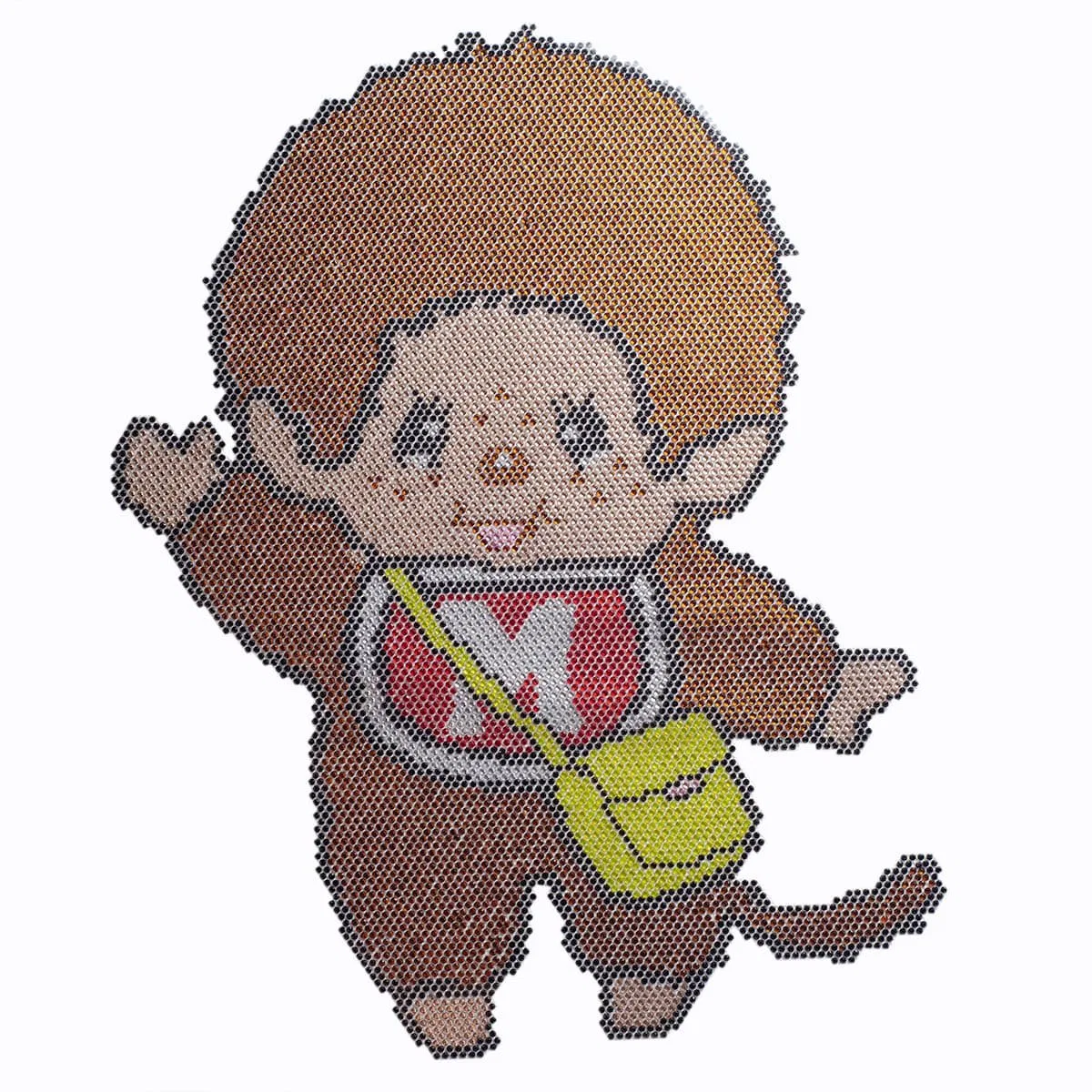
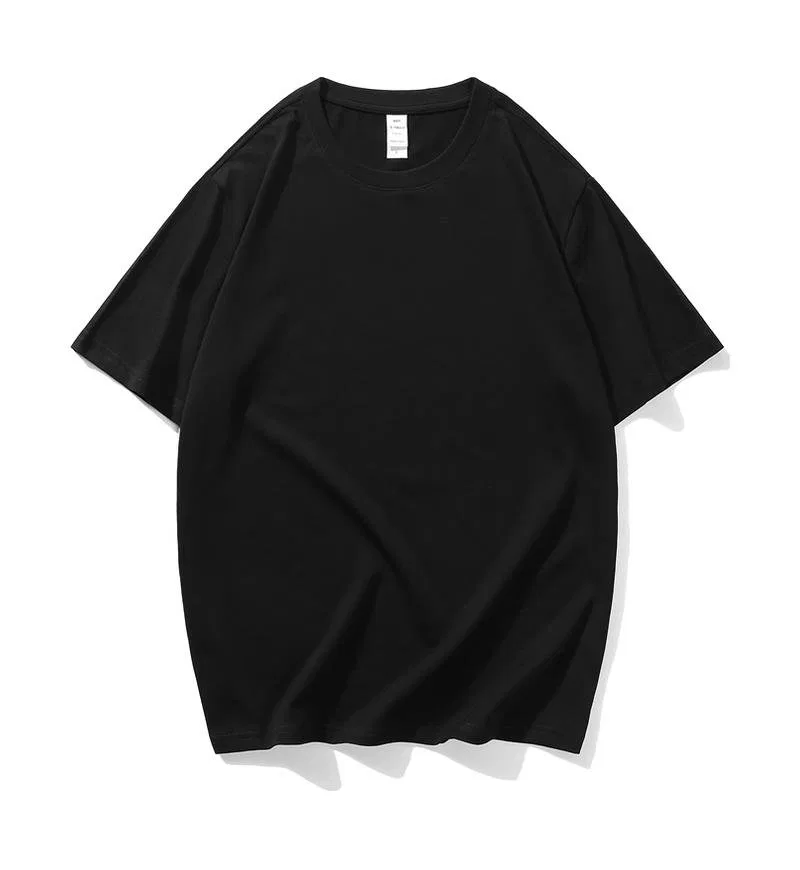
Create rows for artwork, rights, blank specification, garment purchasing, decoration manufacture, incoming inspection, application, finished inspection, packaging, freight booking and receiving. Put “buyer,” “Teebling,” “third-party decorator” or another named party in the owner column, then name the approver and evidence. Avoid shared responsibility without a decision mechanism. If the buyer supplies garments, define count, defect handling and reconciliation. If a decorator receives transfers separately, define matching codes and storage. For wholesale custom shirts, state whether the supplier is quoting units ready to wear, units ready for retail or components delivered to another facility. This chessboard makes scope changes visible before they become disputes.
| Workstream | Owner | Approval evidence |
|---|---|---|
| Artwork and rights | Buyer-named party | Authorized source revision |
| Decoration and application | Quoted supplier/decorator | Signed trial and unit |
| Pack and delivery handoff | Named logistics owner | Counted pack record |
Provide editable source artwork, rights confirmation, real-size preview, intended decoration dimensions, top direction, numbered color/component map and garment placement. Ask the quoted supplier which formats and construction details are required; do not invent universal file rules. Mark print, rhinestone, exposed garment and any other technique as separate regions. If multiple sizes are planned, specify whether decoration dimensions stay fixed or change and request feasibility. Tie every proof to a revision and buyer SKU. The transfer artwork guide supplies detailed intake questions, while custom T-shirt transfer planning links art to quantity. Buyer approval should cover appearance and rights; supplier approval covers proposed manufacturability.
Authorized source → component map → real-size proof → garment placement → coded sample → signed revision.
Record supplier code, fiber wording, fit, size range, garment color reference, neckline, sleeve, finish, placement obstacles and quantity by variant. If the buyer supplies blanks, state delivery address, count method, overage or shortage handling and disposition of rejected garments. If the supplier is asked to source them, request current availability and sample evidence. Product 172 has broad catalog color and size options, but its active general size field is blank and the row does not prove stock for a particular order. A decorated product such as Product 174 should not be assumed to use Product 172. Use blank selection guidance to document substrate questions before application.
Code, fiber, fit and finish.
Color, size and quantity.
Count and defect route.
Lot and decorated SKU.
Name the party responsible for application and ask the component supplier for instructions tied to the selected SKU. The decorator should record equipment, setup, garment, placement method, process observations and result for the agreed trial. This page does not assign temperature, pressure, time, peel or cooling values. Inspect decoration position, surface, edges, garment change and agreed post-process checks. If transfers are sent to another facility, include labeled samples and revision-controlled instructions in that handoff. Any new garment construction, coating, finish or decoration revision can justify another trial. The heat-press test guide organizes evidence without converting one test into a universal production guarantee.
| Trial input | Recorded evidence | Decision owner |
|---|---|---|
| Exact transfer/garment | Codes and revisions | Supplier + buyer |
| Application setup | Decorator record | Production owner |
| Finished observation | Signed physical unit | Named approver |
Issue one matrix covering style codes, decoration route, blank source, application owner, colors, fits, sizes, quantities, samples, packing, destination and requested milestones. Ask bidders to disclose exclusions, buyer-supplied inputs, MOQ interpretation, sample costs, tooling if applicable, payment assumptions, packing basis, freight basis and validity period. Do not compare a transfer-only unit price with a finished packed shirt quote. Product minimums of 50 in the cited rows remain product evidence rather than proof of combined program terms. For promotional product suppliers private label work, add campaign owner and distribution split. The quote factor guide helps normalize commercial inputs without publishing invented pricing.
Same scope + same matrix + declared exclusions + sample boundary + packing basis + destination + current validity.
These answers distinguish component, blank and finished-shirt evidence while keeping artwork, application and commercial responsibilities assigned.
State whether the inquiry covers decoration components only, buyer-supplied garments plus application, supplier-provided blanks, or finished packed shirts.
The buyer should provide authorized source artwork and name its rights and creative approvers; the proposed supplier confirms manufacturability for the quoted scope.
No. Product 26 records a hotfix rhinestone transfer, while Products 172 and 174 separately evidence a cotton blank and a finished decorated shirt.
No. Request SKU-specific instructions and confirm them through a documented trial using the exact decoration, garment, equipment and production conditions.
Give every bidder the same scope boundary, product matrix, artwork revision, blank assumptions, application responsibility, sample plan, packing, destination and requested commercial disclosures.
Attach scope statement, responsibility matrix, authorized artwork, blank specification, decoration component requirements, placement, size-color quantities, application trial, sample milestones, finished inspection, unit packing, destination split and commercial question sheet. Ask Teebling to mark accepted responsibilities, exceptions, evidence requirements and current quotation assumptions. Use wholesale transfers for T-shirts where component supply is primary and OEM finished-shirt sourcing when the requested output includes garments. Production should begin only after the purchase order, signed samples and responsibility board describe the same deliverable without silent handoffs.
Output + owners + artwork + blank + application + approval + packing + commercial basis + signed revisions.